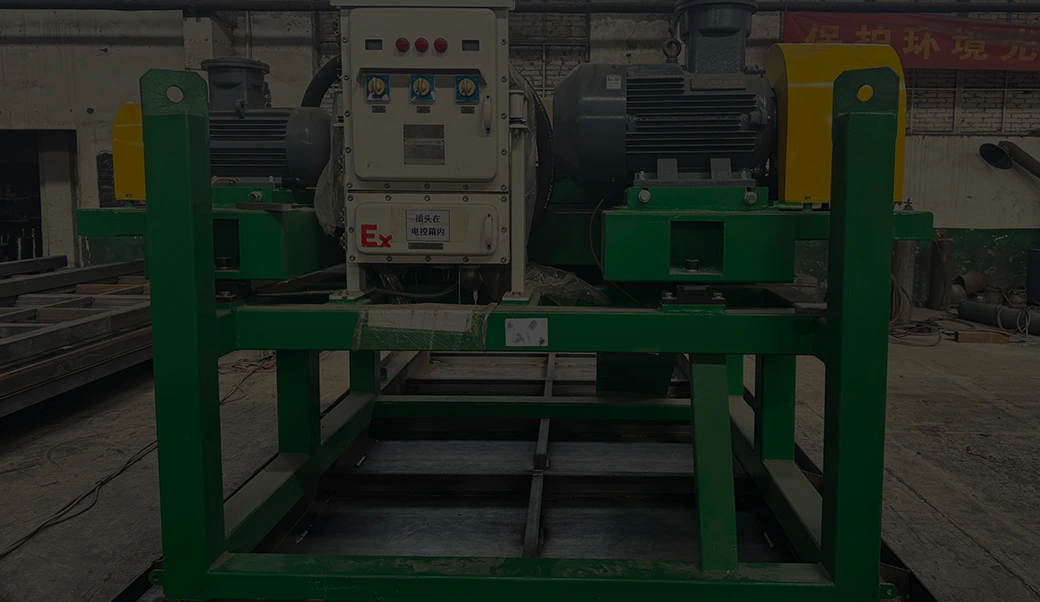
Industrial sludge treatment remains one of the most demanding challenges across oil and gas drilling, construction, and environmental engineering. Decanter centrifuges have proven to be among the most effective technologies for reducing waste volume by continuously separating ultra-fine solids from liquid phases with high precision. By converting bulky, wet sludge into compact, manageable dry cake, these machines dramatically cut disposal costs, support environmental compliance, and recover valuable drilling fluids. This guide is designed to help procurement managers, drilling engineers, and project managers make confident, well-informed sourcing decisions.
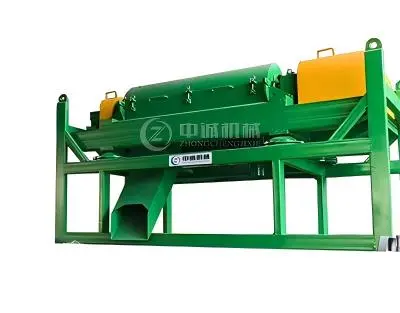
Understanding Decanter Centrifuges in Industrial Sludge Treatment
A Decanter Centrifuge is a horizontal sedimentation machine designed to separate solids and liquids continuously. Centrifugal force, which is often higher than 3,000 Gs, speeds up the settling of solid particles much faster than the speed of gravity. This makes it possible to handle large amounts of sludge that has a lot of solids in it.
Core Working Principle and Components
The rotating bowl, the scroll conveyor, and the differential drive are the three main parts that move together in sync. As the bowl spins quickly, the scroll conveyor spins at a slightly different speed, pushing the solids that have settled to the discharge end all the time. This differential speed is what allows the machine to run continuously without having to stop for manual batch changes. A well-set up Decanter Centrifuge can run 24 hours a day with little to no human supervision, while a filter press needs to be run in cycles.
Industrial Applications Across Key Sectors
Decanter Centrifuges are used in many different kinds of businesses. They remove very small, harmful particles from drilling fluids to protect equipment further down the line and keep the mud's properties. They are used in oil and gas drilling as the fifth stage of solids control. They deal with high-clay sludge that is made during bored pile building in trenchless mining and foundation piling. They are used to separate and clarify chemicals and biosolids in food and chemical processing plants, as well as to remove water from biosolids in municipal wastewater facilities. Because they can be used in many industries, they are a good long-term investment.
Key Factors to Consider When Selecting a Decanter Centrifuge
Not every Decanter Centrifuge can be used for every task. If you choose the wrong unit, the cake won't dry properly, it will wear out quickly, and there will be unexpected downtime. All of these problems have a direct effect on the project's revenue.
Speed Configuration: Middle-Speed vs. High-Speed vs. VFD
Before buying, you need to know what the practical differences are between the different speed combinations. The ZC series comes in three main versions, which are:
- Middle-speed Decanter Centrifuge: This type of centrifuge is simple to build and doesn't cost much. It works great for recovering barite from weighted drilling mud and getting rid of larger, more harmful solids in regular drilling sections. Its simple design makes it easier to maintain and lowers the cost of replacement parts over the course of its life.
- High-speed Decanter Centrifuge: This type of centrifuge works above 3,000 RPM and picks up very small particles between 2 and 5 μm. It is the best choice for cleaning deep well mud, maintaining low-density mud, and being a key part of drilling waste management systems that have to follow strict rules for release.
- High-speed VFD Decanter Centrifuge: This machine has a Variable Frequency Drive control system that lets you change the bowl speed and differential speed without any steps, depending on the features of the mud at the time. The soft-start feature lowers the mechanical stress on the drive system and the amount of energy used, making it the best choice for variable-feed drilling jobs.
Matching the configuration to your sludge characteristics — density, particle size distribution, and feed concentration — is the single most important procurement decision you will make.
Critical Performance Metrics to Evaluate
Aside from speed, buying teams must also look at the shape of the bowl and the ratio of length to diameter (L/D). A higher L/D ratio makes the clearing zone bigger, which results in a cleaner liquid centrate. On the other hand, a lower ratio focuses on small footprint and basic drying. The ZC series has bowls with inside diameters of 356 mm and 450 mm and effective bowl lengths of 1,257 mm and 1,000 mm. This gives engineers a choice of shapes that can meet different throughput needs.
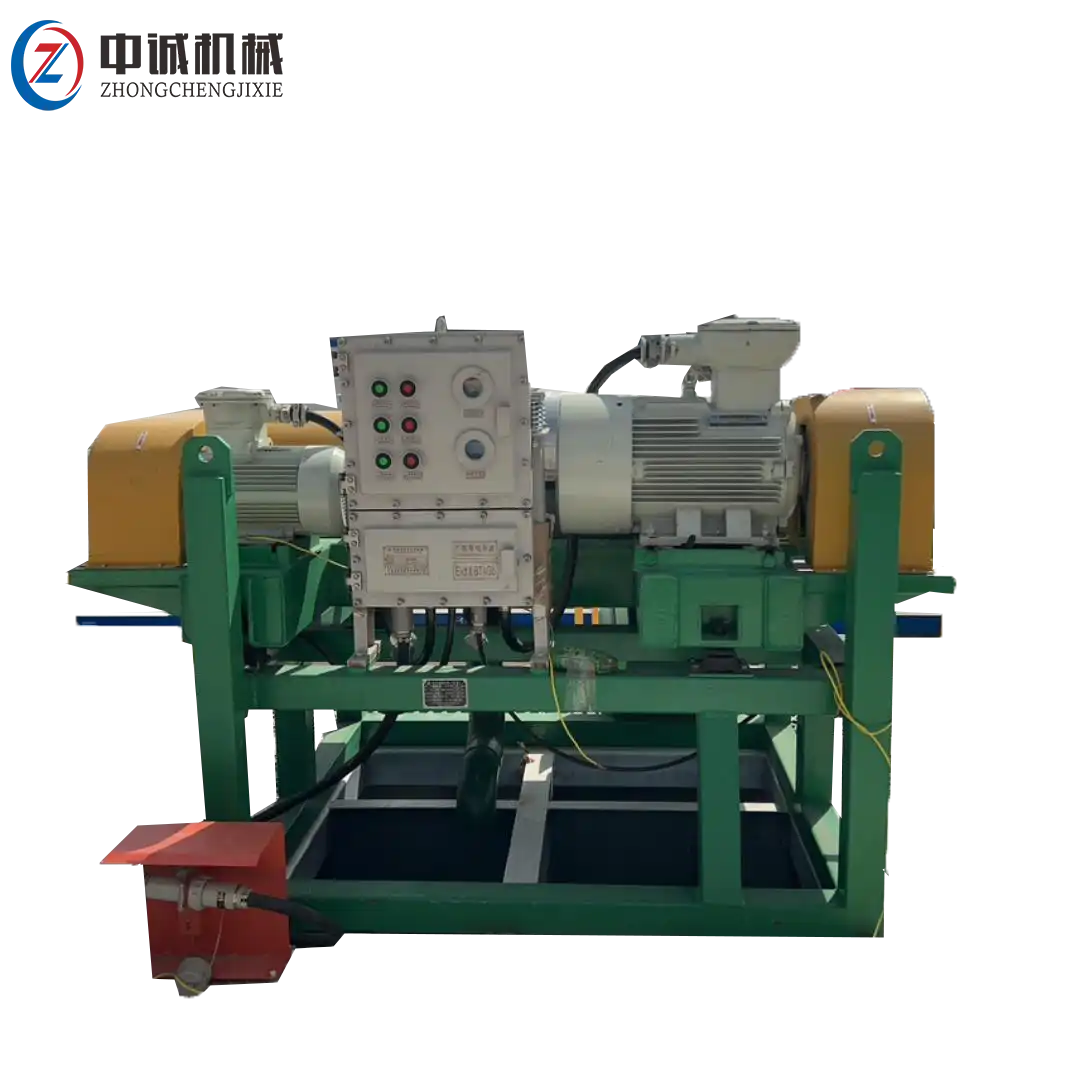
Optimizing Decanter Centrifuge Performance and Maintenance
Without a structured repair procedure, even the toughest Decanter Centrifuges break down. High-speed spinning parts put a lot of mechanical stress on them, and if you don't do regular maintenance, the bearings will fail, the scrolls will wear out, and the machine will shut down without warning.
Wear Protection and Dynamic Balancing
The ZC series protects against wear by making the drum and conveyor system out of high-strength stainless steel. Critical contact areas are strengthened with ceramic inserts at solids discharge holes and tungsten carbide tiles on the scroll steps. These are materials that were chosen to work well in high-abrasion drilling settings. Before being sent out, all of the bowl's parts are high-precision dynamically balanced to make sure that the shaking levels stay within safe operating limits and the noise output stays below 85 dB during high-speed spinning.
Proactive Maintenance Practices
A few must-do maintenance tasks are necessary for long-term performance. High-speed bearings need to be oiled regularly with synthetic grease that can handle high temperatures. Using portable sensors to do regular vibration analysis can help find early signs of wear and tear or misalignment before they become major problems. Differential speed parameters should be checked on a regular basis. One of the most common reasons for high cake moisture is wrong settings, which can be easily fixed by adjusting VFD parameters instead of replacing parts.
Procurement Insights: Buying and Sourcing Decanter Centrifuges
There's more to finding a Decanter Centrifuge than just looking at price lists. The real worth is measured by how reliable it is in the field, how responsive the provider is, and the total cost of ownership over five to ten years of service.
Supplier Evaluation Criteria
Purchasing teams should make sure that any Decanter Centrifuge seller has quality certifications that can be checked. Shaanxi Xixian New Area Zhongcheng Machinery Manufacturing Co., Ltd.'s ZC series has ISO 9001, ISO 14001, and ISO 45001 certifications, as well as HSE compliance and TÜV and BV approval. This paperwork meets the supplier qualification requirements for most international oilfield operators and EPC contractors. The ability to deliver is just as important. Units that are already in stock can be shipped within three days from the factory in Xingping City, Shaanxi Province. The factory is close to both Tianjin and Shanghai ports, which makes foreign shipping easy. Within 15 days, customized setups are made, which include choosing the motor brand and size, as well as integrating the VFD. Transport packaging includes plastic film, tarps that keep out rain, and strapping. Pallets or wooden boxes can also be used if needed at the location.
Case Studies and Future Outlook of Decanter Centrifuge Use in Sludge Treatment
Contractors who use ZJ50 and ZJ70 rigs for drilling in northwest China have seen improvements since adding high-speed VFD Decanter Centrifuges to their fifth-stage Solids Control Systems. The density of the mud was kept within tighter limits, less drilling fluid was used, and the amount of the waste cake was cut down enough to lower the number of times it had to be thrown away, which directly saved money per well. Centrifuge technology is moving toward more automation integration, with systems that monitor torque in real time and change the scroll speed dynamically based on changes in solid load. Environmental laws are getting stricter in both the US and other countries. This will keep pushing oilfield operators toward closed-loop waste management systems where centrifuges serve as the primary separation stage. Buyers of equipment who form long-term partnerships with manufacturers now have a better chance of getting updated configurations and special expert help as new rules come out.
Conclusion
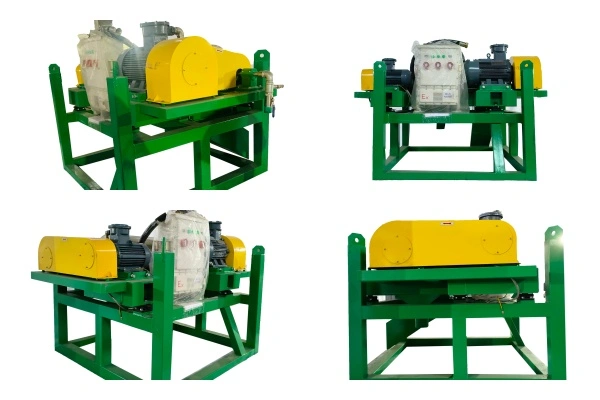
Decanter Centrifuges are an asset that will be used for a long time, not just as a one-time purchase. How much value you get from your investment depends on how well you choose the bowl geometry, speed setup, and wear protection for your particular sludge. The ZC series is a technically sound choice for oil and gas drilling, construction, and treating sludge in factories. It comes with ISO and HSE certification, tungsten carbide wear protection, and the ability to customize the VFD. If you buy from a manufacturer with a history of strong engineering skills and quick customer service after the sale, the equipment will give you clear benefits for as long as it is used.
FAQ
Why is the discharge cake wetter than expected?
The most typical reasons are an incorrect differential speed or not enough G-force. Changing the VFD parameters to make the solids stay in the bowl longer usually makes them drier without having to change the hardware.
What does the L/D ratio actually affect?
The clearing zone gets bigger when the L/D ratio is higher, which makes the liquid centrate cleaner. A lower ratio makes the machine smaller, which works better for simple draining tasks where centrate clarity is not as important.
How does the centrifuge handle abrasive drilling solids?
On the ZC series, the scroll flights are made of changeable tungsten carbide tiles, and the discharge ports are made of ceramic inserts. When used in high-wear places like oil and gas digging and trenchless mining, these materials make parts last a lot longer.
What quality checks should buyers request before shipment?
Ask for proof of dynamic balancing according to ISO 1940 G2.5 or G6.3, records of Non-Destructive Testing (NDT) for important welds, material tracking certificates, and a factory acceptance test (FAT) run report that confirms readings for temperature, noise, and vibration in the bearing.
How does the VFD configuration reduce operating costs?
The soft-start feature lessens the mechanical stress on the drive system when it first starts up, which increases the life of the bearings and gearbox. The unit can handle variable-density feeds easily without using too much energy because the speed can be changed without steps.
Partner with a Trusted Decanter Centrifuge Manufacturer — Get Your Custom Quote Today
ZC series Decanter Centrifuge supplier-grade equipment is made by ZHONGCHENGJIXIE It has ISO, TÜV, and BV certification, VFD customization, and a one-year guarantee that covers everything. Our engineering team is ready to help you whether you are setting up a new drilling project or improving an old solids control system. To get a price or set up a professional meeting, email us at oliver@zcgukong.com or go to zcsolidscontrol.com.
References
1. Leung, W.W.F. — Industrial Centrifugation Technology, McGraw-Hill, 1998.
2. Ambler, C.M. — "The Evaluation of Centrifuge Performance," Chemical Engineering Progress, 1952.
3. Environmental Protection Agency (EPA) — Biosolids Technology Fact Sheet: Centrifuge Thickening and Dewatering, EPA 832-F-00-053, 2000.
4. Society of Petroleum Engineers (SPE) — Drilling Fluids Processing Handbook, Elsevier, 2005.
5. Wastewater Technology Centre — "Performance Evaluation of Decanter Centrifuges in Municipal Sludge Dewatering," Water Research, 2011.
6. International Association of Drilling Contractors (IADC) — Drilling Manual, 12th Edition, 2015.