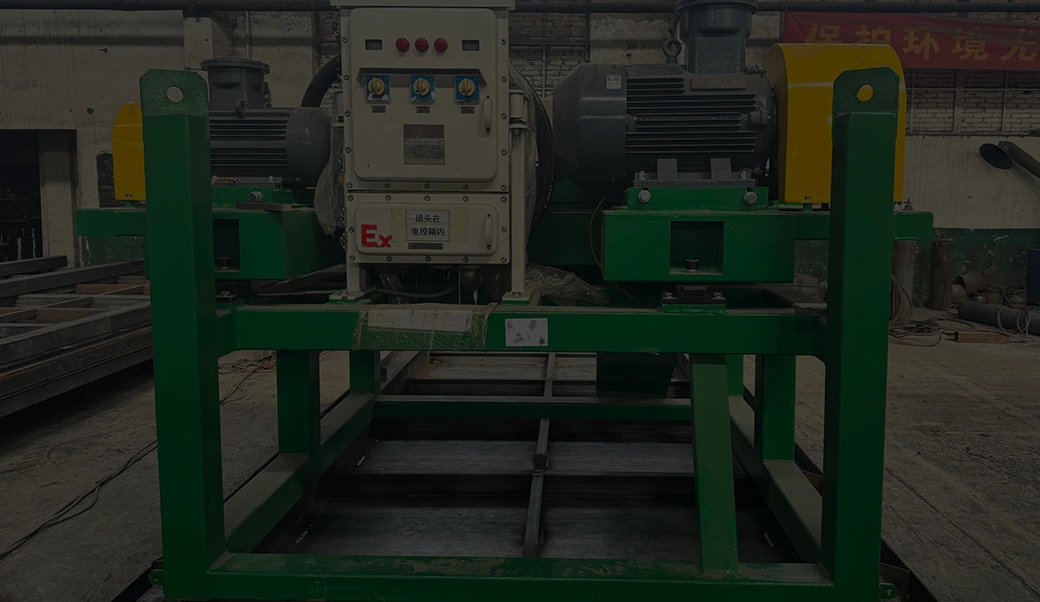
There are six things you should think about before buying a composite shaker screen: the frame and mesh construction, the API RP 13C performance data, how well it fits with your shale shaker, how well it works with your drilling fluid, the supplier's skills, and the total cost of ownership. Accessories/composite-frame-shaker-screen">Composite Frame Screens that are well-made have a strong frame and layered stainless steel mesh that doesn't rust and screens evenly. A low unit price could mean that the product won't last long and will break down more often. There are clear and useful ways for procurement managers, rig managers, and drilling engineers to compare quotes in this guide.
Compare Construction and Material
Frame Material and Structure
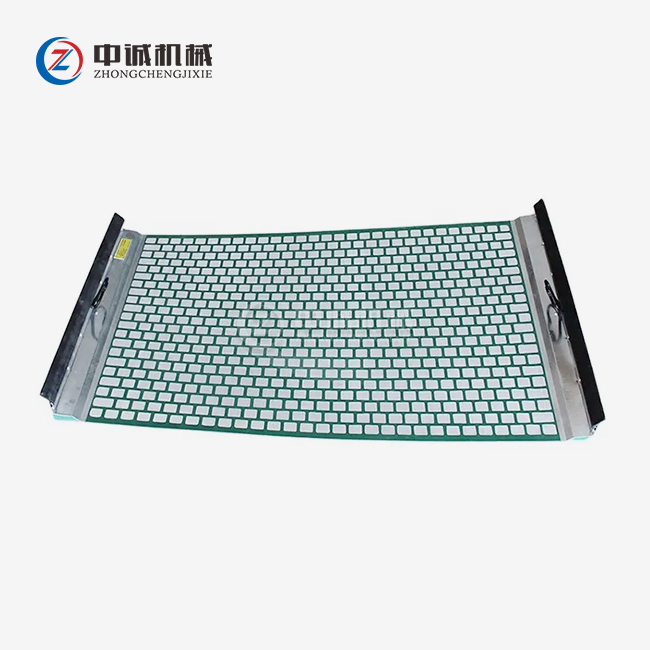
The frame tells the shaker deck how to move a screen. Steel frames are strong, but they are heavy and can rust in muddy areas that are salty or full of chemicals. This type of frame is better for work that needs to be done in salty or offshore conditions because it is lighter and won't rust. Our screen is made with a strong PU frame that is shaped like a single piece of mesh. This keeps the structure stable. Get quotes from several companies. Find out what kind of polymer they use and how well the frame holds up when heavy things hit it. When the frame is lighter, it's also easier for the crew to switch screens, especially when they have to work long shifts.
Mesh Layers and Bonding
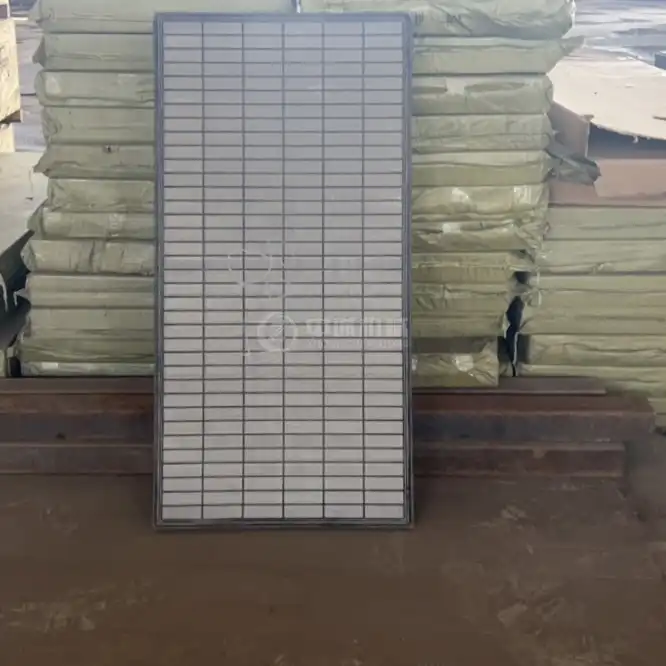
Pay close attention to the mesh; it's what keeps things apart. The mesh in our screens is made of multiple layers of stainless steel. It is common in this field to use 304L and 316L steel. Ask each supplier what kind of steel they use, how many layers they have, and how they plan to join the materials. Weak bonds make the screen last less long because solids can slip past the frame edge. Better mesh that doesn't wear down easily and stronger bonding make screens last longer, so crews don't have to change them as often. There is more than just a product sheet. There are also test results for adhesive strength and mesh tension.
Corrugated Structure and Screening Area
The measurements on the outside don't show how much surface area really stops liquids. The area that can be filtered is bigger with a corrugated structure. This makes separation work better and keeps things from getting stuck, which keeps screening steady. The fluid load is spread out over a larger area, which makes it less likely that the mud will surge. Find out how much space each mesh option will effectively screen, and then put those numbers next to each other. Do not forget to ask for drawings from the engineers. These show how the mesh and frame layers fit together.
Compare Separation Performance and Drilling Conditions
API RP 13C Performance Data
It's easy to test and label shaker screens, including Composite Frame Screens, according to industry standards such as API RP 13C and ISO 13501. There are only two key parameters to consider. Conductance indicates how efficiently a screen allows liquids to pass through, while the cut point tells you the size of particles it can filter out. Instead of relying on broad manufacturer claims, you should ask suppliers to provide clearly labeled test data. Our screens meet the requirements of API RP 13C and ISO 9001. Ensuring that the cut point of your screen matches your solids control plan helps maintain drilling fluid quality, while good conductance improves fluid recovery and allows more drilling fluid to be reused.
Viscous and High-Solid Drilling Fluids
Mud that is thick and sticky will make any screen work poorly. Many solids in the water can block the mesh, making it impossible for water to flow off the deck. This means that the crew has to stop and clean. Heavy drilling fluids don't get through our screens because they are corrugated, which keeps them from getting blocked. They can help you find a good mesh if you tell them what kind of mud you have, how fast it flows, and how much solids it usually has. If a supplier asks about your fluid before giving you a price, they most likely know what they're doing. Thoughts might be behind quotes that people give without being asked.
Onshore, Offshore, and Other Drilling Sites
Different sites have different things. You can drill with our screens both on land and at sea. In places where salt and water can damage steel, corrosion resistance is very important. Geothermal, mining, shale gas, foundation piling, and coalbed methane projects are all like this. Workers in these fields also take cuttings and sand out of the fluid that is moving around. Before you order, find out from the seller what the frame's written temperature limit is. This is important if you plan to drill hot holes in it. You shouldn't believe a rating that isn't written down.
Compare Fit, Size, and Alternative Screen Types
Composite Frame vs. Steel Frame Screens
A Composite Frame Screen is better than other screens sometimes. Look at these things and compare them to a steel-frame option:
- Weight and handling: Compared with traditional metal frame screens, the composite design cuts weight, which lowers transportation and handling costs. Crews lift lighter panels more easily during changes. Ask each supplier for the weight per panel so you can calculate the real freight difference.
- Corrosion and service life: Composite frames resist chemical corrosion and harsh drilling environments, especially offshore and in high-salinity conditions. Reinforced bonding and wear-resistant mesh extend screen life, so you replace screens less often. Ask for field references from conditions close to yours.
- Strength and screening: The composite frame gives rigidity and impact resistance, which prevents deformation under high load. The corrugated mesh adds filtration area. Compare both features, since a stiff frame with a small screening area can still underperform.
These reasons show why the total cost is more important than the price tag when picking out a frame type.
Matching Your Shaker Model
It only works if the screen fits. It is safe and stable to install our screens because they are made to fit standard shaker shakers and flat composite frame shaker decks. Tell each seller what kind of shaker it is, what size deck it has, and whether it clamps with a wedge or air pressure. As for the first batch, check the length, width, and flatness tolerances against the drawing that you asked for. Mud can get through the mesh if it's too loose, and the frame breaks down quickly. Before you order more, make sure it fits well.
Choosing Mesh Count and Size
How much flow and cut point there is is based on the mesh count. It is possible for coarser mesh to move more fluid and remove fewer fines, while finer mesh can move more fluid and remove fewer fines. The mesh count and size of the screen can be changed to fit your hole section, rig, and mud program. The same set-up doesn't work for all projects because rigs, from ZJ30 to ZJ90, need different amounts of airflow. Your supplier should know what your solids and flow rate goals are. Then, you should check what they say against the API RP 13C data.
Compare Suppliers, Quality Control, and Support
Direct Manufacturer Credentials
You can talk to engineers and production right away when you buy from a direct manufacturer. We have been in business since 2015 and have a factory that is 6,300 square meters in Xingping, Xianyang, Shaanxi. We have more than 12 patents on our own ideas and have worked in this field for more than 30 years. Every year, we build 200 sets of mud circulation systems and other oil equipment. Our ISO 9001, ISO 14001, and ISO 18001 certificates all have 2019 written on them. You should check a supplier's certificates, factory information, and records of oilfield work they've done in the past.
Quality Control Checks
A good program does more than just look over everything one last time. For a Composite Frame Screen, you should ask the supplier if they do API RP 13C tests for conductance and cut point, as well as mesh tension analysis, bonding strength tests, dimensional checks on frame tolerances and flatness, and vibration endurance tests. Every check finds a different issue, such as worn wires, solids bypass, bad fit, or frame cracks. Ask for sample test reports and agree in writing on the inspection standards before you place a large order. Sample data and the fact that the company is ISO 9001 certified show that there is a quality system in place.
Customization and Technical Support
A lot of the time, project work doesn't fit into a box. The mesh count and size can be changed to fit your needs, and our team offers training for the industry as well as drawings, flowcharts, component diagrams, operation and maintenance manuals, and more. We promise that our goods will work for a year. That way, your screens can match the tanks and shakers that are around them. We also build solids control and mud circulation systems for ZJ-series rigs. One-source setup is good for both EPC contractors and distributors because it means that paperwork and questions after the sale are taken care of by the same team. Ask every supplier how they handle technical issues after the goods have been sent.
Compare Total Cost, Delivery, and Final Checks
Total Cost of Ownership
The unit price is written on one line of the budget. Cost is based on how long the screen lasts, how often it needs to be replaced, how much it costs to recover fluid, and how much time is lost. There are not as many stops and changes when mesh and bonding last longer. It is easier to get back drilling fluid when it has good conductance and separation, which can mean that less fluid is used. When composite panels are lighter, they are easier to move and handle, which saves money. Ask the suppliers to give you a price quote and an idea of how long each screen will last in your setting. Then, look at how much each one costs per hour. The cheapest quote might cost you the most in the end.
Lead Time and Logistics
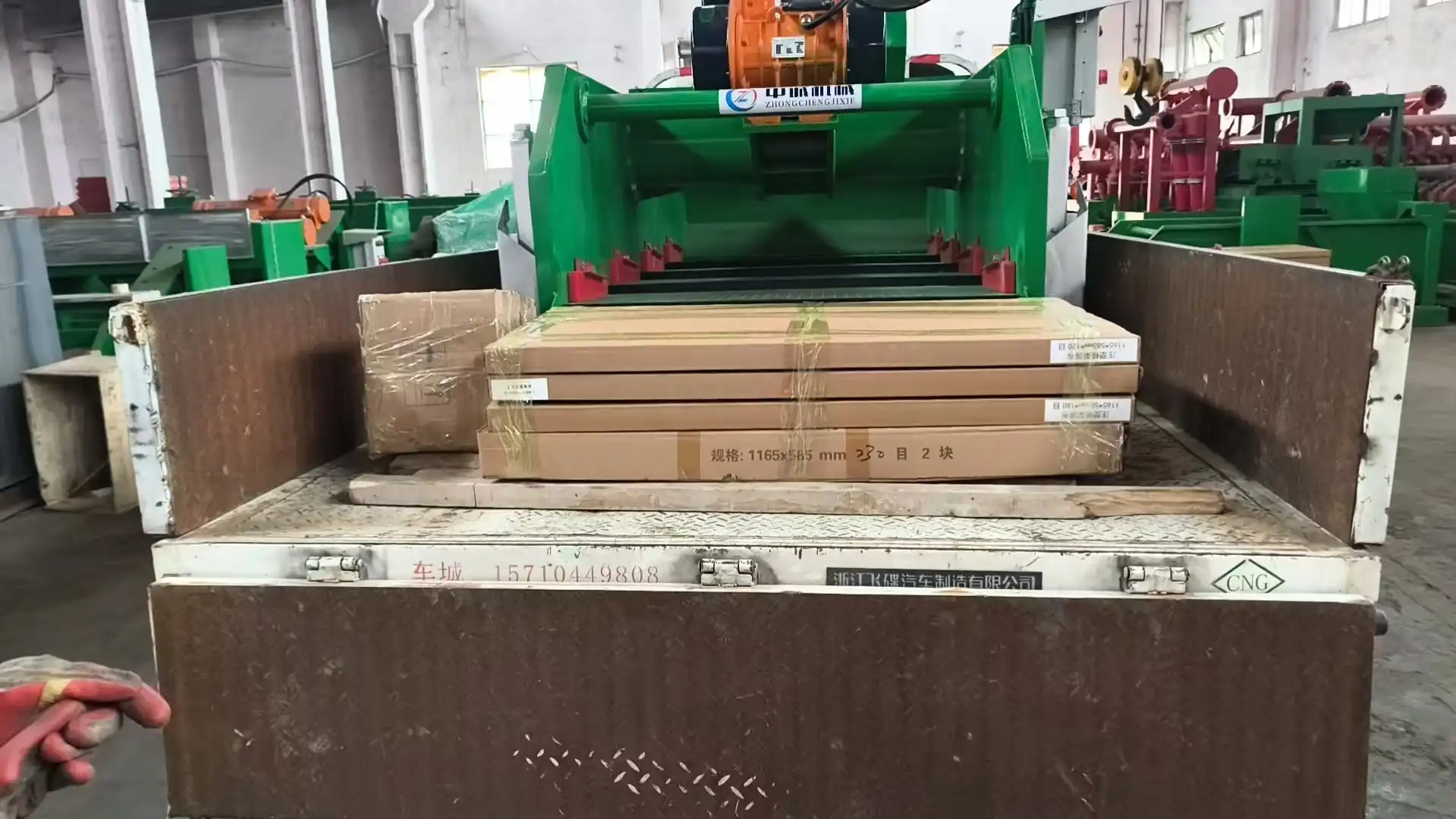
For rigs that are late, the work stops. In-stock items are sent out in three days, and custom orders get there in fifteen days. Because the ports of Tianjin and Shanghai are close by and have strategic logistics partners, goods can be sent all over the world, even to the United States. Write down the Incoterms, the export packaging, the cargo insurance, and the way to make a claim if something gets damaged in transit. Find out how many spare parts are on hand, so you know when to order more in case the screens you need run out in the field.
Pre-Order Checklist
Before you sign, make sure you have these things ready: the model and size of the shaker deck, the mesh count, the type of mud and the flow rate, API RP 13C data, records of the bonding and tension tests, certificates, sample or trial terms, a warranty, lead time, packaging and shipping terms, and a plan for spare parts. At least two of the suppliers you've chosen should be on the same list. Get rid of any options that do not work with your shaker or display test data. Then ask for a test batch or sample, and make sure the specs are written down clearly before production starts.
Conclusion
It's best to look at more than just price when looking for composite shaker screens. The frame material, the number of layers of mesh, the quality of the bonding, and the area with corrugated screens all affect how well a Composite Frame Screen works. The cut point and conductance data from API RP 13C don't show any clear signs of separation. What kind of mud is in the hole, how it's set up, and whether the mesh is for use offshore or onshore can all help you choose the right one. To avoid bypass and downtime, it should be the right size and mesh count for your shaker and have been checked for any kinks. A company can make the same quality of goods over and over again if they pass quality tests, get supplier certificates, and offer technical support. It depends on how long it lasts, how much it weighs, how long it takes to ship, and how much it costs to service. People are less likely to make a mistake when they think about all of these things.
FAQ
What should I check first on a Composite Frame Screen?
Start with data from API RP 13C and fit it with a shaker. To find out your mesh count, make sure the screen fits your shaker model and clamping system. Next, look at the cut point and conductance.
Does a composite frame suit offshore drilling?
Yes. It's helpful to know that composite frames don't rust or break down in harsh drilling conditions, like those that are high in salt or offshore. You can drill with our screens both on land and at sea.
Can I order a custom mesh count and size?
Yes. You can pick your own size and mesh count. It takes about 15 days to send out most custom orders. So that our engineers can help you, let them know what kind of shaker you have, what kind of mud it is, and how fast it flows.
Which standards do your screens follow?
Our screens meet the norms set by API RP 13C and ISO 9001. Our company also has 2019 ISO 14001 and ISO 18001 certificates.
Request a Composite Frame Screen Quote from ZHONGCHENGJIXIE
Direct Composite Frame Screens are made by ZHONGCHENGJIXIE. They offer factory-direct supply, custom mesh count and size, a one-year warranty, and three-day shipping on items that are in stock. Send an email to oliver@zcgukong.com with your shaker model, mud type, and target mesh, and someone from our team will help you pick out a screen. Go to zcsolidscontrol.com right now to see our solids control range and get a quote.
References
1. Drilling Fluids Processing Handbook, ASME Shale Shaker Committee, 2005
2. Petroleum and Natural Gas Industries – Drilling Fluids – Processing Equipment Evaluation (ISO 13501), 2011
3. Composition and Properties of Drilling and Completion Fluids, Darley and Gray, 1988
4. Applied Drilling Engineering, Bourgoyne, Millheim, Chenevert, and Young, 1986
5. Quality Management Systems – Requirements (ISO 9001), 2015
6. Recommended Practice for Field Testing Water-Based Drilling Fluids (API RP 13B-1), 2019