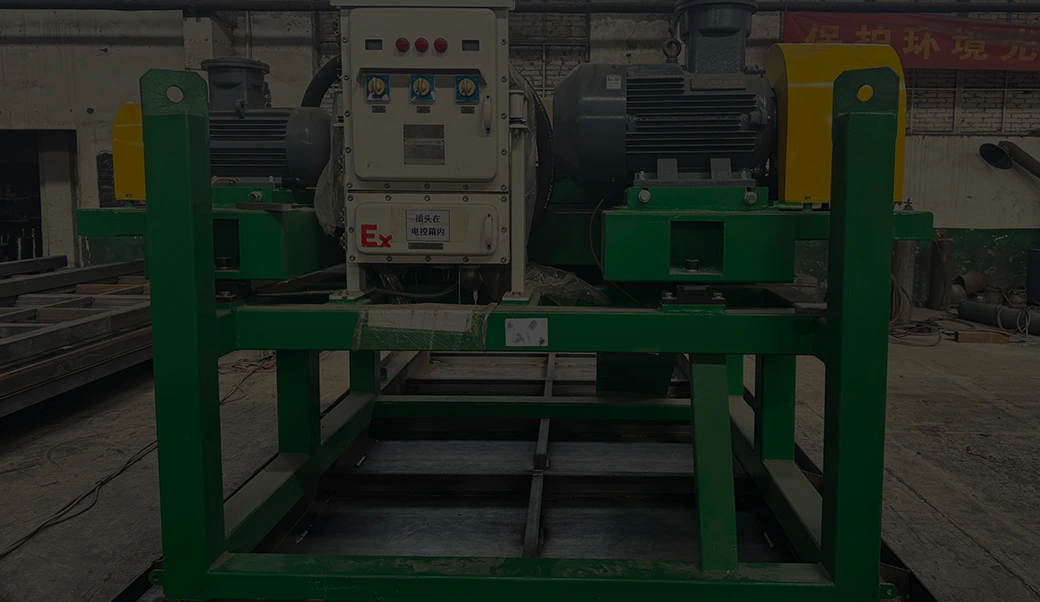
Solids Control Systems deliver measurable value to mining and slurry treatment projects by removing harmful particles from process fluids, recovering drilling mud for reuse, and keeping operations compliant with environmental standards. When properly configured, these systems reduce single-well operating costs by 15%–25%, recycle drilling fluid at rates exceeding 90%, and cut waste slurry discharge by approximately 200–400 m³ per well compared to traditional open-loop methods. For procurement managers, drilling engineers, and project teams evaluating fluid management equipment, understanding exactly what these systems do—and how to choose the right one—directly affects project profitability and site safety.
Understanding Solids Control Systems in Mining and Slurry Treatment
It's helpful to know how these systems work and what each part does for the whole process before you judge any equipment.
What the System Does?
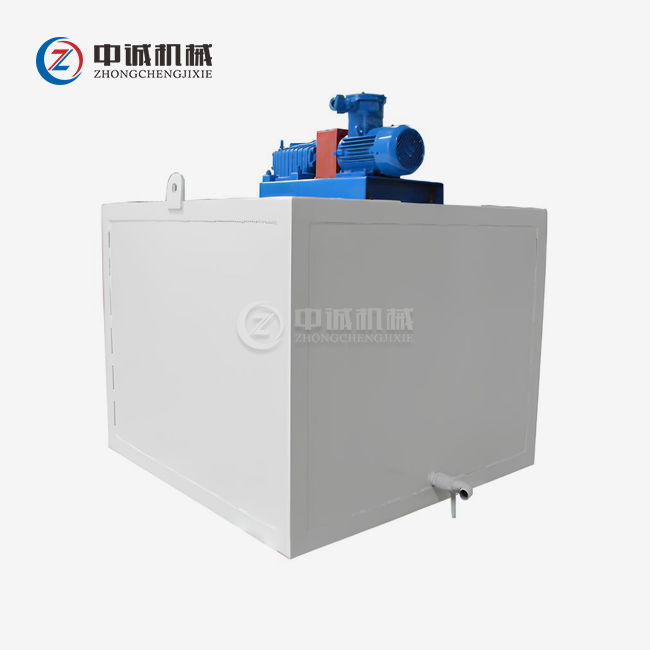
A mud purification device takes out solids like rock chips, sand, silt, and small particles that are trapped in drilling fluid or slurry. This lets the cleaned fluid flow back into the wellbore or trench. This keeps the fluid's density and viscosity within the design range, protects equipment further downstream, and lowers the amount of waste that needs to be thrown away.
Key Components and Their Roles
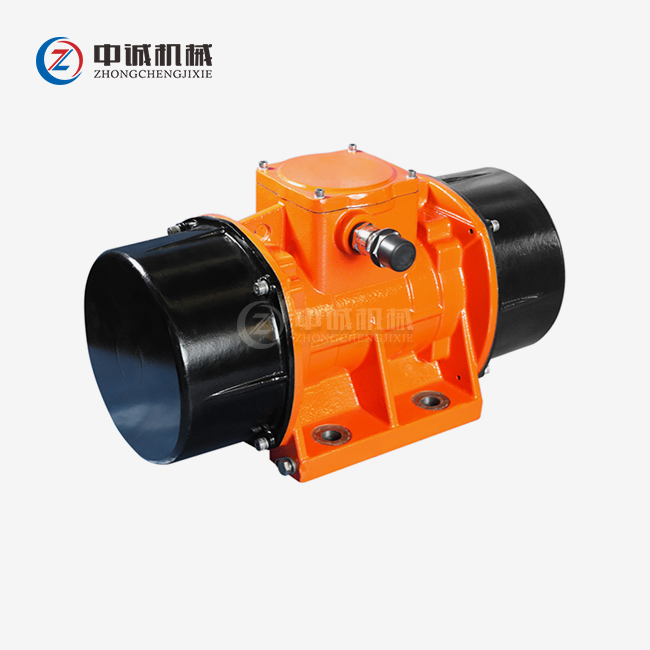
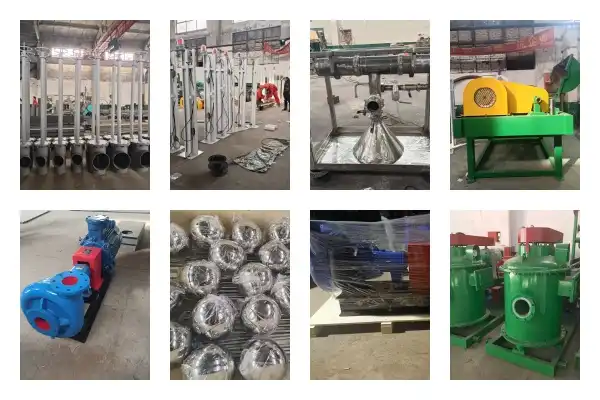
A normal multistage setup has a shale shaker for primary separation, a vacuum degasser for getting rid of gas, a desander for 45–74 micron particles using 8–12-inch cones, a desilter for 15–44 micron particles using 4-inch cones, and a decanter centrifuge for fine solids down to 2–5 microns. Each stage is aimed at a different range of particle sizes, and the whole system works as a single unit, not just one piece of equipment.
How It Applies to Mining and Slurry Projects?
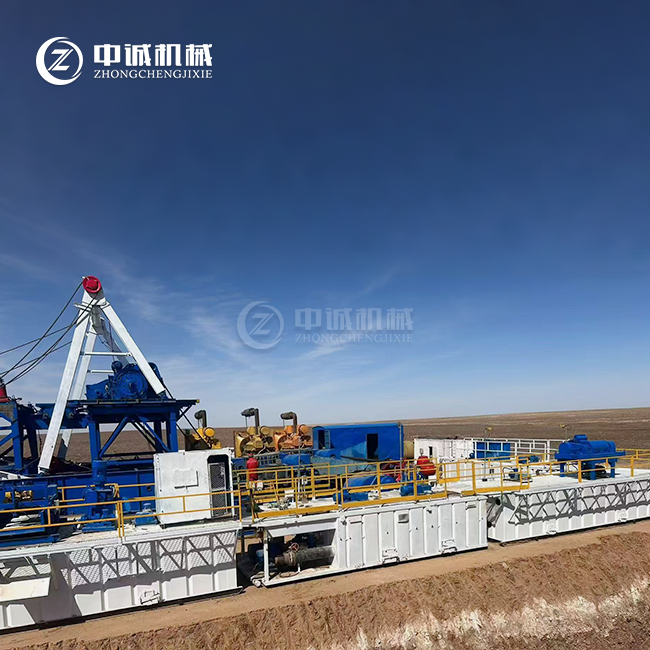
The same separation rules are used in shield tunneling, trenchless HDD, mine research, and geothermal drilling. The ZC series solid control system can be used with ZJ10 through ZJ90 drilling rigs and can handle these tasks by using modular, multi-stage cleaning that can be set up in a variety of ways. Because it is made to prevent corrosion and wear, it can be used in harsh working situations, like deserts or offshore sites.
Core Benefits of Implementing Solids Control Systems in Mining and Slurry Treatment
Good solids handling gives you more than just better mud as a return on your investment. Here are the main practical perks that make people decide to buy things:
- Improved drilling speed: Every 1% reduction in solids content increases drilling speed by approximately 10%, according to industry data. Stabilizing mud viscosity and density prevents drill bit wear and maintains consistent downhole conditions.
- Significant cost reduction: Drilling fluid recycled at over 90% efficiency dramatically lowers new mud preparation costs and waste treatment fees. Projects report single-well savings of 15%–25% in operating costs.
- Reduced downhole risk: Removing abrasive solids lowers the probability of stuck pipe, lost circulation, and wellbore collapse—events that can cost drilling contractors tens of thousands of dollars per incident.
- Environmental compliance: Closed-loop mud circulation reduces waste slurry discharge per well by 200–400 m³ versus traditional open-loop processes, supporting green drilling standards and regulatory requirements across U.S. and international jurisdictions.
Procurement managers, drilling engineers, and operations leaders say that cost overruns, machine wear, downtime, and environmental liability are the four things that bother them the most with Solids Control Systems. When all four are handled by a system that is set up correctly, it is easy to see the business and financial reasons for investing.
Types of Solids Control Systems Suitable for Mining and Slurry Treatment
Not every job needs the same set-up. The right system depends on the amount of slurry, the size distribution of the particles, the need for site mobility, and the budget.
Modular Skid-Mounted Systems
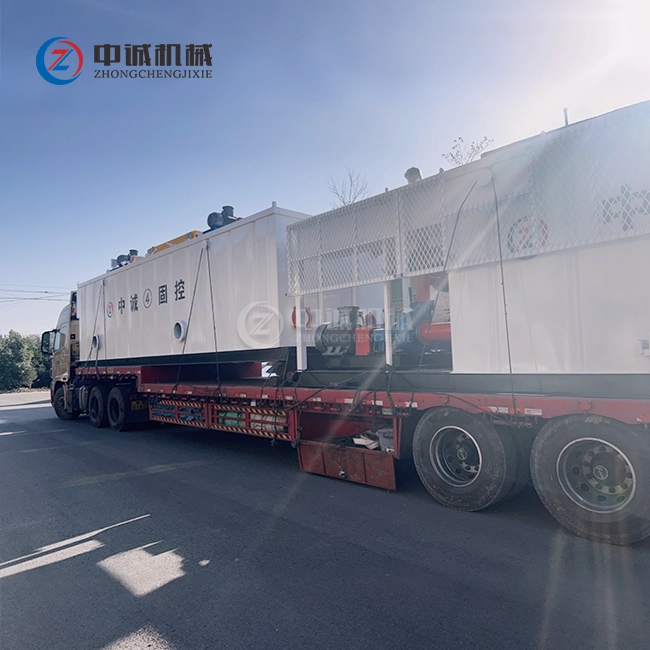
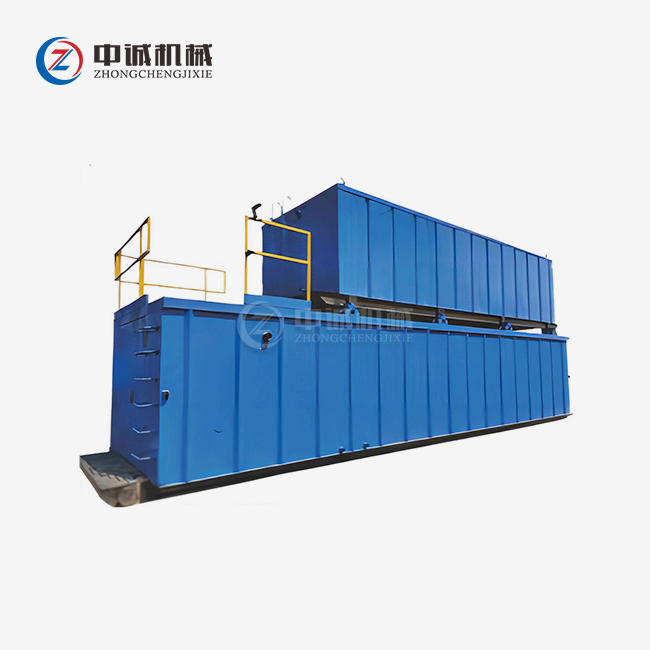
For jobs that need to be moved, skid-mounted designs are the best option. The ZC series has connections that are mounted on skids, which makes them easy to take apart and move. This makes them good for places like the polar regions, the desert, and the ocean, where setup time directly affects project cost. The small layout takes up less floor space without lowering the processing power.
Fixed High-Capacity Installations
For long-term mining operations or big digging projects, fixed systems that can handle more work offer more reliable performance. These systems are made to work all the time, and they can be set up with PLC-based automated control so that the mud density and machine vibration can be tracked in real time.
Portable Systems for Smaller Projects
Small, portable units work well for geothermal drilling, water well drilling, and smaller HDD jobs where access to the site is limited and handling rates are low. These units are designed to be portable and easy to set up quickly, but they still work well for multistage separation.
How to Choose the Right Solids Control System for Your Mining or Slurry Project?
If you choose the wrong system, it will cause ongoing problems that will cost a lot to fix after installation. After reading this, you should think about these things before making a purchase.
Assess Slurry Characteristics First
Which separation steps you need and how much you need them depend on the particle size distribution, fluid density, and solids concentration in your process slurry. For HDD work, a site that processes high-clay bentonite slurry needs different screen configurations than one that mines hard rocks.
Evaluate Performance Specifications
Some important factors of Solids Control Systems are the G-force output (shakers usually go up to 8.0G), the centrifuge bowl speed (3,000G+ for fine separation), the processing flow rate (in GPM or m³/h), and the cut point (D50). Separation results that can be checked are always the same when the equipment meets API RP 13C screen performance guidelines. For dirty or wet places, electrical safety of IP55 or higher is needed.
Consider Total Cost of Ownership
The price you pay is only one part of the equation. The real cost of a project over its lifetime depends on how often it needs to be maintained, how easy it is to get wear parts like centrifuge tungsten carbide tiles, discharge ports, and main bearings, how long it takes to get replacement parts, and how long the guarantee lasts. The ZC series comes with a full 1-year guarantee and is certified by ISO 9001/14001/45001, HSE, TÜV, and BV. This gives buying teams who are evaluating suppliers proof of quality.
Best Practices for Maintaining and Optimizing Solids Control Systems
No matter what the original requirements were, a system that is well taken care of always works better than one that isn't. Maintenance is not a cost; it's a way to save money.
Schedule Inspections Around Operating Hours
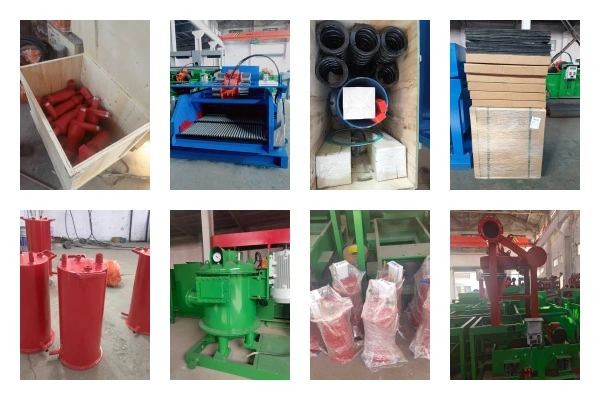
Based on the number of hours they are used and the amount of solids they are loaded with, vibrating screen panels, hydrocyclone liners, and centrifuge wear tiles all break down at known rates. Unplanned downtime can be avoided by planning replacements before they break instead of waiting until they break.
Monitor System Performance Continuously
Modern systems with sensors can keep real-time records of the density of the mud, the rate of flow, and the vibrations of the equipment. Changes from the standard values often show screen blinding, cyclone blockage, or bearing wear before any obvious signs show up. When problems are found early, they can be fixed during set maintenance times.
Train Operators on Daily Checks
Correctly tightening the screens, distributing the feed evenly across the shaker decks, and inspecting the centrifuge bowl are all tasks that operators can do to make the equipment last much longer. Training tools and help with commissioning that are given by the supplier are required by responsible procurement and are not extras that can be chosen.
Conclusion
When mud purification and slurry separation equipment is set up correctly, Solids Control Systems lower drilling costs, protect equipment, help with regulatory compliance, and make the site safer all at the same time. The ZC line meets all of these needs with its flexible design, multiple stages of separation, and long-lasting performance in oil and gas, mining, HDD, and tunneling. When purchasing teams look at the total cost of ownership instead of just the purchase price, they always find that investing in a well-specified system pays off with lower fluid costs, less downtime, and longer machine service lives. One of the most reliable ways to keep costs down on any drilling or excavation project is to use the right tools and keep them in good shape.
FAQ
How do these systems reduce environmental impact?
Closed-loop mud circulation captures and recycles process fluids rather than discharging them as waste. This reduces waste slurry volume per well by 200–400 m³ and enables compliant disposal of hazardous components, meeting EPA and international green drilling standards.
What factors most influence equipment selection?
Slurry particle size distribution, processing volume, site mobility requirements, and electrical classification of the work environment are the primary technical drivers. Supplier certification, spare parts availability, and warranty terms are equally important for long-term operational reliability.
Can these systems handle oil-based mud?
Yes, but oil-based mud applications require high-G drying shakers and vertical cuttings dryers to meet "oil-on-cuttings" environmental discharge limits. Equipment selection must account for the specific fluid chemistry involved.
What are the most common wear items?
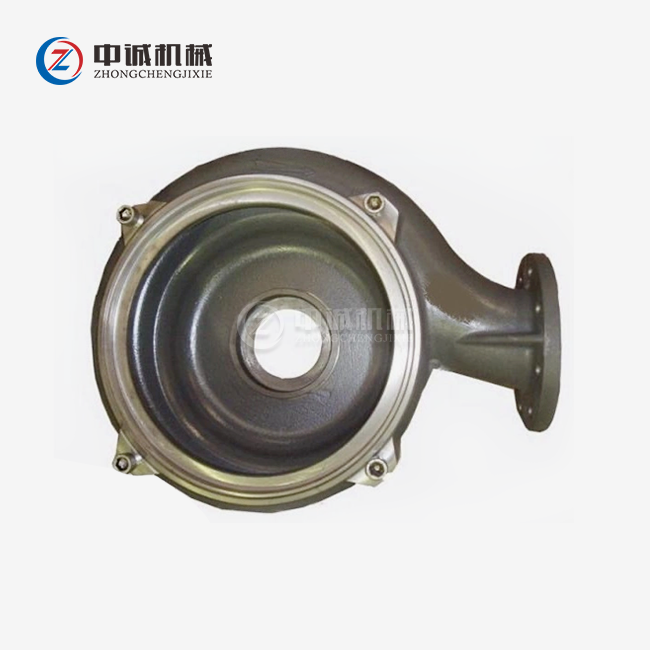
Centrifuge screw conveyor tungsten carbide tiles, solids discharge ports, main bearings, and shaker screen panels require regular inspection and scheduled replacement based on operating hours and solids loading.
How customizable are these systems for specific projects?
The ZC series supports configuration for ZJ10 through ZJ90 drilling rigs, with modular design allowing flexible stage combinations, motor options, and skid dimensions tailored to project requirements.
Partner with ZHONGCHENGJIXIE for Proven Solids Control Systems
ZHONGCHENGJIXIE makes Solids Control Systems supplier-grade equipment that is approved by ISO 9001/14001/45001, TÜV, BV, and HSE. We can help you stay on schedule with your project because we ship in-stock items in three days and custom orders in fifteen. To get a setup review and equipment price, email us at oliver@zcgukong.com or go to zcsolidscontrol.com.
References
1. American Petroleum Institute. API RP 13C: Recommended Practice on Drilling Fluids Processing Systems Evaluation. API Publishing Services, 2010.
2. Bourgoyne, A.T., Millheim, K.K., Chenevert, M.E., & Young, F.S. Applied Drilling Engineering. Society of Petroleum Engineers, 1986.
3. Caenn, R., Darley, H.C.H., & Gray, G.R. Composition and Properties of Drilling and Completion Fluids. Gulf Professional Publishing, 2011.
4. Mitchell, R.F., & Miska, S.Z. Fundamentals of Drilling Engineering. Society of Petroleum Engineers, 2011.
5. United States Environmental Protection Agency. Environmental Regulations and Technology: Drilling Waste Management. EPA Office of Research and Development, 2000.
6. Zhu, H., & Lin, Y. "Solid-Liquid Separation Performance in Drilling Fluid Recycling Systems." Journal of Petroleum Science and Engineering, Vol. 188, 2020.