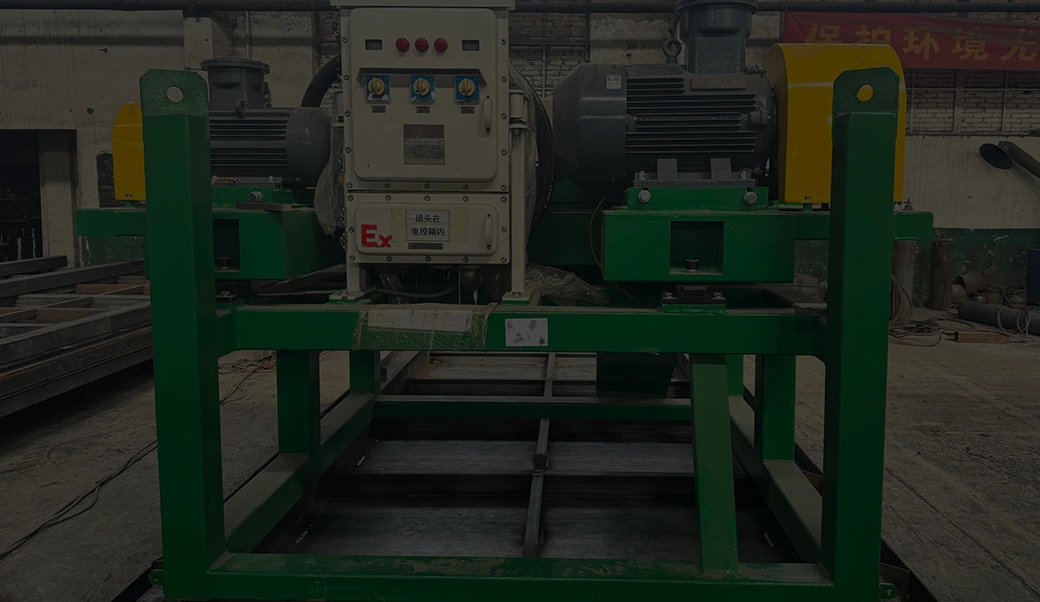
When drilling beyond 3,000 meters, maintaining consistent mud weight and fluid properties becomes one of the most demanding tasks on any rig. A jet mud mixer addresses this directly. By using the Venturi principle to pull dry additives—barite, bentonite, polymers—into a high-velocity fluid stream, it produces uniform, clump-free drilling fluid faster and more reliably than conventional mechanical mixing. For operations ranging from 1,000m to 9,000m depth, this equipment is not a luxury; it is a production necessity that directly affects well control, formation stability, and overall drilling efficiency.
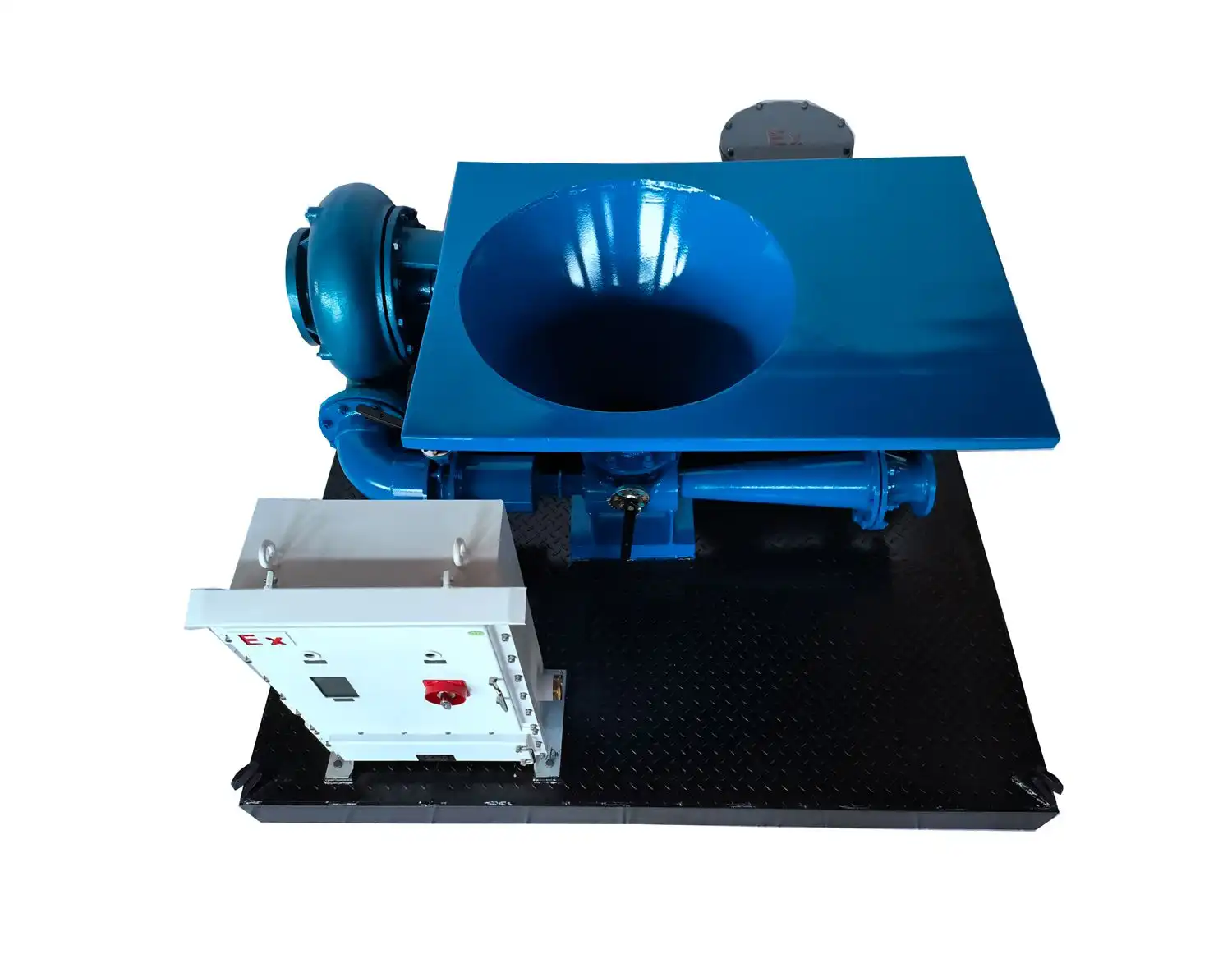
Understanding Jet Mud Mixers and Their Working Principle
A Venturi-style mud mixing unit doesn't have any moving parts inside. That one fact changes everything about how reliable something is in that field.
How the Venturi Effect Drives Mixing
A precision-machined nozzle lets high-pressure fluid from a centrifugal pump flow through it. Because of this, the speed drops, making a vacuum zone at the throat of the hopper that pulls dry materials right into the flow of fluid. This creates strong shear forces that break up agglomerates in milliseconds, making a uniform slurry without the need for mechanical impellers that wear out, get stuck, or need to be replaced often.
Why No-Moving-Parts Design Matters on Site?
Drilling sites are open 24 hours a day, even when it's dusty, shaking, or hot or cold outside. Seals, bearings, and gear joints wear out over time in mechanical mixers. Those failure points are gone with a Venturi-based mixing device. When field maintenance teams switch from paddle-type mixers to jet-type systems, unplanned stoppages happen a lot less. This is in line with API RP 13C guidance on solids control reliability.
Fluid Compatibility Across Drilling Programs
The concept works just as well with synthetic-based systems, oil-based systems, and water-based systems. The optimized ejector flow path in ZHONGCHENGJIXIE's unit makes sure that a lot of material can pass through without getting clogged, no matter if the user is mixing fine polymer powders or coarse weighting agents like barite or hematite.
Benefits of Using Jet Mud Mixers in Deep Well Drilling
As the well depth goes up, the difference in performance between jet-type and mechanical mixing gets bigger. Here are the main benefits that this gadget offers in more detail.
- Uniform fluid density control: The dispensing speed of 60–100 kg/min allows rapid mud weight adjustment in response to pressure kicks or formation changes, keeping equivalent circulating density within the target range without manual batch mixing.
- Elimination of polymer fish-eyes: The high-shear nozzle fully hydrates polymer chains during a single pass, preventing undissolved clumps that can plug bit nozzles or distort viscosity readings.
- Lower energy draw per batch: With motor power rated at 37–55 kW and no mechanical transmission losses, the unit converts electrical input directly into hydraulic shear work, reducing power consumption compared to motorized paddle systems of equivalent throughput.
Because of these benefits of the Jet Mud Mixer, there is less chemical waste, less mud loss, and fewer rig-time hours spent fixing the properties of fluids. All of these things affect the daily running cost of a deep well program. Operators of ZJ50 to ZJ90 rigs say that jet-type mixing systems cut the time it takes to prepare the mud by a measurable amount during casing point changes, when quick weight-up is a must.
Jet Mud Mixer vs Other Mixing Solutions: A B2B Comparison
Jet-type Venturi systems, motorized agitators, and chemical dosing skids are three mixing technologies that procurement engineers often look at. Each is used for a different thing, and those differences are important when choosing tools for a job.
Jet Mixer vs Mechanical Agitator
A mud agitator keeps the mud in suspension in a tank, but it can't add new ingredients to the system itself. It moves fluids around without making the shear energy that is needed to break down weighing materials or wet polymers. A jet mixing system can do both of these things: it takes in dry product and spreads it out evenly all at once. This makes it the right tool for active fluid creation rather than idle maintenance.
Jet Mixer vs Paddle-Type Chemical Mixer
Paddle mixers work well with fluids with a lower viscosity when they are on the surface, but they don't work as well with heavy solids like barite when their densities are above 1.8 g/cm³. Material choice controls nozzle wear in a Venturi system. ZHONGCHENGJIXIE has wear-resistant alloy nozzles for areas with a lot of sand and full SS316 stainless steel versions for areas with a lot of salt or salt spray from the ocean. This gives the jet system more time between service periods in the same rough conditions.
Single-Jet vs Dual-Jet Configuration
The ZHONGCHENGJIXIE's dual-unit design (two hoppers, two pumps) doubles the active mixing capacity without increasing the size of rigs that need higher throughput or redundancy. The hopper and pump set can be mounted on the same skid or linked by pipes to make the most of limited room on the top of the rig's tank. This gives it more freedom in terms of where it can be used than fixed mechanical systems.
Procurement Guide for Jet Mud Mixers in Industrial Applications
To choose the right mud mixing unit, you need to match the unit's specs to the drilling program, not just its catalog number.
Key Selection Criteria
For the Jet Mud Mixer Venturi vacuum to work well, the inlet pressure should stay between 0.25 and 0.4 MPa. Check to see if the centrifugal pump and hopper work together to give the recommended flow at that pressure range. To meet the standards for Zone 1/Zone 2 area classification, for offshore or sour-gas projects, you must define an electrical protection grade of IP55 or higher and explosion-proof motor ratings. The units owned by ZHONGCHENGJIXIE have ISO 9001/14001/45001, HSE, TÜV, and BV certifications, which are enough to meet the requirements of most foreign projects without any extra tests.
Logistics and Delivery Expectations
Units that are in stock are shipped within three days from the factory in Xi'an. Within 15 days, custom configurations are made and shipped, such as layouts with two units on one skid, specific motor names, or stainless steel wetted parts. All units are shipped in safe packaging, including plastic film, rainproof tarps, and steel strapping. Pallets or wooden crates can also be used, depending on the needs of the destination port. ZHONGCHENGJIXIE has logistics partnerships that help buyers from North America and other countries get out of both Tianjin and Shanghai ports.
After-Sales and Spare Parts Support
Each unit comes with a full one-year guarantee. As part of the normal shipping package, ZHONGCHENGJIXIE includes installation instructions, help with commissioning, operation and maintenance guides, and engineering drawings. The company's direct sales outlet offers a long-term supply of extra parts, such as new nozzles, butterfly valves, and hopper liners.
Best Practices for Jet Mud Mixer Maintenance and Longevity
If you keep your mixing unit in good shape, it should work for 1,500 to 2,500 hours before the nozzle stops working as well, but this depends on how rough the material you're using is.
Routine Inspection Checklist
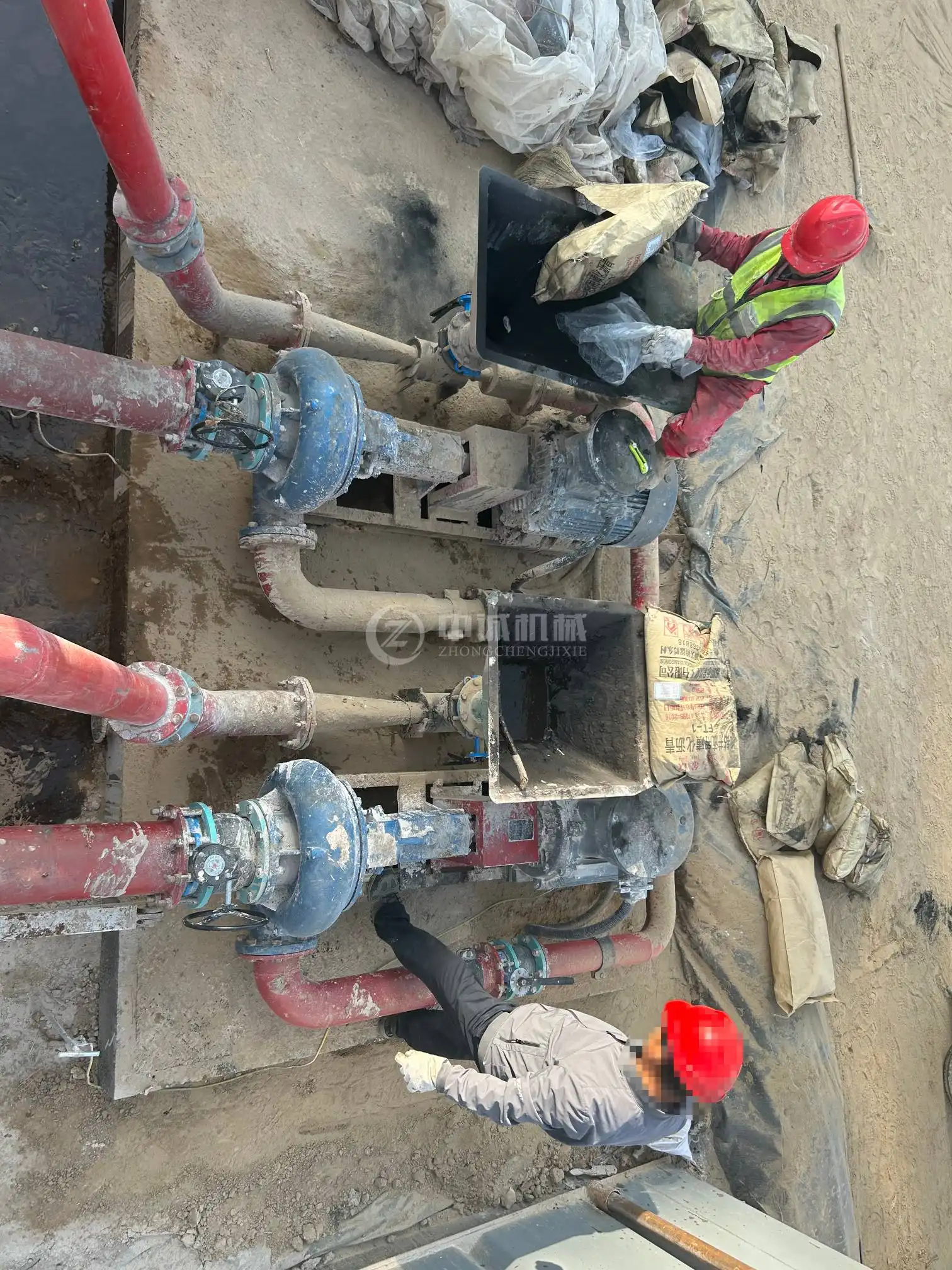
At the start of every shift, check the feed pressure at the pump's outlet. Every week, check the hopper throat and Venturi tip for wear scores. Make sure that the seats on the butterfly valves don't leak—a valve that leaks lowers the pressure and causes doses to be off. After working with polymer powders, flush the hopper with clean water to keep the waste from building up and blocking the feed throat over time.
Preventing the Most Common Failure Mode
Most of the time, the problem is stated to be weak pressure at the hopper. The centrifugal pump usually doesn't deliver the 0.3 MPa inlet pressure that it's supposed to. This could be because the impeller is worn out or there is some blockage in the suction line. Fixing the problem with the hydraulic source brings back the performance without having to change any parts in the mixing unit.
Long-Term Nozzle Management
Keep track of how many hours each tip set has been used in total. When barite is used as a weighting agent, high-chromium metal nozzles work well. When silica sand or iron ore is used as a weighting agent, tungsten carbide plugs last longer. Having one extra set of nozzles on hand removes the chance that production will be held up while the replacements are being made.
Conclusion
When drilling a deep well, the properties of the drilling fluid must be precisely and repeatedly controlled from the top to the bottom of the well. A Jet Mud Mixer based on Venturi gives you that control through a simple, long-lasting mechanism that works better and lasts longer than mechanical alternatives when it comes to reliability and fluid quality. The jet mixing device made by ZHONGCHENGJIXIE can be used in wells that are 1,000 meters to 9,000 meters deep. It can work with both water-based and oil-based systems and comes with full technical documentation and a one-year warranty. This is a specification that drilling companies and procurement teams looking at mud system tools should look over carefully.
FAQ
What drilling fluid types can a jet mud mixer handle?
It is possible for jet-type mixing tools to work with muds that are made of water, oil, or manmade materials. The most important thing is the material of the nozzle.
How does jet mixing reduce operating cost compared to mechanical mixing?
Bearings, seals, and shaft couplings are the only moving parts that need to be replaced. This gets rid of a whole category of maintenance costs. With its 37–55 kW motor range and straight hydraulic shear conversion, the unit uses less power per unit of mixed fluid than motorized paddle systems with the same output.
Can the unit be customized for specific rig configurations?
Yes, ZHONGCHENGJIXIE has single-unit and dual-unit layouts, as well as skid-mounted and pipe-connected options. It also has motors from top brands in China and other countries. Custom sizes and capacities are possible, and non-stock setups have a 15-day production lead time.
What certifications does the equipment carry?
The unit is certified by HSE, TÜV, BV, and ISO 9001/14001/45001. At the very least, the electrical safety grade must meet IP55. There are motor choices that won't explode for both Zone 1 and Zone 2 dangerous areas.
What is the expected service life of the mixing nozzle?
The nozzle has a service life of between 1,500 and 2,500 hours when it is used with normal barite weighing settings. In very rough situations, tungsten carbide plugs make this range bigger.
Get a Direct Quote from ZHONGCHENGJIXIE — Jet Mud Mixer Supplier for Deep Well Projects
ZHONGCHENGJIXIE makes and sells Jet Mud Mixers that are designed to work in real drilling conditions, from onshore programs of 1,000 meters to deep well projects of 9,000 meters. We back up every unit with the support your business needs, like ISO/HSE/TÜV/BV certifications, 3-day in-stock shipping, full technical documents, and a one-year guarantee. Send information about your rig and how deep you need to go to oliver@zcgukong.com or go to zcsolidscontrol.com to get a setup price right away.
References
1. American Petroleum Institute. API RP 13C: Recommended Practice on Drilling Fluids Processing Systems Evaluation. API Publishing Services, 2010.
2. Bourgoyne, A.T., Millheim, K.K., Chenevert, M.E., & Young, F.S. Applied Drilling Engineering. Society of Petroleum Engineers Textbook Series, Vol. 2, 1986.
3. Caenn, R., Darley, H.C.H., & Gray, G.R. Composition and Properties of Drilling and Completion Fluids. 7th ed. Gulf Professional Publishing, 2017.
4. International Association of Drilling Contractors. IADC Drilling Manual. 12th ed. IADC, 2015.
5. Mitchell, R.F., & Miska, S.Z. (Eds.). Fundamentals of Drilling Engineering. Society of Petroleum Engineers, SPE Textbook Series Vol. 12, 2011.
6. Skalle, P. Drilling Fluid Engineering. Bookboon Publishing, 2nd ed., 2014.