Buyers should check seven safety features when sourcing a Diesel Tank: wall construction (single or double), overfill protection, venting and explosion-proof fittings, leak detection, grounding against static electricity, spill containment, and corrosion protection. Diesel is a combustible liquid, so a weak shell, a blocked vent, or a missing alarm can turn a routine refill into a fire or a costly cleanup. Capacity matters, but it never tells the full story. I wrote this guide to help procurement managers, drilling engineers, and project leads compare safety features and request the right documents before they place an order.
At ZHONGCHENGJIXIE, we build solid control systems and fuel storage equipment for drilling sites. The points below reflect the field conditions our customers describe to us. Each section moves from site planning to supplier checks.
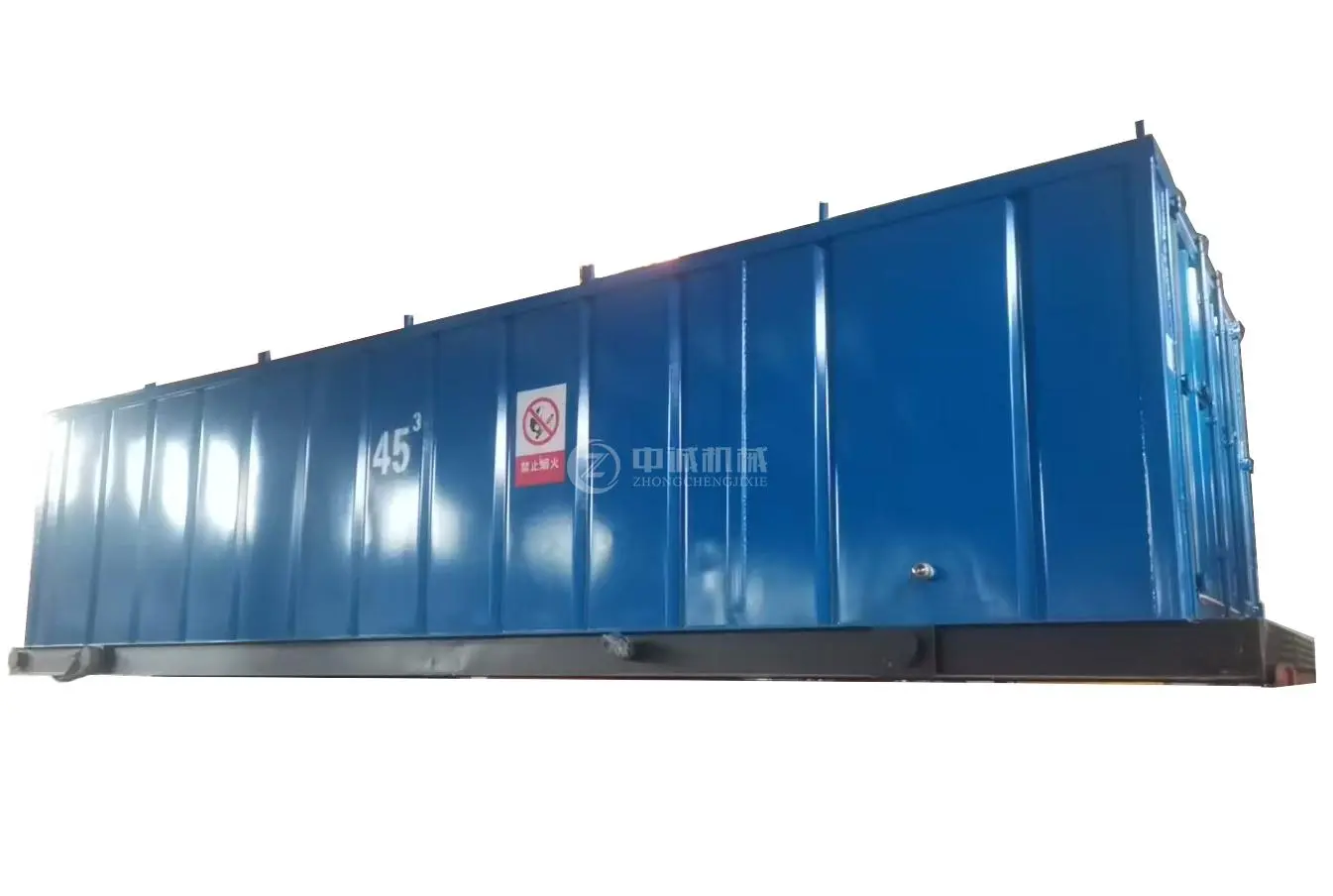
Start with the Application, Capacity, and Installation Environment
Match Capacity to Real Fuel Demand
Size is the first thing that keeps things safe. To get the power you need in an emergency, multiply how much the generator, rig, and light tower are used each day by the amount of time that goes by between refills. If the Diesel Tank is too small, it needs to be filled up more often and faster, which causes spills. Too big a tank means that more space needs to be contained, and there is more fuel sitting there. Also, fuel gets old. Diesel that has been stored for a long time can get water and dirt in it. People who buy the ZC Diesel Tank don't have to settle for a catalog size because the range can be changed from 5 to 100 m³. They can instead adjust the volume to fit either a single generator set or a whole digging camp.
Compare Above-Ground and Underground Installations
To be used, above-ground tanks need a stable base, security against impacts, and extra walls around them. They also clean up better and fix leaks faster. Buried tanks take up less space on the ground, but they have to follow stricter rules. As part of the EPA's 40 CFR Part 280 rules for underground storage tanks in the US, you must protect them from rust and find any leaks. There are also problems with digging, backfilling, and flooding that come up with buried systems. Skids that are above ground are better for temporary places like oil fields, mines, and faraway construction sites because crews can check every weld and fitting without having to dig. Compare more than just the price of the item you want to buy. Look at how much it will cost to do civil work, track it, and take it down.
Consider Mobility, Orientation, and Site Conditions
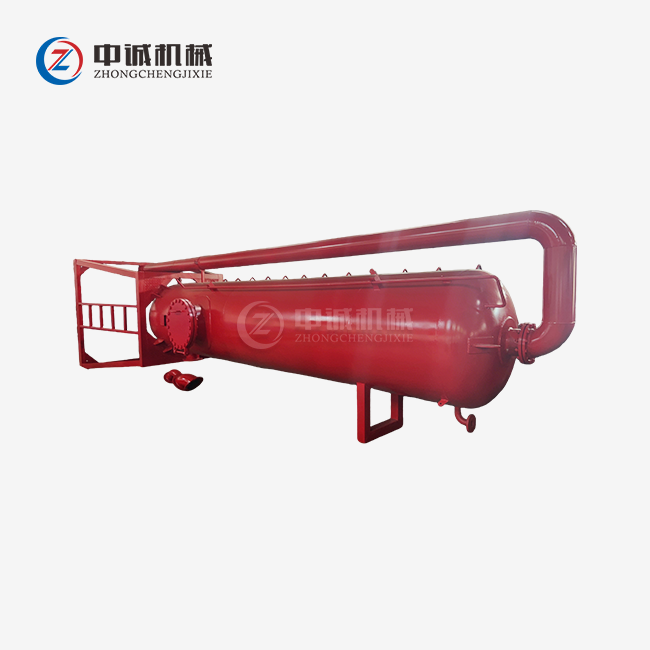
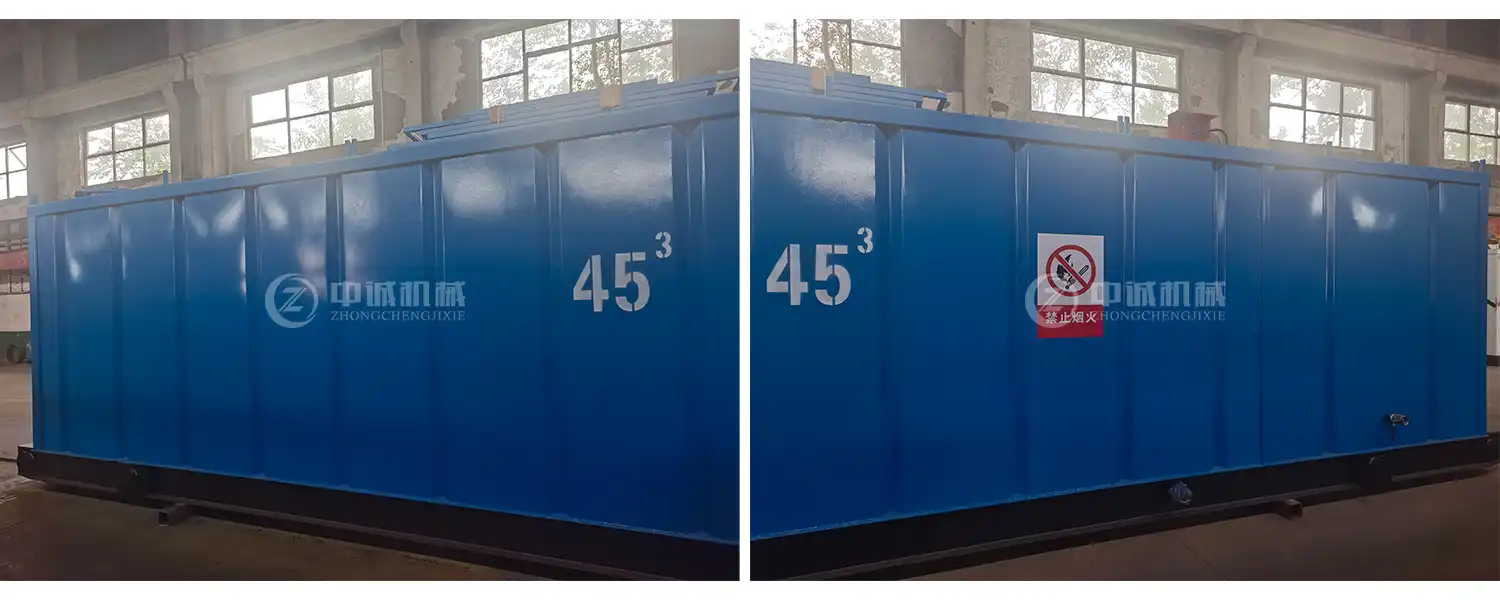
Most of the time, field work moves around. The base, lifting points, and mooring must be able to hold the full weight of the tank without crushing the shell. This is because the project changes. Seals and coatings are stressed by changes in temperature, motion, rain, and dust. Our ZC Diesel Tank is a fuel-holding device that is integrated and can be monitored. It is placed on a skid. The metal doesn't rust, and it's easy to move. Before placing an order, buyers should write down how steep the site is, how easy it is to get to with a truck, and how far it is to the rig, the camp, and the solid control system. These details shape the direction, the support structure, and the design of the platform.
Check the Primary Safety Features of the Diesel Tank
Material and Wall Construction
Steel that is strong and easy to weld together is used to make most industrial fuel Diesel Tanks. Steel and polyethylene work best in places that are lighter or more acidic. You can choose between single-wall and double-wall buildings. Some designs have two walls, one inside and one outside. The outer shell keeps leaks from the inner vessel. This adds another level of safety and gives sensors a place to look for fuel. ZC lets you choose to have a double-wall structure, and the body of the tank is made of a material that doesn't rust or break easily when hit. This stops oil erosion and damage from the outside. From each source, get the steel type, wall thickness, and Mill Test Certificates. These will show you what the shell can do.
Overfill Protection, Venting, and Explosion-Proof Design
You should look for high-level warning, automatic stop, or both to avoid diesel spills. It's also important to let off steam. If an exit is blocked or not big enough, the tank can get squished while it's being filled or drained. When the shell gets hot from a fire, emergency vents let the pressure out. According to NFPA 30, diesel is a Class II dangerous fuel. This means that fire control is still necessary, especially near engines, welding, and electrical equipment. Because the ZC Diesel Tank can't explode, it's great for use in oil fields and mines where drive equipment is close to fuel.
Pumps, Valves, and Dispensing Security
The tank shell isn't everything you need. With separation valves, crews can quickly stop the flow of oil, and screens keep oil out of engines. It's important that diesel doesn't crack or leak at the joints on hoses and pumps. Untrained workers can't start a delivery line because the controls are locked. At remote places that aren't managed and are likely to be broken into or stolen from, this is very important. It is important to make sure that all the parts are diesel-approved and that there is a clear path to walk and an emergency exit. We pay close attention to the places where pipes and fittings connect to the body of our tank to make sure oil doesn't leak out.
Evaluate Leak Detection, Fire Protection, and Environmental Controls
Leak Detection and Intelligent Monitoring
The leak that you can't see costs the most. Extra sensors can be put between the two walls of a double-walled Diesel Tank to measure the level. If the volume drops quickly, a warning can go off. To find out how the system can tell the difference between a real leak and rainwater getting in, read on. Crews learn to ignore warnings when they hear fake alarms in the middle of nowhere. Smart monitoring is one of the best things about the ZC Diesel Tank. It lets operators check on the tank's condition without having to go up on the ship every shift. What kind of tracking is there, how are the alarms sent, and who is in charge of what when they go off?
Fire Protection and Static Electricity Control
In order to avoid static electricity, it is important that the tank, the hose, and the tools used to receive the fuel are all grounded and connected. Static electricity, lightning, and stray currents can cause things to catch fire. The 2003 API Recommended Practice talks about how to keep things from doing this. Keep tanks at least as far away from each other as your fire code says. NFPA 30 says how far apart places can be where flammable or explosive liquids can be kept, and local governments may add to these rules. Put fire extinguishers, warning signs, and a clear way out near the tank. Do not do hot work near the tank. Make sure that any wires that go into the area with fuel go through electrical devices that can't explode. Before the tank comes, not after, talk to your safety officer about all of this.
Spill Containment and Corrosion Protection
The SPCC rule from the EPA can be found in 40 CFR Part 112. Many sites in the US that store more than 1,320 gallons of oil above ground must follow this rule. This area needs a second wall that can hold the biggest container and have extra room in case it rains. Even below that level, dirt and water are safe because they are closed off. Along with it, add drainage controls and spill kits. In terms of rust, you should ask about coatings, surface preparation, and checks on the thickness of the dry film. The ZC Diesel Tank's frame doesn't rust, and its structure is sealed so oil doesn't leak out and pollute the air.
Build an Inspection Plan and Verify Supplier Quality
Factory Tests to Request
Find out what the Diesel Tank is checked for before it leaves the plant. It's helpful to be able to visually or sonically check the weld, do a leak or pressure test, find out how thick the coating is, keep track of materials with mill certificates, and do an interstitial test on double-wall units. Not just a promise in person; ask for the records. If a business has its own design and production team, it can show these records and answer technical questions at the same time. ZHONGCHENGJIXIE follows ISO 9001, ISO 14001, and ISO 45001 standards. Our ZC Diesel Tank has been approved by HSE, TÜV, and BV. Compare each supplier's information to the same list.
Routine Inspection and Fuel Quality
Safety doesn't end when the package gets shipped. Look for rust, dents, leaky fittings, broken lines, blocked vents, liquid standing in the holding area, bad wiring, and signs that are missing every so often as you walk around the tank. It's also important to pay attention to the fuel you use. Things that store water get full of water at the bottom. These bacteria make sludge that blocks filters (ASTM D6469). They grow where the fuel and water meet. Every so often, empty the water and silt out, and write down what you did. Pick one person to keep track of the repair records, handle alarms, and report spills. This is helpful because teams only check what they can reach. It's simple to set up and keep up.
Documents, Certifications, and Customization
It takes less time to get approval when the paperwork is clear. You should ask for scale drawings, flowcharts, certificates of materials, coating specifications, test records, and how to use and maintain the product. Our equipment comes with drawings, flowcharts, manuals, and training for the industry. It also comes with a one-year warranty and standard export packaging. For one-of-a-kind orders, we can change the amount from 5 to 100 m³, the wall height, and the explosion-proof setup. Things that are in stock usually get sent out within three days. On the other hand, special orders usually take fifteen days. The tank we offer works with strong control systems that are already in place. This means that drilling teams only need to plan one scheme for the fuel and mud, not two different ones.
Select the Right Safety Configuration for Your Project
Oilfield and Mining Sites
Mines and drilling sites are open 24 hours a day, seven days a week. They are always hot and cold, dusty, and moving. The Diesel Tank should not be damaged by bumps or oil corrosion, and it should be able to hold enough fuel for the machine to keep going. With its skid base, the large ZC Diesel Tank can be moved with the rig. It stores diesel for oilfield equipment in a stable, continuous way. If you have generators, electrical equipment, and staff camps close to each other, you should choose a building with two walls and a full explosion-proof layout. Putting the tank in the right place in the mud system will keep the fuel lines, walkways, and escape paths open.
Remote Construction and Emergency Power
To do building work in rural places or in case of an emergency, setting up power must be quick, safe, and done without being seen. To keep the generator running, look for fuel tank alarms that go off when the tank is too full, ways to find leaks, and safe ways to connect the tank to the generator. When there aren't many crews, smart tracking and controls that can be locked are more important than when there are staff. As soon as a project phase is over, it's good to be able to move on to the next one. Standard export packing keeps the tank safe on its way to strange places. This will help the seller make sure the tank is the right size. Tell them what kind of generator you have and how much fuel it uses.
Distributors, EPC Contractors, and a Final Checklist
Aside from quality that you can count on, distributors and EPC companies also offer extra parts, clear paperwork, and a maker who can work on more than one project. I believe that the buying, planning, and safety teams should all go through the same list of things to make sure they are all met before any order is accepted. It should include things like the material and wall construction, containment, overfill protection, venting, leak detection, grounding, fire protection, rust control, test records, wait time, guarantee, and support after the sale. When you put the score for each supplier on the same list, you don't have to guess. It also shows where a lower price might hide a feature that is missing.
Conclusion
To choose a safe Diesel Tank, you need to look at storage as a whole, not just at the number that tells you how much it can hold. The conditions of the spot, the amount of fuel needed, and the type of installation determine the base needs. Building walls, overfill protection, venting, and explosion-proof design are the main ways to keep people out. The least amount of damage is caused when you find leaks, ground things, keep fires apart, contain spills, and protect against corrosion. If a provider can do what it says, its plant test records, certificates, and clear paperwork will show it. Once the tank is delivered, it is kept safe by inspecting it regularly and checking the quality of the fuel. There are different setups for oilfields, mines, remote buildings, and emergency power. Teams use a shared checklist to compare suppliers based on the same criteria and whole-life cost, not just price.
FAQ
Is a double-wall tank always necessary?
Not all the time. Site risks, local rules, and space help make the choice. A lot of places that are far away or care about the environment choose double-wall construction because it keeps things inside better.
What should I request before placing an order?
Please ask for layouts, proofs of materials, records of leak and weld tests, finishing specifications, how to use the product, and license copies.
How often should I inspect the tank?
Every so often, drain the water and check the alarms at regular intervals. Different times may be required by law in your area.
What volumes can I order for the ZC Diesel Tank?
There are sizes from 5 m³ to 100 m³, and options for double walls and full explosion-proof.
Does the tank work with my solid control system?
Yes. We can make the sizes of the ZC Diesel Tank fit your layout, and it works with solid control systems that are set up on-site.
Request a Diesel Tank Quote from ZHONGCHENGJIXIE
Are you going to store gas? The company ZHONGCHENGJIXIE has been making straight Diesel Tanks for more than 30 years. They guarantee their products for a year, ship in-stock items in three days, and make special items in fifteen days. Our engineers will send you a specification with drawings and a price quote after you email oliver@zcgukong.com about your needs for capacity, site, and safety. Our gear can also be seen at zcsolidscontrol.com.
References
1. NFPA 30: Flammable and Combustible Liquids Code, 2024
2. Code of Federal Regulations Title 40 Part 112: Oil Pollution Prevention, 2023
3. Code of Federal Regulations Title 40 Part 280: Technical Standards and Corrective Action Requirements for Owners and Operators of Underground Storage Tanks, 2015
4. API Recommended Practice 2003: Protection Against Ignitions Arising Out of Static, Lightning, and Stray Currents, 2015
5. ASTM D975: Standard Specification for Diesel Fuel, 2023
6. ASTM D6469: Standard Guide for Microbial Contamination in Fuels and Fuel Systems, 2022