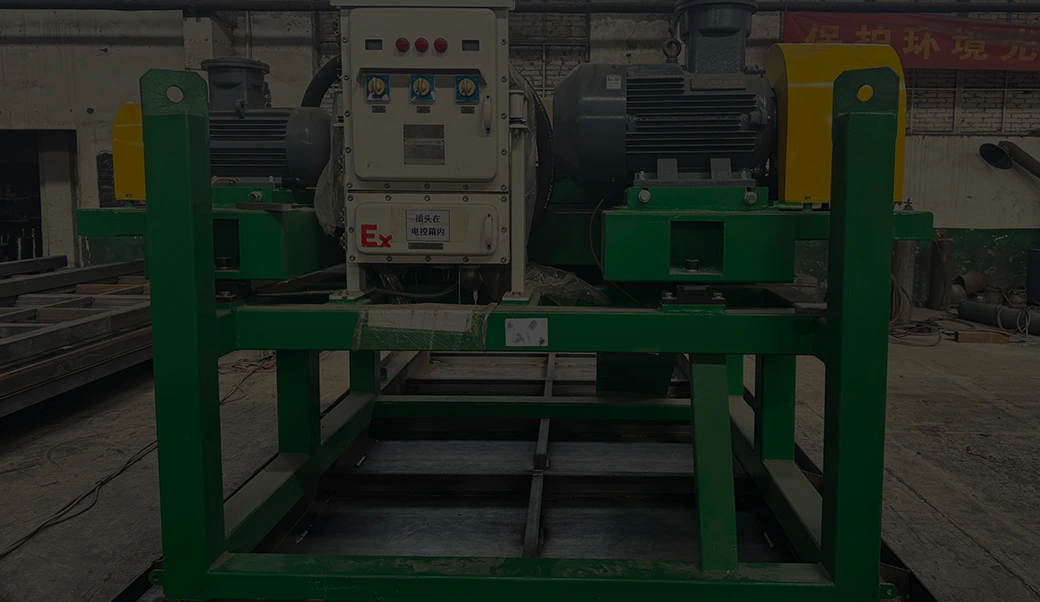
For high-volume drilling operations, a cuttings box should generally hold between 2.7 m³ and 3.0 m³ with a Maximum Gross Weight (MGW) rating of up to 10,000 kg. This capacity range balances collection efficiency with safe handling during crane lifts and transport cycles. The right drilling waste container keeps your rig running without constant changeovers, protects the surrounding environment from contamination, and satisfies regulatory requirements across both offshore platforms and demanding onshore sites.
Understanding Cuttings Boxes and Their Role in Drilling Operations
A drill cuttings container is a heavy-duty, covered box that collects solids that come out of shale shakers and other equipment that controls solids further down the line. It holds shavings, leftover drilling fluid, and small particles until the material can be moved safely to be treated or thrown away.
What Makes the Design Critical?
The life depends on the building material. Crane lifts and oil- and synthetic-based muds can damage units made of S235JR or S355J2 carbon steel, but these units can handle the mechanical stress of multiple lifts. A protection system that meets ISO 12944 C5-M standards for anti-corrosion makes things last longer in salty oceans, usually between 8 and 12 years, as long as they are inspected regularly.
Sealing and Environmental Protection
Vapor-tight lids with oil-resistant nitrile or neoprene covers stop fluid leaks and the release of volatile organic compounds (VOCs). This protected design is the scientific basis of Zero Discharge operations, which are now required by MARPOL rules for work done at sea. Tight binding makes cleaning easier, stops mud loss, and keeps the work area safe.
Compatibility With Solid Control Systems
If you get the right size drilling waste box, it fits right into the end of a solid control system that has shale shakers, desanders, desilters, and centrifuges. When the volume of the container matches the rate at which your rig makes solids, the circulation loop keeps going without stopping. When capacities don't match, changeovers have to happen too soon, which slows down drills and raises the cost of labor.
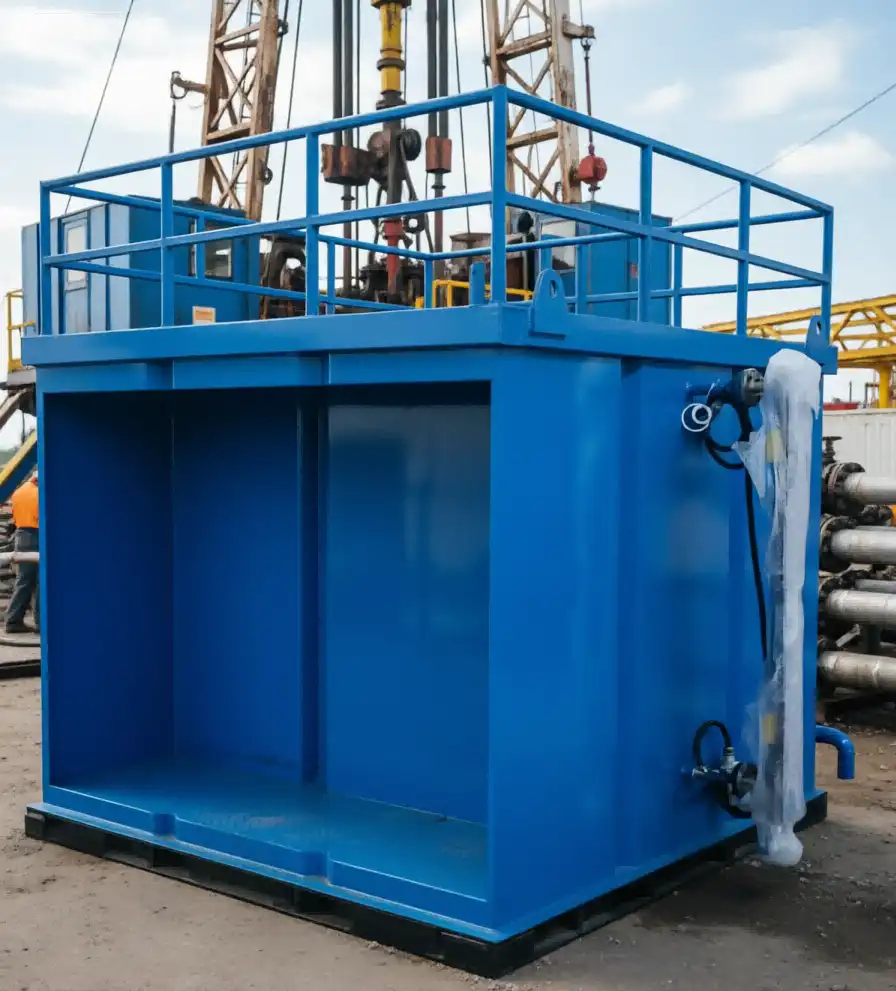
Key Factors Determining the Ideal Cuttings Box Capacity for High-Volume Operations
Picking the right size isn't a simple one-factor choice. The answer depends on a number of practical and site-specific factors.
Drilling Rate and Waste Generation
How much solid material your system makes in an hour is directly related to the rate of penetration (ROP) and the width of the opening. A 12¼-inch section drilled at 30 m/h makes a lot more cuttings than a 6-inch section drilled at 10 m/h. Both undersizing and oversizing can be avoided by using the annular volume formula to get an accurate estimate of the volume.
Site Layout and Handling Mode
There isn't much deck space on an offshore platform. Stackable Cuttings Box units (usually three high when empty and two high when full) take up less space while keeping output the same. Forklift spaces for moving things around the yard and four-point approved lifting lugs for moving a crane give site teams options without the need for extra rigging gear.
Regulatory and Environmental Constraints
Compliance with environmental laws is a filter used for purchasing, not an accident. Cuttings storage boxes that are used in areas that are important for the environment must pass hydraulic leak tests and have official paperwork. All structural welds must go through non-destructive testing (NDT) and proof load testing at 2.5 times the MGW as part of quality control under DNV 2.7-1, EN 12079, or ISO 10855. By meeting these standards during the buying process, you can avoid costly rejects in the field.
Comparative Analysis: Capacity Options and Their Suitability
There are different types of volume on the market, and each one fits a different type of business. Knowing the pros and cons cuts down on the time it takes to buy things and keeps tools from being mismatched.
Here are the main levels of capacity and what they are usually used for:
- Small units (1.0–1.5 m³): Suited for geological survey and light onshore exploration where waste volumes are low, and site access is restricted. Lower MGW ratings simplify transport, but frequent swap-outs interrupt workflow on active rigs.
- Mid-range units (2.0–2.5 m³): A practical choice for ZJ40 and ZJ50 class rigs operating in standard onshore conditions. They balance collection frequency with manageable lift weights during crane operations.
- Full-capacity units (2.7–3.0 m³, MGW 10,000 kg): The industry benchmark for high-volume offshore and large onshore operations. These units reduce changeover frequency, lower crane lift counts per shift, and align with MARPOL-compliant Zero Discharge workflows.
Which of these levels you choose depends on the type of rig you have, how much drilling you do each day, and how much your solid control system can handle. When making a lot of weighted mud cuttings, a ZJ70 or ZJ90 rig always chooses the 2.7–3.0 m³ range to avoid getting stuck.
Once the capacity and output of the rig have been matched, the next thing to think about is qualifying the suppliers. When the units come, they should have full mill test certificates (MTC) for each steel plate, certified lifting slings, and written plans for when to change the gaskets.
Optimizing Cuttings Box Capacity to Maximize ROI and Safety
Getting the right-sized unit is only half the battle. The real return on investment depends on how well you take care of that equipment over its useful life.
Inspection and Gasket Maintenance
After every trip, the gaskets of the Cuttings Box should be checked and changed every 12 to 18 months in normal conditions, or sooner if the unit deals with muds that are high in odor oils. When seals break, fluids leak out, which pollutes the deck, leads to regulatory violations, and raises the cost of using mud.
Coating and Structural Checks
Measurements of Dry Film Thickness (DFT) and pull-off sticking tests show that the anti-corrosion layer is still in good shape. By scheduling these checks during rig maintenance windows instead of waiting until corrosion is obvious, structural damage that shortens the life of equipment is avoided.
Operational Protocols That Protect Capacity Utilization
Overfilling beyond the maximum MGW is a common mistake that puts stress on the lifting lugs and increases the chance that loads will fall. Clear markings on the fill level, the use of weight indicators, and crew training all help keep use within the certified safe working load. These simple rules lower the chance of an accident and make the unit's structure certification last longer.
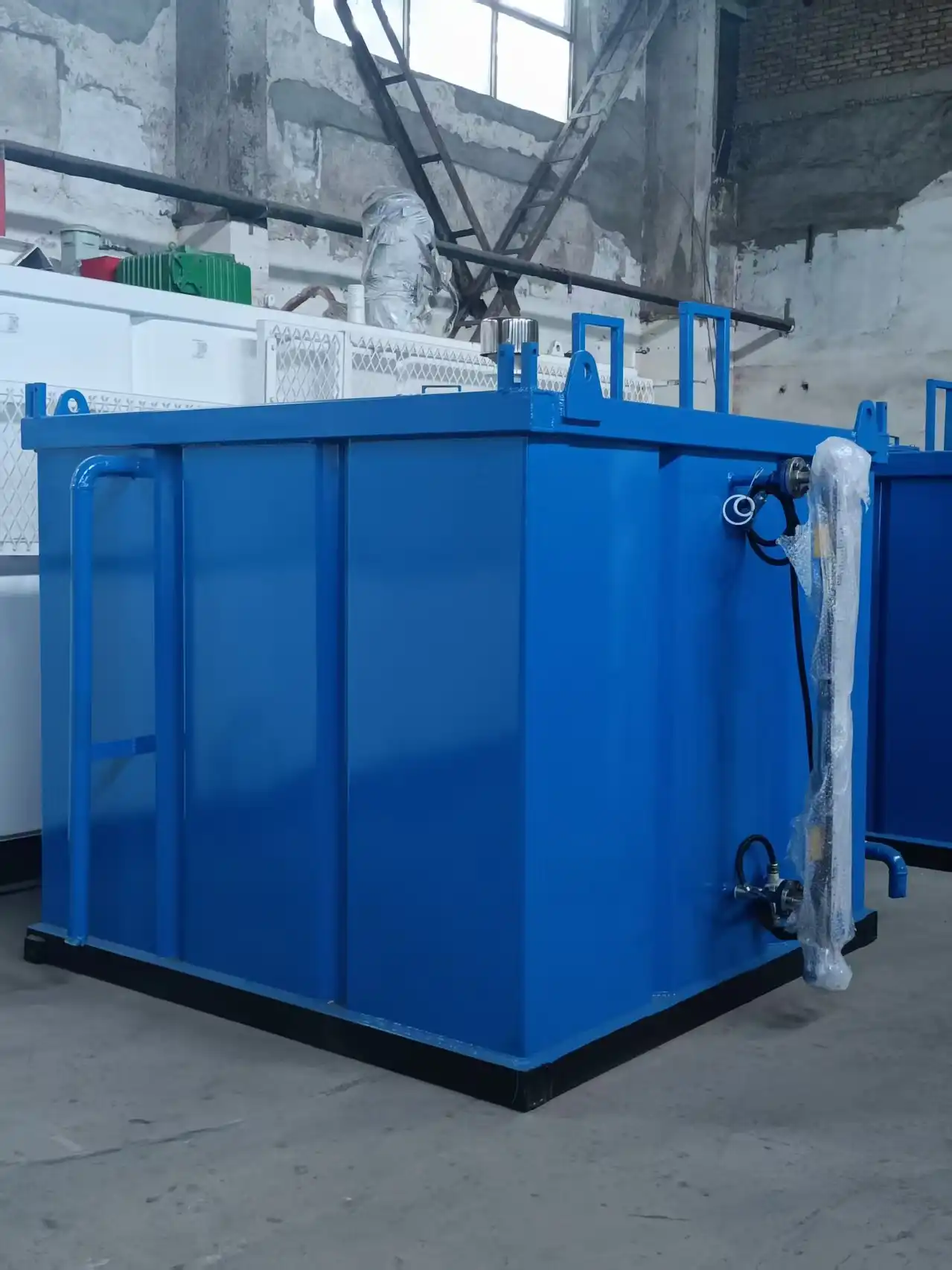
Procurement Guide: How to Select and Purchase the Right Capacity Cuttings Box
A structured process for buying things keeps the budget safe and makes sure the equipment works right from the start.
Figure out how many cuts you need per shift before you ask for quotes. Tell your supplier the type of rig, the diameter of the hole, the expected ROP, and the type of drilling fluid so that they can make sure they are sending the right unit. The volume capacity, steel grade, finish standard, MGW rating, lift lug certification, and seal type are some of the most important criteria used for evaluation.
Check the level of approval of providers. There is a lot of discipline in manufacturing, as shown by the ISO 9001 quality management, ISO 14001 environmental management, and ISO 45001 occupational health certifications. Third-party approvals from HSE, TÜV, and BV give buying teams an extra level of proof that they can give to project owners.
Find out about wait times and how to plan for stocking. For projects that need to move quickly, suppliers who keep stock are needed. For long-term contracts, make sure that spare gaskets, locking hardware, and certified sling replacements can be sent out right away.
Conclusion
One of the smartest things a buying team can do on a large project is make sure that the Cuttings Box capacity matches the real drilling output. The 2.7–3.0 m³ range with a 10,000 kg MGW grade works for most large-scale activities, both offshore and onshore, as long as the unit meets the standards for structure, sealing, and certification. Scheduled upkeep, the right way to fill, and a relationship with a skilled provider will protect that investment for the whole lifetime of the equipment.
FAQ
How do I calculate the right cuttings box volume for my rig?
Find the annular volume per meter drilled by multiplying the average rate of entry by the number of hours you want to receive data every hour. This gets you the least amount of volume per switch cycle. Always add a 15–20% buffer to account for the fact that the cuts may still have some fluid in them.
How often should the lid gaskets be replaced?
After each lifting exercise, check the seals. Under normal conditions, you should replace them every 12 to 18 months. Based on the state of the gaskets you see, shorten that interval if your business uses high-aromatic oil-based muds.
Can these units handle both offshore and onshore environments?
Yes, units certified under DNV 2.7-1 or EN 12079 and built to ISO 12944 C5-M coating standards can work in salty conditions at sea. The same unit can be used on high-quality onshore sites without any changes.
What certifications should I require from a supplier?
For manufacturing, ask for ISO 9001, ISO 14001, and ISO 45001 certifications. For deployments at sea, you need unit certification from DNV 2.7-1 or EN 12079, records of hydrostatic tests, and MTC paperwork for steel materials.
What is the typical service life of a drill cuttings container?
A well-built unit can usually work in offshore settings for 8 to 12 years with regular NDT checks and proper maintenance of the C5-M coating.
Get the Right Cuttings Box From ZHONGCHENGJIXIE — Request a Quote Today
ZHONGCHENGJIXIE makes a full line of sealed drilling waste bins that are made for large-scale activities. Our Cuttings Box units are fully compliant with ISO 9001/14001/45001, HSE, TÜV, and BV standards and have marine-grade sealed structures, certified four-point lifting lugs, and two handling modes. We are a straight manufacturer with more than 30 years of experience making things. We can send stocked units in 3 days and custom setups in 15 days. To get a quote from a reliable Cuttings Box maker, email us at oliver@zcgukong.com or go to zcsolidscontrol.com.
References
1. DNV GL. DNV 2.7-1: Offshore Containers. Det Norske Veritas, 2013.
2. International Organization for Standardization. ISO 10855: Offshore Containers and Associated Lifting Sets. ISO, 2018.
3. International Organization for Standardization. ISO 12944: Paints and Varnishes — Corrosion Protection of Steel Structures by Protective Paint Systems. ISO, 2018.
4. International Maritime Organization. MARPOL Annex V: Prevention of Pollution by Garbage from Ships. IMO, 2013.
5. European Committee for Standardization. EN 12079: Offshore Containers and Associated Lifting Sets — Design, Manufacture and Marking. CEN, 2006.
6. Society of Petroleum Engineers. SPE-184656-MS: Drilling Waste Management Practices and Regulatory Compliance in Offshore Operations. SPE, 2017.