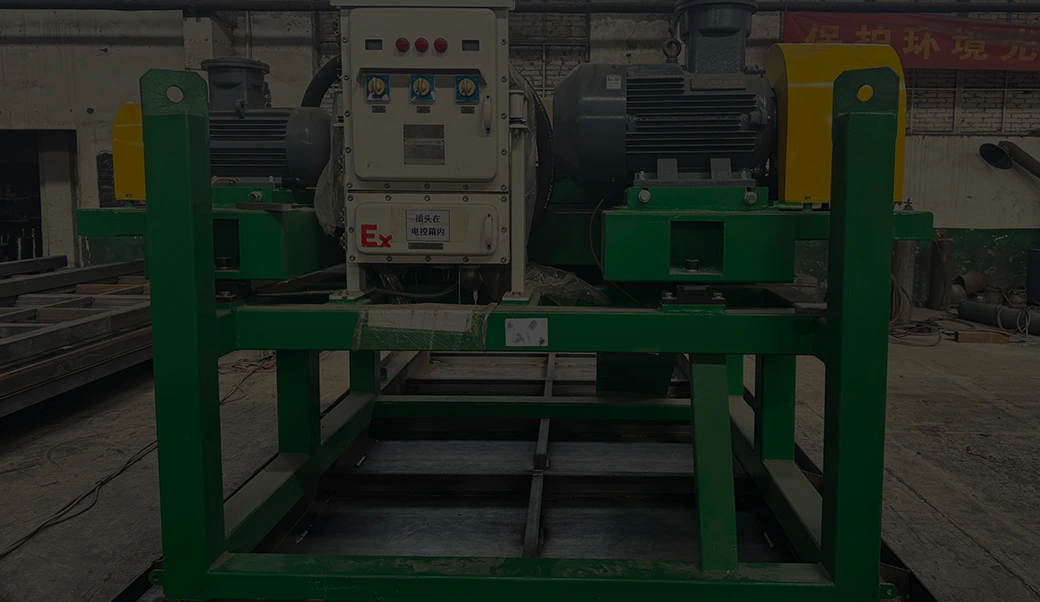
Solids Control Systems are mechanical separation systems designed to remove drilled solids from drilling fluid during continuous mud processing. When abrasive rock cuttings, sand particles, and fine silt remain in circulation, they grind against pump liners, impeller blades, and pipe walls — accelerating wear and increasing maintenance frequency. By deploying a properly configured solids control system, drilling contractors can protect downstream equipment, stabilize mud properties, and extend the operational life of critical components. This directly translates into lower single-well costs and fewer unplanned shutdowns across oil and gas, HDD, geothermal, and construction applications.
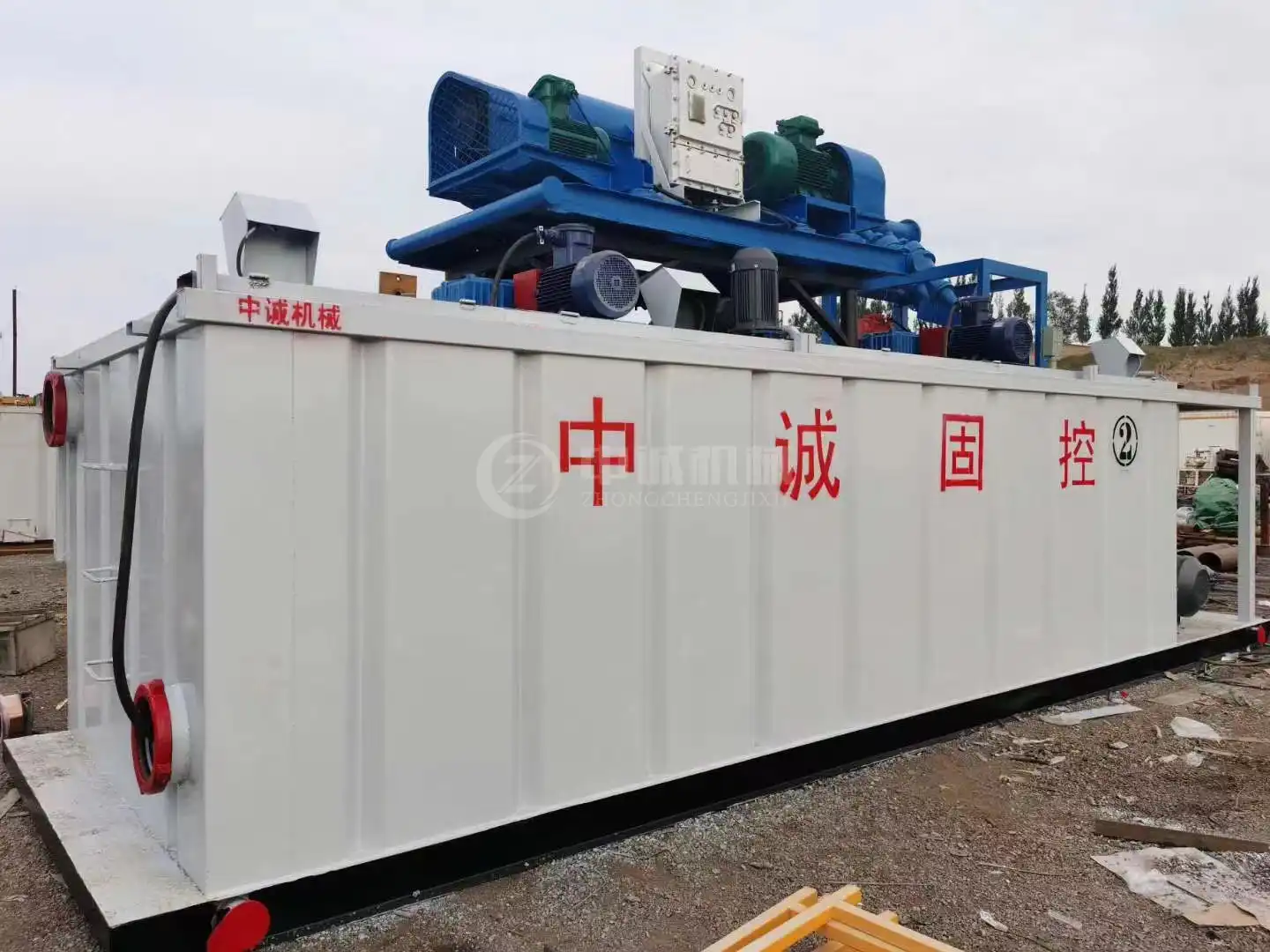
Understanding Solids Control Systems and Their Role in Mud Processing
A method for managing drilling fluid is only useful if it can keep the fluid clean. As soon as dirty mud gets back into circulation without being cleaned, it starts to break down everything it touches faster than planned.
What These Systems Actually Do
Before the drilling fluid goes back to the active pit to be used again, solids control systems filter out any unwanted bits. The process protects the viscosity, density, and gel strength of the fluid, which has a direct impact on how well the mud keeps the drill string moving and brings cuttings to the surface.
Core Components and Their Functions
A typical multi-stage system has these parts:
- Shale shaker — the main stage of separation. It uses rotating screens set to API RP 13C standards to screen particles down to about 74 microns.
- Vacuum degasser — gets rid of gas bubbles that get mixed in with the mud and make it less dense, which can cause the well to lose control. This is the safety stage of the system.
- Desander and desilter (hydrocyclones) — desanders use 8–12-inch cones to target 45–74 micron particles, and desilters use 4-inch cones to catch particles between 15 and 44 microns.
- Decanter centrifuge — can get rid of solids that are as small as 2 to 5 microns, which hydrocyclones can't.
- Mud cleaner — pairs a hydrocyclone bank with a fine-mesh shaker screen. It works well in systems that use weighted mud.
These parts work one after the other. Fine abrasives can't get to pumps and drill bits because each particle size range is taken out at the right time.
Why Continuous Processing Makes Wear Worse
During 24-hour drilling activities, dirty mud goes through the machine over and over again. Each pass that doesn't get rid of enough solids makes the wear and tear on pump seals, rotary sand pumps, and agitator impellers worse. A study in the Journal of Petroleum Technology shows that keeping the solids content below 4% by volume does, in fact, make pump lining wear rates much lower.
Key Causes of Equipment Wear in Mud Processing and How Solids Control Systems Address Them
Wear in mud processing is not random; it happens in patterns that can be predicted based on the number of particles, the roughness of those particles, and the speed of the fluid. When you know these trends, it's easy to see why you should spend money on good solids removal.
Abrasive Solids and Pump Liner Degradation
Cuttings of rock, especially those that come from hard rocks, have a Mohs hardness of 6 to 7. These particles wear down sealing surfaces and make clearances bigger when they go through centrifugal pumps and triplex pump liners over and over again. According to data from the field, each 1% drop in solids content speeds up drilling by about 10%. The same reasoning applies to how long equipment lasts.
Fluid Contamination and Viscosity Instability
Fine drill solids that get through coarse screens contaminate the base fluid, which makes the plastic viscosity and yield point higher than what was intended. When mud is too heavy, it raises the hydraulic pressure on pump parts and lines, which breaks seals too soon. A decanter centrifuge with a separation force of 3,000G+ can effectively get rid of colloidal solids that a shaker screen can't catch, bringing the fluid back to its original state.
The Cost of Inadequate Separation
Businesses that don't use or don't put enough money into multi-stage separation will have to pay more in the long run. Data from the industry shows that when mud recycling rates drop below 85%, the costs of running a single well go up by 15–25%. Replacing pump liners, bit wear, and getting a pipe stuck all cost a lot of money each day, but good mud handling can avoid all of these problems.
Types of Solids Control Systems and Their Impact on Equipment Longevity
The setup needs of each program are different. Picking the right kind of tools for the job is the easiest way to cut down on wear and loss while keeping costs low.
Shale Shakers and Mud Cleaners for Primary Separation
High-G shale shakers that can accelerate up to 8G do a rough job of primary screening. A mud cleaner, which is made up of a desilter cone bank on top of a fine shaker screen, can get back expensive weighting material while getting rid of dangerous solids in weighted mud systems where barite recovery is important.
Centrifuges for Fine Solids and Weighted Mud Recovery
This setup comes standard on ZJ50 and bigger rigs. In a mud system, decanter centrifuges are the best way to separate things. Their tungsten carbide-tipped scroll conveyors can do rough work all the time. The main upkeep task is to check the scroll tiles, main bearings, and solids release ports on a regular basis. Before the bowl is shipped, dynamic balancing tests are done on it to stop high-speed vibrations that would otherwise greatly reduce the life of the bearings.
ZC Series Systems from ZHONGCHENGJIXIE
The solids control systems from ZHONGCHENGJIXIE are part of the ZC line and are designed to work with oil drilling rigs from ZJ10 to ZJ90. The multi-stage purification design of the system includes shale shakers, degassers, desanders, desilters, centrifuges, agitators, jet mixing devices, and mud tanks set up in a modular way on a skid. Some of the best things about this setup are listed below:
- Modular, multi-stage purification lets you mix and match different stages based on the size of the rig and the type of rock being worked, which saves money that would otherwise be wasted.
- The small footprint of the compact skid-mounted layout plan on the drill pad and the ease of moving it quickly make it essential for polar, desert, and offshore platform deployments.
- Anti-corrosion, wear-resistant construction and electricity safety rated at least IP55 make sure stable performance in places that are dusty, humid, and exposed to H2S.
- Compared to standard open-loop processes, a mud recycling rate of over 90% cuts the amount of leftover slurry that comes out of each well by 200 to 400 m³.
These traits directly address the risks of wear and downtime that procurement managers and rig operations teams face during long drilling campaigns. The ZC series has been used for trenchless HDD, shield tunneling, geothermal drilling, oil and gas exploration, and building water wells.
Best Practices for Solids Control System Maintenance to Maximize Equipment Life
To start, you need to buy the right tools. If you maintain that equipment properly, it will last as long as it's supposed to.
Scheduled Inspection Protocols
At least once a shift, the screens on a shale shaker should be checked for tears, dark spots, or frame damage. When the centrifuge is running all the time, the main bearings and scroll rollers need to be checked once a week. Every month, you should check the hydrocyclone apex valves and manifold connections for erosion. During planned maintenance windows, all pipe connections and pump seals should be tested for hydrostatic pressure at 1.5 times the operating pressure.
Operator Training and Monitoring
The most common maintenance mistakes that speed up wear are wrongly setting the speed of the spinning bowl and the angle of the shaking deck. Operators who are trained in API RP 13C screen selection criteria and digital accelerometers for G-force verification find configuration mistakes before they do any damage. If PLC-based monitoring is available, it gives real-time information on mud density and vibrations that show problems before they happen.
Factory Acceptance Testing Before Deployment
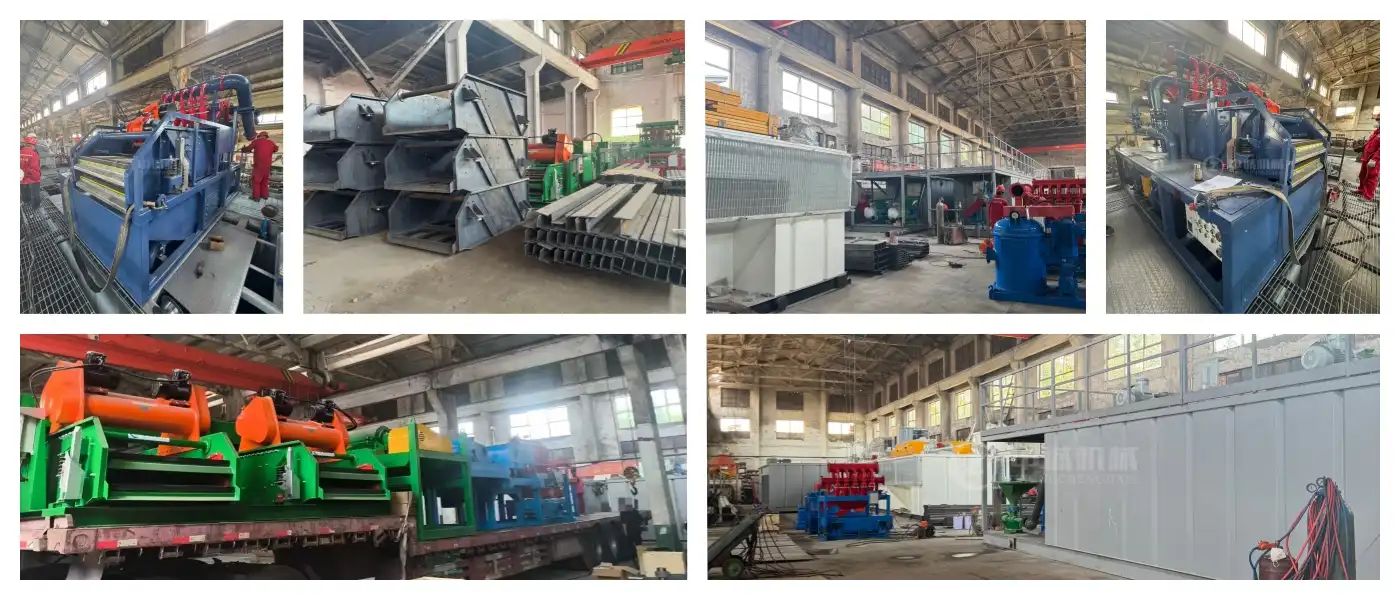
Before it is shipped, every ZC series unit goes through 24–48 hours of ongoing factory acceptance testing (FAT). As usual, dynamic balancing tests, coating inspections to the Sa 2.5 sandblast standard, and noise level checks to OSHA standards are all done. This method cuts down on the time needed to set up the equipment in the field and makes sure that parts that wear out quickly, like scroll tiles, screen panels, and bearing kits, meet the requirements before the equipment gets to the rig site.
How to Choose the Right Solids Control System for Minimizing Equipment Wear in Your Mud Processing Setup
Before making a choice, you need to know how much mud you need, what kind of arrangement you have, how you will drill, and any restrictions on the spot. After that, three review factors help make the choice.
Performance Efficiency Matched to Rig Capacity
If the solids control system is too small for the rig's movement rate, solids that should be cleared will get through, which completely cancels out the benefit of protecting against wear. There are different configurations in the ZC series for rigs from ZJ10 to ZJ90. The processing capacity is based on the pump output and pit volume. Before you specify, check the system's rated flow in m³/h or GPM against the highest output of your mud pump.
Certification and Field Reliability
Systems that have been cleared by TÜV and BV, certified to ISO 9001/14001/45001, and HSE standards have quality control records that can be seen and read. When reviewing suppliers, these certificates are important. ZHONGCHENGJIXIE has all of these certifications and provides full technical paperwork, such as engineering drawings, process flowcharts, and operation manuals. This cuts down on the time it takes for EPC companies to set up projects.
Total Cost of Ownership Over Equipment Life
The cost of buying a solids control system isn't usually the highest cost over the course of a few years of digging. Savings of over 90% through recycling, fewer pump liner replacements, and smaller amounts of trash to be thrown away add up to big savings. ZHONGCHENGJIXIE has products in stock that can be shipped in three days and comes with a full warranty for one year. This gives procurement teams a clear cost baseline for planning for the future.
Conclusion
In constant mud processing activities, solids control systems are essential because equipment wears out faster when exposed to abrasive solids in drilling fluid. When properly selected, installed, and maintained, solids control systems can remove harmful particles of different sizes, protect pumps and drill bits, maintain stable fluid properties, and help reduce single-well operating costs. The ZHONGCHENGJIXIE ZC series includes equipment for ZJ10 through ZJ90 rigs, with modular, certified, skid-mounted solids control systems designed for demanding field conditions. Whether drilling for oil and gas onshore, conducting HDD operations, or developing geothermal wells, choosing the right solids control systems can help reduce equipment wear, minimize unexpected downtime, and improve overall drilling efficiency.
FAQ
How often should shale shaker screens be inspected?
If digging is going on all the time, screens should be checked at least once every shift, or every 8 to 12 hours. If there are tears or weak spots in the panels, solids that are too big can get into the active system. This makes the pumps and centrifuges further downstream work harder right away.
What is the difference between a desander and a desilter?
Hydraulic cones 8 to 12 inches long are used in desanders to get rid of 45 to 74 micron particles. Finer particles between 15 and 44 microns are caught by 4-inch cones in desilters. In a full multi-stage mud processing method, both steps are needed.
Can ZC series systems handle oil-based mud?
Yes, to meet oil-on-cuttings discharge standards when working with oil-based mud, you need special high-G drying machines and, where environmental limits apply, vertical cuttings dryers. ZHONGCHENGJIXIE can make configurations that are specific to the type of mud and the rules that need to be followed.
What are the warning signs of insufficient solids removal?
The most obvious field signs are more frequent wear on the pump tube, higher plastic viscosity, strange readings of mud density, and more bit replacements. These signs show that the sorting system is not doing a good job of getting rid of fine solids.
Does the ZC series integrate with existing rig infrastructure?
Yes. The ZC series equipment can connect to existing mud pit systems with little change thanks to its modular skid-mounted design. This cuts down on installation time and the cost of building work.
Partner With ZHONGCHENGJIXIE for Dependable Solids Control Systems
ZHONGCHENGJIXIE has been making direct solids control systems for more than 30 years and has many patents and approvals, such as ISO 9001/14001/45001, TÜV, BV, and HSE. Our ZC line includes rigs from ZJ10 to ZJ90 that are modular and won't wear out. They come with a 1-year warranty and full technical documents. Get in touch with our tech team right away to get a price and a unique configuration. To start your question, email us at oliver@zcgukong.com or go to zcsolidscontrol.com.
References
1. Journal of Petroleum Technology — SPE Publications, 2019
2. Drilling Engineering — Applied Drilling Engineering, SPE Textbook Series Vol. 2, Bourgoyne et al., 1991
3. API RP 13C: Recommended Practice on Drilling Fluids Processing Systems Evaluation — American Petroleum Institute, 2010
4. World Oil Magazine — Gulf Publishing Company, 2021
5. IADC Drilling Manual — International Association of Drilling Contractors, 12th Edition, 2015
6. SPE 174833: Solids Control Best Practices in Drilling Operations — Society of Petroleum Engineers, 2015