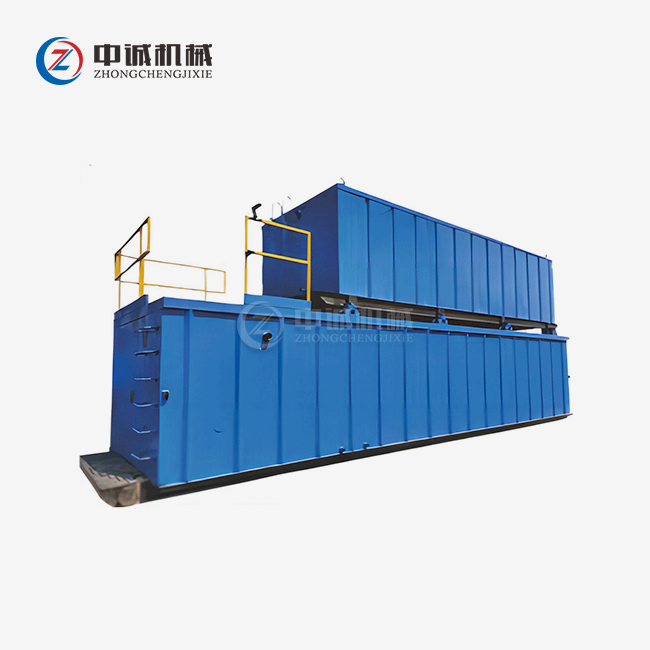
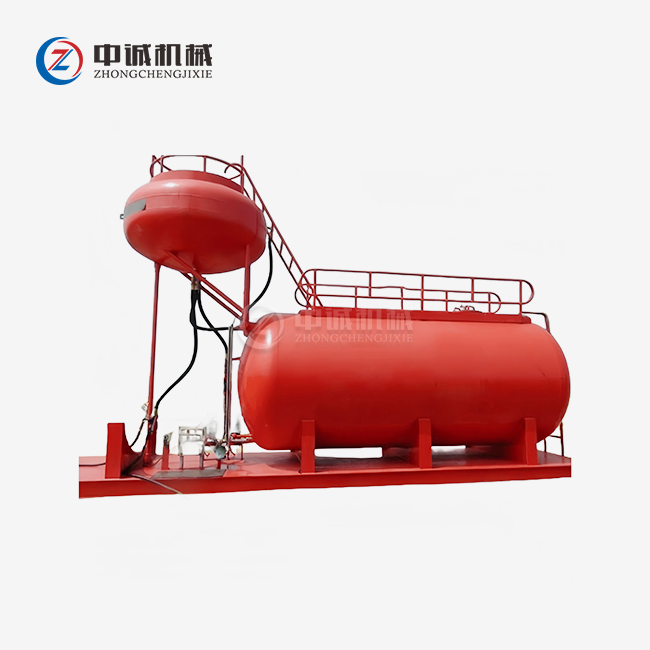
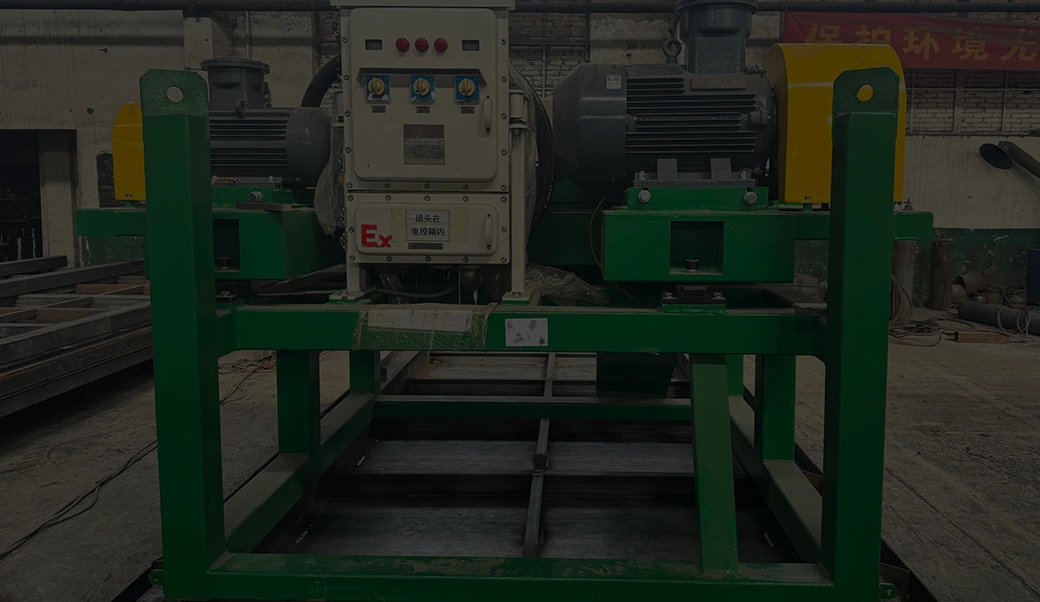
Yes, a properly selected diesel tank can significantly improve fuel management for construction fleets. By providing secure, on-site fuel storage with controlled access and real-time monitoring capability, a diesel tank reduces theft, contamination, and supply interruptions. For large-scale field operations — whether in oilfields, mining sites, or remote construction zones — having the right fuel storage system means equipment stays running and downtime stays low. The ZC Diesel Tank from ZHONGCHENGJIXIE, for example, integrates skid-mounted storage with intelligent monitoring to deliver exactly this kind of operational control.
Understanding Diesel Tanks and Their Role in Fuel Management
One of the most direct things that affects the productivity of a building fleet is the supply of fuel. The cost of not using equipment quickly rises when it's not being used because of low fuel, late deliveries, or poor quality. A properly set up fuel storage tank can solve this problem by keeping diesel on-site, safe, and easy to get to.
Types of Fuel Storage Tanks Used in Field Operations
Most construction and oilfield fleets use four main types of tanks: insulated tanks, high-density polyethylene (HDPE) tanks, double-walled bunded tanks, and steel tanks. Tanks made of steel are strong and last a long time. HDPE tanks are lighter and don't rust, so you don't have to keep up with coating maintenance. Most environmental laws now require tanks with two walls so that there is a second layer of containment. When it's very cold, insulated tanks keep the thickness of the fuel safe.
Why Capacity Selection Matters?
Making sure that tank capacity is equal to fleet usage stops both shortfalls and too much inventory. For a medium-sized drilling team with several generators and trucks, a tank that isn't full means that it has to make a lot of resupply runs, each of which has its own risk of delay. When tanks are too big and are only partly full for a long time, water and microbes start to grow. The U.S. Energy Information Administration says that diesel fuel quality drops significantly after 6 to 12 months of being stored in a way that isn't properly kept.
Portable vs. Fixed Installation
Portable skid-mounted tanks are good for projects that have to move around a lot, like seismic survey teams or pipeline construction crews. For stable digging pads or base camps that need to store things for a long time, fixed tanks work better. Choosing between the two has a direct impact on how logistics, safety, and refueling are handled on-site.
Common Challenges in Construction Fleet Fuel Management and How Diesel Tanks Address Them
Managing fuel in the field comes with real practical risk. In a report from 2022, the Associated General Contractors of America said that fuel theft and contamination are two of the top five reasons why construction projects go over budget. Knowing about these risks helps people in charge of buying tools make better choices.
Fuel Theft and Access Control
Loss points on remote job sites often happen when fuel is not secured. Tanks with locked fill caps, restricted-access pouring valves, and tamper-evident fittings make it harder for people who aren't supposed to be there to take money out. Some more modern systems have digital flow meters that record every time something is dispensed, making a record that can be checked.
Contamination and Fuel Quality Protection
The main reasons why fuel injectors in building equipment break down are water getting in and particulate matter getting inside. Both can be taken care of by a tank that is completely sealed, has an anti-corrosive coating inside, and has filtered fill spots. The ZC Diesel Tank has a structure that is fully sealed and corrosion-resistant materials inside. This keeps water out and keeps the oil from breaking down, saving both the fuel and the engine parts that come after it.
Regulatory Compliance and Environmental Safety
The U.S. EPA's 40 CFR Part 112 (Spill Prevention, Control, and Countermeasure) says that above-ground fuel storage above a certain level must have additional protection. These needs can be met immediately by double-walled tanks with interstitial leak sensors. Not following the rules can lead to fines and the closure of the site, so picking a tank that follows HSE, ISO 14001, and local environmental rules is not a choice; it is a requirement.
Comparing Diesel Tank Solutions for Construction Fleets
In the real world, not every fuel storage tank works the same way. Before deciding to buy something, procurement managers need a clear way to look at their options.
Steel Tanks vs. HDPE Tanks
Steel tanks are the most common type used in heavy industry because they can withstand impacts and work with large-volume configurations. They can have internal coatings and linings that make them last longer than 20 years if they are properly maintained. HDPE tanks are cheaper up front and don't need to be coated, but they have limits on how much they can hold and don't work well in places with a lot of heat or pressure. Steel is still the standard for drilling and mine uses.
Insulated Tanks vs. Standard Tanks
Diesel gelling in cold weather is a real problem in northern U.S. states and high-altitude sites. Insulated tanks keep the temperature of the fuel within a safe range, which stops cold-filter plugging point (CFPP) fails. In the winter, standard tanks that aren't insulated need fuel additive programs, which cost more. Insulated choices are worth the extra money for year-round outdoors work in climates that change often.
Portable Skid-Mounted Tanks vs. Fixed Bulk Tanks
Here are the main differences between these two setups:
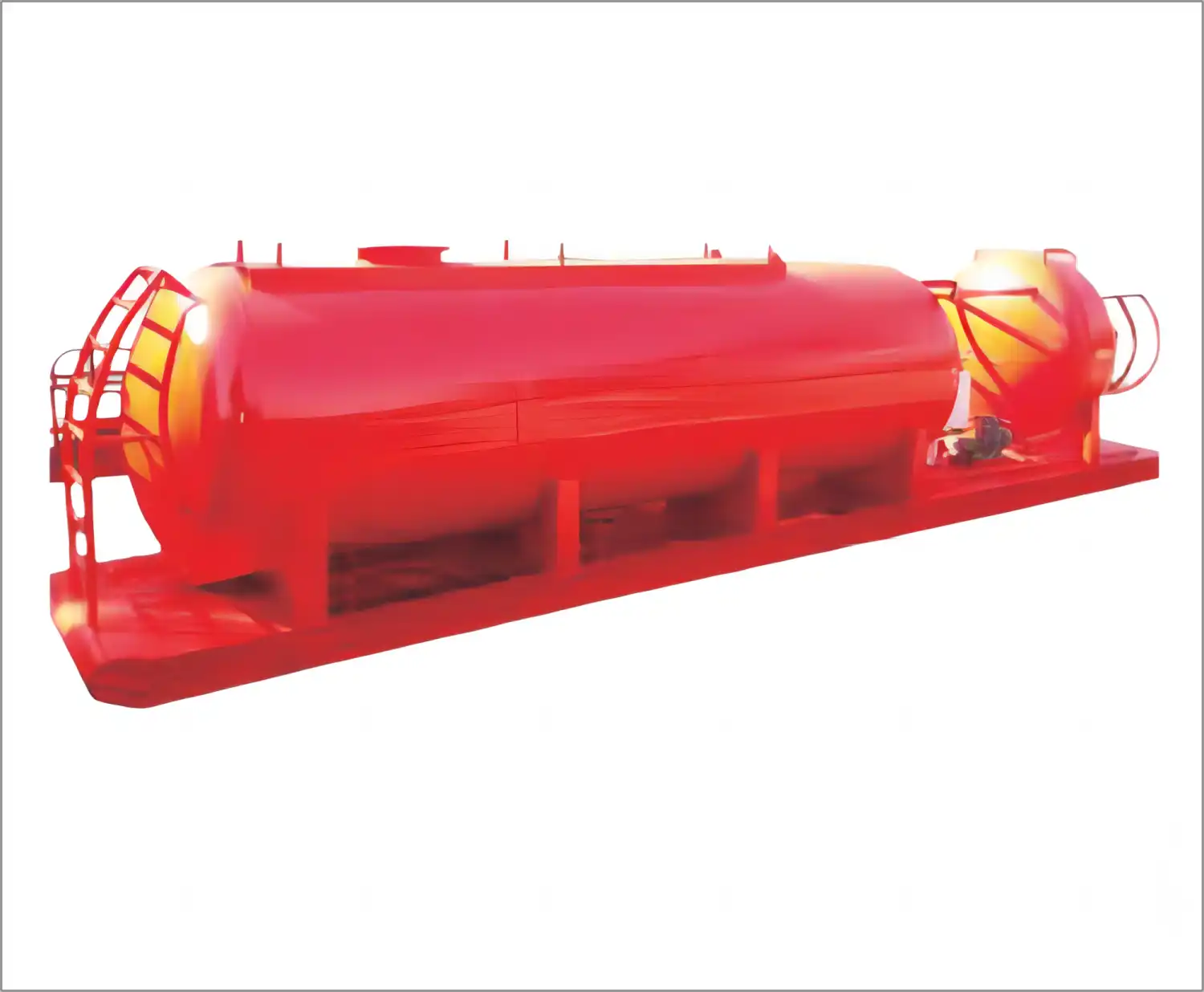
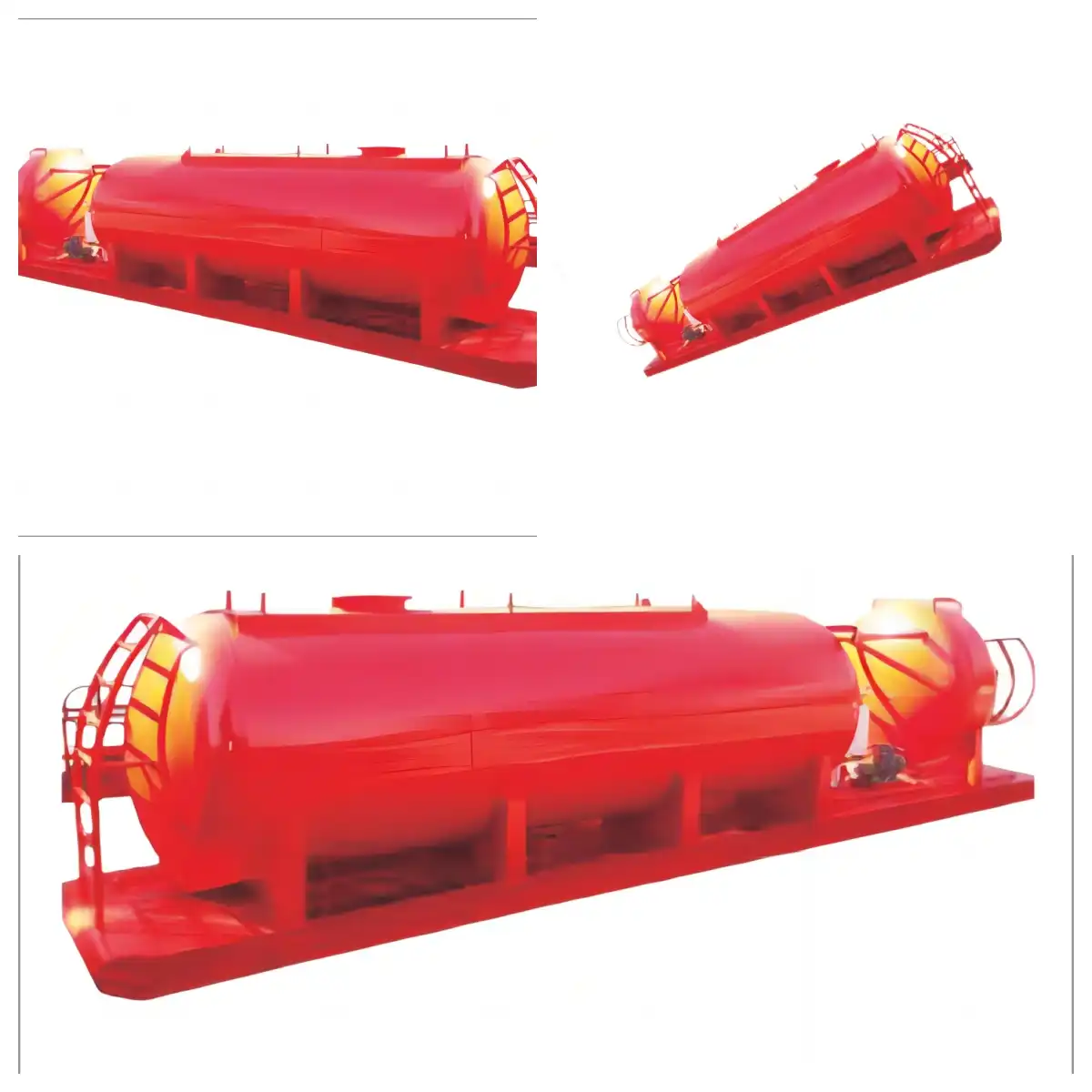
- Portable skid-mounted tanks (like the ZC Diesel Tank) can hold up to 100 m³ of liquid and can be moved with a forklift or crane. For drillers who move pads every few weeks, they work well. The skid base combines delivery, tracking, and containment into a single unit, which speeds up the setup time on-site.
- Fixed bulk tanks are good for base facilities that will stay in one place. They usually hold more and connect to permanent pipes, but they need to be built on a solid base and have to be taken apart when a job is finished.
Because these differences have a direct effect on the total cost and schedule of the project, it is just as important to match the setup to the project plan as it is to choose the capacity.
Tanks with Integrated Monitoring Systems
Tanks with level gages, flow meters, and IoT-compatible monitors let fleet managers see how much fuel is in use at all times. With remote monitoring, you don't have to do as many inspections by hand, and low-level alerts can be sent automatically. This information goes straight into software used for truck management, which helps with better planning purchases and reporting costs.
How to Choose the Best Diesel Tank for Your Construction Fleet?
There are four main things to consider when picking the right Diesel Tank: its size, its material, its safety certifications, and its supplier's ability to provide support.
Matching Capacity to Fleet Consumption
Figure out how much fuel all of the equipment on site, like pumps, drilling rigs, generators, and light cars, uses each day. Add a 20% buffer in case something goes wrong and multiply by the resupply interval (the number of days between deliveries). This calculation shows the smallest amount that can be used and stops the most common mistake in purchasing: buying based on price instead of what is needed for operations.
Evaluating Certifications and Compliance Standards
Any tank that is going to be used in the U.S. should have both ISO 9001 quality management certification and UL 142 or UL 2085 certification for aboveground steel tanks. For foreign and export projects, HSE, TÜV, and BV approvals give the work more credibility and meet client standards for qualification. The ZC Diesel Tank is certified by ISO 9001, 14001, 45001, HSE, TÜV, and BV, so it meets both domestic and international project standards.
Customization and Supplier Support
Standard catalog tanks don't always work in the field. For example, electrical configurations that are safe for explosions, custom inlet/outlet positions, paint systems made for corrosive environments, and non-standard volumes all need a manufacturer with real engineering skills. Before you place an order, make sure that the seller offers detailed drawings, installation guides, and quick customer service after the sale.Optimizing Fuel Management with: Best Practices and Future Trends
Routine Inspection and Maintenance Programs
At the very least, check the inside of the tank once a year. Every three months, drain the water that has built up in the sump valve. Every year, make sure the weld is solid, the covering is in good shape, and the vent opening works. API Recommended Practice 651 says that checking and maintaining above-ground storage tanks on a daily basis makes them last longer and lowers the chance of them breaking down suddenly.
IoT Sensors and Telematics Integration
When tank tracking systems are linked to fleet IoT platforms, a single source of data is created for analyzing fuel use. Fleet managers don't have to wait for month-end reports to notice strange patterns of use, which could mean theft, leaks, or inefficient equipment. Several building companies in the U.S. say that their total fuel costs went down by 8–15% after they put connected tracking on their storage tanks.
Environmental and Sustainability Alignment
Most U.S. state environmental programs now require buildings to have two walls and a way to find leaks. In the future, regulations are likely to make it more important for fuel storage points to recover vapor, contain spills, and keep an eye on emissions. Choosing a tank that already has these features built in will save you money on later upgrades and meet the requirements for corporate sustainability reporting.
Conclusion
A good Diesel Tank does more than just hold fuel. It keeps the quality of the fuel safe, cuts down on theft, helps people follow the rules, and gives correct information to systems that handle fleets. When construction fleets work in tough places like remote oilfields, mine sites, or big foundation projects, having the right storage system is essential to keeping operations going. Buying a tank with the right size, material, and tracking features will pay off in the form of less downtime, less fuel loss, and better project cost control.
FAQ
How often should a diesel storage tank be inspected?
API RP 651 says that aboveground steel tanks should have outward inspections once a year and internal inspections every five years. However, depending on how they are used, they may need to be checked more often. Tanks in corrosive or high-humidity environments benefit from more frequent coating assessments.
What U.S. regulations apply to aboveground diesel tanks on construction sites?
The main federal rule is EPA 40 CFR Part 112 (SPCC rule), which says that tanks that hold more than 1,320 gallons of aggregate aboveground capacity must have plans to prevent spills and secondary containment. Different states have different rules, so each site needs its own compliance review.
Can a diesel tank reduce overall fleet fuel costs?
Yes. Safe on-site storage cuts down on the cost of emergency deliveries, theft, and waste from fuel degradation. When fleet owners put in flow-metered, watched tanks, they usually find and get rid of 5–15% of fuel use that wasn't being tracked within the first year.
What does double-walled construction mean for a fuel tank?
A double-walled (bunded) tank has a vessel inside and a shell outside, with a space between them that is monitored. If the inner wall leaks, the fuel is contained by the outer wall, and a sensor sends out a warning. This keeps the earth or groundwater from becoming contaminated.
Is explosion-proof configuration necessary for construction site tanks?
NFPA 30 and OSHA 29 CFR 1910.106 say that electrical parts on pumps, sensors, and lighting circuits must be explosion-proof in places where flammable fumes may be present, like oilfields or gas research projects.
Get the Right Fuel Storage Solution from ZHONGCHENGJIXIE
Fleets in construction and oilfields need reliable places to store fuel. ZHONGCHENGJIXIE manufactures the ZC Diesel Tank — an ISO-certified, HSE/TÜV/BV-approved skid-mounted fuel storage system available in 5–100 m³ volumes with full explosion-proof and double-wall options. As a direct Diesel Tank manufacturer with 30+ years of field experience and a 15-day custom production lead time, we deliver solutions built for your site conditions. Contact our team at oliver@zcgukong.com or visit zcsolidscontrol.com to request a technical consultation today.
References
1. U.S. Energy Information Administration. Diesel Fuel Explained: Fuel Quality and Storage. 2021.
2. American Petroleum Institute. API Recommended Practice 651: Cathodic Protection of Aboveground Petroleum Storage Tanks. 4th ed., 2014.
3. U.S. Environmental Protection Agency. SPCC Guidance for Regional Inspectors: Aboveground Storage Tanks. EPA 550-B-13-001, 2013.
4. Associated General Contractors of America. Construction Industry Annual Cost and Risk Survey Report. 2022.
5. National Fire Protection Association. NFPA 30: Flammable and Combustible Liquids Code. 2021 Edition.
6. Underwriters Laboratories. UL 142: Standard for Steel Aboveground Tanks for Flammable and Combustible Liquids. 2006 (revised 2019).