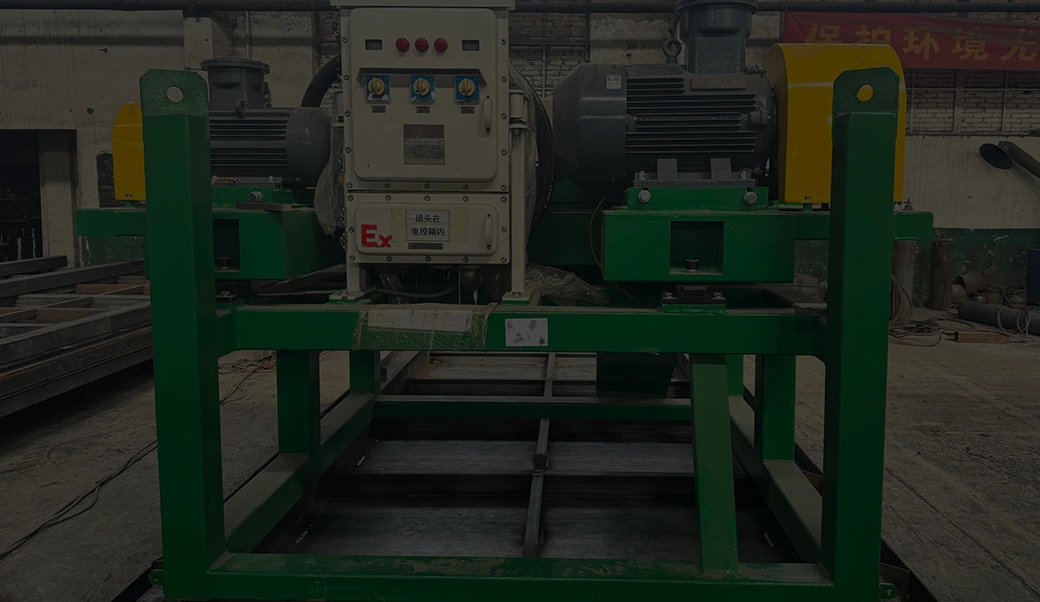
Buyers should check five things when selecting a Vertical Cutting Dryer factory: proven drilling waste experience, measured performance such as residual oil on cuttings and hourly capacity, build quality and certifications, customization with maintenance support, and total cost with delivery capability. A dryer recovers oil-based or synthetic-based fluid from cuttings, so the factory must show that it understands your mud type, rig setup, and discharge targets. I wrote this guide for procurement managers, drilling engineers, EPC contractors, and distributors who compare suppliers and want clear questions to ask before signing a purchase order.
Confirm the Factory Understands Your Drilling Waste Application
A good purchase starts with fit, so I begin with the application itself.
Match Mud Type and Cuttings Conditions
The first thing to do is the fluid. Cuttings that are covered in oil- or synthetic-based mud work best in a Vertical Cutting Dryer because the fluid is pushed off by a screen basket that spins. If the mud is mostly water with some clay in it, fine screens won't be able to see through it. A trusted plant will let you know when a different machine works better. The engineer should find out how the unit works with the amount of trash, the thickness of the fluid, and the amount of solids that are in it. Instead of leaflet claims, you should ask for test results or data from the field. A factory that asks about your rig, mud program, and discharge limits before giving you a quote shows that it knows what you need.
Check Integration with Your Solids Control System
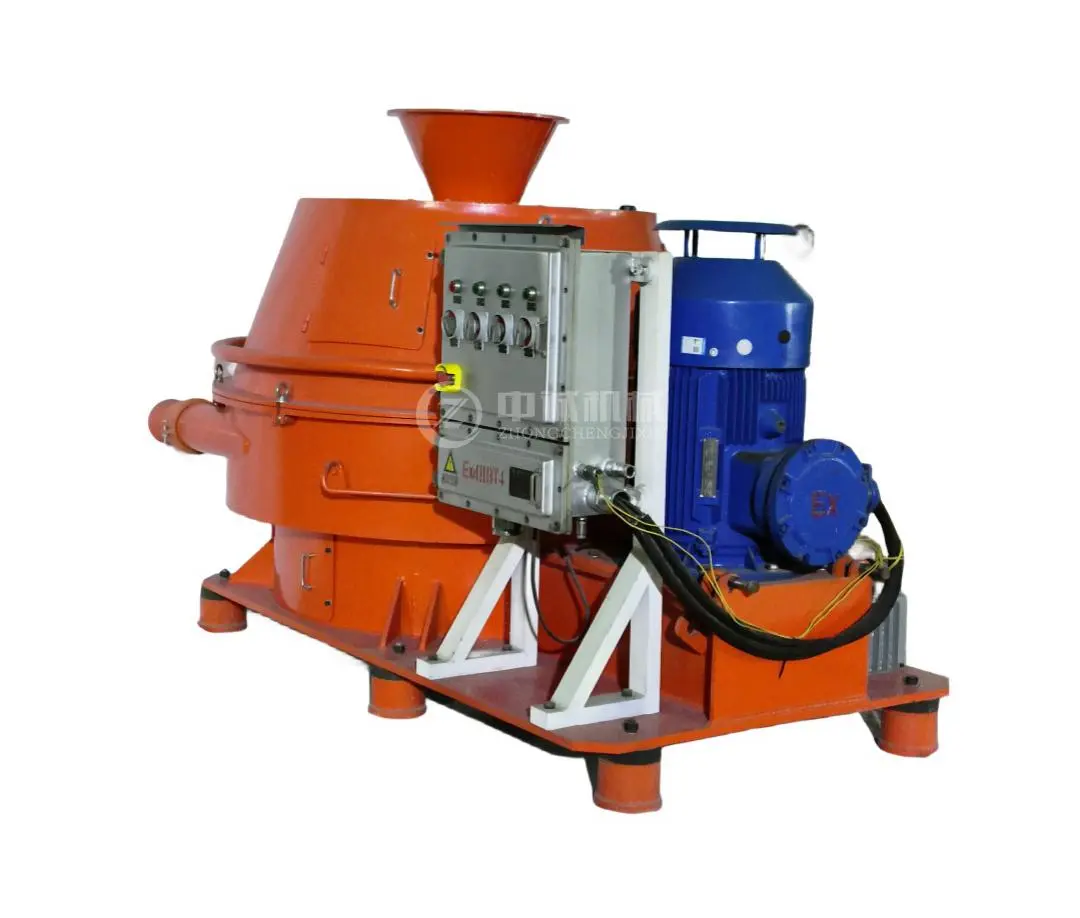
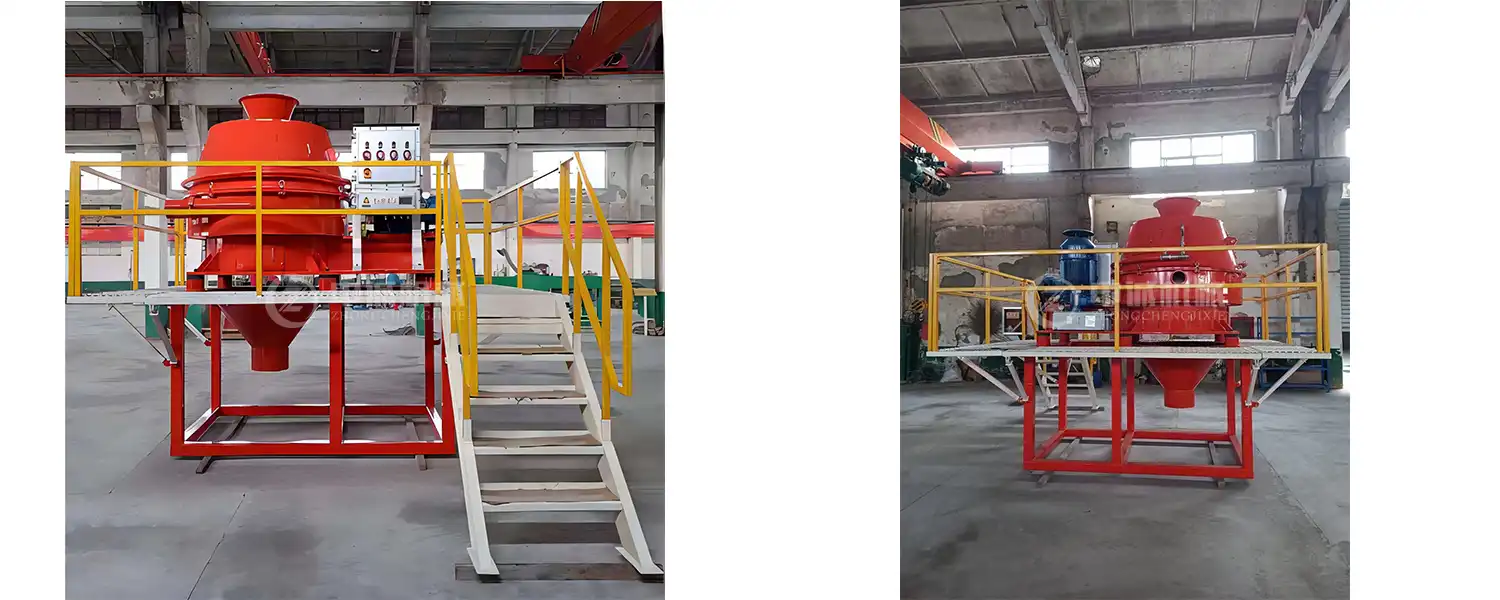
A cuttings dryer can't do its own job. It gets solids from shale shakers or a mud cleaner and sends the clean fluid back to the active system. It's important to think about the height of the drain, the type of conveyor, and the fluid return lines. From ZJ20 to ZJ90 and XJ350 to XJ750, ZHONGCHENGJIXIE makes heavy-duty control systems. Some of these devices are centrifuges, shakers, desanders, desilters, and mud cleaners. The ZC Vertical Cutting Dryer can be used with these solid control systems for the oil field. To find out where the feed goes, where the juice comes out, and where the dry solids go, just ask at any plant. Then, check to see if the skid's measurements match the plan of your deck or pad.
Ask for Reference Projects and Regulatory Context
People who work in the US must follow strict rules. The marine discharge rules in 40 CFR Part 435 from the EPA limit the amount of synthetic base fluid that can stay on cuts after they are launched. When companies on land make more trash, they have to pay more to get rid of it because they have to follow state rules. If the cuttings are dry, there is less waste to haul away and more fluid goes back into the system. Ask each factory to give you references from other factories that have worked in similar conditions (onshore or offshore), had the same amount of waste, and had the same environmental goals. Our staff can show you how to use the ZC Vertical Cutting Dryer to safely and effectively clean up drilling waste from both onshore and offshore sites.
Verify Performance Data and Manufacturing Quality
Numbers and build quality show whether a machine will perform after the first week.
Read Capacity and Oil Content Numbers Carefully
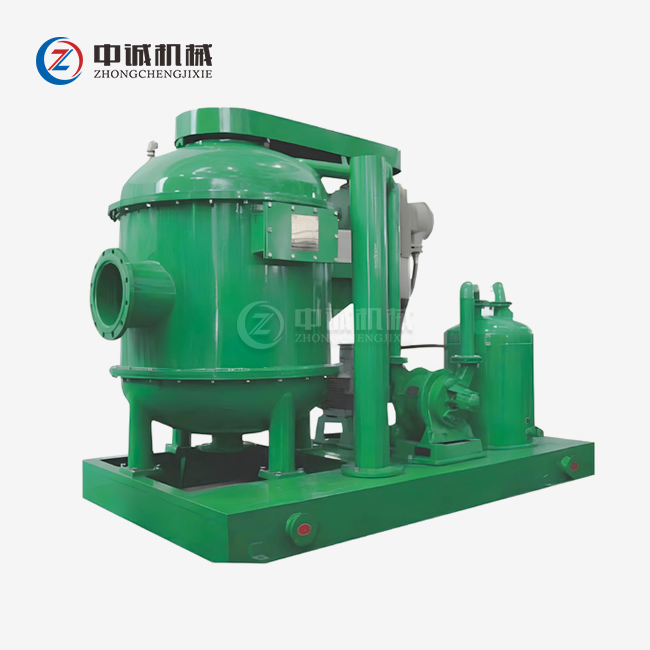
Facts can only help you pass a test if it is clear why the test is being given. Learn about the number and whether it refers to wet cuttings or dry solids. Find out if it is rated, continuous, or peak. Measure something that can show how well the separation works, like how much oil is left on dried cuttings. 30 to 50 t/h of cuttings can go through it, and it cuts the oil content down to 5 percent or less. The numbers they give you should come from tests done in the factory, pilot trials, or operations in the field. You should also ask for written proof of the test conditions. When you compare quotes, make sure that the solids loading, feed oil content, and sampling methods are all the same.
Inspect Wear and Corrosion Protection
The drill bits are rough, and the chemicals used for drilling can wear away metal. Pay attention to the rotor, the screen basket, the scraper flights, the bearings, the seals, and the parts that come out of the machine. Ask what each one is made of to protect it. Materials that don't wear down or corrode are used to make the ZC Vertical Cutting Dryer. This means it can handle the rough conditions in the oilfield, where cuttings and corrosive media are common. Find out how long the parts should last and how often they need to be changed. These numbers have an effect on how much it costs to fix. Ask about noise and power use too. It's stable, quiet, and doesn't use much power even when it's going at full speed. This lessens smog and the cost of throwing away trash.
Review Quality Control and Certifications
A factory keeps records that show how it works. For details about the raw materials, welding, cutting, balancing the rotor, putting it together, and checking it at the end, ask for them. You should also get the results of a factory acceptance run that shows how the car shook and how hot the engine was. After that, look at the certificates. The ZC Vertical Cutting Dryer has been approved by HSE, TÜV, and BV, and ZHONGCHENGJIXIE has been approved by ISO 9001, 14001, and 45001. Our goods also meet international standards like EAC, ISO, IEC, and ATEX. Before you place an order, make sure you have copies of the certificates and that the scope of the certificate covers the product you want to buy. Also, make sure that any papers that have to do with dangerous areas or targets are correct.
Compare Customization, Maintenance, and Service Support
Support after the sale decides how SR runs smoothly for years.
Look for Real Engineering Customization
The same set model doesn't always work with different rigs. Ask for a technical plan that shows the chosen model, design assumptions, and working range. This plan should be based on the space you have, the number of cuttings, the type of mud, the power source, and the cuttings. We are a direct manufacturer with more than a dozen patents and more than 30 years of experience in the field. We can change the sizes, shapes, and types of motors from top American and foreign brands. Distributors and OEM buyers should also be clear on things like nameplates, minimum order amounts, private marking, and who is responsible for the guarantee before making a choice.
Plan Maintenance and Spare Parts Early
Most of the time, downtime costs more than parts. Before you place your order, make sure you have the user manual, care schedule, list of suggested spare parts, and troubleshooting steps. Find out how often you should check the drives, screens, bearings, seals, and gears. If the machine is shaking too much, a good manual should tell you how to check for uneven loading, a broken screen, or worn scrapers. It doesn't matter if you're on the Gulf Coast or an offshore platform. Ask how much extra parts cost and how long it will really take to get them to you. For a long time, we will keep your drying line running by giving you technical help and spare parts.
Confirm Installation, Training, and Warranty
Helpful service starts before the machine gets there. You can get engineering drawings, flowcharts, diagrams of parts and pieces, as well as manuals for use and upkeep. We also offer a one-year guarantee, skilled commissioning, and training for the field. If you want to know how long it will take for a supplier to respond, what problems they won't fix, who will replace parts, and what to do if there are issues like blockages, overheating, or poor separation, ask them. Make it clear whether workers are hired and trained on-site or from away, and who pays for the trip. Write down your answers now to avoid arguments later on, and they will also help your repair manager plan how many people to hire.
Compare Total Cost, Delivery, and Export Capability
Price matters, but delivery and lifetime cost often matter more.
Look Beyond the Purchase Price
The job with a Vertical Cutting Dryer isn't always done for the least amount of money. Find out how much different items cost, such as the dryer, motor, gearbox, control panel, skid, conveyors, tests, packing, paperwork, spares, and getting the machine up and running. Then add up how much it costs for fuel, work, downtime, freight, waste, and parts that wear out. You don't have to buy another barrel of base fluid when you return one to the mud system. This is called fluid recovery. Also, cuttings that are drier mean that less stuff has to be moved and thrown away. Rentals are good for short-term projects, and used tools need to be checked out carefully. People who want to make changes, get a warranty, and have something last a long time should buy new gear.
Check Lead Times and Stock Availability
Rig schedules do not wait. Ask for a timeline to see when the engineering approval, buying, production, testing, packaging, and shipping will happen. Items that are in stock are sent out within three days, and special orders are usually sent out fifteen days after they are placed. There are 6,300 square meters of space at our plant in Xingping, Xianyang City. Each year, we can make 200 sets of mud drainage systems and oil machines. Check these prices against other quotes you've gotten, and make sure the due dates for special parts and extra parts are the same.
Verify Export Documents and Logistics
There's more than just a box that a dryer needs to get across the ocean. You should ask the seller for English-language business invoices, packing lists, certificates of origin, records of inspections, shipping papers, and technical manuals. When the machine is shipped over long distances, it should be safe because it is packed in standard export packaging. With the help of business partners, we ship through the ports of Tianjin and Shanghai. We can now send our goods to the US and other places. Find out the steps for getting the drawing approved, the tests for getting the factory to accept it, and who is in charge of letting the shipment go. A person in charge of the project keeps all the questions about business, shipping, and technology in one place.
Use a Structured Supplier Evaluation Process
A repeatable process keeps long technical evaluations fair and easy to defend.
Score Suppliers on Weighted Criteria
Price doesn't decide what you should do with a weighted evaluation. When making a list, you should think about a lot of things, such as the application fit, throughput, separation result, build quality, customization, compliance, maintenance, spare parts, service, warranty, delivery, and business terms. Assign a weight to each one that makes sense for the job. Give each action (buying, engineering, and fixing) its own score, and then look at the total score. This method displays trade-offs, such as a less expensive unit that doesn't come with clear directions. It also keeps a record that can help your source review file.
Separate Manufacturers from Trading Firms
Find out who makes the machine. Manufacturers, OEMs, engineering firms, distributors, and trade companies all offer something different when it comes to technical support and help in your area. A direct manufacturer can answer questions about the design, make changes to the way things are set up, and watch over the quality from the very beginning. ZHONGCHENGJIXIE designs, makes, and sells its own goods in its own factory in Shaanxi Province. If you get a price that isn't full, has inconsistent capacity data, no drawings, claims of high efficiency that aren't backed up by proof, warranties that aren't clear, or no plan for extra parts, these are all red flags. For big jobs, you might want to think about testing the factory, having a third party check it out, and getting written guarantees of success.
Finish with a Pre-Purchase Checklist
Before you sign, make sure you understand the technical details, such as the type of mud, the cuttings' properties, the capacity, the target for residual oil, the power supply, the classification of the hazardous area, the sizes, the interfaces, and the wear materials. Then, make sure you agree on the business terms, such as the scope of the supply, the guarantee, the price of spare parts, the payment terms, and who is responsible for delivery, packing, security, installation, and start-up. Last but not least, look at the proof that the seller has, like project references, quality records, workplace test procedures, certificates, and processes for after-sales service. When you're done with the list, save it in your project file so that you can compare Vertical Cutting Dryer companies on the same level.
Conclusion
There are more things to think about than just price when choosing a Vertical Cutting Dryer plant. You should think about how long the gear will last. The best ones can work with your solids control system, know what kind of mud and cuttings you have, and show test results to back up their claims about capacity and oil left over. It will last a long time if it is well-built, has good quality records and certifications, and is kept safe from damage and wear. It depends on how it was customized, if it has spare parts, if the people who work on it are trained, and what the warranty terms are. With more than just the price, you can get a better idea of what it costs to run, replace parts, be idle, and dump waste. By tracking delivery times and export paperwork, rig schedules are kept safe, and the comparison stays fair with a scorecard and a list. There is less technical and business risk with these checks.
FAQ
How do I compare Vertical Cutting Dryer manufacturers?
Compare them using the same test and scope. Read about the experience with applications, the capacity, the results for residual oil, certifications, customization, extra parts, shipping time, warranty, and how long the guarantee lasts. Use a weighted rating and ask for pictures and links.
Can a Vertical Cutting Dryer handle water-based mud?
It's not always the best fit. Fluids that are oil- or synthetic-based work best with these tools; water-based muds with a lot of clay can make the screen less clear. Give the factory your mud program before you choose a model.
What oil content should I expect on dried cuttings?
What matters is how the machine is set up and how much you feed it. The ZCVCD line gets you finished cuttings with an oil level of 5% or less at 30–50 t/h. Ask each provider how the numbers they give you were checked.
Should I buy new, used, or rental equipment?
If you want to rent something for a short time or for a test, make sure to carefully check it over. If you buy something new, make sure you can customize it, get a warranty, and always be able to get spare parts.
Request a Vertical Cutting Dryer Recommendation
Email ZHONGCHENGJIXIE at oliver@zcgukong.com with information about your site, the type of mud you use, the amount of cuttings you have, and your power supply. Our engineers will then suggest a ZC Vertical Cutting Dryer configuration. We are a direct Vertical Cutting Dryer maker with more than 30 years of experience. We can make any changes you want, ship in 3 days for in-stock items, and offer a 1-year guarantee. Visit zcsolidscontrol.com to learn more about the product and get a quote right away.
References
1. ASME Shale Shaker Committee, Drilling Fluids Processing Handbook, 2005
2. Caenn, R., Darley, H.C.H., and Gray, G.R., Composition and Properties of Drilling and Completion Fluids, 2017
3. U.S. Environmental Protection Agency, Federal Register: Effluent Limitations Guidelines and New Source Performance Standards for Synthetic-Based and Other Non-Aqueous Drilling Fluids in the Oil and Gas Extraction Point Source Category, 2001
4. International Organization for Standardization, ISO 13501: Petroleum and Natural Gas Industries, Drilling Fluids, Processing Equipment Evaluation, 2011
5. OGP (International Association of Oil & Gas Producers), Environmental Aspects of the Use and Disposal of Non-Aqueous Drilling Fluids Associated with Offshore Oil & Gas Operations, Report No. 342, 2003
6. Ismail, A.R. et al., Drilling Fluid Waste Management in Drilling for Oil and Gas Wells, Chemical Engineering Transactions, 2017