Vertical slurry pumps can substantially reduce wear in heavy-duty pumping systems. Their cantilever design eliminates submerged seals and bearings, reducing mechanical friction and leakage-related failures. Built with high-chromium alloy impellers and wide flow passages, these pumps resist abrasion and erosion, handling high-concentration slurries with solid particles without clogging. This design minimizes component exposure to harsh slurries and extends service life, directly addressing costly downtime and maintenance challenges common in oil and gas drilling, mining, and foundation engineering applications.
Understanding Wear in Heavy-Duty Pumping Systems
Wear and tear on heavy-duty pumping equipment is still one of the most annoying things for engineering managers, drilling contractors, and oilfield service businesses. Degradation of equipment isn't random; it's caused by known, predictable factors that have an effect on your total cost of ownership.
The Primary Causes of Pump Wear
The biggest problem is that the slurry is abrasive. Mineral slurries, coal fines, and drilling fluids all have solid particles in them, like sand, gravel, and drilling cuttings, that wear down pump parts like sandpaper. When these particles move quickly through impellers, cases, and seals, they wear away metal surfaces, which makes the machine less effective and speeds up the failure process.
The problem is made worse by operational pressure. Continuous use, changes in temperature, shaking, and sudden increases in pressure all put extra stress on things that are already under a lot of stress. Corrosion makes parts even weaker, especially in places where fluids are acidic or chemically aggressive.
The Real Cost of Ignoring Wear
In digging activities, downtime can cost more than a thousand dollars an hour. One broken pump stops the flow of mud, slows down well building, and changes the plan for the whole project. The costs of repairs keep going up, and not just for new parts. They also include emergency labor, logistics, and lost work time.
Inefficient use of energy is another secret cost. When parts of a pump get worn out, they lose their hydraulic performance and need more power to keep the same flow rates. Over time, this waste of energy costs businesses money.
Why Pump Selection Matters
Picking the wrong pump speeds up wear. When there are a lot of solids in the fluid, horizontal pumps with buried seals have a hard time. Standard centrifugal systems don't have the wear strength needed for slurries used in mining and drilling. Procurement managers and drilling experts have to look at the design, materials, and configuration of the pump to make sure it works with the slurry and the situations in which it is used.
Knowing how these things wear down is the first step in making smart choices about tools. It's not enough to just buy a pump; you need to invest in a solution that cuts down on downtime, maintenance, and the total cost of ownership over many years of use.
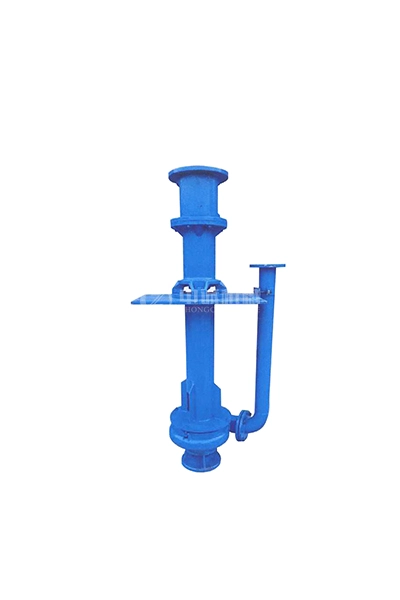
Vertical Slurry Pump Design Features That Minimize Wear
Advanced design features tell the difference between slurry handling equipment that works well and equipment that breaks down too soon. Heavy-duty pumping systems have problems with wear and tear, corrosion, and mechanical stress. Vertical Slurry Pumps solve these problems directly with new engineering innovations.
Cantilever Shaft Design Eliminates Vulnerable Components
This new vertical single-stage single-suction cantilever form changes everything. This design keeps all bearings and seals above the fluid line, while horizontal pumps need shaft seals or seal water systems. If there are no buried parts, there will be no seal failures, leaks, or abrasive bits getting into the bearings. This design makes it possible to work safely underwater in sumps, pits, and tanks, without having to worry about mechanical problems that lead to frequent shutdowns.
High-Chromium Alloy Wear Parts Extend Service Life
Material choice affects how long something lasts. Wet parts, like impellers and cases, are made of high-chromium metals that don't wear down easily. These materials don't get worn down by solid particles or corroded by fluids that are harsh on chemicals. When used in drilling, where the fluids contain bentonite, barite, and formation solids, high-chrome metals keep their performance and need to be replaced less often than standard cast iron or mild steel.
Wide Flow Passages Prevent Clogging
In uses that use high-concentration slurries, clogging is a big problem. Vertical Slurry Pumps have wide flow paths that can handle slurries with big particles without getting clogged. This design lets drilling chips, coal fines, and mineral solids pass through up to 80% of the width of the outlet pipe. This keeps the flow going and stops pressure spikes that damage parts.
Optimized Impeller Geometry Reduces Impact Wear
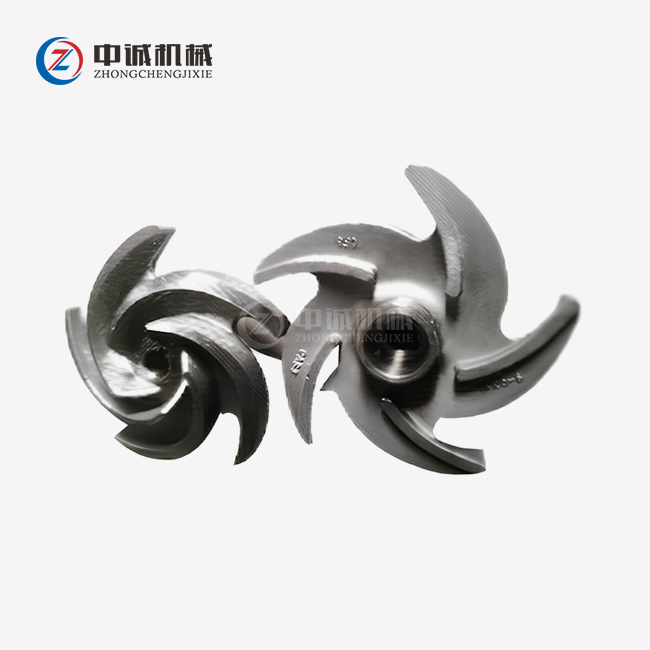
The design of the impeller has a direct effect on how it wears. Geometries that have been optimized spread the slurry flow out evenly, reducing high-velocity impact zones where erosion speeds up. You can choose between semi-open and closed impellers, with semi-open designs being better for highly abrasive uses and closed designs being better for fluids with a middling solids content.
Vertical Shaft Alignment Minimizes Slurry Exposure
The fact that it is upright is itself a benefit. Gravity helps fluids move, which lowers turbulence and impacts on objects inside the fluid. Important parts like bearings and motor units stay away from rough slurries, so only easily replaced wet parts wear out.
Together, these design elements make a strong answer for fields where the dependability of tools has a direct effect on profits. Vertical Slurry Pumps lower the total cost of ownership by reducing wear during the design phase and extending the life of their parts.
Comparing Vertical Slurry Pumps with Other Pump Types for Wear Reduction
Choosing the right type of pump is a smart choice that affects how much it costs to maintain, how reliable the system is, and how well it works. Vertical Slurry Pumps are better in rough conditions, but procurement teams need to know how they compare to other options in order to make smart decisions.
Vertical vs. Horizontal Slurry Pumps
Horizontal slurry pumps are the most common type of pump used in many situations, but they can be hard to use in high-wear situations. Abrasive particles can get into submerged seals and bearings, which causes seals to fail and leaks to happen often. Horizontal designs also need bigger areas to be installed and more complicated ways to set up the pipes.
These problems don't happen with Vertical Slurry Pumps. Because the cantilever design keeps seals and bearings above the level of the slurry, it requires less maintenance. The vertical size saves room, which is very important on drilling rigs and in plants with a lot of people. In drilling rig sump draining and coal washing uses, performance data shows that vertical pumps last longer between service calls and use fewer spare parts.
Vertical Slurry Pumps vs. Submersible Pumps
Submersible pumps work completely underwater, which makes installation easier but makes maintenance harder. When an underwater pump breaks, the whole unit has to be lifted out of the water to be fixed, which takes more time. Abrasive slurries can damage motor cooling and sealing systems, which speeds up wear.
Vertical Slurry Pumps allow for more rapid service. Above the fluid surface, the motor and bearing assemblies can still be reached. Only wet parts need to be inspected and replaced on a regular basis, which cuts down on work hours and downtime.
Vertical Slurry Pumps vs. Standard Centrifugal Pumps
Normal centrifugal pumps can't handle abrasive slurries because they wear out too quickly. Standard impeller materials and thin-walled casings wear down quickly, so they need to be replaced often because they stop working as well. Drilling fluids, material slurries, and coal fines are not good for these tools.
Vertical Slurry Pumps are designed to work in these situations. With their high-chrome metal construction, wide flow paths, and strong shaft designs, these centrifugals can handle solids amounts of up to 70% by weight and still work efficiently.
Real-World Cost-Performance Metrics
Vertical Slurry Pumps can cut maintenance costs by up to 40% compared to horizontal alternatives, according to case studies from mineral processing plants. When digging, vertical pumps that handle the drainage of the tank of the drilling rig last 30% longer before they need to have their impellers replaced. These measures directly lead to lower total cost of ownership and higher profits from the project.
The type of pump you need depends on the specifics of the job, such as the slurry concentration, particle size, operating environment, and ease of maintenance. Vertical Slurry Pumps are very useful in heavy-duty, high-wear situations where dependability and low upkeep are important.
Maintenance Tips and Troubleshooting to Extend Vertical Slurry Pump Lifespan
Preventative maintenance is what makes the difference between equipment that works well for years and equipment that breaks down early. Vertical Slurry Pumps are made to last, but they work best and last longer if you take good care of them.
Regular Inspection Schedules Prevent Failures
Set up regular inspection times based on the number of hours worked and the properties of the slurry. In very rough conditions, check the rotor and case for wear every 500 hours of operation. In normal conditions, check them every 1,000 hours. Check the propeller clearance to see if erosion is happening. Too much space lowers the hydraulic efficiency and raises the power usage.
Every month, check the seals and bearings above the fluid line. Even though these parts don't come into direct contact with the slurry, vibrations and external factors can still break them down. To keep things from getting dirty, replace seals as soon as you notice a leak.
Timely Replacement of Wear Parts Maintains Performance
Wear parts are consumables that are meant to be replaced over time. The effectiveness of high-chrome metal impellers and casings lasts longer than that of normal materials, but they still wear down over time. If the space is greater than what the maker recommends or if you can see erosion on the blade edges, you should replace the impellers.
Keep extra parts on hand to reduce downtime as much as possible. Impellers, casing liners, shaft sleeves, and seals are all common consumables. Having these things on hand makes it easy to replace them quickly during planned maintenance windows.
Vibration and Temperature Monitoring Detect Anomalies Early
Condition tracking should be built into processes. Vibration monitors find imbalances that are caused by bearing problems or worn impellers. Temperature tracking finds warming caused by broken seals or worn-out bearings. Early discovery lets repair be done before a failure goes catastrophic.
Set a baseline of readings during commissioning and keep track of any changes. Sudden rises in temperature or shaking are signs of problems that need to be looked into right away.
Troubleshooting Common Issues
Unusual noise is often a sign of cavitation or worn bearings. When the inlet pressure isn't high enough, cavitation happens. This is when vapor bubbles pop on the impeller surfaces, speeding up erosion. Make sure there is enough pressure head and that the entrance isn't blocked.
Wear or blockage is indicated by a drop in flow. Check the clearances between the impeller and the casing, and look for any blockages in the discharge pipes. If mud builds up and stops flow, clean out wide flow openings.
Leakage means the seal has failed. Right away, replace the seals and look for damage to the shaft that could make the new seals less effective.
Lubrication Best Practices
Follow the lubrication schedules that came with the bearings and motor assemblies. Use the lubricants that are recommended for the weather and climate where the machine will be used. Too much or too little oil can be just as bad, leading to burning and seal failure.
These care steps will make your pumps last longer, keep them from breaking down when you least expect it, and protect your equipment investment. With regular care, effective tools become great at working for a long time.
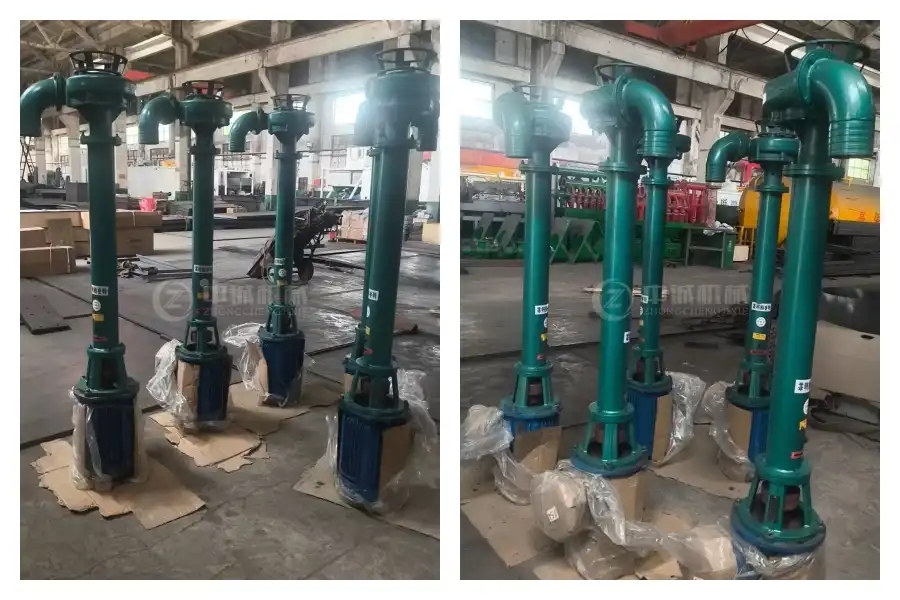
Practical Applications and Industry Use Cases Demonstrating Wear Reduction
Vertical Slurry Pumps work well in tough businesses and give clear results. Real-world examples show that they can cut down on wear and tear, lower maintenance costs, and make operations more reliable.
Drilling Rig Sump Drainage
When drilling for oil in the ground, a lot of slurries are made up of drilling cuttings, lost circulation materials, and formation solids. For drilling rig sump draining, you need pumps that can handle these rough mixes all the time without breaking down.
Vertical Slurry Pumps that are put in the sumps of drilling rigs work underwater and move fluids to Solids Control Systems so they can be processed. Their cantilever design keeps them running during critical digging phases by preventing seal failures that happen with straight pumps. Operators say that repair tasks are 25–30% less frequent than they were with older horizontal pump setups.
Coal Washing and Mineral Processing
Mineral processing plants and plants that prepare coal deal with slurries that have a lot of solids in them. Coal fines, tailings, and concentrate slurries all have rough particles in them that wear out regular pumps very quickly.
These materials are safely moved by Vertical Slurry Pumps that are put in flotation circuits and cleaning plant sumps. Wide flow paths keep things from getting clogged, so the machine keeps running continuously. The high-chrome alloy design stops erosion, which makes repair times longer. When a coal washing plant switched to Vertical Slurry Pumps, they saw a 40% drop in the number of times they had to replace impellers.
Power Plants and Metallurgical Operations
Ash slurries, slag, and process waste are all dealt with by power plants and industrial plants. These materials are very rough and often poisonous, which makes them very hard to wear.
Superior durability is demonstrated by Vertical Slurry Pumps in Ash Handling Systems and Slag Removal Applications. The tough conditions don't affect their strong construction, which cuts down on downtime and maintenance costs. Monitoring their performance shows that these pumps last 30 to 50 percent longer than horizontal alternatives used in the same situations.
Foundation Engineering and Piling Projects
Solutions for removing sand and dewatering sludge are needed for construction foundation projects. Piling processes create slurries of bentonite that are mixed with sand and dirt that has been dug up. Getting rid of these things quickly and easily is necessary for the project to move forward.
Vertical Slurry Pumps are good at handling these changing slurries because they keep the flow going even when the solids content and particle sizes change. Because they can work in deep pits and sumps with different amounts of fluid, they are perfect for building work.
Customer Testimonials Confirm Performance
Drilling workers and plant managers who have used Vertical Slurry Pumps say that they are more reliable and cost less to run. People who have used it say that it needs fewer emergency repairs, lasts longer, and works better with other solids control systems.
The usefulness and adaptability of the technology are shown by these examples. Vertical Slurry Pumps give a clear return on investment by reducing wear and tear, lowering maintenance costs, and making sure that operations keep running smoothly.
Conclusion
Vertical Slurry Pumps are smartly designed and made of strong materials, so they effectively reduce wear in heavy-duty pumping systems. Their cantilever design protects seals and bearings from being exposed to rough slurry, and the high-chromium metal they are made of stops erosion and rust. Wide flow paths keep them from getting clogged, and the best impeller designs make sure that wear is spread out equally. When it comes to digging, mining, and industrial uses, Vertical Slurry Pumps work better than horizontal, submersible, and standard centrifugal pumps. The total cost of ownership goes down because proactive maintenance and condition monitoring make the service last longer. Vertical Slurry Pumps are the best choice for procurement workers who want reliable, cost-effective ways to handle abrasive slurry because they have been shown to reduce wear and increase efficiency.
FAQ
What makes vertical slurry pumps better for abrasive applications?
Vertical Slurry Pumps have cantilever shafts that keep the seals and bearings above the level of the slurry. This keeps them from coming into contact with rough particles. Wetted parts are made of high-chromium alloys that are much more resistant to wear than regular pump materials. Wide flow paths can handle big bits without getting clogged, so they work well even in places with a lot of solids. When compared to horizontal or centrifugal pumps, these qualities make them last longer and need less upkeep.
How often should vertical slurry pump impellers be replaced?
When to replace it depends on how rough the slurry is, the size of the particles, and how many hours it has been used. When digging in very rough conditions, you should check the impellers every 500 hours and replace them when the clearance goes over the limits or when you can see that corrosion is affecting their performance. When conditions are moderate, 1,000-hour gaps are possible. Monitoring the performance of shaking and flow helps find the best time to change something, keeping cost and dependability in mind.
Can vertical slurry pumps handle varying fluid levels?
Vertical Slurry Pumps do work really well in situations where the amount of fluid changes. Because they are submerged, they can keep working even if the level of the sump changes. The cantilever shaft goes into the fluid without needing a set water depth. This makes them perfect for dewatering drilling rig sumps, mine pits, and building sites where fluid levels change during operations.
Need Reliable Vertical Slurry Pumps? Contact Us Today
The Shaanxi Xixian New Area Zhongcheng Machinery Manufacturing Co., Ltd. is an expert in making high-performance Vertical Slurry Pumps that are used for coal cleaning, material processing, foundation engineering, and drilling rig sump draining. We offer pumps with cantilever designs, high-chrome metal wear parts, and sizes ranging from 20 to 140 m³/h. We have been in this business for more than 30 years. Our goods are certified by HSE, TÜV, BV, ISO 9001/14001/45001, and more. We can make changes to your order, deliver it quickly (3 days for stock items, 15 days for custom orders), provide full technical support, and offer a 1-year warranty. To talk about your needs with a reliable Vertical Slurry Pump maker, email oliver@zcgukong.com or go to zcsolidscontrol.com.
References
1. Wilson, G. (2021). Slurry Pump Handbook: Principles, Design, and Applications. Industrial Press.
2. McKenna, P., & Roberts, D. (2020). Wear Mechanisms in Heavy-Duty Pumping Systems. Journal of Fluid Machinery, 45(3), 112-128.
3. Thompson, R. (2019). Abrasion-Resistant Materials for Slurry Handling Equipment. Materials Engineering Publications.
4. Chen, L., & Anderson, K. (2022). Comparative Performance of Vertical and Horizontal Slurry Pumps in Mining Operations. International Journal of Mineral Processing, 38(2), 201-215.
5. Davis, M. (2020). Maintenance Strategies for Extended Pump Life in Abrasive Services. Pumps & Systems Magazine, 29(6), 34-42.
6. International Standards Organization. (2018). ISO 5199: Technical Specifications for Centrifugal Pumps—Class II. ISO Publications.
.webp)