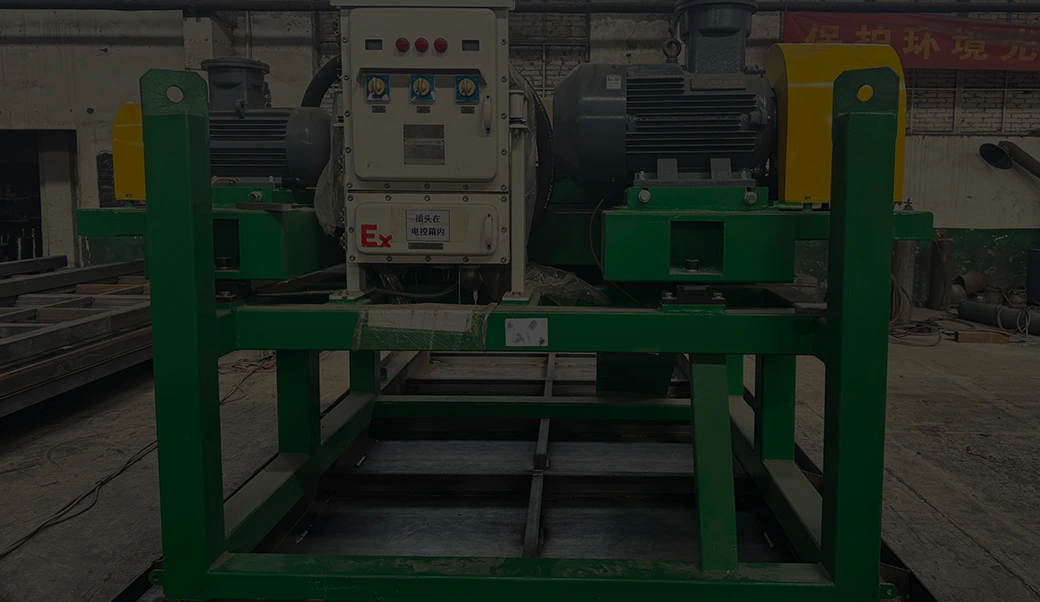
A mud gun is a specialized high-pressure jetting device installed inside drilling mud tanks to eliminate dead zones and prevent solids from settling at the tank bottom. By directing high-velocity fluid through a nozzle, it continuously agitates drilling fluid to maintain uniform density and stable rheology. In oilfield operations, unchecked sedimentation of heavy additives like barite causes density inconsistencies that threaten wellbore stability. A properly selected and installed mud gun works alongside the broader solid control system to protect drilling fluid quality, reduce waste, and keep rig operations running without interruption.
Understanding Mud Guns and Their Role in Oilfield Drilling
What a Mud Gun Actually Does
A mud gun shoots high-speed, pressurized drilling fluid through a nozzle. This creates a jet action that breaks up solids that have settled in the corners and bottom of mud tanks, where mechanical agitators can't reach. This hydraulic movement keeps the fluid density the same throughout the whole tank and stops heavy solids like barite from settling to the bottom. Without this tool, dead zones form quickly, which weakens the mud's ability to protect the wellbore.
Core Components and Operating Principles
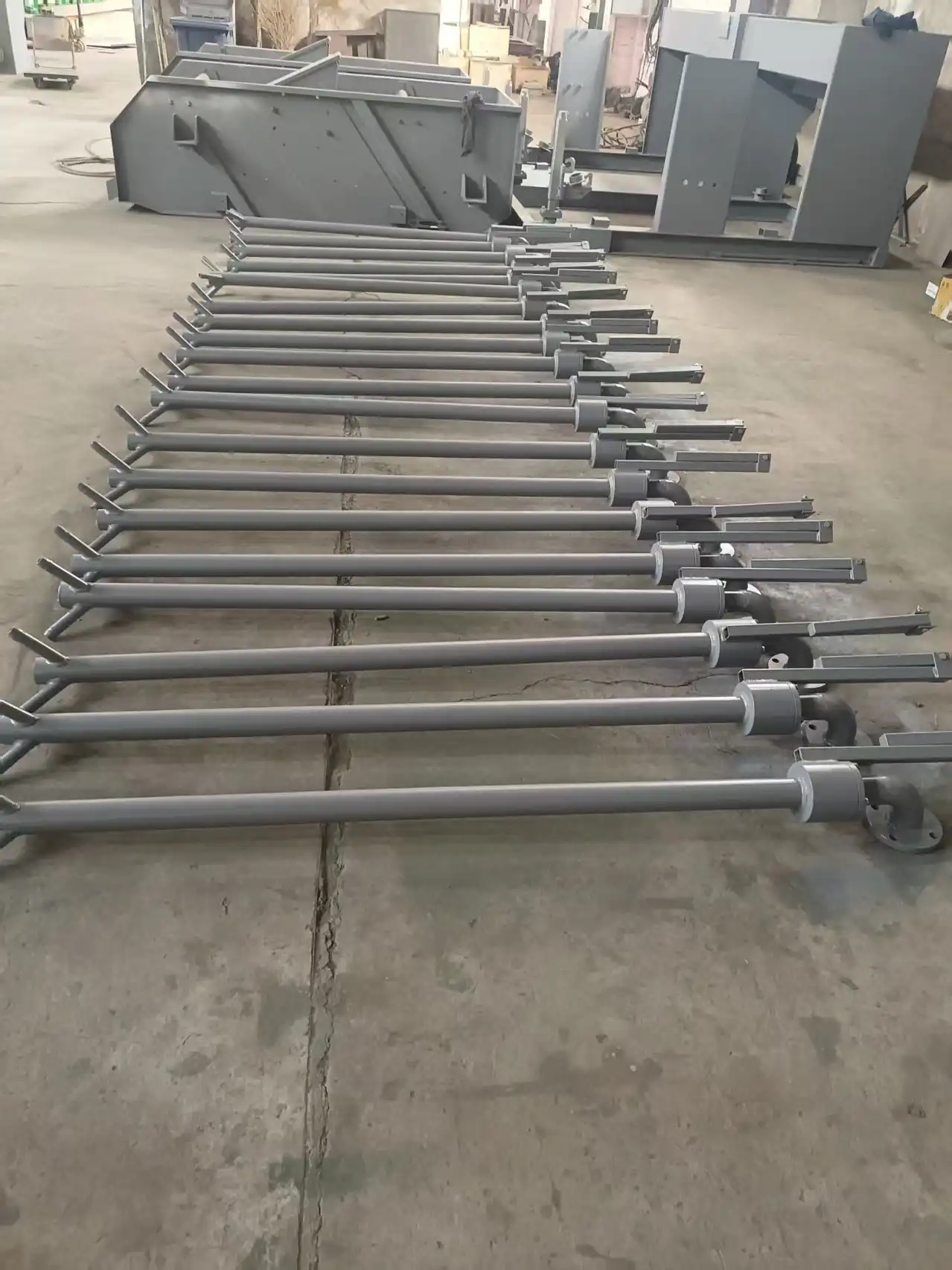
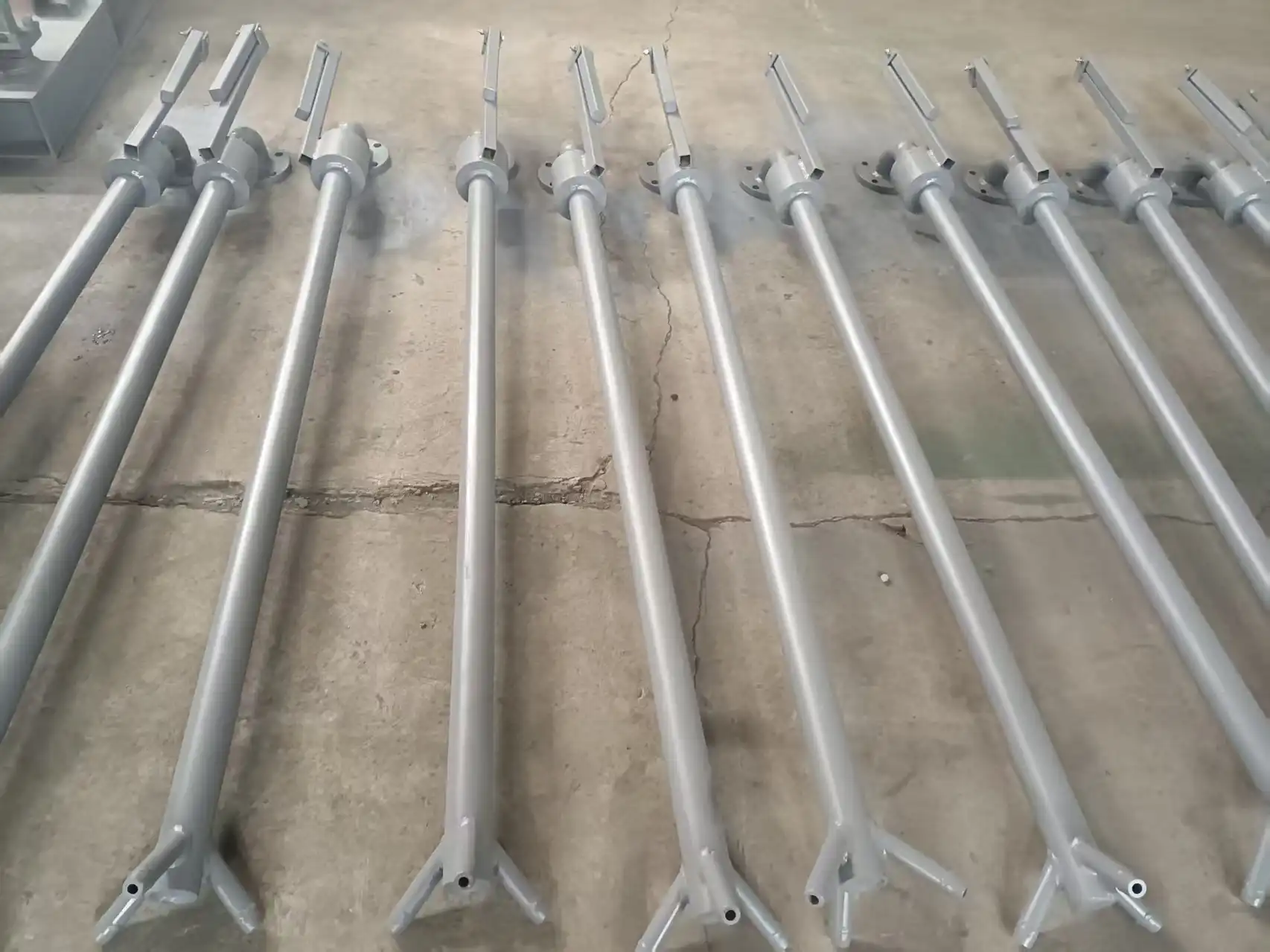
The machine has an input pipe, a swivel joint or a fixed fixing, and a hardened tip that is the right size for the jetting speed. Rotary types can be turned in any direction, while set guns can only aim at a certain area. The operating pressure sends fluid through the nozzle quickly enough to reach the corner of the tank that is farthest away. To fit different tank sizes, ZHONGCHENGJIXIE mud guns come with nozzles that are 50 mm or 80 mm in diameter and work at 3.2 MPa or 6.4 MPa of pressure.
Mud Gun vs. Mechanical Agitator
A lot of engineers want to know if a tank stirrer can completely take the place of a pumping device. No is the short answer. A motorized agitator moves the fluid around in the bulk, but its spinning impeller doesn't do much to move fluid in corners or faraway areas. A mud gun uses directed jet force to go right at those trouble spots. When used together, the two devices cover the whole tank, cut down on chemical use, and make the mud system last longer. The jetting tool doesn't need any electricity to work when it's connected to an existing mud pump, which saves money on energy costs.
Key Considerations for Selecting the Right Mud Gun
Pressure Rating and Nozzle Design
The first step in choosing is to make sure that the working pressure is right for the job. High-pressure models with 6.4 MPa work best in large tanks with dense, heavy muds that need to be stirred up quickly to break up barite packs. Versions with less pressure (3.2 MPa) are used for fluid systems that are lighter and tanks that are smaller. The jetting range and coverage area are directly affected by the shape of the nozzle, so the size of the nozzle needs to match the mud pump's discharge capacity.
Material Durability and Chemical Compatibility
Drilling fluid has solids, salts, and chemicals that are very rough and quickly wear away normal steel parts. ZHONGCHENGJIXIE makes its nozzles and body parts from materials that don't wear down or corrode and keep the spray flow stable even when the machine is running all the time. This is not a small thing: valve wear makes the flow rate change without warning and makes it hard to control the density of the mud. By choosing the right material type during the procurement process, you can keep the equipment from needing to be replaced too soon and save money on upkeep costs over its lifetime.
Fixed vs. Rotary Nozzle Selection
These are the two main types of nozzle configurations and when each one is used:
- Fixed nozzle type: Directs the jet at a fixed angle toward a predetermined dead zone. It suits installations where the tank geometry is straightforward, and the problem area is well defined. The simple structure requires minimal maintenance and performs consistently over long operational periods.
- Rotary nozzle type: Allows manual angular adjustment, making it the preferred choice for large or irregularly shaped tank compartments. The swivel mechanism enables the operator to redirect the jet without disassembling the unit, which shortens reconfiguration time during rig moves.
Both versions have the same stable spray performance and structure that doesn't wear down easily. Which one to use relies on how the tank is set up, how heavy the fluid is, and whether cleaning needs change for different wells or projects.
Installation, Operation, and Maintenance Best Practices
Correct Mounting Procedures
Position the mud gun so that its jet moves across the bottom of the tank and toward the corner farthest from the inlet, helping promote effective fluid circulation. Before startup, make sure the inlet connection is completely sealed and that the pressure in the supply line matches the rated working pressure of the mud gun. Every mud gun supplied by ZHONGCHENGJIXIE comes with complete installation plans, commissioning support, and operating instructions. This documentation can make it easier for rig workers installing a mud gun for the first time to understand the equipment and operate it correctly. Proper installation and commissioning of the mud gun can also help support stable performance and reliable mud mixing throughout drilling operations.
Operational Safety and Training
Before they open the jetting valve, operators must make sure the mud pump is running at the right pressure. Do not point the nozzle at people or instruments that are not shielded. Most problems in the field can be avoided with some short training on pressure limits, rotation change, and emergency stop methods. The device's manual rotary adjustment mechanism is easy enough for people working in the field to use without special tools.
Scheduled Inspection and Troubleshooting
Check the nozzle for enlargement caused by wear every 500 hours of use. If the flow rate goes up while the pressure stays the same, this means that the valve is wearing down and needs to be replaced. Check to see if the swivel joint seals are leaking, especially if the mud has fine, rough solids in it. Using seals that are rated for the type of fluid (oil-based or water-based) keeps the seals from failing too soon. If there is a blockage, turn off the supply line and clean the tip before starting up again. Paying quick attention to small wear issues stops bigger system failures before they happen.
Case Studies and Industry Applications
Deepwater and Offshore Drilling Tanks
Large offshore rigs have mud tanks that can hold more than 1,000 barrels of mud in each section. Synthetic-based muds can cost several hundred dollars per barrel, so any waste, settling, or change in density can have a major financial impact. In these demanding environments, a mud gun can help improve circulation and reduce areas where barite and other solids accumulate. When operators install multiple mud gun units around the tank, particularly near corners and other low-flow areas, they can promote more uniform mud movement throughout the system. The use of a mud gun can also help reduce barite sedimentation and improve density consistency between the active system's suction and return sections. For large-volume offshore operations, properly positioned mud gun equipment provides a practical way to support more consistent tank mixing and reduce the risk of costly mud-property variations.
Horizontal Directional Drilling and Geothermal Applications
High-viscosity fluids move through compact mud recycling units in horizontal directional drilling. Solids buildup in the suction line can quickly stop operations. A pumping device put near the suction outlet keeps the fluid moving and stops debris from building up. In geothermal drilling, there is a different problem: high fluid temperatures can make the mechanical agitator motor stop working. A hydraulically driven pumping device doesn't need its own motor to work, which makes it a reliable option for cleaning fluids in hot places.
Performance Data from Field Operations
Field reports from onshore shale gas projects in North America show that adding specialized drilling devices to solid control systems cut down on non-productive time by about 15% caused by changes in mud properties. The amount of mud additives used also went down because remedial chemicals were not needed as much when the density was kept equal. People in charge of buying things and drilling engineers can use these numbers to show how much money they can save by installing new equipment.
Conclusion
One of the least expensive parts of any solid control system is the mud gun. It stops sedimentation, which motorized agitators can't do by themselves, keeps expensive drilling fluid safe, and cuts down on downtime caused by inconsistent mud properties. If you choose the right nozzle diameter, working pressure, and material standard, it will last a long time, even in rough situations like those found in oil, gas, and geothermal drilling. If you install and take care of this device correctly, it quickly pays for itself through less fluid waste and fewer interruptions in operations.
FAQ
What is the difference between a mud gun and a mud agitator?
A motor-driven propeller in a mud stirrer moves large amounts of fluid around in the tank. A jetting device sends fluid under pressure through a nozzle to get to areas that an agitator can't reach, like dead spots in corners. These two things work better together than when they are switched out.
How often should nozzles be inspected?
It is standard practice in the industry to check for nozzle wear every 500 hours of operation. If the flow rate at steady pressure has gone up a lot, it means that the nozzle has worn down and needs to be changed so that the mud density control is accurate again.
Can this device handle oil-based drilling fluids?
Yes. It is important to choose nozzle and seal materials that are compatible with the chemistry of oil-based fluids. This includes choosing the right elastomer grades to ensure reliable performance. ZHONGCHENGJIXIE can help you figure out the best way to set up the materials for your fluid system.
What working pressure suits most onshore drilling applications?
With moderate-weight muds, the 3.2 MPa type works with most normal onshore tank designs. It is suggested that the 6.4 MPa model be used in large tanks with weighted mud systems that need more jetting force.
Is customization available for non-standard tank sizes?
Yes, ZHONGCHENGJIXIE can make special designs for different nozzle diameters, inlet connections, and mounting setups to fit the shape of your rig or tank.
Get a Direct Quote from ZHONGCHENGJIXIE — Trusted Mud Gun Manufacturer
ZHONGCHENGJIXIE has been providing solid control equipment to oil and gas drilling projects around the world for more than 30 years. They have ISO 9001/14001/45001, TÜV, BV, and HSE certifications to back this up. The nozzles on our mud guns for sale have diameters of 50 mm and 80 mm, and the working pressures are 3.2 MPa and 6.4 MPa. In-stock items are sent out within three days, and special requests are sent out within fifteen days. To get specs, drawings, and reasonable prices, email our engineering team at oliver@zcgukong.com or visit zcsolidscontrol.com right now.
References
1. Bourgoyne, A. T., Millheim, K. K., Chenevert, M. E., & Young, F. S. — Applied Drilling Engineering, Society of Petroleum Engineers, 1986.
2. Drilling Engineering Association — DEA-13 Project Report on Drilling Fluid Solids Control, 1993.
3. API Recommended Practice 13C — Drilling Fluids Processing Systems Evaluation, American Petroleum Institute, 2010.
4. Caenn, R., Darley, H. C. H., & Gray, G. R. — Composition and Properties of Drilling and Completion Fluids, Gulf Professional Publishing, 2011.
5. Rabia, H. — Well Engineering and Construction, Entrac Consulting, 2002.
6. World Oil — "Solids Control Equipment Performance in Weighted Mud Systems," World Oil Magazine, 2018.