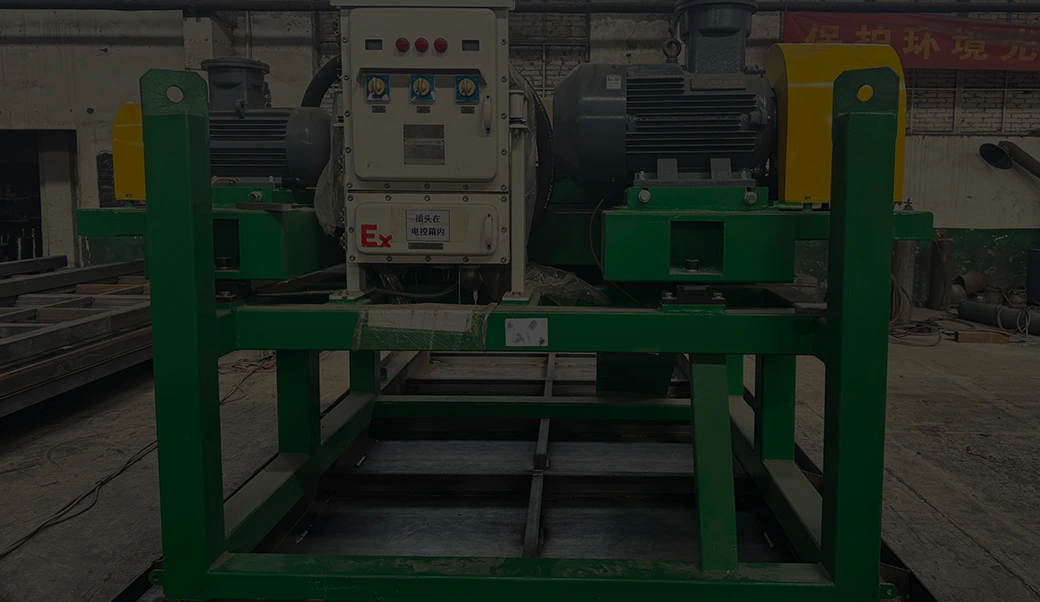
When a gas kick strikes during offshore drilling, every second counts. A mud gas separator (MGS), sometimes called a Poor Boy Degasser or gas buster, is a primary well control device positioned downstream of the choke manifold. It separates large volumes of free gas from gas-cut drilling fluid before that fluid reaches the shaker tanks or mud pits. Without a properly sized and certified MGS on your rig, uncontrolled gas migration can trigger fires, blowouts, or catastrophic equipment failures — outcomes no operator can afford.
Understanding
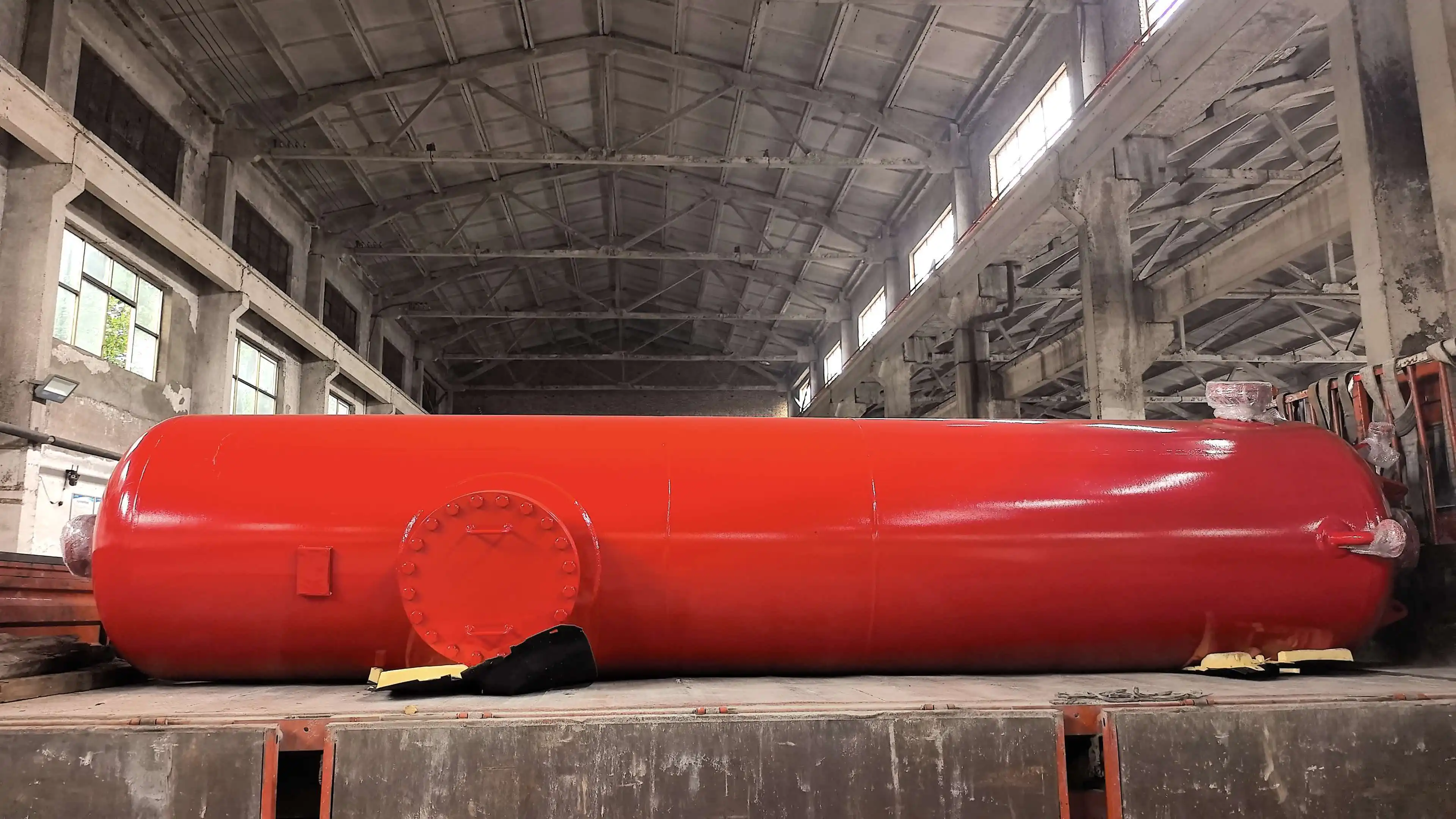
: Function, Design, and Applications
How a Gas Buster Works
Gas-cut mud comes from the choke manifold and is forced through a set of baffle plates inside the device. Gas bubbles that are stuck in a viscous stream are broken free by gravity and contact. The vent line sends the freed gas up to the flare boom, and a U-shaped liquid seal at the base lets the cleaned mud out. The U-tube keeps a determined hydrostatic head that stops gas from leaving through the mud release path. This is called "blow-through."
Design Types for Offshore Conditions
There are two main types of vessels: those with a closed top and those with an open top. For offshore uses where space is limited and environmental rules are strict, closed-top designs are the norm. These work with positive working pressures between 1.6 and 6.4 MPa. Most vessels are between 600 mm and 1,200 mm in diameter, and they can be up to 6 meters tall. Here is the full diameter range of the ZHONGCHENGJIXIE MGS line. It comes with an explosion-proof electronic ignition device as standard.
Key Application Scenarios
Most mud gas separator (MGS) deployments are based on three common field scenarios. When drilling in deep-water offshore environments, vacuum degassers may not handle the rapid increase in gas during a kick, making a high-capacity mud gas separator (MGS) essential for maintaining mud-system safety. Unexpected gas flows in high-pressure, high-temperature (HPHT) wells require a safety buffer that standard equipment may not provide, and a properly configured mud gas separator (MGS) can provide an additional stage of gas-liquid separation. The mud gas separator (MGS) is also used in managed pressure drilling (MPD) and underbalanced drilling (UBD) as a secondary separation system, allowing gas to escape safely while the cleaned drilling fluid returns to the main circulation system.
Comparing Mud Gas Separators with Related Equipment
MGS vs. Vacuum Degasser
Under normal drilling conditions, a vacuum degasser takes out small amounts of dissolved or finely entrained gas from mud that is being circulated. An MGS deals with a lot of free gas during an active kick, which is a very different working condition. When you mix these two devices together, you end up with equipment that is too small and has major safety holes. The rule in the business is clear: vacuum degassers remove gas on a regular basis, while the MGS separates gas in an emergency.
MGS vs. Shale Shaker
Shale shakers use rotating screens to target solid products like drill solids, sand, and small particles. In charge of gas, they have no part. Putting gas-cut mud on a shale shaker before running it through an MGS exposes the area around the shaker to poisonous or flammable gas, which is not appropriate. When a kick is detected, the MGS comes first in a solid control system that is set up correctly. The shaker and processing equipment further down the line come next.
Selecting the Right Model
The right MGS model is chosen by three technical factors: the expected highest gas flow rate, the mud flow rate through the choke, and the density of the mud. The required vessel diameter, liquid seal height, and working pressure rating are all based on these parameters. Also, procurement teams should make sure that NACE MR0175/ISO 15156 standards are followed for sour gas settings with hydrogen sulfide (H2S), and that remote electrical parts have at least IP55 protection against electrical damage.
Procurement Guide: How to Choose and Buy the Right Mud Gas Separator
Sizing and Capacity Considerations
The right size is required; a gas buster that is too small will let gas blow through, which defeats the whole point. Engineers figure out how big a vessel needs to be by looking at how fast the mud is moving at the entrance and how fast the gas is flowing. The output of the choke manifold must match the working pressure rating. Working pressures range from 1.6 MPa to 6.4 MPa, and body widths range from 600 mm to 1,200 mm. These ranges cover all ZJ30 through ZJ90 rig designs.
Evaluating Suppliers and Certifications
Certification compliance is a must-have standard when evaluating a supplier of a mud gas separator (MGS). Check for ISO 9001 quality management, ISO 14001 environmental management, and ISO 45001 occupational health and safety certifications. Also look for HSE compliance and third-party approvals from organizations such as TÜV or BV. ZHONGCHENGJIXIE has these certifications and approvals and has supplied mud gas separator (MGS) equipment to drilling sites around the world, both onshore and offshore. The company ships in-stock mud gas separator (MGS) units within three days and custom orders within fifteen days, helping procurement teams plan equipment delivery more efficiently.
Total Cost of Ownership
The purchase price is only one part of the cost equation. A unit with NACE-compliant materials, no moving parts, and an epoxy coating that is resistant to chemical and wear will last many years longer than cheaper options. When comparing suppliers, you should look at how easy it is to get spare parts, how long the warranty lasts (ZHONGCHENGJIXIE offers a one-year warranty), and how much technical support is available after the sale. Modular designs that are placed on skids also cut down on the cost of installation work and make set-up faster.
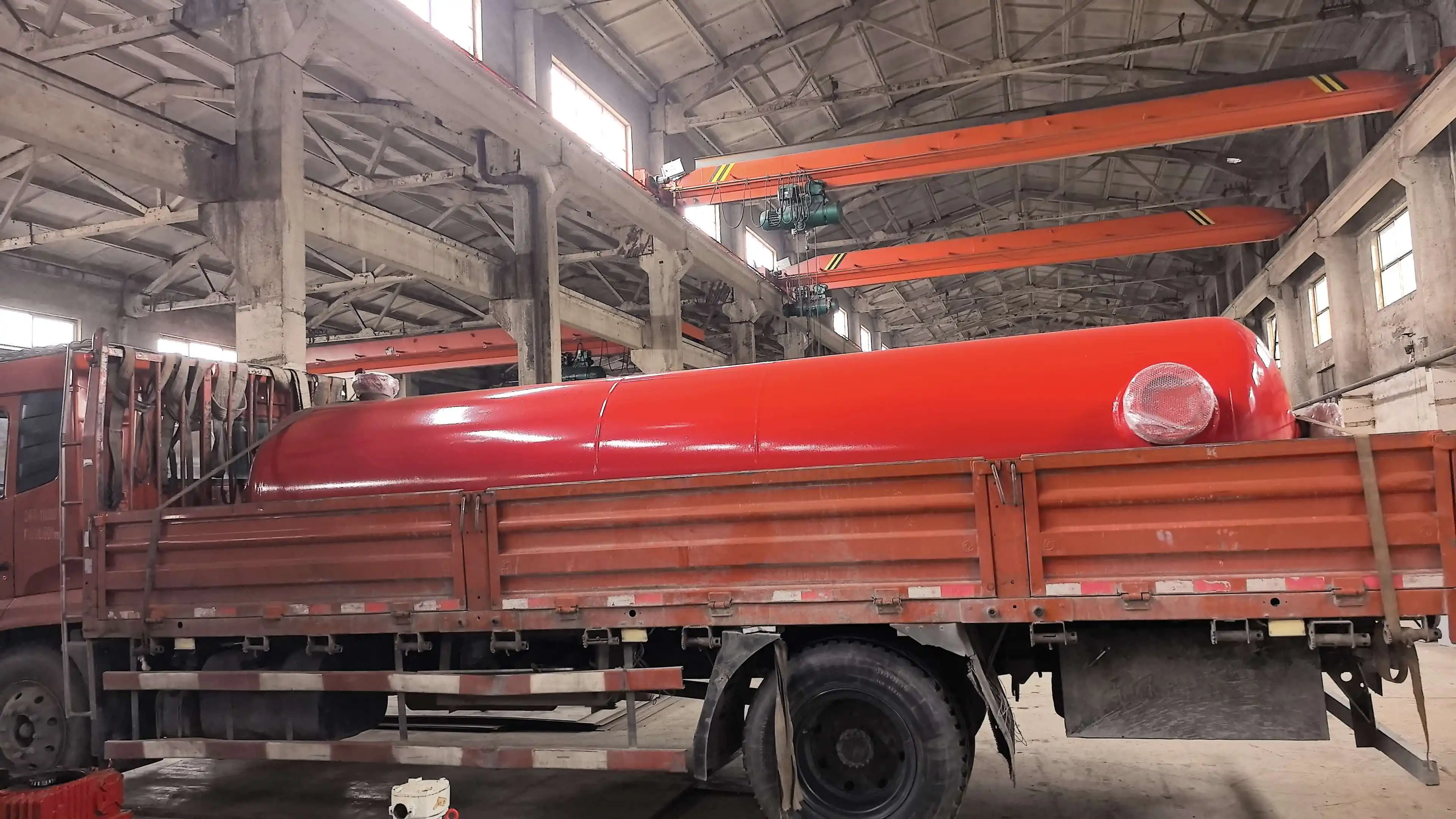
Operation, Maintenance, and Troubleshooting of Mud Gas Separators
Safe Operating Procedures
Before you turn on the MGS, make sure the vent line to the flare boom is clear, and the level of the liquid seal meets engineering standards. Always keep an eye on the inlet pressure; quick pressure jumps mean that a lot of gas is coming in. Before each well section, the explosion-proof electric starting device should be checked to make sure it works properly. With the remote control feature, users can safely control the unit from a distance when it's active.
Preventive Maintenance Schedule
Regular inspections keep things in good shape and keep them from breaking down without warning. After each section of the well, flush the vessel through the built-in bottom flush ports to get rid of any cuttings and sand that have built up. Check the inside baffle plates for damage from fast-moving abrasive flow. Check the U-tube drainage holes to make sure they are properly sealed, and look at the epoxy finish to make sure it is solid. Testing the hardness of welds in bad service conditions makes sure that NACE standards are still being followed.
Common Troubleshooting Scenarios
Most field records show two common types of failure in a mud gas separator (MGS). The first is gas blow-through, which occurs when gas exits through the mud discharge line instead of the vent. This can happen when the liquid seal height is too low, or the mud density is below the design parameters of the mud gas separator (MGS). The second is inlet blockage caused by solids buildup, which can be identified by rising inlet pressure without a corresponding increase in gas flow. Both problems require immediate attention: flush the mud gas separator (MGS) and compare the new liquid seal head with the weight of the drilling mud. Regular inspection and maintenance of the mud gas separator (MGS) can help reduce the risk of these failures during drilling operations.
Future Trends in Gas Separation Technology
Digital Monitoring and Remote Management
Offshore operators want data from well control equipment in real time more and more. Pressure transmitters, flow sensors, and remote monitoring systems that send data to rig control rooms and onshore operations centers are being built into the separators of the future. This change cuts down on the number of people who need to be near the unit during high-risk situations and speeds up the response time when operating parameters move outside of safe limits.
Material and Coating Advances
Wear-resistant metals and advanced polymer coatings are being studied to extend vessel repair times in settings with a lot of solids and hydrogen sulfide.
Adapting to Deeper and More Complex Wells
As deepwater and ultra-deepwater targets become more common, gas influx volumes and pressures at the seabed increase substantially. Equipment designed for working pressures up to 6.4 MPa, combined with automated blow-through prevention systems, positions the next generation of separators to handle these more demanding conditions without major redesign cycles.
Conclusion
A reliable mud gas separator (MGS) is essential for maintaining safe and efficient drilling operations, especially in offshore, HPHT, MPD, and UBD applications where rapid gas influx control is critical. By separating large volumes of free gas from gas-cut drilling fluid, an MGS helps protect downstream equipment and supports safer well control procedures.
Choosing the right MGS requires careful consideration of working pressure, vessel capacity, material standards, and supplier experience. With certified manufacturing, customizable configurations, and technical support, ZHONGCHENGJIXIE provides mud gas separator solutions designed to meet the demanding requirements of modern drilling projects.
FAQ
What is the difference between an MGS and a vacuum degasser?
An MGS handles large volumes of free gas during an active kick or overflow event. A vacuum degasser removes small amounts of dissolved gas from recirculating mud under normal conditions. These two devices perform different functions and are both necessary in a complete solids control system.
Can a gas buster be used in H₂S service?
Yes, provided the vessel is manufactured from materials compliant with NACE MR0175/ISO 15156 and has undergone post-weld heat treatment where required. Always verify the hardness testing documentation before deploying in sour gas environments.
How is blow-through pressure determined?
Blow-through pressure equals the hydrostatic head created by the liquid seal — calculated as the mud density multiplied by gravitational acceleration multiplied by the U-tube fluid height. If gas pressure at the inlet exceeds this value, gas will escape through the mud outlet.
What maintenance is required after a well is completed?
Flush accumulated solids through the bottom flush ports, inspect baffle plates for erosion, check vent line integrity, and verify that the U-tube drainage valves seal correctly. Document all inspection results for compliance records.
Partner with ZHONGCHENGJIXIE for Your Next MGS Project
ZHONGCHENGJIXIE makes certified mud gas separator (MGS) units for drilling both on land and offshore. These units have working pressures ranging from 1.6 MPa to 6.4 MPa, diameters ranging from 600 mm to 1,200 mm, and they are fully compliant with TÜV, BV, and ISO standards. We are a straight maker of mud gas separators and have worked in the field for more than 30 years. We offer reasonable prices, three-day shipping on stocked units, and full technical documents. To talk about your rig needs right away, email us at oliver@zcgukong.com or go to zcsolidscontrol.com.
References
1. Journal of Petroleum Technology — Society of Petroleum Engineers, 2021.
2. Well Control Manual — International Well Control Forum (IWCF), 2020.
3. API Recommended Practice 16ST: Surface Well Control Equipment for Land and Marine Drilling Operations — American Petroleum Institute, 2015.
4. NACE MR0175/ISO 15156: Petroleum and Natural Gas Industries — Materials for Use in H₂S-Containing Environments — NACE International / ISO, 2015.
5. Drilling Engineering — J.J. Azar & G. Robello Samuel, PennWell Corporation, 2007.
6. Offshore Drilling Technology and Safety Management — Petroleum Industry Press, 2019.