The Tank Bottom Valve improves manual flow control by giving operators direct, tactile command over drilling fluid movement at the base of mud tanks. Unlike automated alternatives, the handwheel mechanism converts rotational input into precise vertical stem travel, producing gradual, measurable flow changes. This mechanical advantage matters enormously on active drilling sites where operators must switch between tanks, prevent backflow, and maintain consistent mud properties — all without electronic dependency. With nominal diameters ranging from 200mm to 400mm and a self-locking screw structure, this valve type delivers stable, reliable control even in high-vibration field conditions.
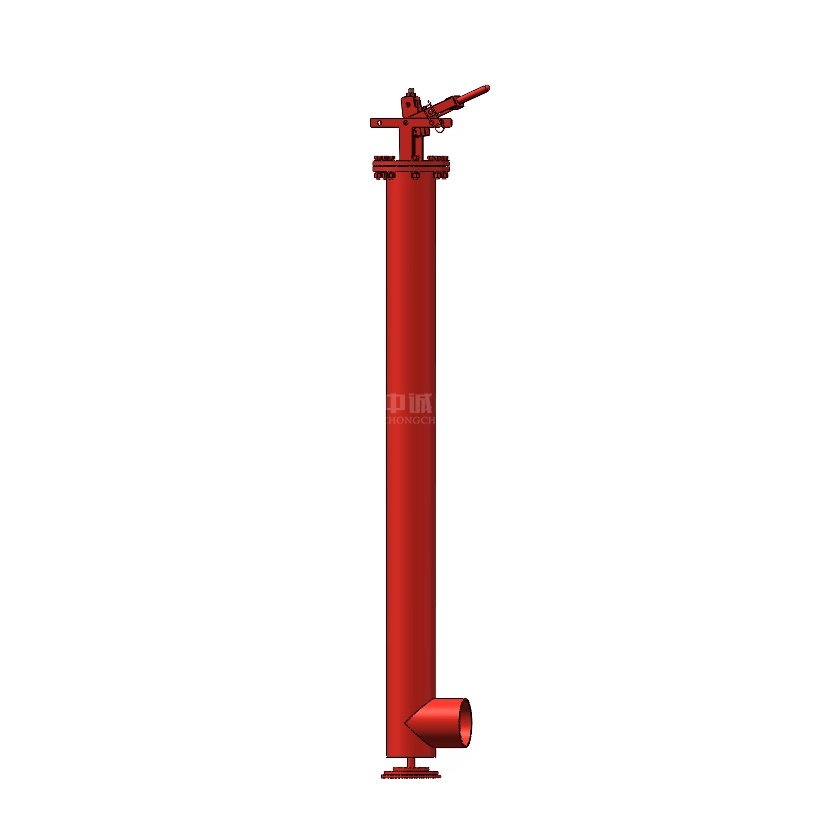
Understanding the Handwheel Type Tank Bottom Valve: Design and Functionality
What It Is and Where It Fits
A tank bottom valve is an important part of controlling flow that is put at the bottom of a mud tank's suction pipe. Its job is to control how drilling fluid is stored, moved, and switched between tanks in different directions. The handwheel type is at the very top of a long, vertical stem. This lets it be used at ground level while the valve body stays buried at tank depth.
Core Construction Features
Because drilling mud contains sand, cuttings, and chemicals that can wear down metals, the valve body usually has a wear-resistant alloy or a special synthetic rubber for the seat and core. The stem of the valve is usually made of chrome-plated carbon steel, which is strong and doesn't rust. The inner mud pressure and the cylindrical valve core or rubber sealing surface work together to make a self-reinforcing seal. As the pressure rises, the seal gets tighter on its own.
Technical Specifications at a Glance
ZHONGCHENGJIXIE's handwheel bottom valves can fit mud tanks with nominal diameters ranging from 200mm to 400mm, so they can be used in a wide range of configurations. The length of the valve stem can be changed based on the depth of the tank, and the unit at least meets IP55 electrical protection standards. All of our goods meet the standards set by ISO 9001, 14001, 45001, and HSE, and they all have TÜV and BV certifications, which is what most oilfield procurement teams look for before they approve a seller.
Advantages of Handwheel Type Tank Bottom Valves in Manual Flow Control
The handwheel design solves a certain set of problems in the field that automatic systems can't always do cheaply. Here are some of the main ways that this gadget is useful:
- Self-Locking Under Vibration: The screw-drive mechanism has an inherent self-locking property. On drilling sites where constant mechanical vibration is the norm, this means the valve will not drift open or closed accidentally — a safety feature that protects process integrity during tank switching.
- Pressure-Assisted Sealing: The conical valve core relies on both manual downforce and the mud pressure inside the tank. As internal pressure increases, it actually strengthens the seal rather than compromising it, which directly reduces the risk of mud leakage to the surrounding environment.
- Intuitive Position Feedback: Operators can read Tank Bottom Valve - Handwheel Type position by counting handwheel rotations or observing stem travel height. This removes guesswork from partial-open flow throttling and improves mud circulation management.
- Corrosion and Abrasion Tolerance: Material selection for the seat and core accounts for both chemical exposure and solid particle wear, extending service intervals compared to standard cast-iron valves used in less demanding applications.
Because of these benefits, there are fewer unplanned shutdowns, less fluid loss, and safer switching operations. These are all problems that cost oilfield operators a lot of money when they happen over and over again during a drilling program.
Comparing Handwheel Type Tank Bottom Valves with Other Valve Types
Handwheel vs. Pneumatic Valves
Pneumatically operated valves are fast and can be controlled from a distance, but they need a way to get compressed air, control wires, and regular upkeep for the actuators. When flow swapping doesn't happen very often, like when a tank is isolated or slurry is discharged, the extra complexity usually isn't worth the cost. With the handwheel model, those ties are gone for good.
Handwheel vs. Lever Type Valves
Lever valves can open and close quickly, but they aren't very good at throttling and need more force from the user when the width is bigger. The mechanical transmission ratio of the handwheel makes it easier to turn valves with a diameter of 200 to 400 mm. This is important when operators work long shifts or when dirt builds up and causes valve stems to partially seize.
Material Selection for Aggressive Media
It is known that standard carbon steel seats break down quickly in mud that has a lot of chemical additives or abrasive solids. The bottom valves made by ZHONGCHENGJIXIE are made of a wear-resistant metal that makes them last longer without needing to be replaced as often. This lowers the total cost of ownership over the course of a drilling campaign.
Procurement Considerations for Handwheel Type Tank Bottom Valves
It takes more than looking at a price list to find the right bottom valve. Before finishing an order, procurement managers with a lot of Knowledge usually look at the following:
- Customization Depth: Stem length must match actual tank depth, and flange dimensions must align with the existing suction manifold. A manufacturer that cannot adjust these parameters forces field modifications, which introduce risk and delay.
- Certification Verification: ISO 9001/14001/45001, HSE, TÜV, and BV documentation should be available before shipment. These are standard qualification requirements on most oilfield and EPC project-approved vendor lists.
- Delivery Timelines: ZHONGCHENGJIXIE ships stocked standard sizes of Tank Bottom Valve - Handwheel Type within 3 days and completes customized production within 15 days — a timeline that fits most project procurement windows without requiring excessive safety stock.
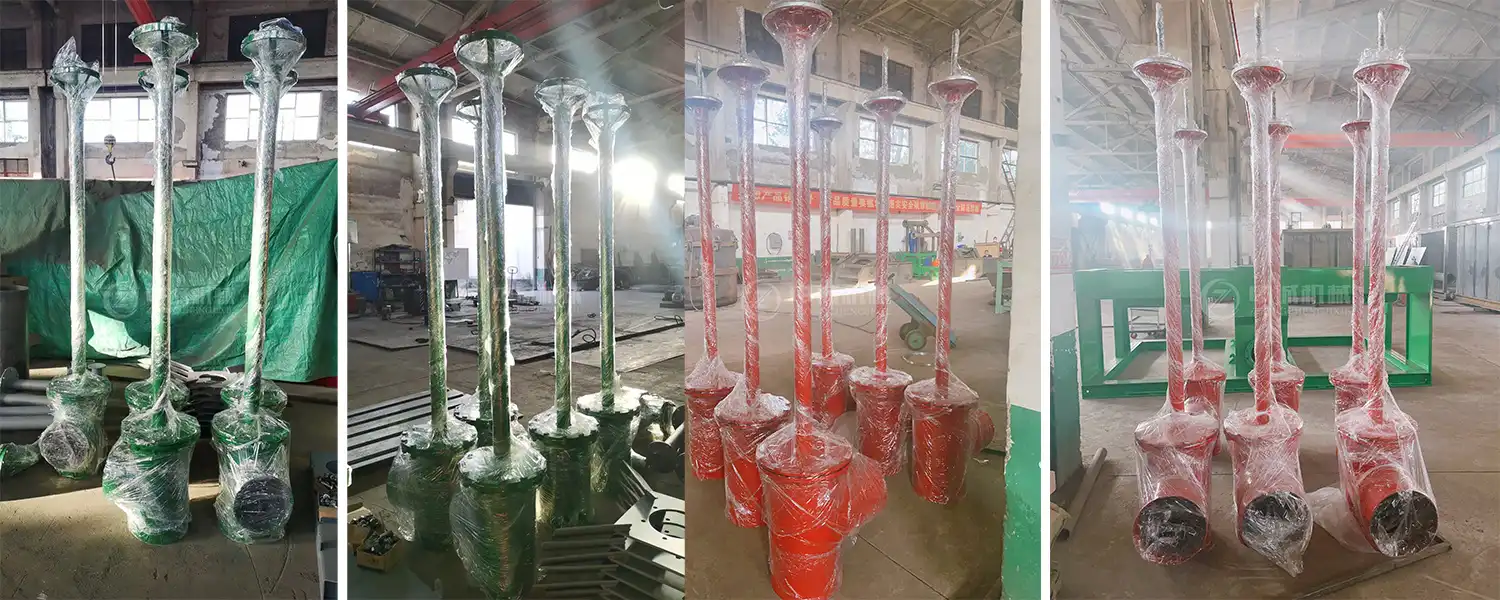
- Packaging for Transport: Equipment is packed with plastic film, rainproof tarpaulins, and strapping. Pallets or wooden crates are available based on project logistics requirements, protecting valves through long-haul shipping to remote field sites.
If you make sure these things are in sync before you buy, legally compliant equipment won't show up too late, wrongly set up, or without the paperwork it needs to pass site safety reviews.
Practical Insights: Operating, Maintaining, and Troubleshooting Handwheel Type Tank Bottom Valves
Correct Operating Procedure
As with most screwdrivers, turn the handwheel clockwise to close and counterclockwise to open. Do not use the extension bars on the handwheel to push it. If the valve needs too much torque to work, it means there is a problem with the upkeep, not a need for more mechanical force.
Routine Maintenance Priorities
Every 500 cycles of operation or after a long period of downtime, check the stem packing and sealing surface. Use a grease that is compatible with the process media to coat the stem threads. Every time the tank is cleaned, the valve seat area should be cleaned so that material doesn't harden around the binding surface. This is what causes the seat to wear out faster than it should.
Troubleshooting Common Issues
Stem movement that is slow or stiff is generally a sign of sediment buildup or not enough lubrication. Seepage past a closed valve that doesn't go away usually means that the seat or seal is worn out and the rubber sealing element needs to be replaced. ZHONGCHENGJIXIE offers a one-year guarantee that covers all production defects. The company's after-sales team also helps with installation, commissioning, and technical documents to support field maintenance teams.
Conclusion
One of the most useful physical flow control tools for mud circulation systems is still the Tank Bottom Valve. Its self-locking screw mechanism, pressure-assisted closing, and wear-resistant construction all work with the real-life conditions found at drilling sites, where there is shaking, rough material, and the need for switching that works every time. When purchasing teams and drilling engineers look at suction manifold parts, choosing a certified, customizable valve from a reputable manufacturer has a direct effect on how well fluids are managed and how safe the site is. The design has been tried and tested; it doesn't need much maintenance, and it's easy to understand how it works.
FAQ
Can the valve stem length be adjusted for different tank depths?
Yes, ZHONGCHENGJIXIE makes the valve stem in lengths that are specific to the depth of the mud tank. This makes sure that the handwheel is at a good working height on the tank base and that the valve body stays in touch with the manifold at the bottom of the tank.
What sealing materials are available for chemically aggressive mud?
The valve seat and core can be made of wear-resistant alloys or a special kind of synthetic rubber that is chosen based on the drilling fluid's chemical makeup. The stem is usually made of chrome-plated carbon steel, but you can ask for a different material if you want to.
Does the valve meet international oilfield certifications?
Yes. The product is certified by ISO 9001, 14001, 45001, and meets HSE guidelines. It is also approved by TÜV and BV. The electrical protection grade meets the minimum standard of IP55, which meets most safety requirements for oilfield sites.
How quickly can replacement parts be sourced?
ZHONGCHENGJIXIE keeps extra parts on hand and backs up long-term supply deals. Standard new stems and seals are ready to be sent out right away.
Is professional installation required?
With every order, installation instructions and help with commissioning are included. This cuts down on the need for outside contractors and speeds up field deployment.
Partner with ZHONGCHENGJIXIE for Your Tank Bottom Valve Supply
ZHONGCHENGJIXIE makes approved Tank Bottom Valve products for drilling companies, oilfield service companies, and EPC project teams all over the world. We are a direct manufacturer of Tank Bottom Valve - Handwheel Type and have been making drilling equipment for over 30 years. We can make configurations that fit your needs, deliver quickly, and provide full technical documentation. To get prices and details, please email our team at oliver@zcgukong.com or visit zcsolidscontrol.com right now.
References
1. Smits, R. & van der Berg, J. — Valve Selection Handbook for the Oil and Gas Industry, Gulf Professional Publishing, 2018.
2. American Petroleum Institute — API 6D: Specification for Pipeline and Piping Valves, API Publishing Services, 2021.
3. Bourgoyne, A.T. et al. — Applied Drilling Engineering, Society of Petroleum Engineers Textbook Series, 1991.
4. International Organization for Standardization — ISO 9001: Quality Management Systems — Requirements, ISO, 2015.
5. Beasley, C. — Drilling Fluid Engineering, Petroleum Extension Service, University of Texas, 2012.
6. Baker Hughes — Drilling Engineering Workbook: A Distributed Learning Course, Baker Hughes INTEQ, 2019.