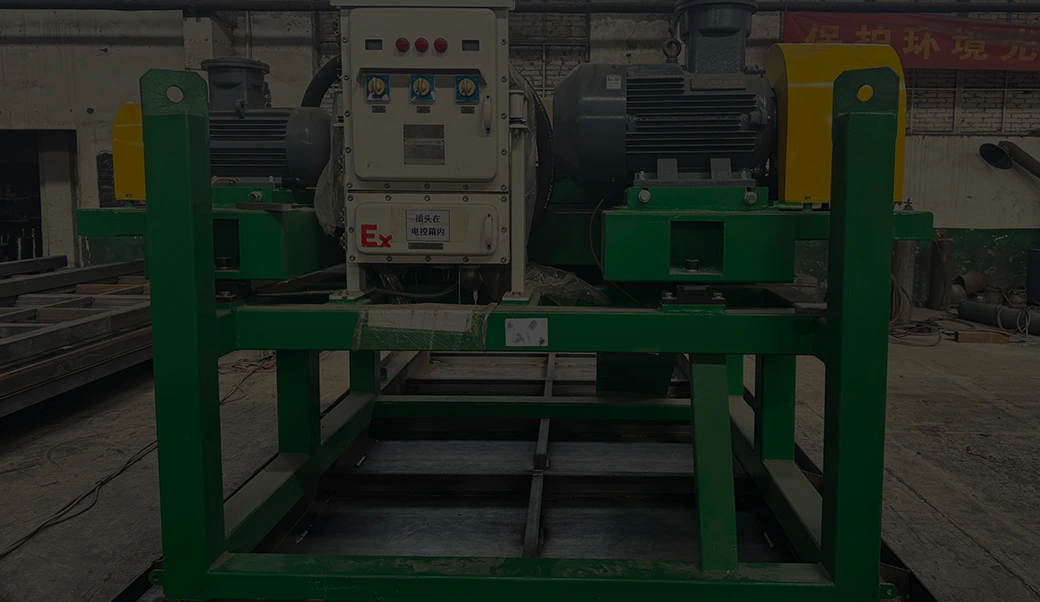
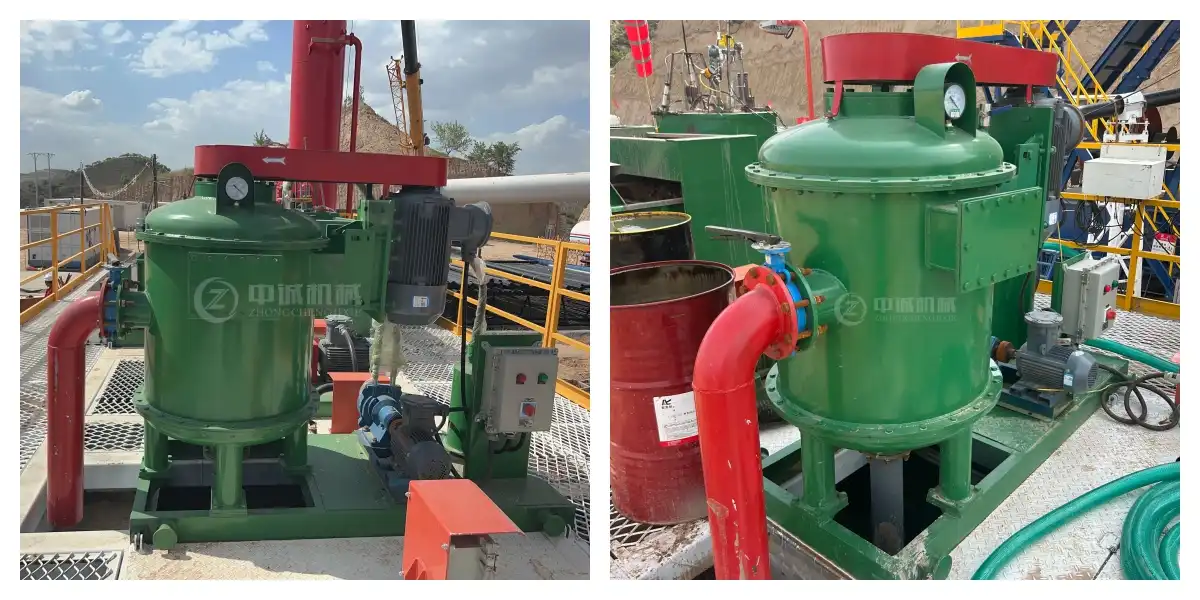
Vacuum Degassers are specialised pieces of equipment used in solid control systems. Their job is to get rid of the gas that gets into drilling fluids and endangers the system's performance and safety. The Vacuum Degasser creates an environment with negative pressure that lets gas bubbles stuck in drilling mud expand. This lets the bubbles separate and escape before the fluid enters equipment further downstream. This process restores the mud's proper density and rheological properties, which stops gas-cut situations that make pumps less effective and wellbore stability worse. When digging for oil and gas, these units are very important because they keep the returned mud within safe operating limits during the drilling process. This is because gas entering during circulation can cause blowouts.
Understanding Vacuum Degassers in Solid Control Systems
Fundamental rules of gases are used to explain how vacuum degassing works. When drilling fluid with dissolved or entrained gases goes into the vacuum chamber, the lower air pressure makes gas bubbles grow very quickly. This growth breaks the surface tension that is keeping the gases in the fluid matrix. This lets the gases rise and be taken out of the system through the vacuum pump's exhaust.
Centrifugal spray mechanisms in modern units spread incoming fluid over a large internal surface area as a thin film. This design lets more gas escape by making the interface between liquid and gas bigger and shortening the distance that gas molecules have to travel to get away. The vacuum pump keeps the negative pressure steady, usually between -0.02 MPa and -0.04 MPa. This is enough for most drilling jobs without affecting the structure's strength.
Benefits for Drilling Operations
In addition to getting rid of gas, these methods make digging more effective in a way that can be measured. Drilling engineers use correct formation pressure estimates to plan safe wells, and restoring mud density makes sure of that. The equipment also keeps centrifugal pumps safe from cavitation damage caused by gas pockets. This makes the equipment last longer and requires less maintenance.
Vacuum degassing is especially useful for operators who work in high-pressure gas formations or when drilling isn't balanced. In these places, gas influx happens a lot, so treatment needs to happen quickly to keep the flow going without tripping out of the hole. The system can handle normal rig circulation rates without stopping the flow of mud back to the rig because it can process 240 to 360 cubic meters per hour.
Integration Within Automated Systems
Vacuum Degassers are part of automated mud management systems when they are combined with programmable logic controls and sensor arrays. Monitoring vacuum levels, fluid flow rates, and discharge quality in real time lets you plan maintenance ahead of time and make changes to how things work. This integration works especially well on offshore sites where it's hard for people to get to the equipment and where running costs are directly affected by how well it works.

Comparison of Vacuum Degassers With Alternative Degassing Technologies
In the degassing market, there are a number of competing methods, and each one works in a different way. Atmospheric degassers use gravity to separate gases and move fluids around without making a vacuum. Even though they are easier to build, they aren't as good at getting rid of finely dispersed gases and need bigger footprints to process the same amount of material.
High-speed spinning is used by centrifugal degassers to sort phases based on their different densities. These units work well with fluids with a high viscosity, but they use a lot more power and make noise levels that might be illegal in the workplace. Because they are more complicated mechanically, they also need more maintenance than vacuum systems.
Functional Efficiency Analysis
Gas flotation systems add air bubbles that cling to particles of contamination and lift them to the surface so they can be skimmed off. This method works well for getting rid of solid particles but not so well for getting rid of liquid gases. Membrane degassers use permeable walls that let gas molecules pass but keep the liquid. They are very good at removing gases, but they have much higher initial prices and can only handle a small amount of work at a time.
Vacuum technology hits a good mix between how well it removes things, how easy it is to use, and how cheap it is. The ZC series Vacuum Degasser has a degassing ratio of more than 95% while still being small enough to fit inside normal shipping containers. Because of these features, Vacuum Degassers are very appealing to drilling contractors who need to move equipment between rigs and manage various sites.
Design Variations and Customization
Manufacturers offer both horizontal and vertical layouts to fit a variety of rig layouts and limited space. Horizontal designs make it easier to do maintenance and install new ones on top of existing mud tank systems. Because vertical units take up less deck space, they are better for remote sites that don't have a lot of room.
Changes in circulation rates between drilling rig classes can be taken into account through capacity customisation. Smaller rigs that move 150 to 200 gallons per minute need different rules than big land rigs that move 800 gallons per minute or more. When operators want to increase capacity, they can add more parallel processing trains without having to completely redesign the solids control system. Motor setups can be changed to work with different power systems, and explosion-proof enclosures that meet ATEX or IECEx standards for dangerous area classification zones are a possibility.
How Vacuum Degassers Are Implemented in Solid Control Systems
Getting the right place in the mud circulation flow line is the first step to a successful execution. The degasser is usually put in right after the shale shakers and before the desanders or centrifuges. This order makes sure that the big pieces are taken out first, which protects the degasser's internal parts and lets the degassed fluid flow to fine-separation equipment further down the line.
Installation Workflow and System Compatibility
For reliable operation, there must be the right height difference between the mud tank and the degasser outlet. It's important that the unit is both low enough that gravity provides enough suction head and high enough that overflow can flow easily to the next tank section without any backpressure. In most installations, there needs to be a difference of 1.5 to 2 meters in height between the liquid level in the feed tank and the inlet of the degasser.
Pay attention to the pipe diameter, valve choice, and support structures when connecting to existing pipe systems. If the suction lines are too small, the pressure drops, which limits the amount that can be processed. If the discharge lines are too big, sedimentation problems may happen. In this case, butterfly valves are better at controlling flow than gate valves. Also, pipe supports need to take vibration damping into account to keep soldered parts from breaking down over time.
Maintenance Protocols and Troubleshooting
Motor control circuits, vacuum pump power supplies, and instrumentation wiring are all examples of electrical integration. Variable frequency drives let workers change the speed of the vacuum pump based on the amount of gas present. This saves power while keeping the treatment effective. When fluid levels drop below certain levels, safety interlocks stop the pump from working. This keeps the seals from getting damaged by dry running.
As part of routine repair, the vacuum pump seal water supply and spray nozzle state are checked. Scale buildup in water-ring pumps makes sealing less effective and causes them to overheat. On the other hand, clogged spray nozzles make fluid distribution uneven, which hurts the effectiveness of separation. Most operational problems can be avoided by doing weekly inspections that include changing the seal water filter and cleaning the nozzles.
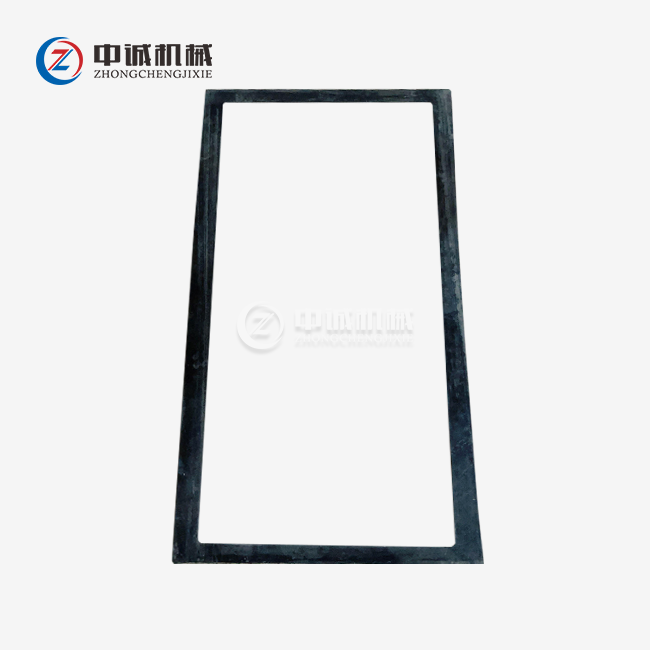
The most common trouble with speed is vacuum leaks in a Vacuum Degasser. During startup, operators should keep an eye on the numbers on the vacuum gauge and set standard values for normal operation. As the pressure drops slowly, it means that leaks are starting to form at the edges of the gaskets or cracks are appearing in the vacuum chamber. Testing with soap solution at possible leak points during operation finds the exact places that need fixing.
Procurement Guide: Choosing the Right Vacuum Degasser for Your Solid State Control System
Understanding the properties of drilling fluid is the first step in defining operational requirements. Oil-based muds with a high viscosity need more aggressive spray patterns and higher vacuum levels than water-based muds. The choice of capacity is based on how much gas is expected to be present. Wells that are drilled through known gas-bearing formations need larger throughput margins than other drilling programs.
Evaluating Manufacturer Capabilities
Procurement managers should look at more than just product specs when they are evaluating possible sellers. Long-term equipment reliability is affected by how well it can be manufactured, how it is checked for quality, and whether it meets all the requirements for certification. The Shaanxi Xixian New Area Zhongcheng Machinery Manufacturing Co., Ltd. has TÜV and BV approvals, as well as ISO 9001, ISO 14001, and ISO 45001 certifications. This shows that they are committed to quality control throughout all of their production processes. Their 30 years of experience in the field and portfolio of patents show that they have a lot of engineering Knowledge that helps them make strong product designs.
The company can offer customised configurations that meet the needs of each job without taking too long. Standard units can be shipped three days after they are stocked, but custom designs with specific motor brands, control systems, or changes to the size of the unit take fifteen days to make. This quickness comes in handy when project deadlines are slashed, or broken equipment needs to be replaced quickly.
Total Cost Analysis and Logistics
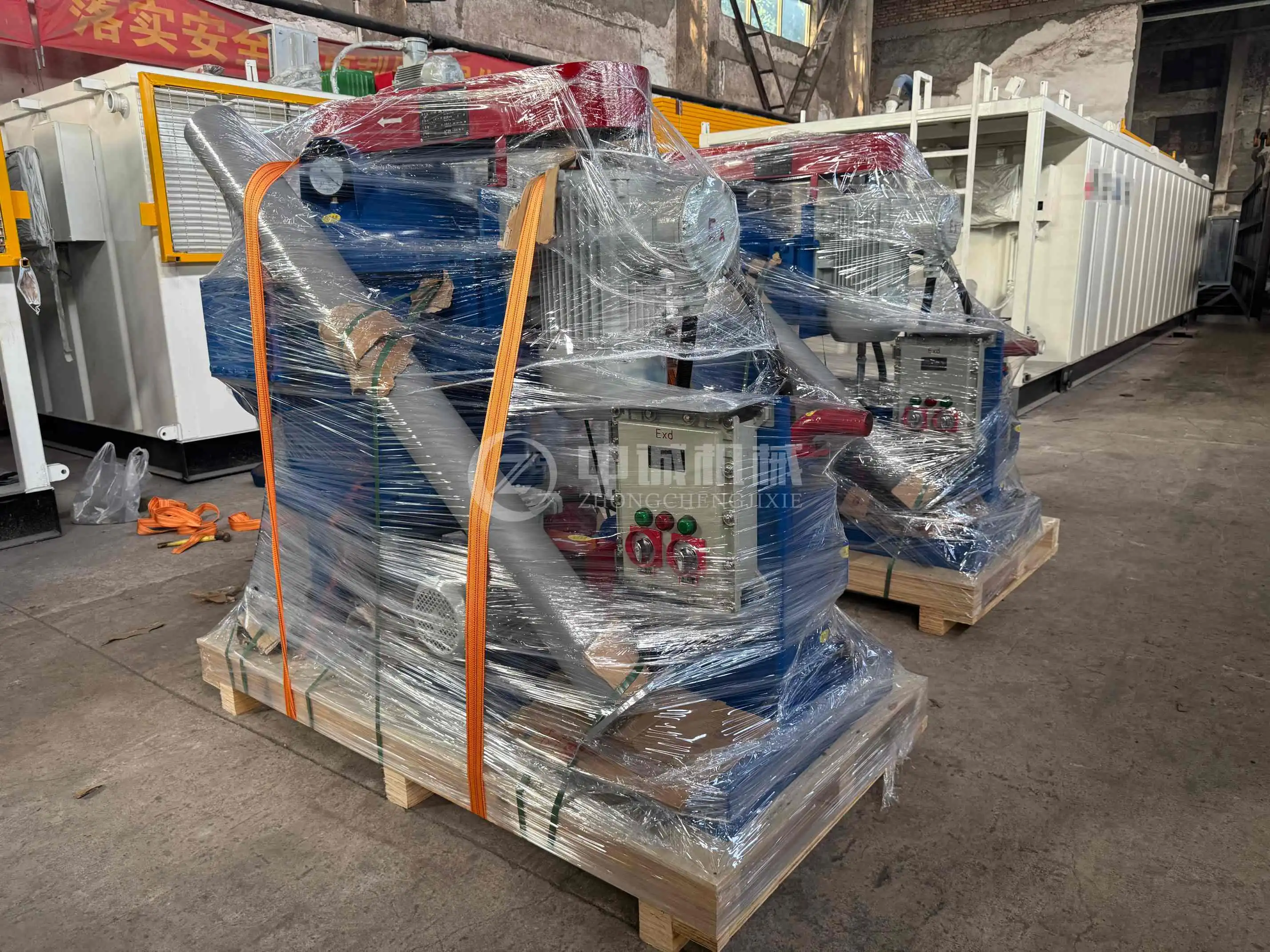
The purchase price is only one part of the total cost of owning. The cost of transportation, the difficulty of installation, the availability of spare parts, and the length of the warranty all affect the long-term economics. The Shaanxi Xixian New Area Zhongcheng Machinery Manufacturing Co., Ltd. wraps equipment in protective plastic film, weatherproof tarpaulins, and strong strapping that can be shipped internationally. Optional crating protects sensitive parts even more while they're being moved between different handling places.
Because they are close to major shipping hubs, they can offer competitive freight rates and a variety of routing options. Technical support packages come with detailed instructions for installation, help with commissioning, and full operation manuals that make startup easier. The one-year promise covers problems with the way the product was made and guarantees that problems that happen after delivery will be fixed quickly.
Future Trends and Performance Optimization in Vacuum Degassing for Solid Control Systems
The next step forward in degassing technology is digital connectivity. Smart sensors that check the vacuum pressure, fluid flow rate, and motor current use create data streams that are used by algorithms that plan preventative maintenance. Condition-based maintenance scheduling cuts down on unplanned downtime by using machine learning models to find subtle patterns of performance degradation that happen before equipment breaks down.
Automation and Remote Monitoring
With cloud-connected control tools, drilling companies can keep an eye on multiple rigs from one place. Degassing efficiency metrics are shown on real-time performance dashboards, which let supervisors know when units need attention before problems get worse. This feature is especially useful for activities that take place abroad, where keeping workers from being exposed to dangerous conditions as much as possible saves money and makes things safer.
When digging conditions change, automated adjustment tools make changes automatically. When sensors find that the return flow has more gas than usual, the control system can speed up the vacuum pump and change the spray patterns to meet the higher treatment needs. These changes keep the quality of the mud constant even when conditions downhole change.
Environmental Compliance and Efficiency Enhancement
Environmental laws that are stricter on drilling pollution are driving the need for better gas collection systems. Vacuum Degassers with better vapour recovery make sure that the gases that are taken away are either safely burnt off or captured so that they can be measured and thrown away according to rules. This containment stops fugitive methane emissions that make drilling operations more harmful to the environment.
Solids control operations can use techniques for process optimisation that come from the manufacturing industry. Lean management principles help find and get rid of steps in mud treatment workflows that don't add value. Six Sigma methods cut down on process variation, which makes sure that the properties of the mud stay the same. This improves drilling performance and cuts down on time spent doing nothing.
Conclusion
For drilling activities that have problems with gas intrusion, Vacuum Degasser technology is important for improving safety and performance. These units are important parts of current solids control systems because they work on tried-and-true concepts, are compact, and can be easily integrated. As drilling projects move into tougher areas with higher pressures and more complicated rock formations, project costs and worker safety are directly affected by how reliable and efficient the equipment is in removing gas. When drilling contractors make equipment purchasing decisions based on quality, supplier capability, and total ownership cost, they can achieve operational success across a wide range of geological and geographical conditions.
FAQ
What distinguishes vacuum degassing from atmospheric degassing methods?
According to the physical laws of gases, vacuum systems actively create negative pressure situations that make gases expand. Atmospheric methods, on the other hand, rely on passive separation through stirring or settling. This active expansion feature lets Vacuum Degassers get rid of smaller gas bubbles more completely and move fluids more quickly while taking up less space.
How does mud viscosity affect vacuum degasser performance?
Gas bubbles have a harder time moving through drilling fluids with a higher viscosity. By making thin fluid sheets with the most surface area possible, the centrifugal spray system in high-quality Vacuum Degassers makes up for this resistance. This design keeps gas release working well even in oil-based muds or water-based systems that have been treated with polymers and have higher viscosity profiles.
What maintenance tasks are most critical for reliable vacuum degasser operation?
Keeping the seal water source clean for water-ring vacuum pumps stops scaling and burning, which lowers the pump's efficiency. Regularly checking and cleaning spray nozzles ensures proper fluid distribution patterns. Periodic vacuum leak testing identifies developing gasket failures before they significantly impact performance. These straightforward maintenance activities prevent most operational problems when performed according to manufacturer recommendations.
Partner With Zhongcheng Machinery for Reliable Vacuum Degasser Solutions
The ZC series Vacuum Degasser technology from Shaanxi Xixian New Area Zhongcheng Machinery Manufacturing Co., Ltd. is ready to help you with your drilling projects. Our factory near Xi'an combines thirty years of experience making oil tools with up-to-date quality control methods that meet world standards. Whether you use standard setups for normal drilling tools or custom specs for complicated projects, our engineering team works with you to find the best solutions that fit your exact operating needs.
We know that drilling contractors and oilfield service businesses need more than just equipment. They also need partners who can respond quickly and provide full help throughout the lifecycle of the equipment. Our expert team offers clear installation instructions, full commissioning services, and ongoing troubleshooting support, all backed by a one-year guarantee. We make sure that delivery times work with your project deadlines by having units in stock that can be sent out right away and unique units that can be made in 15 days. Email our team at oliver@zcgukong.com to talk about your needs with an expert Vacuum Degasser maker who cares about the success of your business.
References
1. Mitchell, R.F., and Miska, S.Z. (2011). "Fundamentals of Drilling Engineering." Society of Petroleum Engineers Textbook Series, Vol. 12.
2. American Petroleum Institute (2017). "API Recommended Practice 13C: Recommended Practice on Drilling Fluids Processing Systems Evaluation." API Publishing Services, Washington, DC.
3. Bourgoyne, A.T., Millheim, K.K., Chenevert, M.E., and Young, F.S. (1991). "Applied Drilling Engineering." Society of Petroleum Engineers Textbook Series, Vol. 2.
4. Chilingarian, G.V., Vorabutr, P., and Nwankwo, O. (2012). "Drilling and Drilling Fluids." Developments in Petroleum Science Series, Elsevier Publishing.
5. International Association of Drilling Contractors (2019). "Solids Control Equipment and Systems: Operations Manual." IADC Technical Publications Division, Houston, Texas.
6. Caenn, R., Darley, H.C.H., and Gray, G.R. (2017). "Composition and Properties of Drilling and Completion Fluids." Seventh Edition, Gulf Professional Publishing, Oxford, United Kingdom.
.webp)