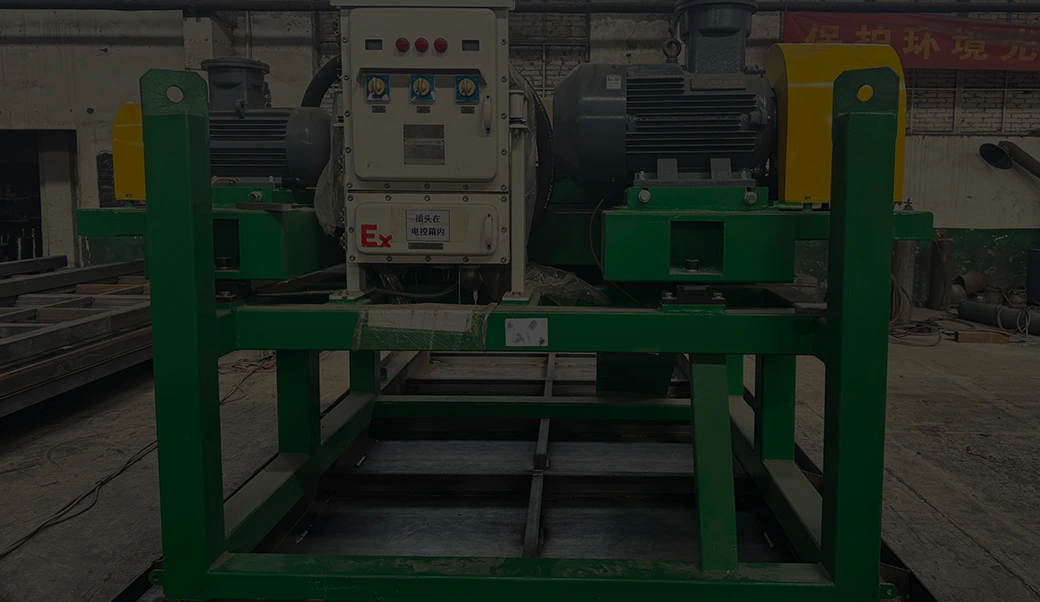
When managing large-scale construction or drilling operations, one of the most persistent operational headaches is handling waste mud and drill cuttings efficiently. Solids Control Systems are purpose-built to tackle this problem. By mechanically separating harmful solid particles from drilling fluid across multiple stages, these systems allow fluid to be recycled, reduce disposal volumes, and keep the entire operation running within environmental limits. For procurement managers and drilling engineers evaluating equipment options, understanding what these systems do — and how to choose the right one — is a practical starting point.
Understanding Solids Control Systems in Construction Projects
What a Solids Control System Actually Does
Before the mud goes back to the drill string, a drilling fluid control system takes out any solids that aren't needed, like rock chips, sand, silt, and small particles. This keeps the viscosity and density of the fluid within the desired ranges. This protects pumps, drill bits, and other downhole equipment from damage caused by abrasion.
The Multi-Stage Separation Workflow
Most systems have four or five stages. The first stage is shale shakers, which filter out large pieces (more than 74 microns). After, vacuum degassers remove any gas that gets stuck inside. Then, desanders with 8–12-inch hydrocyclone cones go after particles between 45 and 74 microns, and desilters with 4-inch cones take care of fines between 15 and 44 microns. It is possible for decanter centrifuges to handle colloidal solids as small as 2 to 5 microns.
Why Construction Projects Specifically Need These Systems
It costs a lot to prepare and dispose of bentonite slurry and polymer mud when they are used in trenchless HDD, slurry shield mining, and diaphragm wall construction. On-site fluid recycling with dedicated Solids control systems can directly reduce material consumption and waste transportation requirements. Properly configured Solids control systems help separate unwanted solids from drilling and construction fluids, allowing the recovered fluid to be reused more efficiently. This approach is especially valuable on urban job sites where available space is limited and environmental discharge requirements are strict. For contractors handling large volumes of slurry, Solids control systems can provide a practical way to improve fluid management while reducing disposal-related costs.
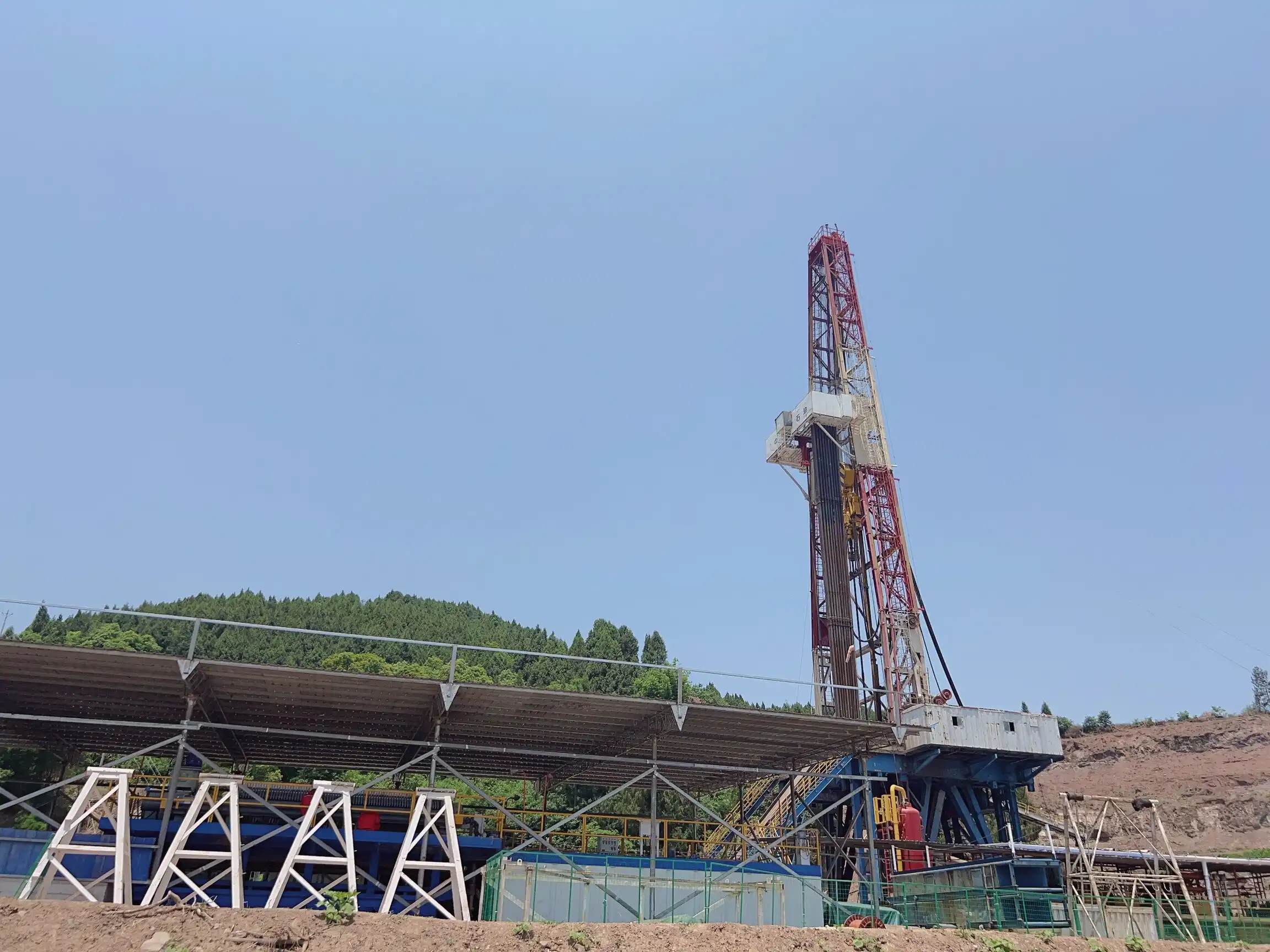
Challenges in Waste Management for Large-Scale Construction and How These Systems Address Them
The Core Problem: Volume, Cost, and Compliance
Without a good separation process, construction sites make a lot of waste slurry that has to be taken somewhere else to be treated. This can go up to hundreds of cubic meters per well when deep drilling is used. Most states in the U.S. no longer allow traditional open-pit disposal methods that meet EPA or local environmental standards. This creates a real compliance risk.
How Mechanical Separation Changes the Equation
When compared to traditional methods, a closed-loop mud drainage system cuts the amount of trash slurry that is released from each well by about 200 to 400 m³. It is possible to recycle more than 90% of the drilling fluid, which greatly reduces the cost of making new mud. As a direct result of less chemical use and dumping fees, per-well running costs can drop by 15–25%.
Automation Features That Reduce Human Error
PLC-based tracking is used in modern systems to keep real-time track of mud density and machine vibration. This stops the kind of slow equipment wear that can cause sudden failure and expensive project delays. Automated control also makes it less necessary to do inspections by hand, which is very important for drilling operations that run 24 hours a day.
Key Components and Equipment Types for Drilling and Construction Applications
Primary Separation Equipment
The first defense is the shale shaker. High G-force models (up to 8.0G) can handle high flow rates and still keep the cut points accurate. Following the rules in API RP 13C for screen selection, the mesh size is matched to the type of fluid and particle size distribution in the formation being dug.
Secondary and Tertiary Processing Units
When desanders and desilters work, they use hydrocyclone cones to sort particles by size and density. A fine-mesh shaker screen is built into the mud cleaner below the hydrocyclone to separate barite from weighted mud. This is an important function to have when working with expensive oil-based mud (OBM) mixtures. Following that, decanter centrifuges handle tiny solids that hydrocyclones can't clean up.
The ZC Series: A Purpose-Built Solution
The ZC series stable control system from ZHONGCHENGJIXIE is made to work with ZJ10 to ZJ90 series drilling rigs, so it can handle a wide range of rig capacities. One of the best things about this system is that it:
- Modular multi-stage design: Each processing stage can be configured independently, allowing the system to match specific rig size, formation type, and project requirements without over-specifying or underbuilding capacity.
- Compact, skid-mounted layout: The overall footprint is reduced compared to conventional setups, and the skid-mounted structure supports rapid relocation — suitable for remote environments including deserts, offshore platforms, and high-altitude sites.
- Anti-corrosion, wear-resistant construction: Equipment surfaces are sandblasted to Sa 2.5 standards and coated to NACE specifications. Electrical protection meets a minimum IP55 rating, suitable for dusty and wet field conditions. Certifications include ISO 9001/14001/45001, TÜV, BV, and HSE compliance.
These traits answer a common question about buying things: will the gear last in rough conditions for a long time without needing a lot of repairs?
How to Choose the Right System for Your Project
Match Processing Capacity to Rig Output
The flow rate of Solids control systems (in GPM or m³/h) must be equal to or higher than the pump output from the rig. Systems that are undersized can create processing bottlenecks, while oversized Solids control systems may increase equipment and operating costs unnecessarily. For rigs such as the ZJ30 to ZJ50, a three- or four-stage configuration of Solids control systems is usually sufficient for typical mud-processing requirements. For larger rigs such as the ZJ70 or ZJ90, full five-stage Solids control systems with high-capacity centrifuges may be required to handle higher flow rates and solids loads. Selecting the appropriate Solids control systems according to pump output, rig size, and mud characteristics helps maintain efficient fluid separation and circulation.
Evaluate Total Cost of Ownership, Not Just Purchase Price
While the initial cost of the equipment is important, buying choices should also take into account the cost of unplanned downtime, the availability of spare parts, and the length of time between repair visits. The overall risk of the purchase is lower if the seller offers a full guarantee for one year, has new parts in stock, and offers on-site commissioning support.
Verify Certifications and Field Testing Standards
Ask for factory acceptance test (FAT) paperwork from a supplier before making a deal with them. Professional buying teams check that centrifuge bowls are dynamically balanced, shakers are measuring G-forces while they are loaded, and all pipes are hydrostatically tested at 1.5 times normal pressure. These tests show that the tools will work as expected from the very first day it is used.
Maintenance Tips to Keep Your System Running Efficiently
Set a Routine Inspection Schedule
Every shift, shaker screens should be checked for tears or blind spots. Every week, hydrocyclone apex valves need to be checked to make sure they are working properly. The tungsten carbide tiles on the screw conveyor and the solids output ports are two parts of the centrifuge that need to be checked for wear every month so that it can be fixed before it affects the sorting process.
Protect Bearings and Drive Components
The most likely part of high-speed separation equipment to break is the main bearing of the centrifuge. If you carefully follow the manufacturer's instructions for cleaning and use a digital accelerometer to record vibrations, you can increase the life of bearings and get early warning before they fail completely.
Train Operators to Read the System
When people work on a maintenance program, they should know what normal looks like. A good understanding of how to read mud weight trends, screen conductance, and centrifuge bowl speed helps teams find process changes early, before they become problems with tools or government rules.
Conclusion
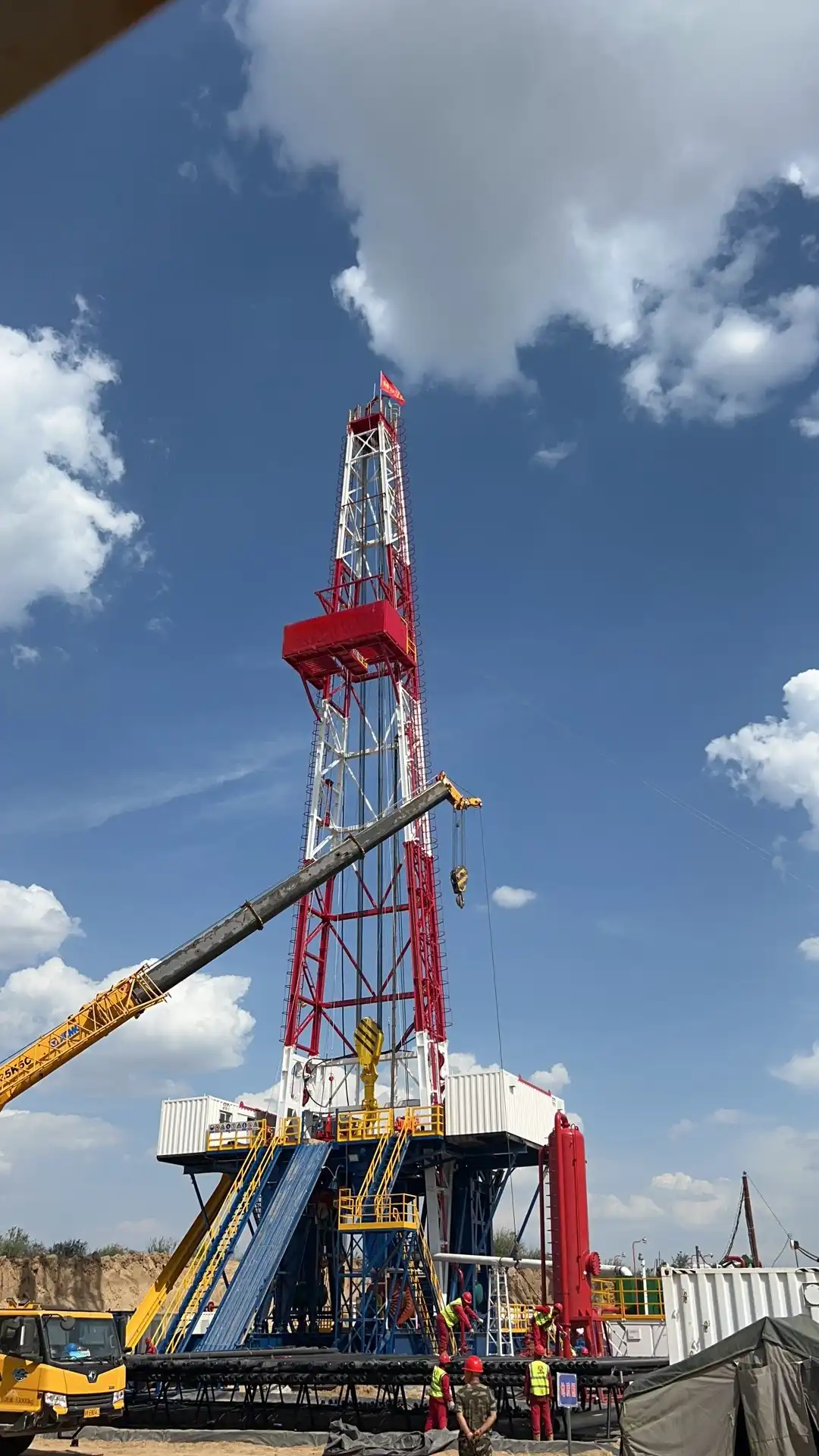
Having the right fluid separation equipment is important for managing waste effectively during large-scale drilling and construction projects. Multistage Solids control systems can reduce the amount of waste that needs to be disposed of, protect downstream machinery, and help keep operations within applicable environmental requirements. For procurement teams, key supplier considerations include proven field reliability, customization capabilities, and verifiable quality documentation. The ZC series Solids control systems from ZHONGCHENGJIXIE are designed to meet these requirements, with configurations suitable for a wide range of rigs and professional support covering installation, commissioning, and long-term operation. For projects with specific fluid-processing requirements, customized Solids control systems can also be configured according to flow rate, solids loading, and equipment layout.
FAQ
How quickly can I expect ROI from a mud recycling system?
In the first few wells, most operators say they can see a return on their costs. With recycling rates above 90% and running cost savings of 15–25% per well, a properly sized system usually pays for itself in six to eighteen months, depending on how much the rig is used and how much mud costs per barrel.
Can these systems handle oil-based mud?
Yes, high-G drying shakers and, most of the time, vertical cuttings dryers are needed for oil-based mud uses to meet "oil-on-cuttings" flow limits. When asked for at the time of order, the ZC series can handle OBM setups.
What particle sizes can the system remove?
Shale shakers get rid of things bigger than 74 microns. Desanders aim for 45 to 74 microns. For 15 to 44 microns, desilters are used. Ultrafines as small as 2 to 5 microns can be caught by decanter centrifuges. The five-stage system works on pretty much all the different sizes of solid particles that are in drilling fluid.
What certifications should I require from a supplier?
Check at least ISO 9001 for quality management, ISO 14001 for environmental compliance, and HSE certification for safety standards in the field. Third-party approvals from TÜV and BV give foreign purchases even more authority.
How do I size the system for a trenchless HDD project?
Flow rate is the most important factor for sizing. Find the right screen mesh sizes and hydrocyclone cone diameters by comparing the system's processing power to the HDD rig's mud pump output and then taking into account the particle size distribution of the soil formation.
Partner with ZHONGCHENGJIXIE for Your Next Solids Control Systems Project
ZHONGCHENGJIXIE has been making direct solids control systems for more than 30 years and has a lot of experience in the field. They make full ZC series systems that work with ZJ10 through ZJ90 drilling rigs. Our factory is certified by ISO 9001/14001/45001, TÜV, BV, and HSE. We have goods in stock that are ready to ship within 3 days, and we can deliver custom designs within 15 days. There is full installation support, technical documentation, and a one-year warranty on every system. To get a price that fits your needs, email our team at oliver@zcgukong.com or go to zcsolidscontrol.com right now.
References
1. American Petroleum Institute. API RP 13C: Recommended Practice on Drilling Fluids Processing Systems Evaluation. API Publishing Services, 2010.
2. Caenn, R., Darley, H. C. H., & Gray, G. R. Composition and Properties of Drilling and Completion Fluids (7th ed.). Gulf Professional Publishing, 2017.
3. Society of Petroleum Engineers. SPE-174840-MS: Solids Control and Waste Management in Drilling Operations. SPE Annual Technical Conference and Proceedings, 2015.
4. U.S. Environmental Protection Agency. Environmental Regulations for Oil and Gas Exploration and Production Waste. EPA Office of Resource Conservation and Recovery, 2019.
5. National Academy of Sciences. Blowout Prevention in Oil and Gas Wells: Report of the Committee on the Macondo Well Deepwater Horizon Blowout. National Academies Press, 2012.
6. Rabia, H. Well Engineering and Construction. Entrac Consulting Limited, 2002.