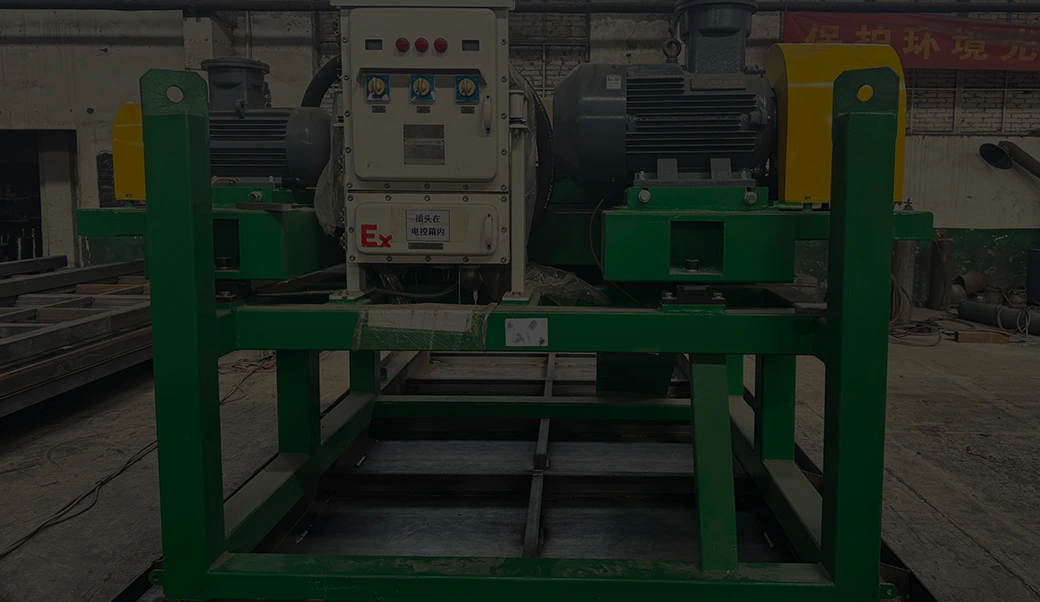
When we talk about efficient drilling operations, one piece of equipment quietly revolutionizes the process: specialized mixing equipment that drastically cuts preparation time for viscous drilling fluids. A shear pump is specifically engineered to tackle the challenge of blending polymers, bentonite, and other additives into homogeneous, high-density fluids in a fraction of the time required by conventional methods. Through intense mechanical action, this device eliminates the notorious "fish-eye" clumps—undissolved polymer particles that compromise fluid performance and waste expensive chemicals. In our experience working with drilling contractors and oilfield service companies, this technology delivers measurable improvements in fluid quality, operational efficiency, and overall drilling economics.
Understanding Shear Pumps and Their Role in High-Density Fluid Mixing
Getting the drilling mud ready has always been a slow spot on the rig floor. With traditional mixing methods, workers often have to keep an eye on the time as chemicals slowly dissolve, which delays important tasks. Once high-shear mixing equipment came along, it completely changed this equation.
Working Principles of Shear-Based Mixing Equipment
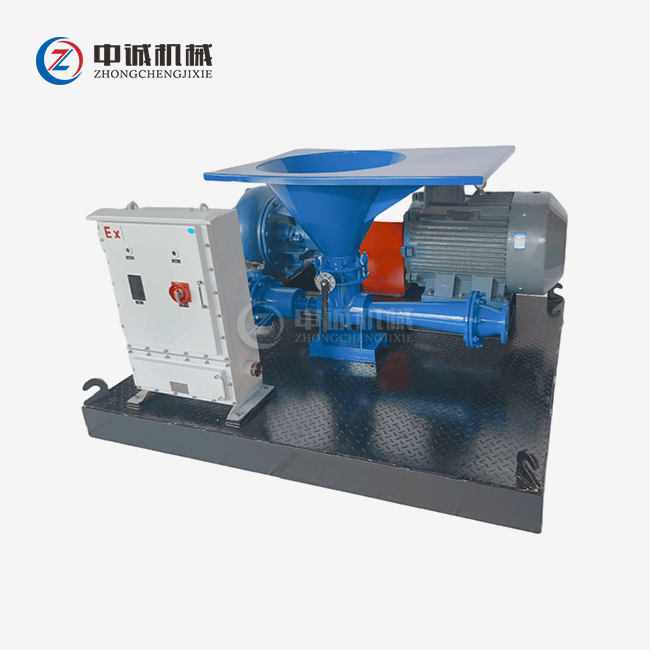
Centrifugal pumps usually just move fluid from one place to another, but this equipment has a special impeller-stator assembly that is meant to create a lot of turbulence and mechanical shearing action. When drilling fluid goes through the pump, the impeller spins quickly and often has serrated or perforated sides. This creates strong eddy currents that break up additive groups at the molecular level. This strong breaking apart makes sure that all the particles get wet and hydrated, turning dry powder into fully dissolved polymer chains in seconds instead of hours.
Engineering Features That Matter in Oilfield Applications
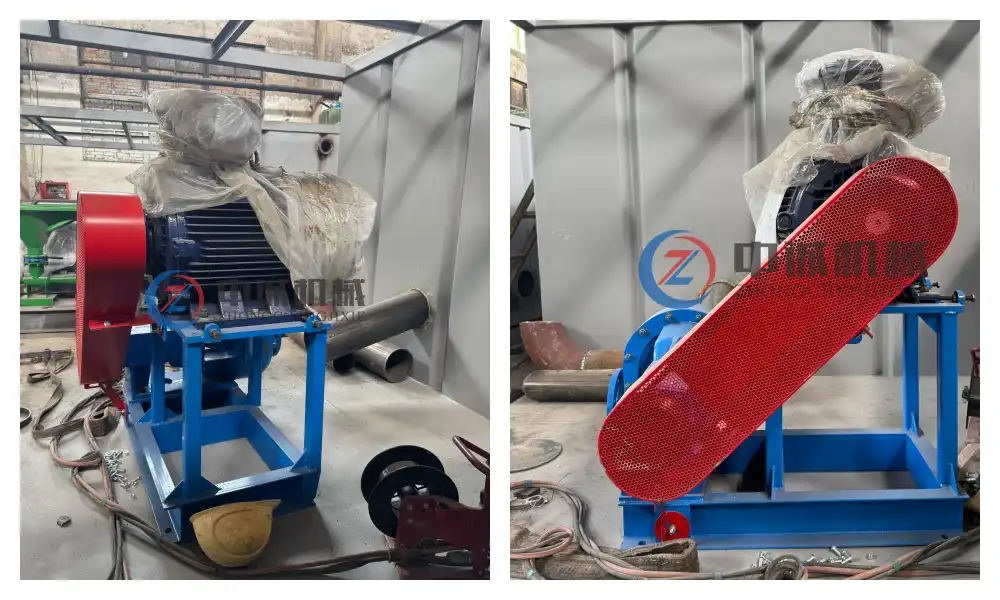
Conditions on digging sites are very tough, so equipment has to be able to work continuously in rough, acidic places. Good mechanical plugs, usually made of tungsten carbide to tungsten carbide, stop leaks even when working with slurries that have fine sand and drill bits in them. Wear-resistant wet parts made of high-chrome metals or special treatments last a lot longer than parts made of regular materials. Energy-efficient motor designs, which can range from 5.5kW to 75kW depending on the capacity needed, deliver strong performance while lowering the cost of operation and fuel use. These engineering traits directly address the worries about dependability that keep drilling engineers up at night.
Performance Specifications and Operating Parameters
There are models in our inventory with heads that range from 21 to 40 meters and flow rates that range from 28 to 320 cubic meters per hour. This means that they can be perfectly matched to a wide range of rig designs, from ZJ30 workover rigs to heavy-duty ZJ90 drilling units. The pump spins at speeds between 1450 and 2900 RPM, which creates the exact shear rates needed to water polymers without breaking down too many chemical chains. When motor size takes into account the higher specific gravity, it's not hard to deal with fluid levels of up to 2.4 grams per cubic centimeter.
Challenges in High-Density Fluid Preparation and How Shear Pumps Solve Them
When making weighted muds or polymer-enhanced fluids, every drilling operation runs into the same problems. Being aware of these problems helps explain why smart procurement managers are moving toward more advanced mixing technology.
The Hidden Costs of Inadequate Mixing
Not only does slow, incomplete mixing waste time, it also wastes money in many ways. A properly configured shear pump can improve additive dispersion and help reduce the amount of undissolved material that settles to the bottom and must be discarded as waste, which is like throwing money into the reserve pit. When fluid properties do not remain consistent, problems such as poor hole cleaning, stuck pipes, and circulation losses can occur. Each of these problems can cost hundreds of thousands of dollars. A shear pump can provide more intensive mixing to help maintain consistent fluid properties and improve the utilization of drilling additives. Tests in the lab show that regular mixing methods only use 70–80% of the polymer, meaning workers pay for chemicals that they do not fully use. By using a shear pump, operators can improve polymer dispersion while reducing unnecessary chemical waste. In addition, efficient shear pump operation can shorten mixing times, reduce energy consumption, and allow personnel to focus on more important drilling tasks. A reliable shear pump therefore provides both mixing performance and potential cost-saving benefits for demanding drilling-fluid applications.
Comparative Analysis: Traditional vs. High-Shear Technology
Centrifugal pumps are great at moving big amounts of material, but they don't do much to break up bits that are stuck together. Gear pumps can handle thick fluids pretty well, but they get too hot and need to have their seals replaced often. The main problem that neither technology solves is how to quickly and completely spread out hydrophilic additives in a water phase. Shear systems in equipment, on the other hand, cut down on mixing processes from 45 to 60 minutes to 10 to 15 minutes, while also increasing polymer use by 15-20%. The rig can move faster, there are fewer chemicals on hand, and the drilling fluid's rheological behavior is easier to predict.
Real-World Results from Chemical Processing Applications
Even though oil and gas operations are the main business, other industries have also seen huge benefits. A Texas chemical plant said that moving to high-shear equipment cut the time it took for polymers to hydrate by 65%, which allowed them to do three more batch runs per shift. A pharmaceutical company cut the amount of energy used for mixing by 40% while meeting stricter viscosity requirements. With these examples, you can see that the technology has real-world benefits in many areas that deal with thick, particle-filled fluids.
Optimizing Shear Pump Performance for Industrial Use
Getting strong tools is only the first step toward improving operations. The best way to get the most value out of something is to carefully choose it, put it correctly, and keep up with regular upkeep.
Selection Criteria for Oilfield Environments
Matching the specs of the equipment to the conditions of the drilling job stops both underperformance and spending money on things that aren't needed. Motor power selection is based on fluid viscosity and expected density ranges. Lightweight completion fluids need less energy than barite-weighted muds that are close to 20 pounds per gallon. The flow rate needed depends on the size of the pit and how often it needs to be turned over. For example, a 500-barrel system needs more space than a 200-barrel system. When working with acidic or caustic additives that would quickly break down normal seals and impellers, material compatibility is very important. Temperature is also important. For example, motors used in the Arctic need to be able to handle cold weather, and elastomers used in geothermal systems need to be able to handle high temperatures.
Installation Best Practices
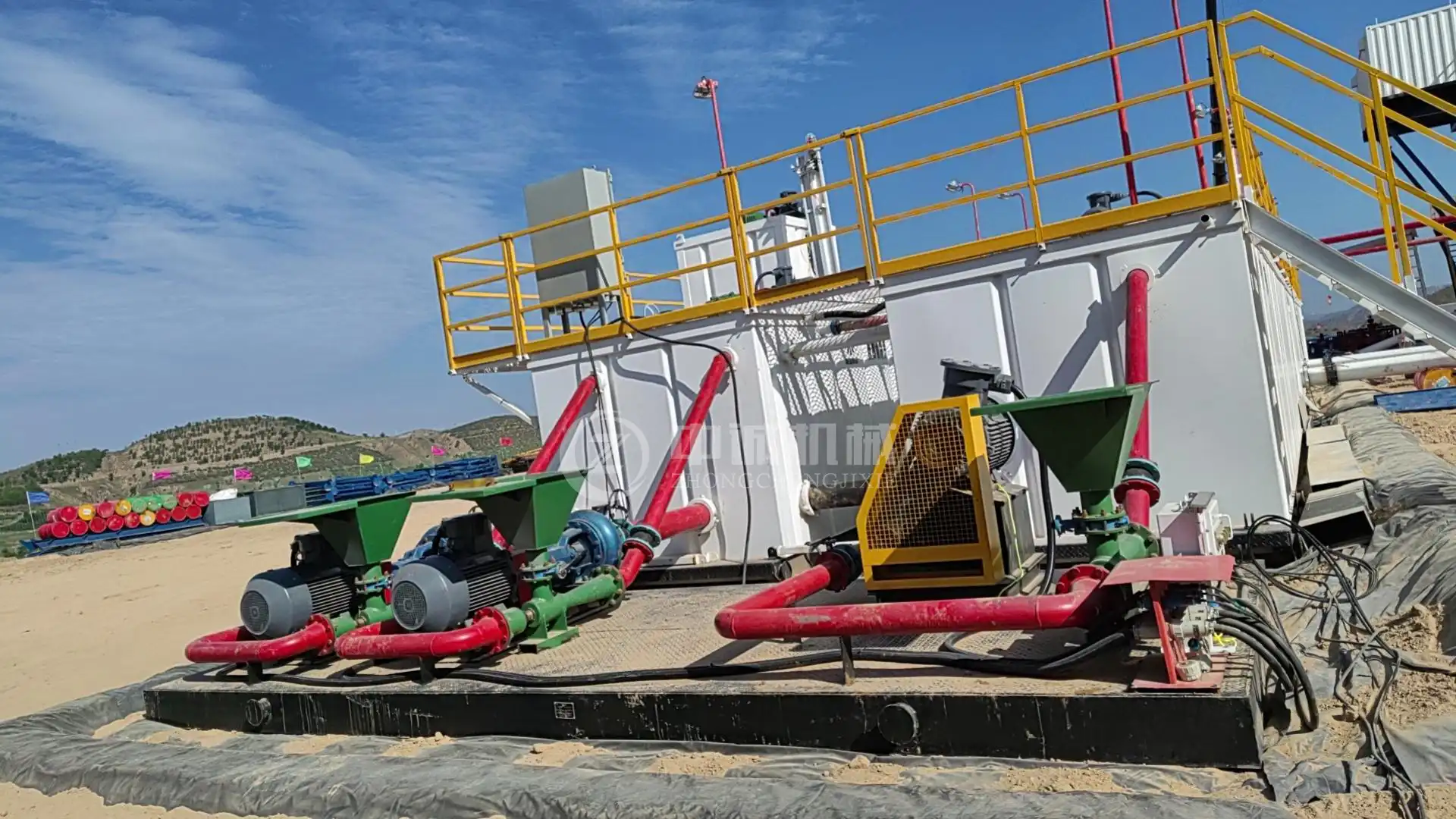
Vibration-induced mechanical seal failure is the main reason why equipment breaks down before it should. To keep the pump from shaking, it should be set on a flat, rigid base with flexible links for the suction and discharge. Bearing wear and shaft deflection can be avoided by keeping the alignment limits suggested by the maker between the motor and pump shafts. To keep cavitation from happening, which damages impellers and lowers efficiency, suction pipes should not have sharp turns and should have enough net positive suction head. Electrical connections have to meet the rules for their area classification, especially on offshore platforms or places that are likely to have hydrogen sulfide.
Maintenance Protocols That Extend Service Life
Every 500 to 800 hours of operation, the mechanical seals, bearing temperature, and impeller-to-stator spacing of a shear pump should be checked for potential problems. Too much clearance in a shear pump can reduce shearing effectiveness, making timely replacement of wear parts necessary. Vibration monitoring helps identify worn bearings in a shear pump before they develop into major failures. Keeping the cooling systems of a shear pump clean helps maintain proper seal temperatures, since excessive heat can accelerate seal deterioration. Keeping spare parts such as seals, bearings, and wear rings readily available for a shear pump can also reduce downtime when repairs are required. Regular maintenance of a shear pump helps preserve mixing performance, extend component life, and maintain reliable operation in demanding drilling applications.
Procurement Considerations for Shear Pumps
Finding the right equipment provider has long-lasting effects that go far beyond the cost of the buy. Smart procurement teams look at a lot of different factors to lower risk and make sure the project is a success.
Evaluating Manufacturer Credentials and Certifications
Manufacturers with a good reputation have ISO 9001 quality management certification, which shows that they have tight control over the design and production processes. A standard for environmental management, such as ISO 14001, shows a dedication to environmentally friendly ways of making things. Occupational health and safety licenses (ISO 45001) show that the people who run the company are responsible. Independent proof that goods meet stated specifications comes from third-party verification from groups like BV and TÜV. ATEX or IECEx approval is needed for equipment that will be used in dangerous places. These qualifications give procurement managers peace of mind that the companies they're working with are well-known and run by professionals.
Technical Support and After-Sales Capabilities
When setting up tools or fixing operational problems, responsive expert help becomes clear how important it is. Engineering drawings, hydraulic flowcharts, component diagrams, and detailed operation manuals are just a few of the documents that good suppliers provide. Installation help stops mistakes that cost a lot of money. Training programs make sure that operators and maintenance workers know how to do their jobs right. Promise terms are also important. For example, a one-year promise shows that the maker trusts the product to be reliable. Having access to original extra parts through well-known distribution methods keeps you from having to wait a long time for important parts.
Delivery Timelines and Logistics Considerations
Lead time has a direct effect on project schedules. Standard units that are in stock and can be shipped within three days can meet urgent needs, while special designs usually take 15 days. Quality packaging keeps equipment safe while it's being shipped internationally. Plastic film, rainproof tarps, and strong strapping keep damage and corrosion at bay. Shipping items on pallets or in boxes makes them easier to handle at remote digging sites. International buyers can save money on freight costs and speed up the import process when they buy from suppliers with established transportation partnerships and easy access to major ports like Tianjin and Shanghai.
Future Trends and Innovations in Shear Pump Technology
As technology changes, so do the problems we face in industrial mixing. In the drilling sector, for example, a number of new technologies are becoming popular.
Digital Monitoring and Predictive Maintenance
Real-time monitoring of shear pump health is possible by adding sensors that measure vibration, temperature, power consumption, and flow rate. By identifying small changes in shear pump operating conditions that may occur before a failure, advanced analytics help maintenance teams schedule repairs during planned downtime instead of dealing with unexpected breakdowns. Wireless connectivity allows shear pump performance to be monitored remotely from the office, reducing the need for personnel to inspect equipment directly in harsh field conditions. These monitoring features can help improve the reliability and maintenance efficiency of a shear pump while supporting better operational decision-making. As the oil and gas industry continues its broader digital transformation, integrating intelligent monitoring into shear pump systems can provide greater visibility into equipment health, reduce unplanned downtime, and support more efficient field operations.
Materials Engineering Advances
More progress will be made in protecting against wear and corrosion through research into advanced ceramics, composite materials, and nano-coatings. In rough situations, these materials could make parts last 50–100% longer, which would lower lifecycle costs even though they cost more at first. Better rubber mixes for mechanical seals keep their flexibility over a wider range of temperatures and don't react chemically with harsh drilling fluid additives.
Sustainability and Energy Efficiency
More energy-efficient designs are being made because of worries about the environment and running costs. Adding a variable frequency drive lets you precisely control the speed, which lowers the power used when the motor is only partially loaded. Computational fluid dynamics software figures out the best shape for the impeller so that the hydraulics work as efficiently as possible. This means that more of the motor's power is turned into useful work instead of waste heat. Noise pollution at digging sites is cut down by running operations more quietly, which makes workers safer and more comfortable.
Conclusion
Preparing high-density fluids is a key step in the drilling process that has a direct effect on rig performance, chemical costs, and environmental compliance. Traditional mixing methods have problems that keep coming up. However, a shear pump designed to rapidly hydrate additives through mechanical shearing action can help solve these problems by eliminating fish-eyes, reducing preparation time, and improving chemical utilization. A properly configured shear pump provides the mechanical energy needed to disperse additives efficiently and achieve more consistent fluid properties. When selecting equipment, buyers should consider shear pump performance requirements, material durability, and supplier qualifications, including certifications and technical support capabilities. For drilling contractors, oilfield service companies, and civil engineering firms managing complex fluid systems, a reliable shear pump can provide greater value as digital monitoring and advanced materials continue to improve. Choosing the right shear pump can help maintain consistent fluid quality, improve preparation efficiency, and support more reliable operations.
Frequently Asked Questions
Why choose specialized mixing equipment over standard hoppers?
Even though hoppers add dry ingredients to the flow of fluid, they don't have the mechanical power to break up particles that have stuck together and finish chemical hydration. Standard hoppers depend on gentle stirring and long contact time, which can leave behind partially dissolved clumps that make the fluid less effective. High-shear mechanisms in equipment create the intense turbulence needed to get rid of fish-eyes and fully start polymer chemistry in minutes instead of hours, directly answering the concerns of drilling operations managers about efficiency.
How frequently should mechanical seals undergo inspection?
How often you inspect depends on how bad the program is. When working with thick slurries that contain rough drill bits, seals need to be checked every 500 to 800 hours. Premium tungsten carbide seal faces, on the other hand, can last longer—sometimes more than 2,000 hours—as long as the cooling system is properly maintained and doesn't get too hot. Keeping an eye on the temperature of the seal area and looking for small leaks can help find problems before they become major.
Does intensive shearing affect final fluid viscosity?
When shearing is done correctly, additive hydration is greatly improved, and effective viscosity usually goes up compared to when mixing is done incorrectly, because more polymer molecules fully dissolve and contribute to rheological properties. But too much cutting can hurt some long-chain polymers, which makes them less effective at stiffening. Finding the right impeller speed and residence time to balance the shear intensity gives the best results without damaging sensitive additives.
What maximum density can professional-grade equipment handle?
When the motor is the right size for the fluid's specific gravity, most industrial-duty units can handle drilling mud densities of up to 2.4 grams per cubic centimeter, which is about 20 pounds per gallon. When working with thicker slurries, you need more motor power to beat the higher resistance. During the specification phase, procurement teams should talk to makers about predicted density ranges to make sure that the power ratings are correct.
Can operators adjust shearing intensity for different applications?
Changing the shearing strength is mostly done by controlling the speed of the impeller with variable frequency drives. This lets workers fine-tune the mechanical action for certain additives. During overhauls, maintenance staff can also change the settings for the impeller-to-stator clearance, but they need to know how to use special tools and do it correctly. Because it can be adjusted, this machine can be used for a wide range of tasks, from gentle emulsification to severe particle size reduction.
Get Reliable High-Shear Mixing Solutions from a Trusted Manufacturer
Every mixing equipment job is handled by Shaanxi Xixian New Area Zhongcheng Machinery Manufacturing Co., Ltd., which has been in business for more than 30 years and knows a lot about the field. We are a direct manufacturer of Shear Pumps, and our goods are approved by TÜV, BV, and ISO 9001/14001/45001, which means they meet strict international standards. Our engineering team offers full technical support, including thorough drawings, operation instructions, help with installation, and full commissioning services. We can make configurations that fit the needs of your drilling rig, with motor power ranging from 5.5kW to 75kW and flow rates between 28 and 320 cubic meters per hour. Standard units ship in three days, and custom versions arrive in fifteen days. Both come with a full one-year guarantee. Get in touch with our team at oliver@zcgukong.com to talk about the problems you're having with preparing your drilling fluid and find out how our Shear Pump solutions can help you cut down on mixing time, chemical waste, and get better mud performance across all of your operations. You can look at all of our solid control equipment at zcsolidscontrol.com.
References
1. Mitchell, R.F. and Miska, S.Z., "Fundamentals of Drilling Engineering," Society of Petroleum Engineers Textbook Series, 2011.
2. Caenn, R., Darley, H.C.H., and Gray, G.R., "Composition and Properties of Drilling and Completion Fluids," Gulf Professional Publishing, 7th Edition, 2017.
3. Bourgoyne, A.T., Millheim, K.K., Chenevert, M.E., and Young, F.S., "Applied Drilling Engineering," Society of Petroleum Engineers, 1991.
4. American Petroleum Institute, "API Recommended Practice 13B-1: Recommended Practice for Field Testing Water-based Drilling Fluids," 5th Edition, 2019.
5. Growcock, F.B. and Harvey, T.E., "Drilling Fluids Processing Handbook," Gulf Publishing Company, 2005.
6. Amani, M., Al-Jubouri, M., and Shadravan, A., "Comparative Study of Using Oil-Based Mud Versus Water-Based Mud in HPHT Fields," Advances in Petroleum Exploration and Development, Vol. 4, No. 2, 2012.
.webp)