A mud gun is a high-pressure hydraulic agitation device integrated into drilling fluid circulation systems to maintain uniform mud consistency inside mud tanks. It works by jetting fluid through a nozzle at high velocity, generating turbulent flow that keeps solids like barite, drill cuttings, and weighting materials suspended rather than settling to the tank floor. Without consistent agitation, dead zones form in tank corners where mechanical agitators cannot reach, causing density stratification that threatens wellbore stability and blowout prevention. Proper mud gun deployment directly protects drilling fluid rheology and keeps your solids control system performing at its peak.

Understanding the Role of Mud Guns in Drilling Operations
Every working mud system needs fluids that are always the same. When heavy additives settle, the weight of the mud drops in strange ways, which makes it very hard to control the well. A Mud Gun solves this problem by sending out a steady stream of high-velocity jet that moves the whole tank, even the tight spots and corners that paddle-style agitators often miss.
How a Mud Gun Works: Core Components
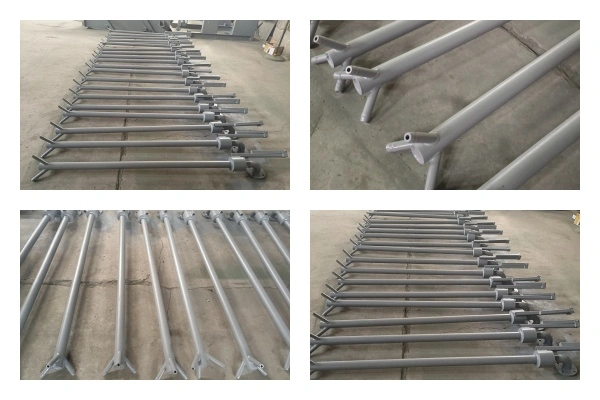
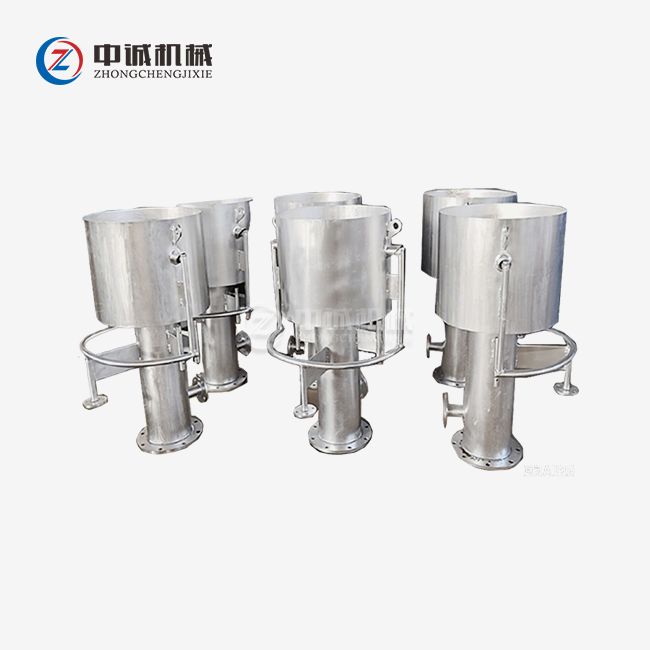
The tool has a swivel joint, a directed nozzle, and a feed pipe that is attached to the mud pump's output line. Because it can turn 360°, the swivel system lets workers point the jet at any part of the tank. Nozzles are usually made of tungsten carbide or polyurethane, which are chosen because they don't wear down easily when mixed with the rough solids that are in drilling fluid. Depending on the model, the pressure rating ranges from 0.1 MPa to 6.4 MPa, meeting low, medium, and high operational needs.
Types of Mud Guns and Their Applications
Electric and pneumatic Mud guns are offered, with standard diameters of 2 inches or 3 inches to match different pump release capacities. When electrical hazards are present, like on offshore platforms or in enclosed mud pits, pneumatic models work reliably. Electric types can control flow more precisely and work well on rigs that are close to power sources. Both types easily fit into solid control systems made for drilling rigs with configurations from ZJ30 to ZJ90.
How Mud Guns Prevent Solids from Settling: Technical Breakdown
Settlement of solids is not only a bother, but it is also a threat to productivity that can be measured. According to a study in the SPE Drilling & Completion Journal, barite sag can cause changes in density that can add up to 0.5 ppg to the difference in equivalent moving density. This has a direct effect on managing downhole pressure. The procurement and engineering teams can choose the best option by understanding the fluid mechanics behind Mud gun agitation.
Fluid Dynamics Behind Effective Agitation
When the nozzle shoots out fluid at a high speed, it creates a jet-like flow pattern inside the tank. This turbulence adds kinetic energy to the mud volume around it, which lifts particles that have settled back into suspension. By strategically placing nozzles near the sides and slopes of the tank's bottom, no stagnant areas form. The jetting speed needed to get to the farthest corner of the tank is directly related to the width of the nozzle and the pump's output capacity. This is why choosing the right size nozzle is a technical decision and not a default one.
Mud Guns vs. Mechanical Agitators
Mechanical agitators are great for mixing large amounts of mud because they use rotating impellers to stir it from the middle. But their reach is limited by the size of the propeller and the shape of the tank. By focusing on areas that impellers cannot reach, a Mud gun supports this. Combining the two technologies stops stratification and keeps expensive fluid formulations safe in deepwater offshore operations that use large active tanks full of synthetic muds. The two methods work best together, not against each other.
Best Practices for Installation, Maintenance, and Troubleshooting
If a Mud gun is used properly, it will either cover the entire area with agitation or leave blind spots. The location of the installation and regular maintenance have direct effects on how well solids are controlled and how long the equipment lasts.
Optimal Installation Positioning
Place the Mud gun's intake on the lower side of each tank chamber, and tilt the barrel so that the jet covers the most area possible. In tanks with more than one section, each section should have its own separate unit to get rid of areas that aren't moving. To keep the required jetting speed, make sure the feed line is connected to a pump that can handle it. Make sure the swivel joint space doesn't get in the way of the tank's interior or paths when adding a Mud gun to an already installed solids control system.
Routine Maintenance and Wear Part Inspection
As a general rule, nozzles should be inspected every 500 hours of operation. Over time, drilling solids that are abrasive wear away at nozzle bores, making the orifice bigger and the jetting speed lower than what is needed. Tungsten carbide inserts last longer than standard steel ones when it comes to wear resistance, but they still need to be checked for hardness on a regular basis using the Rockwell C scale. Another usual place to wear out is the seal on a swivel joint. Leaks happen when chemical incompatibilities or abrasive sand skip the seals. Changing normal seals to Viton or Nitrile materials greatly increases the time between service intervals. Keep OEM spare nozzles and seals on hand to avoid downtime that wasn't planned.
Selecting the Right Mud Gun for Your Operation: A Decision Support Framework
When buying hydraulic agitation equipment, it's important to weigh the technical performance against the practicalities of use. Here are the main things that every engineering and buying team should look at when choosing a supplier:
- Pressure rating alignment: Match the unit's rated working pressure (low: 0.1–1.0 MPa, medium: 1.0–2.5 MPa, high: up to 6.4 MPa) to the size and discharge capacity of your mud pump's tank.
- Nozzle material and replaceability: Polyurethane nozzles work best with less rough mud systems, while tungsten carbide nozzles last longer in high-abrasion situations. Make sure that OEM replacement parts can be found and won't take a long time to get.
- Swivel joint design: For flexible field deployment, the joint must be able to turn a full 360° and respond smoothly to force under full pressure.
- Certification compliance: Check to see if the manufacturer has ISO 9001 quality management certification and that the unit meets API Q1 guidelines for structural stability.
- Customization options: Inlet diameters, pipe lengths, and mounting arrangements need to be different for each rig class (ZJ30 through ZJ90). If a maker has its own engineering team, they can change plans to fit the layout of your mud system.
These factors help narrow down the list of suppliers to those who can really help your business by delivering a quality Mud gun and working with you on a technical level over the long term. When comparing prices, it's often more useful to look at the total cost of ownership, which includes things like the availability of wear parts, the length of the guarantee, and the time it takes to send the goods.
Future Trends and Innovations in Mud Gun Technology
Smarter, more flexible stirring systems are slowly making their way into the drilling tools market. Operators can check nozzle flow rates and find pressure drops in real time without having to go into the mud pit thanks to remote tracking integration. This makes the process safer and faster. Automated rotation controls that change the direction of the jet based on feedback from tank sensors are now being tested in the field. This will cut down on the amount of human work that is needed to move nozzles around when drilling stages change. On the environmental front, improving pump draw for Mud gun circuits is assisting workers in lowering the total amount of power used by the solids control system. This is in line with rising health and safety standards at both onshore and offshore sites. When buying equipment for more than one year, it's best to choose units with sensor-ready ports and modular swivel designs so that your mud system can be upgraded without having to be replaced completely.

Conclusion
Keeping the mud uniform is important for keeping digging activities safe and effective. In order to keep solids in suspension and maintain fluid density and rheology, a Mud gun sends high-velocity hydraulic jets into the corners and low-flow areas of a tank, where regular agitators cannot reach. When choosing the right unit, you need to pay attention to certification compliance, pressure ratings, tip materials, and swivel joint quality. When placed and kept correctly, this kind of hydraulic agitation device can be one of the most cost-effective solids control tools you have. It cuts down on fluid waste, protects downhole equipment, and keeps unplanned rig downtime to a minimum.
FAQ
How often should I replace the nozzle on a mud gun?
Every 500 hours of use, check the openings. The mud's roughness and the nozzle's material determine when it needs to be replaced. In places with a lot of materials, tungsten carbide plugs last a lot longer than regular steel ones.
Can a mud gun replace a mechanical agitator entirely?
No, a Mud gun works best when used in conjunction with motorized agitators rather than by itself. It shines at agitating corners and hard-to-reach areas. When put together, they cover the whole tank.
What causes swivel joint leaks?
Chemical mismatch or abrasive particle escape is the most common reason why seals break down. Upgrading to Viton or Nitrile seals usually stops leaks from happening again and again and makes service times longer.
What is the difference between high-pressure and low-pressure models?
High-pressure units (up to 6.4 MPa, or 928 PSI) can handle heavy muds and aggressive mixing. Low-pressure models work well for general circulation tasks in systems with lighter fluids and smaller pump output capacities.
Can I retrofit a mud gun to an existing tank without major modifications?
Yes. If you want to mount most units, you just need to use standard flanged connections and add a feed line tap from the mud pump discharge. Our tech team can confirm that it will work with the size and shape of your tank and pump.
Partner with a Trusted Mud Gun Manufacturer — Contact Zhongcheng Today
For challenging oilfield and building digging conditions, ZHONGCHENGJIXIE offers engineered Mud gun options. We are a direct maker and seller with ISO 9001, ISO 14001, and ISO 18001 certifications. We also offer custom designs, low prices, and shipping within 3 days if the product is in stock. You can email our team at oliver@zcgukong.com or go to zcsolidscontrol.com to get a price that is specific to your rig and how it will be used.
References
1. SPE Drilling & Completion Journal — Barite Sag and Drilling Fluid Density Management, Society of Petroleum Engineers, 2019.
2. API Recommended Practice 13C — Drilling Fluids Processing Equipment Evaluation, American Petroleum Institute, 2010.
3. Journal of Petroleum Technology — Solids Control Equipment Performance in Weighted Mud Systems, SPE International, 2017.
4. World Oil Magazine — Advances in Mud Circulation and Tank Agitation Systems, Gulf Publishing Company, 2021.
5. Drilling Engineering — Fluid Dynamics in Mud Tank Design and Agitation Efficiency, Prentice Hall, 2018 (Adams, R. & Cole, T.).
6. IADC Drilling Manual — Solids Control and Drilling Fluids Management, 12th Edition, International Association of Drilling Contractors, 2015.
.webp)