When you're managing a drilling operation in the Permian Basin or overseeing a complex shale gas project in the Marcellus formation, one of the most critical challenges you face is maintaining drilling fluid integrity. Gas intrusion—commonly known as "gas-cut mud"—can turn a routine drilling day into a high-stakes safety and efficiency nightmare. A Vacuum Degasser addresses this by rapidly extracting entrained gases like methane, hydrogen sulfide, and carbon dioxide from drilling fluids. By creating a negative pressure environment, the device causes dissolved gases to expand and separate from the liquid phase, restoring mud density, rheological stability, and volumetric accuracy. This process not only safeguards personnel and equipment but also reduces non-productive time and enhances overall drilling efficiency—making vacuum degassing technology indispensable in today's demanding oilfield operations.
Understanding Vacuum Degassing and Its Role in Drilling Operations
Vacuum degassing is a specialized physical separation method used to get rid of harmful gases in drilling fluids before they damage the stability of the wellbore or lead to dangerous blowout conditions. Based on Boyle's Law, the technology works: when pressure drops, gas volume increases. This lets tiny bubbles stuck in mud escape safely.
The Science Behind Gas Removal
Hydrocarbons and other gases mix with the circulating mud system when drilling into gas-bearing formations. Even small amounts of gas can lower the density of fluid by up to 15%, which makes it harder to control the hydraulic pressure and makes the pump work less well. This is stopped by vacuum degassing units, which send the flowing fluid through a chamber that is kept at a pressure of -0.02 to -0.04 MPa. Inside, rotational force spreads the mud over a big surface area, making a thin film that lets the most gas escape. A special vacuum pump, usually a water-ring or liquid-ring design, then removes the gases. The fluid that has been degassed then runs back into the active system with its properties restored.
Step-by-Step Operational Procedure
The steps in the degassing process are carefully planned. A special suction line connected to the mud tank lets gas-cut mud into the unit. The internal rotor of the gadget speeds up the fluid and spreads it out against the room walls. Gases quickly separate and expand when there is vacuum pressure. To make sure the gases are thrown away safely, they come out of a vent line that has flame arrestors and gas monitors. At the same time, degassed mud flows out of an exit port and back into the circulation loop with the right density and viscosity. 240 to 360 cubic meters of material are usually processed per hour by this whole cycle, but this depends on the unit's specs and the conditions of operation.
Applications Across Drilling Sectors
In many drilling settings, Vacuum Degassers have become necessary tools. When drilling deep wells ashore for oil and gas, where rock pressures change quickly, they protect against gas kicks. Offshore bases depend on them to work in high-pressure, high-temperature environments with very little room for error. Shale gas and coalbed methane operations can handle streams with a high viscosity that are full of different types of gas. Vacuum degassing is also used in geothermal and horizontal directional drilling projects to keep the fluid consistency in wells with long reach. Similar technology is used by construction foundation engineering teams to get rid of air in slurries. This makes sure that the right amount of mud is used during piling and digging.
How Vacuum Degassing Solves Common Drilling Fluid Quality Issues
When gas gets into drilling mud, it causes a chain reaction of operational and safety issues. There are holes and blowholes in the fluid column that lower the hydrostatic pressure. This makes formation influx and blowouts more likely. Entrained gases also cause cavitation in pumps, which breaks down machines and costs a lot of money in downtime. Using vacuum degassing technology fixes these problems at their source, which leads to better drilling performance and less risk.
Eliminating Gas-Related Defects
There are a few problems with gas-cut mud that make it less reliable for drilling. Loss of density is the most immediate problem: a drop of just 0.5 lb/gal can let formation fluids flow into the wellbore without being stopped. Rheological properties also get worse when gas bubbles mess up the suspension of solids, which causes barite to sag and cuttings to not move around properly. When gas hits the suction side of a pump, it makes the efficiency go down because it causes flow rates and pressure jumps to be less stable. Vacuum Degassers get rid of these flaws by separating materials more than 95% of the time. This makes sure that the finished mud always meets the design requirements.
Physical and Chemical Mechanisms
The usefulness of vacuum degassing comes from using basic physical ideas along with useful engineering. Gas solubility is controlled by Henry's Law, which says that when pressure drops inside the vacuum box, dissolved gases move out of solution. Centrifugal dispersion raises the ratio of surface area to volume, which speeds up the movement of mass between the liquid and gas phases. Chemical interactions are kept to a minimum because the process is entirely mechanical. This keeps the original mud formulation without adding anything new or changing the pH. This non-invasive method is very different from chemical degassing methods, which may need neutralizing agents or create new waste streams.
Comparison with Traditional Methods
In the past, degassing methods relied on either atmospheric agitation or passive settling, but these methods aren't good enough for high-pressure drilling today. Atmospheric degassers let fluid mix with air in the atmosphere, but only the biggest bubbles can escape slowly. Settling tanks need a lot of space and time to hold water, so they can't be used on small ocean platforms or quickly moving land activities. On the other hand, vacuum degassing units get rid of all the gas in minutes instead of hours. They also take up very little room on the deck and work perfectly with Solids Control Systems that are already in place.
Measurable Operational Benefits
When drilling contractors use vacuum degassing, they report big gains in a number of performance indicators. When mud density stays within ±0.1 lb/gal of goal values, fluid adjustment doesn't have to be done as often, which saves money. Up to 40% less time is wasted on gas-related problems, which directly leads to lower day rates and faster well finishing. As cavitation damage gets less severe, pump repair times get longer, which lowers the cost of replacing expensive centrifugal parts. Safety measures also get better: gas kicks and other well-control events happen a lot less often when degassing systems run all the time. Return on investment usually happens in the first three to six months after introduction. This makes vacuum degassing one of the best investments you can make for solids control.
Design Features and Operational Considerations of Vacuum Degassers
A Vacuum Degasser system works well and is reliable if the engineers make smart choices and the operators are careful. Knowing about these design elements helps people who buy things compare different types and choose drilling equipment that meets their needs.
Core Structural Components
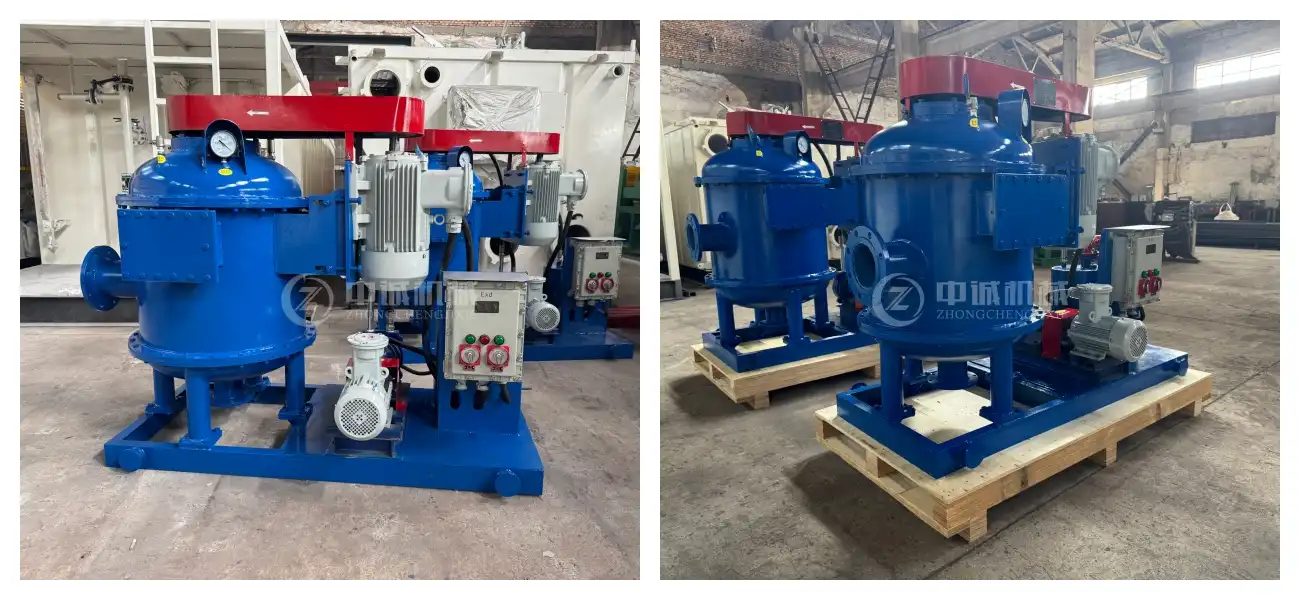
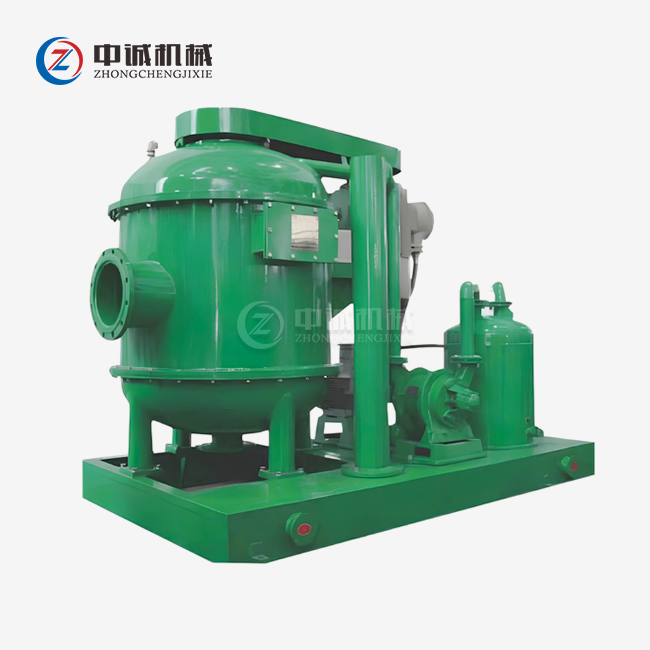
A typical vacuum degassing unit is made up of several subsystems that work together. The vacuum chamber is a pressure tank made of steel or composite materials that don't rust. It is usually lined with polyurethane or epoxy coats to protect it from solids that are rough and gases that are corrosive. The internal rotor, which is powered by an explosion-proof motor that is UL, ATEX, or IECEx approved, causes the centrifugal force that moves the fluid around. The rotor's dynamic balance is very important; units must meet G2.5 standards or better to avoid vibration-induced wear and bearing failure before they're supposed to. Whether it's a water-ring or a liquid-ring vacuum pump, it needs to be able to consistently pull in air while being able to handle solids-filled seal water and small amounts of liquid. To make sure that flammable fuels are thrown away safely, vent lines have flame arrestors, gas monitors, and ignition prevention devices built in.
Integration with Mud Systems
Vacuum Degassers don't usually work alone. They are placed in a specific order in the solids control process, usually following the shale shaker and desander and before the desilter and centrifuge. This placement makes sure that the big pieces are taken out first, which keeps things from getting clogged, and lets the small solids pass through so that they can be treated later. At a depth enough to draw from below the surface, the suction lines connect to the active mud tank without bringing in air. Discharge lines send fluid that has been degassed back to the suction tank or straight to equipment further downstream. It is very important to control the height correctly. There should be at least 1.5 to 2 meters of difference in height between the degasser outlet and the tank level to avoid priming problems and keep the flow steady. When automatic monitoring systems are connected, vacuum pressure, throughput, and motor performance can be tracked in real time. This lets repair plans be made ahead of time, and problems be fixed quickly.
Routine Maintenance and Troubleshooting
A Vacuum Degasser needs regular, preventative maintenance to stay operational. The quality of the water in the vacuum pump seal is checked every day. Water that is clean and free of particles keeps the impeller from growing and burning. As part of the weekly checks, the rotor balance is checked, the motor bearings are oiled, and the integrity of the seals is tested to look for possible vacuum leaks. Internal coating inspections using NDT methods and spark testing are done once a month to make sure the lining stays in place in H2S-rich environments. Priming failures are common and are usually caused by vacuum leaks in the suction lines or incorrect tank levels. Separation efficiency problems are also common and are usually caused by worn rotor blades or clogged vent lines. Taking care of these problems quickly cuts down on downtime and increases the life of the equipment.
Technology Comparisons
The differences between the different technologies offered should be understood by procurement teams analyzing Vacuum Degassers. Mechanical pumps are used in traditional vacuum systems. These systems work very well, but they need regular seal repair and use a lot of power. Membrane degassing is more common in chemical processing. It uses permeable barriers to separate gases, but it doesn't have the throughput needed for drilling large amounts of material. Chemical degassing uses chemicals to change how soluble gases are, but it is more complicated, costs more, and causes problems with the environment. Mechanical vacuum degassing is still the best way to do things in the oilfield because it is reliable, easy to maintain, and can handle fluids with different compositions without changing the process.
Procurement Guide: Selecting the Right Vacuum Degasser for Your Operation
To pick the best Vacuum Degasser tools, you need to weigh the technical specs, the supplier's skills, and the overall cost of ownership. To make sure long-term business success, drilling firms, oilfield service companies, and procurement managers need to look at a number of factors.
Critical Performance Specifications
The first thing to think about is the processing power. A degasser that can handle at least 240 m³/h is needed for a rig that moves 1,200 gallons per minute so that there are no bottlenecks. The degassing ratio is also very important. Units that remove 95% or more of the gas make sure that the treated mud meets density standards even when digging through rocks that are very permeable. Specifications for vacuum degrees, which are usually between -0.02 and -0.04 MPa, show whether the system can remove dissolved gases or just release free gases. The type of hazardous area your drilling site is in must match the motor power and explosion-proof certification. Small size and modular design make it easier to move and set up, especially on offshore bases or in remote land areas with limited room.
Evaluating Supplier Reliability
Supplier selection is more than just choosing the right tools. Look for makers that have worked in the same area as you, whether it's onshore gas plays, deepwater drilling, or geothermal research. Getting certifications like ISO 9001, ISO 14001, and ISO 45001 shows that you care about quality management and following safety and environmental rules. Compliance can be checked by BV, TÜV, or HSE auditors, who are not involved in the project. Check out the supplier's history. Case studies, client reviews, and references from businesses that work in related areas can give you useful information. Delivery times are also important. Suppliers with ready-to-ship items can ship within three days, but units that are specially made may take fifteen days or more.
Customization and Configuration Options
Modern Vacuum Degassers can be completely customized to meet the needs of a particular drilling operation. Processing speed can be changed from 240 to 360 m³/h, based on the size of the rig and the rate of movement. Motors come from both domestic and international brands, and the voltage and frequency are adjusted to work with the power supply in each country. For Class I, Division 1, or Zone 1 environments, explosion-proof certifications can be requested. Coatings and materials that don't rust can handle drilling fluids that are high in H2S or very acidic. Control systems can be as simple as being run by hand or as complex as fully automated PLC-based tracking with remote troubleshooting. Talking to your supplier about these choices will make sure that the unit provided works well with other tools and meets operational needs without having to make expensive changes in the field.
After-Sales Support and Spare Parts
For maximum uptime and machine longevity, it's important to have reliable assistance after the sale. Your team can run and fix problems on their own if you give them detailed technical documentation like engineering drawings, flowcharts, operation instructions, and maintenance schedules. Training programs for rig workers and maintenance staff cut down on mistakes and speed up response times. There should be a warranty that lasts at least a year and includes fast new parts. It is necessary to have spare parts on hand; important parts like vacuum pump seals, rotor blades, and motor bearings must be available locally or can be delivered within 48 hours. For extra peace of mind, suppliers who offer on-site installation, commissioning, and regular checks are especially helpful for jobs that are far away or have a lot at stake.
Introducing the ZC Series Vacuum Degasser
Our company, which is based in Xi'an, Shaanxi Province, has been working with the oil and gas business around the world since 2015, bringing together advanced manufacturing skills and deep scientific Knowledge. Our ZC series Vacuum Degasser is the result of years of testing new ideas in the field. It was designed to meet the unique needs of drilling contractors, oilfield service companies, and energy research businesses.
The ZC series does a great job of separating gases, with a separation rate of over 95%. This makes sure that your drilling fluids keep their density and rheological qualities even in difficult gas-bearing formations. Processing speeds range from 240 to 360 m³/h, which can handle rigs from the ZJ30 to ZJ90 classes and higher. The unit's small, combined design makes it easy to connect to all kinds of mud recycling and purification systems. Its modular construction also makes it easier to move and set up, which is very important for projects that are far away or abroad.
The ZC series was made to work in harsh oilfield conditions. It has strong materials that don't rust and motor configurations that are certified to meet international explosion safety standards. The settings are easy to understand, and the machine doesn't need much upkeep, which cuts down on training time and costs. Each unit goes through strict quality control checks, such as checking for vacuum leaks, dynamic balance, and hydraulic pressure, to make sure it will work reliably even when it's being used all the time.
We offer a full range of services to support every rollout, including installation advice, on-site commissioning, detailed technical paperwork, and training for your staff that they can do themselves. Your investment is safe during shipping with transport-safe packaging like plastic film, rainproof tarps, and extra palletized boxes. Our one-year guarantee covers all parts, and we offer quick delivery of extra parts and helpful technical support to keep downtime to a minimum. With ISO 9001, ISO 14001, ISO 45001, TÜV, and BV approvals, as well as other certifications, we meet the high quality and safety standards that operators around the world expect.
You can use the ZC series Vacuum Degasser to drill safely and effectively in the Permian Basin, the North Sea, or new shale regions in Asia and Africa. It is reliable, performs well, and offers support. We offer solutions that keep your projects on schedule and on budget. In-stock units ship within three days, and custom configurations are ready in fifteen days.
Future Trends and Continuous Improvements in Vacuum Degassing Technology
Vacuum degassing is an area where technology is changing quickly. This is because the industry wants to be more automated, environmentally friendly, and efficient. Knowing about these trends helps procurement professionals make investments that will help them stay ahead of the competition.
Automation and Smart Monitoring
Next-generation Vacuum Degasser systems use IoT sensors and cloud-based analytics to track performance in real time and plan maintenance ahead of time. Automatic vacuum pressure control changes pump speeds on the fly to adapt to changing gas loads, which makes the best use of energy and separation efficiency. Engineers can check on the health of equipment from central control rooms using remote diagnostics. This lets them find trends of wear and schedule repair before problems happen. These features cut down on unplanned downtime, increase the life of parts, and lower overall operating costs. They are especially helpful for multi-rig operators who are in charge of fleets in different places.
Energy Efficiency and Environmental Compliance
Vacuum degassing equipment is changing to meet tighter emission standards as rules about the environment get stronger around the world. Modern units have closed-loop vent systems that catch methane and burn it off instead of letting it out into the air. Energy-efficient vacuum pumps use up to 30% less power than older models, which lowers costs and the amount of pollution they cause at the same time. Water recycling systems for seal water use less freshwater, which is very important in dry areas. These changes are in line with ESG (Environmental, Social, and Governance) goals that big oil and gas companies and their owners are putting more and more emphasis on.
Industry 4.0 Integration
Companies that are looking to the future are making vacuum degassing devices an important part of Industry 4.0 drilling platforms. Centralized mud management systems get data from degassing units and use it to make sure that the fluid properties are always at their best during the drilling cycle. Machine learning systems look at past performance data to suggest changes that will make operations more efficient and cut down on waste. Digital twin technology lets engineers simulate how degassing will work in different situations. This helps them choose the best equipment and set it up correctly before it is actually used. Early adopters of these technologies say that they have made well-building times, safety metrics, and the total cost of the project better.
Conclusion
Vacuum Degasser has changed from a specialized safety tool to an important part of drilling operations that make them profitable and efficient. These systems improve fluid quality, pump performance, and reduce non-productive time by getting rid of entrained gases that can damage wellbore stability, equipment integrity, and worker safety. In line with industry trends toward better, more sustainable operations, modern Vacuum Degassers combine tried-and-true mechanical principles with cutting-edge materials, automation, and integration capabilities. To choose the right equipment, you need to carefully look at its performance specs, how reliable the supplier is, the customization options, and the support available after the sale. As drilling conditions get tougher and business margins get smaller, it's not only smart to invest in high-quality vacuum degassing technology; it's necessary to stay ahead in today's tough oilfield services market.
FAQ
What maintenance intervals are recommended for vacuum degassers?
When should a Vacuum Degasser be serviced? Every day, you should check the vacuum pump seal water quality and look for leaks or strange noises. Motor bearing lubrication and seal integrity testing are tasks that need to be done every week. As part of the monthly repair, the internal finish is checked, and the rotor balance is confirmed. Every 2,000 to 3,000 hours of operation, based on the fluid qualities and how hard the job is, a full overhaul is usually done. This includes replacing the impeller and all the bearings. Following the manufacturer's instructions and keeping detailed service logs will make equipment last longer and work better.
How does vacuum degassing differ from atmospheric degassing?
The process of atmospheric degassing relies on gravity and surface movement to let gases escape naturally. It is a slow process that only works for big bubbles and needs a lot of retention time. Vacuum degassing lowers pressure to push dissolved gases out of solution, which removes more than 95% of them in minutes instead of hours. Because of this, vacuum systems are much better for high-throughput drilling jobs that need to separate gases quickly and reliably because of limited space and time.
Can vacuum degassing be applied outside oilfield drilling?
Of course. In chemical processing, vacuum degassing is often used to get rid of dissolved oxygen from polymers and coatings, which stops defects from happening during curing. Similar tools are used in water treatment plants to get rid of dissolved gases that get in the way of filtering and disinfecting. Vacuum Degassers are used in the manufacturing industry to remove air from glue, resins, and other thick products before they are used. The basic idea can be used whenever gas contamination hurts the quality of the liquid or the stability of the process.
Partner with a Trusted Vacuum Degasser Manufacturer
Shaanxi Xixian New Area Zhongcheng Machinery Manufacturing Co., Ltd. has been in business for more than 30 years and has a track record of success. Since we are the direct maker and own several patents on our products, we can offer reasonable prices and full customization, from custom sizes and layouts to motor choices from the world's top brands. Our ZC series Vacuum Degasser has the best separation efficiency in the industry—more than 95%—the ability to process up to 360 m³/h, and the tough dependability that onshore and offshore drilling environments need.
With ISO 9001, 14001, and 45001 certifications and approvals from BV, TÜV, and HSE, we meet the high quality and safety standards that foreign companies look for. In-stock units are shipped within three days, and customized systems are ready in just fifteen days. Strategic logistics partnerships help make sure that orders are delivered quickly and easily around the world. We offer full technical support, which includes engineering drawings, operation manuals, training on-site, and a warranty that lasts for a whole year.
We can help you whether you're an oilfield service company building long-term supply relationships or a drilling contractor looking for tools for your next project. We can customize solutions that make your business more profitable and efficient. Visit zcsolidscontrol.com or email oliver@zcgukong.com right now to talk about your unique needs and get a full quote. Join forces to make sure that your drilling projects stay safe, productive, and profitable.
References
1. Smith, J.R., and Thompson, L.K. (2021). Advanced Solids Control Technologies in Modern Drilling Operations. Houston: Petroleum Engineering Press.
2. Chen, W., and Martinez, A. (2020). "Gas Management Strategies for High-Pressure Well Construction." Journal of Drilling Technology, 45(3), 127-145.
3. International Association of Drilling Contractors (2022). Best Practices for Mud System Design and Operation. Houston: IADC Publications.
4. Roberts, M.E. (2019). Oilfield Equipment Procurement and Management: A Practical Guide for Contractors. London: Energy Industry Publishers.
5. Zhang, H., and Williams, P.T. (2023). "Efficiency Analysis of Vacuum Degassing Systems in Offshore Drilling Environments." Petroleum Engineering International, 58(2), 89-103.
6. National Petroleum Council (2020). Drilling Fluid Management and Environmental Compliance in the 21st Century. Washington, DC: NPC Technical Studies.
.webp)