To choose the rightAccessories/polyurethane-screen-wedge"> Polyurethane Screen Wedge for your mining screening equipment, you need to know the exact shape and size of your screen frame. Then be sure that the moisture, vibration, and impact load on each deck match the polyurethane grade and Shore A hardness. Test it with a sample or drawing to see if it works. Compare life of service and total cost rather than just unit price. Finally, make sure the supplier can show quality and that the same specifications will be met for future orders. A full guide on every step for procurement managers, engineers, and maintenance teams, clearly explained.
A loose wedge doesn't seem like a big deal. It lets panels move on a vibrating screen, wears down the frame, makes more noise, and can stop production. The sections that follow will help you avoid that.
Understand What a Polyurethane Screen Wedge Does
Know what this part does and why the material is important before you compare grades or prices.
What a Polyurethane Screen Wedge Is
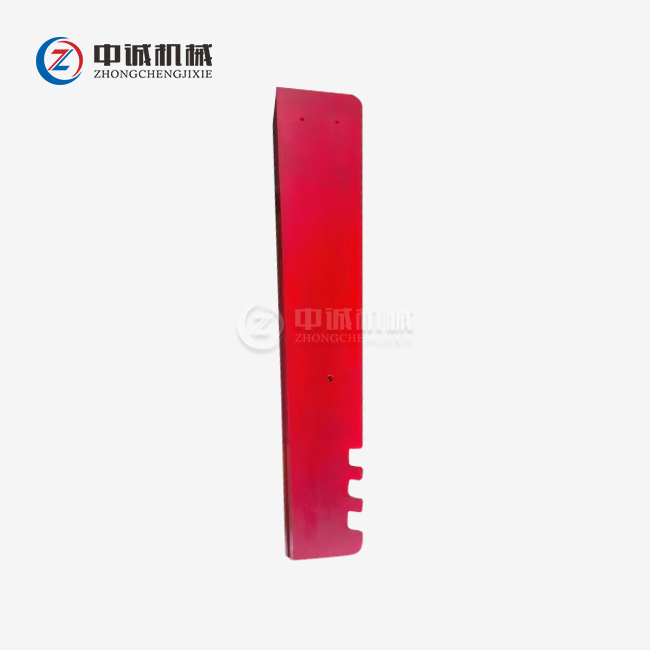
A Polyurethane Screen Wedge is a component of a vibrating machine that holds screen panels to the deck. It is used in mines, quarries, coal plants, and aggregate plants to keep the screen media and modular panels tight to the frame and support rails. It’s made from a thermoset elastomer, so it keeps its shape and clamping force, even after being loaded over and over again. The wedge is just to hold things in place. Panels, tension rails, and support strips provide support, screening, and tensioning. Each media system and equipment manufacturer has different profiles, so make sure your order will work before ordering. That one job done right will make the panels and the frame around it safe.
How the Wedge Profile Holds Panels in Place?
The whole shape is based on the tapered shape. When you put the wedge in its slot, the taper presses down on the panel and the structure. That pressure stops the movement that vibration, impact, and material load can cause. Good wedges also keep metal parts apart so that the edges of panels and frame rails don't hit each other. This cuts down on noise and keeps nearby parts from wearing out. When the grip breaks, high-frequency G-forces cause the panels to move. Then, operators have to deal with loose media, material leakage, and stopping over and over to tighten things again. For the wedge to work, there must be a small error in the profile for it to hold strong.
Why Polyurethane Outperforms Wood?
Wooden wedges were often used in older screens. The wood can rot, swell when it gets wet, and break. Polyurethane doesn't break down, swell, or rot. It can also remember things, which means it can keep the tensioning force even when the temperature changes. The tensile strength of quality grades is usually above 40 MPa, and the temperature range for use is between -40°C and +80°C. A lot of high-quality formulas have UV stabilizers in them, which help when parts are stored outside or in open pits. These features lead to fewer visits for retightening and a more stable panel position during a shift.
Define Operating Conditions and Choose the Right Material
The screen model isn't the whole story of what makes the wedge so great. Get into the material and how hard it is; start with your process.
Document the Material and the Screening Process
Before opening any catalog, write down what the screen does. Note size , density , sharpness , abrasiveness , moisture , impact energy of particles . Things like iron ore, coal, limestone, aggregates, sand, and slurry all load a wedge differently. We have sharp ore cuts; we have wet slurry that erodes the material over time; we have big boulders that hit it hard. Then determine the type of process. Dry sizing, dewatering, scalping, wet screening, or classification. It changes what properties are most important for each. A wedge that functions on a deck for dry sizing may not work on a deck for dewatering. Write this information down so the supplier can quote you on facts, not guesses.
Record the Equipment Data
When selecting a Polyurethane Screen Wedge, first gather information about the machine. Vibration frequency, acceleration, deck angle, throughput, operating hours, temperature, chemical exposure, and deck position are all useful details. For example, coal dewatering screens can run at up to 1200 RPM, so the wedge must remain secure under continuous cycling. Deck position also matters because feed areas experience greater impact than discharge areas, sometimes requiring different wedge sizes. With a complete operating profile, the supplier can recommend a suitable polyurethane formulation and hardness rather than a general-purpose part. This information also provides a useful baseline for evaluating wear during future inspections.
Select Polyurethane Grade and Shore A Hardness
Hardness is important, but it’s not the whole story. Most wedges are rated between 85A and 95A in Shore A durometer based on ASTM D2240. For heavy-duty work, a harder grade between 90A and 95A is the best. The closer the grade is to 85A, the less vibration is felt, which is good for sensitive equipment. If for wet duty, the part must be resistant to hydrolysis so it won’t get soft or swell in slurry. It is dry duty, so wear, dust, and impact are weighted more. Before you sign off on a specification, you should get information on the grade of polyurethane, its tolerance on hardness, results of abrasion tests, the quality of cure, and examples of past use.
Confirm Dimensions, Custom Options, and Material Alternatives
Check the fit and compare the materials once the weather is clear. This is where a lot of mistakes in ordering begin.
Confirm Dimensions and Compatibility
The stability of the panel, screen tension, retention force, and installation effort can be affected by small errors in the profile. Identify the overall length, width, height, wedge angle, locking profile, contact areas, dimensions of the grooves, gaps, and any other features that help in removal. The best specification is a CAD file, a dimensioned drawing, documentation for the equipment, photos, and, if possible, a physical sample. A used sample may not tell the truth, so compare it to the groove and the manufacturer’s drawing. Also, please write the brand and model of the equipment on every order so the replacement parts are the same ones as the first ones. You mix up the part numbers, and you get the wrong profile easily.
Order Custom Wedges With Clear Controls
Custom parts can be useful for replacing OEM parts on old equipment and making decks that don't fit standard sizes. Get the terms down in writing before you give the green light for mass production. Check prototype approval, mold ownership, revision control, inspection standards, labeling, and consistency for repeat orders. Find out who owns the tools and how the changes to the drawings are tracked. First, take a sample or test lot. Then, fix the final specifications for orders that come later. The second shipment in six months will be the same as the first. It works best for multi-site operators and distributors because the same part is installed at each location. It also makes it easier to talk about warranties and quality with clear records.
Compare Polyurethane With Rubber and Steel
Materials should be compared not only on the basis of unit price but also on the basis of operating performance and total cost of ownership.<br/><br/> In difficult mining conditions, polyurethane generally does a better job than rubber at resisting wear and tear, holding its shape, and reducing noise. If you are not going to be hitting hard stuff or hitting things, you can still use rubber. Steel makes things stiff. But steel is noisy, can rust, and is dangerous to install. Metal-to-metal contact can damage the screen media. Polyurethane is lighter, quieter, and can absorb small impacts and vibrations. Your choice depends on how rough, wet, hot or cold it is, how much vibration there is, how much it costs to maintain and how much it costs to be down. A cheap wedge that breaks down early costs more in worker hours and lost production than it saves.
Match Scenarios, Service Life, and Installation
There is still work to be done on site, and the right tool needs to be matched to the job.
Match the Wedge to the Screening Scenario
Each app has its own set of priorities. Iron ore wet screening uses wedges to hold panels against the thick slurry, and materials resistant to hydrolysis do not swell or soften like weaker materials. In coal-preparing plants, the dewatering screens shake very rapidly, and firm retention prevents fine coal from going around the screen. Hard rock scalping and boulders falling in aggregate will strike the deck. A wedge cushions the blow and prevents metal-to-metal wear when regular fasteners break. For OEM replacement jobs, the profiles have to be exact. Sharp ores: wear life first, then wet duty, then impact resistance, then primary scalping.
Judge Service Life and Total Cost
The lifespan of a Polyurethane Screen Wedge depends on several factors, including wear, impact energy, formulation, hardness, installation accuracy, vibration intensity, operating hours, moisture, chemicals, and temperature. Regularly inspect the wedge, panel, and rail for cracks, cuts, deformation, compression, loosening, and movement. If you notice significant edge rounding or panel movement during operation, replace the wedge. Debris in the locking area can prevent panels from seating properly and accelerate damage, so clean the channels whenever you change panels. Quality grades offer high rebound resilience and low compression set, as measured by ASTM D2632. This means a wedge may remain usable through multiple panel changes, depending on its condition. Compare expected operating hours with the total replacement cost, including labor, downtime, freight, inventory, and potential screen media damage.
Install and Inspect Correctly
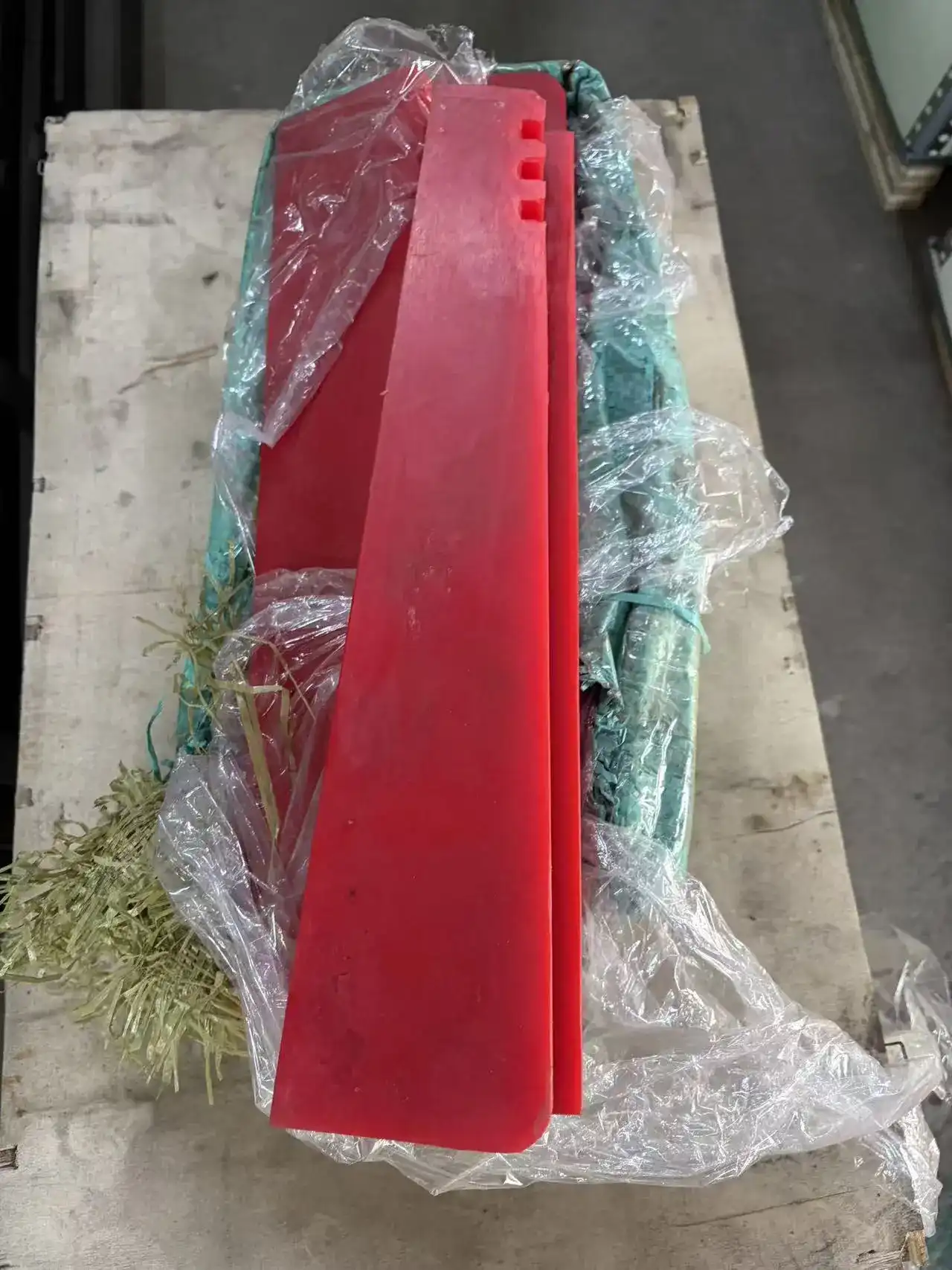
The designed retention is achieved when it is properly installed. Verify quantity, part number, size, hardness, and number of pieces. Then check the frame, rails, panels, and locking channels. Clean up the site, remove trash and broken parts, and follow lockout and isolation procedures. Use the suggested tool, align the wedge with its groove, and put the media in the correct position. Do not cut, overstretch, or force a wedge that isn’t right. After installation, ensure even seating, stable panel alignment, and strong retention. Do a low load test and check again soon after to catch any movement or odd noises early on.
Choose a Dependable Supplier and Compare Offers
The person who makes the wedge is what makes it good. These checks give you a way to compare suppliers based on facts.
Quality Control Checks to Request
Ask the supplier what tests they carry out to ensure the items are going to last and fit well. Standard tests include Shore A measurements on digital calipers against screen box rails and abrasion tests to DIN 53516. The tensile and elongation tests indicate that the polymer can bear stress. Visually inspect the object for air bubbles or other imperfections that can lead to stress fractures when the object is shaken hard. A supplier working to ISO 9001:2015 standards should be able to supply inspection reports and be able to trace each batch. Please send these records along with your first specimen.
Verify the Supplier Before You Order
A good supplier has experience in polyurethane parts for vibrating screens and can do controlled molding, finishing, and inspection. All standard, OEM, replacement, and custom parts are the same size, hardness, and batch quality. For orders from other countries, please check minimum order quantity, lead time, export packaging, labeling, and delivery terms. ZHONGCHENGJIXIE is a direct manufacturer, located in Xingping City, Shaanxi. They have been in business for more than 30 years and have certifications ISO 9001, ISO 14001, and ISO 18001. They have shipped solid control equipment, such as vibrating screen shale shakers, to oil and gas drilling sites. In-stock products usually ship within three days, and custom orders usually ship within fifteen days. Warranty: 1-year warranty.
Use a Simple Decision Matrix
Rank each offer in one of three categories. The technical fit includes size, shape, hardness, polyurethane grade, compatibility with media, and ability to handle wet, dry, rough, or high-impact use. In determining commercial fit, unit price, total cost, minimum order quantity, lead time, capacity, freight, and packaging are all considered. Supplier fit includes things like experience in manufacturing, customization, quality control, documentation, and quick response and replacement support. First, tell me about the app. Then verify that the products will work together. And finally, compare suppliers. Finally, sign off on a sample. Price is not the most important thing. Safety retention is. So weight the technical fit the most. Your best bet is the one that delivers the same part every time and reduces the risk of doing business.
Conclusion
It is necessary to verify that the Polyurethane Screen Wedge is suitable for the machine and the material. The profile and size have to match the frame, and the polyurethane grade and Shore A hardness (usually 85A to 95A) must be right for the wear and tear, moisture, vibration, and impact of each deck. Polyurethane doesn't swell, rot, or break as easily as wood. It is also lighter and quieter than steel and better able to resist wear and noise than rubber under harsh conditions. Wet iron ore, coal dewatering and hard rock scalping all require different things to be done.” The total cost is more influenced by the length of service, the quality of installation and the regularity of checks than the unit price. Unscheduled downtime, wear and tear, and panels coming off are minimized by written specifications and regular quality checks.
FAQ
Why choose a Polyurethane Screen Wedge over a wooden wedge?
Polyurethane doesn't break down, swell, or rot. Its memory effect keeps the tensioning force the same even when the temperature changes.
When should I replace a wedge?
It needs to be replaced if the edges are clearly rounded off or if the screen panels move while it's being used.
Can wedges be reused after a panel change?
Most of the time, yes. If the wedge looks good, several panel cycles are possible with its high rebound resilience and low compression set.
How does hardness affect performance?
For heavy-duty work, a 90A to 95A grade holds more firmly. Gear that is sensitive to vibrations does better with a grade close to 85A.
Are polyurethane wedges UV resistant?
Most high-quality wedges have UV stabilizers built in to keep them from breaking down when they are used for open-pit or stockpiling work outside.
Request a Polyurethane Screen Wedge Quotation From ZHONGCHENGJIXIE
ZHONGCHENGJIXIE is a direct manufacturer with over 30 years of experience in the field. Send them your drawings, samples, and operating data. Our team will look over your Polyurethane Screen Wedge supplier needs, such as any special sizes. We ship in-stock items in three days and custom orders in fifteen. There is a warranty that lasts for one year. For more information, email oliver@zcgukong.com or go to zcsolidscontrol.com.
References
1. Wills' Mineral Processing Technology, 2016
2. SME Mining Engineering Handbook, 2011
3. ASTM D2240, Standard Test Method for Rubber Property—Durometer Hardness, 2021
4. ASTM D395, Standard Test Methods for Rubber Property—Compression Set, 2018
5. DIN 53516, Testing of Rubber and Elastomers: Determination of Abrasion Resistance, 1987
6. The Polyurethanes Book, 2002