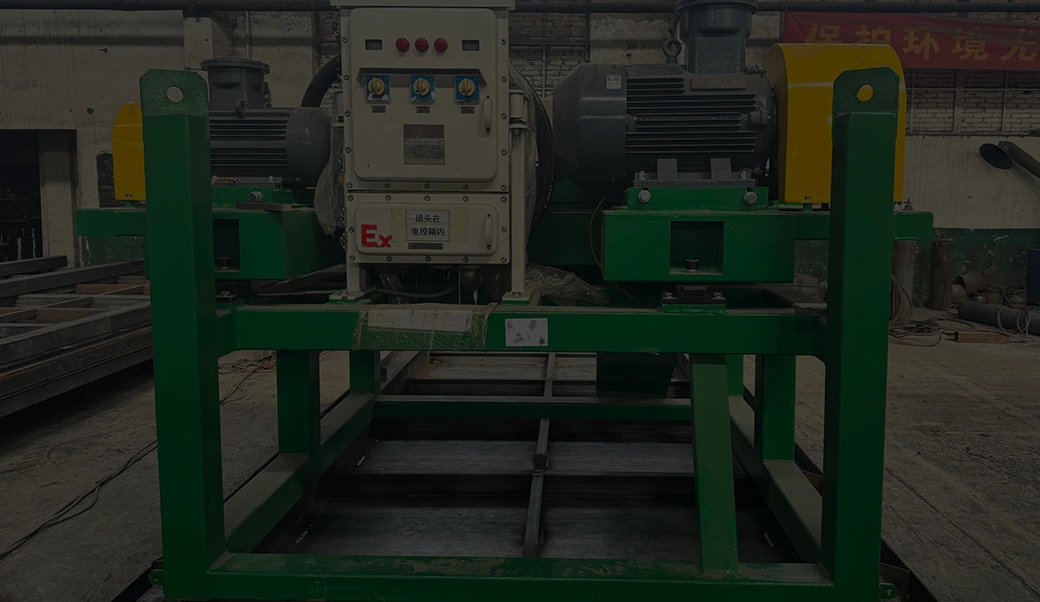
The specifications that matter most when sourcing Industrial Water Tanks in bulk are the water application, usable capacity, material, structural design, water quality limits, installation scope, compliance documents, supplier capability, and total cost. Price and nominal volume alone can mislead a buyer. A tank that leaks, corrodes, or arrives without the right paperwork creates costly delays. In this guide, I walk through each specification in plain terms, share checks you can add to your RFQ, and show how the ZC Industrial Water Tank from ZHONGCHENGJIXIE fits oilfield, mining, construction, and chemical plant projects.
Start With the Application, Capacity, and Material
Define the Water Storage Application Before Comparing Quotes
The rules all start with water and what it needs to do. You need different coatings, fittings, and paperwork for different types of water, like cool water, fire reserves, process water, wash water, and rinse water. I write down the chemistry, flow rate, turnover, reserve volume, and cleaning needs of the water before I ask for a price. People often use NFPA 22 for fire reserves, and for drinking water projects, they need touch materials that are approved by NSF/ANSI 61. The city government also needs to give its OK for some projects. If people write this down first, they won't pay too much for a tank that doesn't meet their needs.
Calculate Usable Capacity, Not Just Nominal Volume
The dollar amount is shown on the paper. With the usable volume, you can actually draw. This is what you get after taking out the freeboard and the dead volume below the outlet. To find the right size, add up how often it will be used, how much it will be used, how long it will take to refill, and a safety level. Let's say you're in the US and want to quickly change between liters and gallons. It takes 264 gallons to fill up a cubic meter. A 20 m³ tank can hold about 5,300 gallons, and a 100 m³ tank can hold about 26,400 gallons. 10,000 gallons is the same as 38 m³. The ZC Industrial Water Tanks can be made to fit your needs from 20 to 100 m³. Make sure you know the size, connection spots, trip access, and room for growth before you place your order.
Choose a Material That Matches Your Water and Site
How long something lasts, how easy it is to fix, and how much it costs in the long run are all affected by the material it is made of. To store a lot of things, coated carbon steel works well. Stainless steel, on the other hand, is best for jobs that need to be clean or that involve chemicals. There are times when aluminum, fiberglass, and plastic will work and times when they won't. The way they're fixed, temperature, UV light, and hits can all make them not work as well. Take a look at the salt levels, the soil and air conditions, and how well you take care of things before you decide. This coating or filter should work with your water. Ask the seller to write down that it will work and how long it should last. In oil areas and mines, corrosion needs extra care because dust, water, and chemicals attack surfaces that aren't covered.
Design, Water Quality, and Installation Details
Check Structural Design and Construction Type
An Industrial Water Tanks shouldn't just look good in a catalog picture; it should fit where it's going. Bolted, welded, and sectional builds all have different ways of being shipped, put together, and grown. The plan should account for things like wind, snow, earthquakes, temperature changes, and the ground sinking. In the US, many engineers use ASCE 7 to figure out these loads. Water also quickly makes things heavier. A 10,000-gallon tank can hold about 83,400 pounds of water, since one gallon of water weighs 8.34 pounds. In your design, you should have a list of foundation standards and a plan for how to connect the valves, outlets, drains, spills, vents, sample points, and level tools.
Match Specifications to Water Quality and Temperature
The kind of water in a tank tells you how long it will stay healthy. You should keep an eye on the water's pH, hardness, chlorides, dissolved oxygen, suspended solids, and any chemicals that might be in it because they can hurt liners, seals, and cause corrosion. Make a list of the normal and highest temperatures as well. About 9 percent of the water that freezes over can damage tanks and pipes. This is why you need to be extra careful in cold places. Because of how it's made, the ZC Industrial Water Tank doesn't freeze. If needed, thermal protection can be added to protect against this risk. Plan how to clean, get rid of the sediment, and also get to the samples. A lab test of the water and a written suitability note make it less likely that the system will break down early on tough jobs.
Write an Installation and Delivery Scope
Giving something a home takes the same care as taking care of a tank. Above-ground units are easy to fix, check on, and add on to. There is less space for units that are buried in the ground, but they need to be built to handle rainwater, stability, and earth load. You should be able to see in the terms and conditions of your purchase who is responsible for delivery, unloading, setting up, foundation support, piping, electrical work, instrumentation, testing, and commissioning. Buyers from other countries should also look at the weight, size, packaging, lifting points, Incoterms, customs papers, insurance, and any other information that is important to them. Some of the things that should be part of the final acceptance are foundation checks, leak tests, cleaning, sterilizing (if needed), device calibration, and starting records. Using clear language about the scope can help you avoid most disagreements at handover.
Compliance, Supplier Strength, and Total Cost
Verify Standards, Testing, and Documents
There are different rules for each country, type of water, and project head. For factory-coated bolted steel tanks, AWWA D103 is a common guide. NFPA 22 is for fire protection tanks, and NSF/ANSI 61 is for materials that come into contact with drinking water. It's not true that coatings, liners, gaskets, and valves that say "food grade" are approved. As well as information about the coating, plans for inspection, instructions, and the guarantee terms, you should also ask for plans. Before making anything, you should agree on acceptance tests for both the plant and the site. For sizes, coats, leaks, extras, and fixes, there should be written rules. Checks like weld checking and paint holiday recognition show how well a maker takes care of the little things.
Compare Suppliers on Capability, Not Just the Quote
A good supplier knows how to do engineering, can make things, checks the quality, has experience exporting, and is there to help after the sale. Look for a manufacturer that can change the materials, sizes, fittings, and extras to fit your needs instead of one that only sells things from a catalog. When buying in bulk or more than once, it's important to look at past lead times, packaging, availability of spare parts, and how things are the same from one shipment to the next. You can skip the extra steps in the business world if you buy straight from the plant. You can get better service if you work with a partner in your area. There are a lot of things that should be scored, such as price, physical fit, paperwork, delivery, and service. It's not as helpful to choose the quote with the lowest number.
Evaluate Lifecycle Cost and Contract Terms
Price per gallon is good to know at first, but it's not the project cost. Make sure that all of the bids agree on the same things, like the amount of space, the materials, the extras, the certificates, the shipping terms, the scope of the work, the taxes, and the money. Other costs that are part of the total cost of ownership are foundations, starting, cleaning, coating or liner repairs, downtime, and getting rid of the machine. In contracts, there should be a list of things that need to be done, inspected, paid for, waited for, ways to fix delays, covered, and help with spare parts. Buyers who have more than one site can save money on costs, spare parts, and training by using the same design for all of them. In the long run, a tank with better finishes and clear support may save you money if it costs a little more at the store.
Maintenance, Checklists, and the Final Decision
Plan Inspection and Maintenance Early
Your water and service will stay safe with a repair plan for Industrial Water Tanks. A visual check should be done about once a year, and a structure check should be done every three to five years. However, you should first follow the rules in your area and the manufacturer's instructions. As well as the roofs, vents, manways, ladders, valves, and instruments, check the foundations for leaks, rust, deformation, silt, and other problems. Choose how often to clean and cleanse based on the rules, the type of water, and the chance of getting sick. Keep extra keys on hand and an asset file with a record of all the drawings, inspections, and repairs. Service times are cut down because it's easy to get to and maintain. Ask the provider how they handle everyday tasks.
Use a Practical RFQ Checklist
With a written checklist, the engineering and procurement teams always know what to do. The checklist also makes it easy to compare bids. You should list the type of water, the highest and lowest capacities, the backup volume, the redundancy, the temperature, the chemistry, the plans for growth, the material, the coating or liner, the base, the structural loads, and the service life. As well as spills, drains, vents, and level devices, you need to add entry points, insulation, controls, and pumps. After that, write down the rules, test plans, warranty, extra parts, installation scope, shipping terms, payment terms, delivery dates, and requirements for acceptance. If you ask all of the suppliers the same questions, you'll know about any holes before you sign, not after the tank arrives.
Follow a Simple Decision Order
I think you should do these five things. First, put the application into a group and write down the location, volume, quality of the water, and federal and state lines. Second, make a list of the things you need, like certifications, compatibility of materials, structural performance, connections, and service life. Third, look at different kinds of technology, such as steel, stainless steel, fiberglass, plastic, forms that go above and below ground, and different kinds of technology. For the fourth step, rate each of the providers you've chosen based on quality, engineering, delivery, customization, help with installation, and service after the sale. Fifth, choose based on how much it will cost and how well it will work over its entire life. You can talk to the manufacturer about the specs and fill in any blanks before you place a bulk order if you think the project is too big for you to handle on your own.
How the ZC Industrial Water Tank Meets These Specifications
Capacity, Mobility, and Monitoring
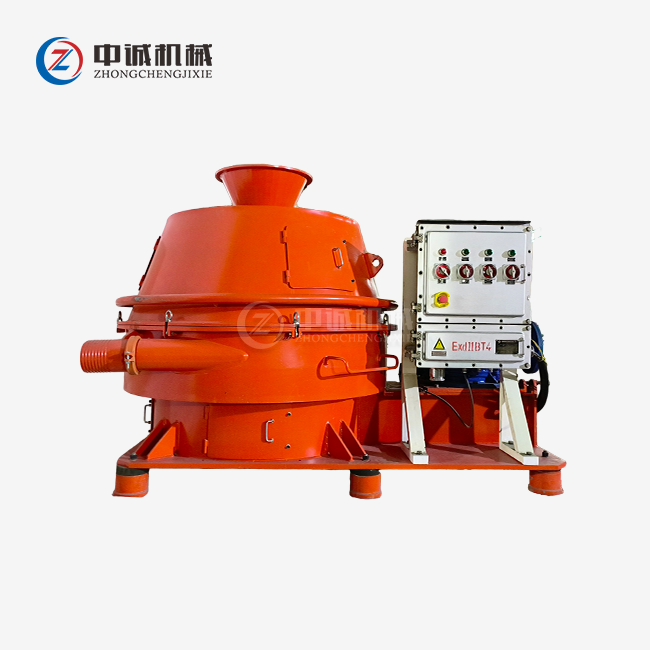
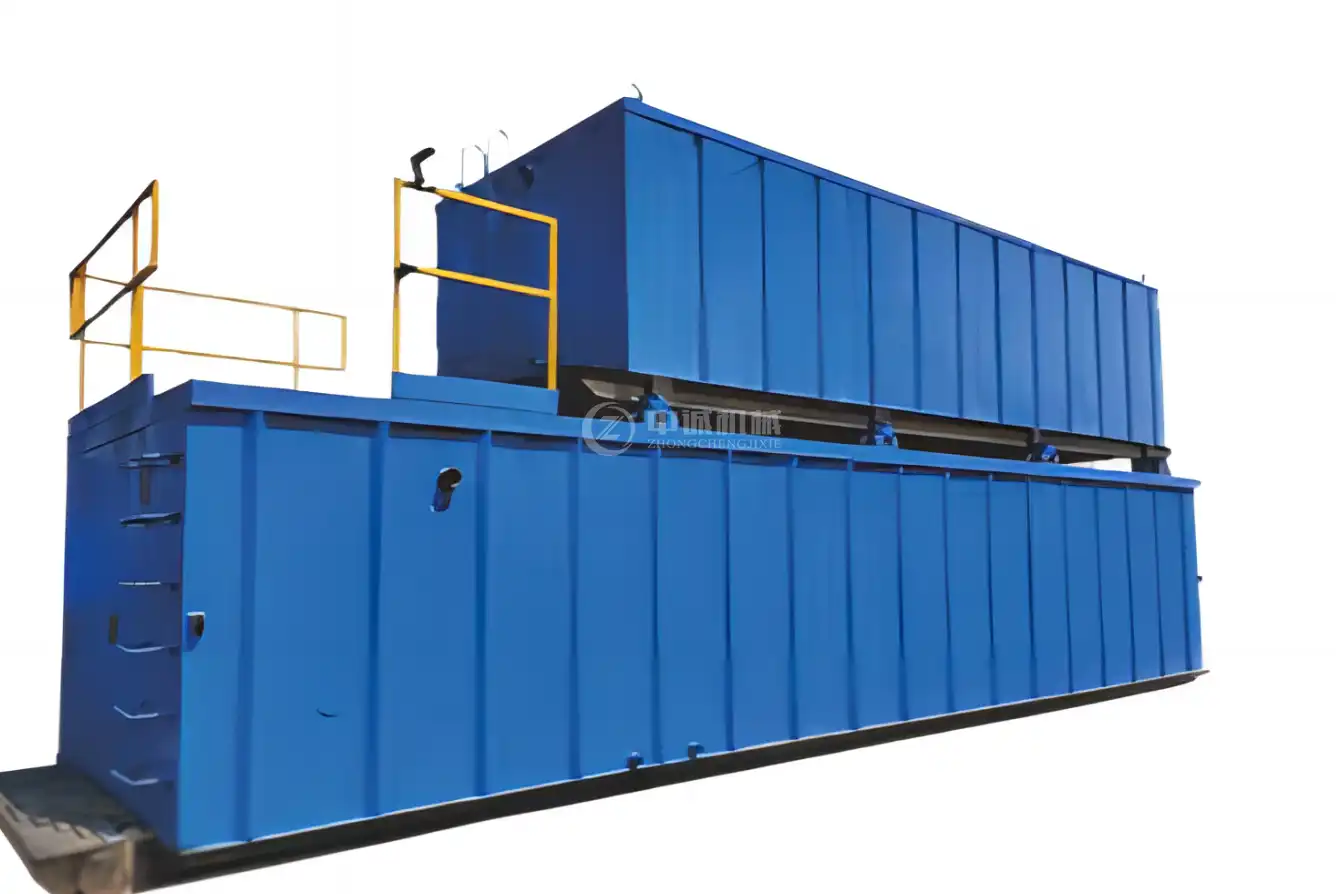
With the ZC Industrial Water Tanks, you can store water and get water in an emergency. The volume can be changed from 20 m³ to 100 m³, so the same line of products can be used for big work sites and small camps. It comes with a tracking system, and thermal insulation can be added for cold places. Small and easy to move, the unit is great for rigs, mine camps, and building sites that are always on the move. The way it's built keeps water stable, and it can hold enough water to supply oilfield operations with industrial water. The part that keeps the flow steady when it's cold outside helps keep it from freezing.
Durability, Sealing, and Compatibility
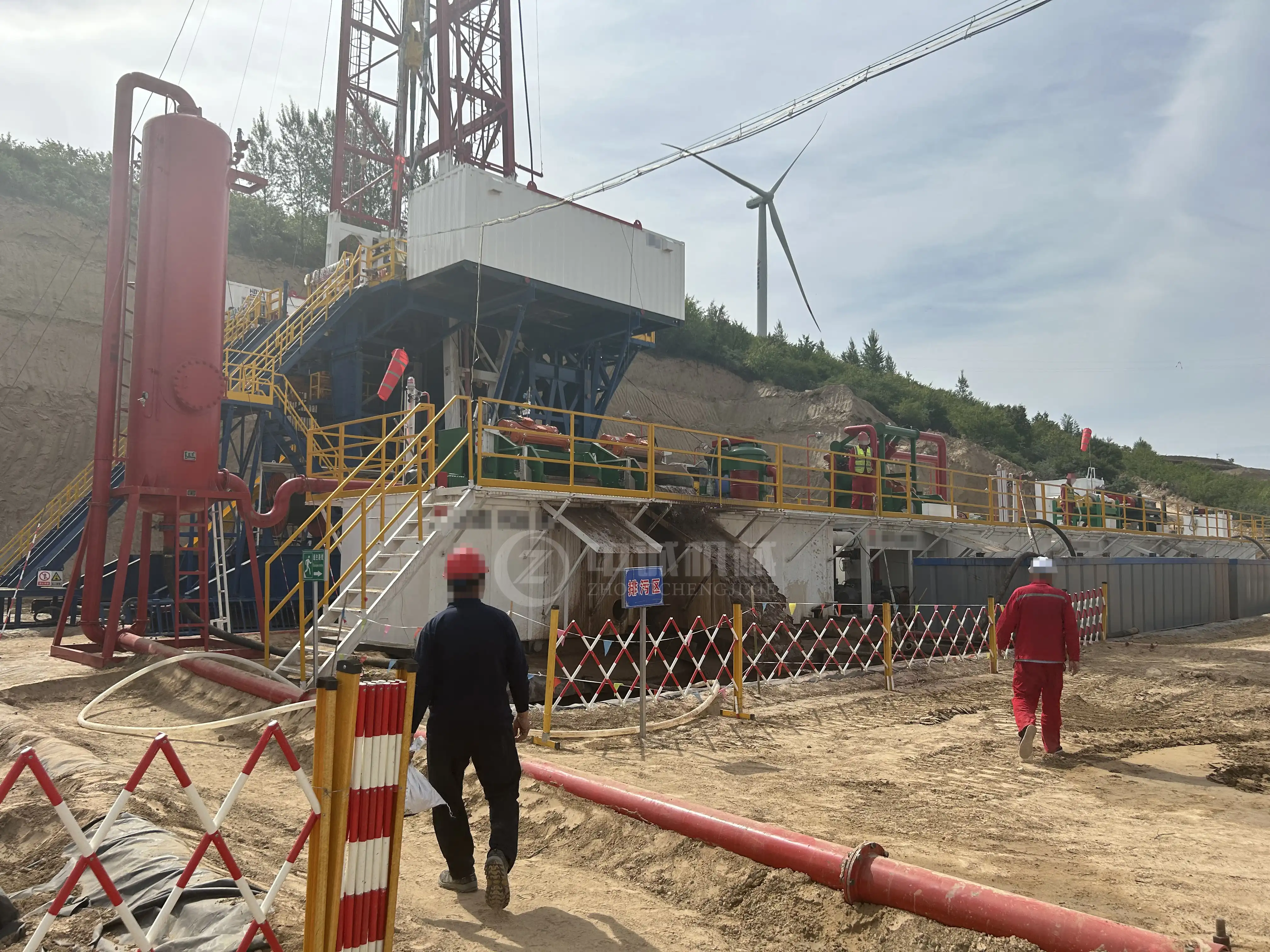
Things need to last a long time because tough places are rough on them. The tank is made from good materials that won't rust or break down. The tough drilling environment is great for these materials, and they also make the tank last longer. The way it's built keeps water from leaking out and polluting other places. It's simple to set up and take care of the tank, and it works with reliable control systems found in oil fields. Along with the mud movement gear that ZHONGCHENGJIXIE makes for rigs like the ZJ90, ZJ70, ZJ50, ZJ40, and ZJ30, it works well. Some of the places it is used are for water supply projects in oilfields, mines, building sites, and chemical plants.
Customization, Certification, and Support
ZHONGCHENGJIXIE is a direct manufacturer that has been in business for over 30 years and has its own more than 12 patents. We offer standard export packaging as well as setups that are made just for you. We also provide full service after the sale. ISO 9001, 14001, and 45001 have all given their approval to our management systems. HSE, TÜV, and BV have also given their approval to our goods. Items that are in stock are sent out within three days, and custom orders are usually sent out fifteen days after they are placed. It's easy to get to the ports of Tianjin and Shanghai. We give you a one-year warranty, drawings, flowcharts, instructions on how to use and maintain the product, and training for your business. These should clear up any questions you have about the readings at the start of this guide.
Conclusion
It's better to look at specs than price when you want to buy a lot of Industrial Water Tanks. Material and covering are picked based on what they will be used for and how clean the water is. The size is based on the useful volume, not the stated volume. The tank may or may not work on-site depending on how it is built, how heavy the foundation is, how likely it is to freeze, and how big the installation is. Standards like NFPA 22, AWWA D103, and NSF/ANSI 61 must be met by a tank to show that it does its job. It also helps to have plans and test records. More than getting the lowest price, you should look at how skilled the provider is and how much it will cost you in the long run. Also, a maintenance plan will keep your money safe. With a written checklist, people can look at bids on the same terms and make an informed decision.
FAQ
What is the best material for Industrial Water Tanks?
One material can't always win. The best choice depends on the type of water, its temperature, how clean it needs to be, the structure's load, the site's conditions, and the maintenance resources that are available. If the coating or filter doesn't work with the water, get written proof from the seller that it does.
Why do prices differ so much for a 10,000-gallon tank?
The cost depends on the design, the extras, the approval, the transport, and how much work needs to be done. When you compare bids, make sure that they all use the same definitions of ability and scope. Also, make sure that shipping and installation are included. Find out exactly what your system for fire or drinking water needs to meet.
Can ZHONGCHENGJIXIE customize the ZC Industrial Water Tank?
Yes. We can make custom layouts, and the volumes can be anywhere from 20 to 100 m³. Thermal insulation is also an option. You get standard export packaging with the order and full service after the sale. In the message, please describe the site and the amount you need. Our team will then review your request.
Request a Bulk Industrial Water Tanks Specification Review
Send an email to oliver@zcgukong.com with your order number, site conditions, and ability, and someone from our team will look over it. We are an honest company that has been making Industrial Water Tanks for more than 30 years and can give custom designs, drawings, directions, and a one-year guarantee. In-stock items are usually sent out within three days, while made-to-order items take fifteen days to appear. Go to zcsolidscontrol.com to find out more.
References
1. ANSI/AWWA D103-19: Factory-Coated Bolted Carbon Steel Tanks for Water Storage, American Water Works Association, 2019
2. ANSI/AWWA D100-21: Welded Carbon Steel Tanks for Water Storage, American Water Works Association, 2021
3. NFPA 22: Standard for Water Tanks for Private Fire Protection, National Fire Protection Association, 2023
4. NSF/ANSI/CAN 61: Drinking Water System Components – Health Effects, NSF International, 2023
5. ASCE/SEI 7-22: Minimum Design Loads and Associated Criteria for Buildings and Other Structures, American Society of Civil Engineers, 2022
6. ISO 9001:2015 Quality Management Systems – Requirements, International Organization for Standardization, 2015