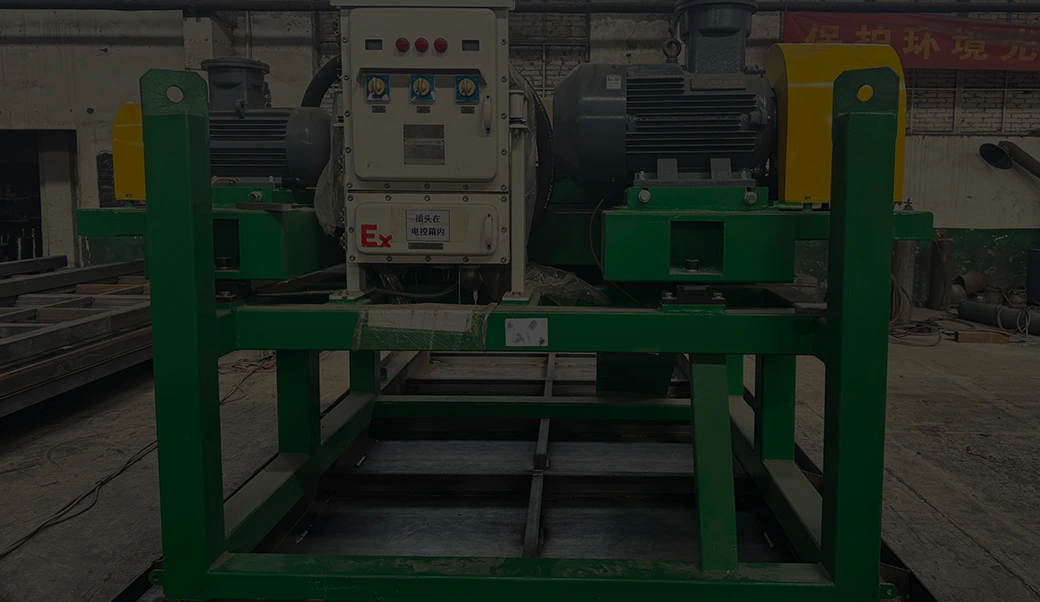
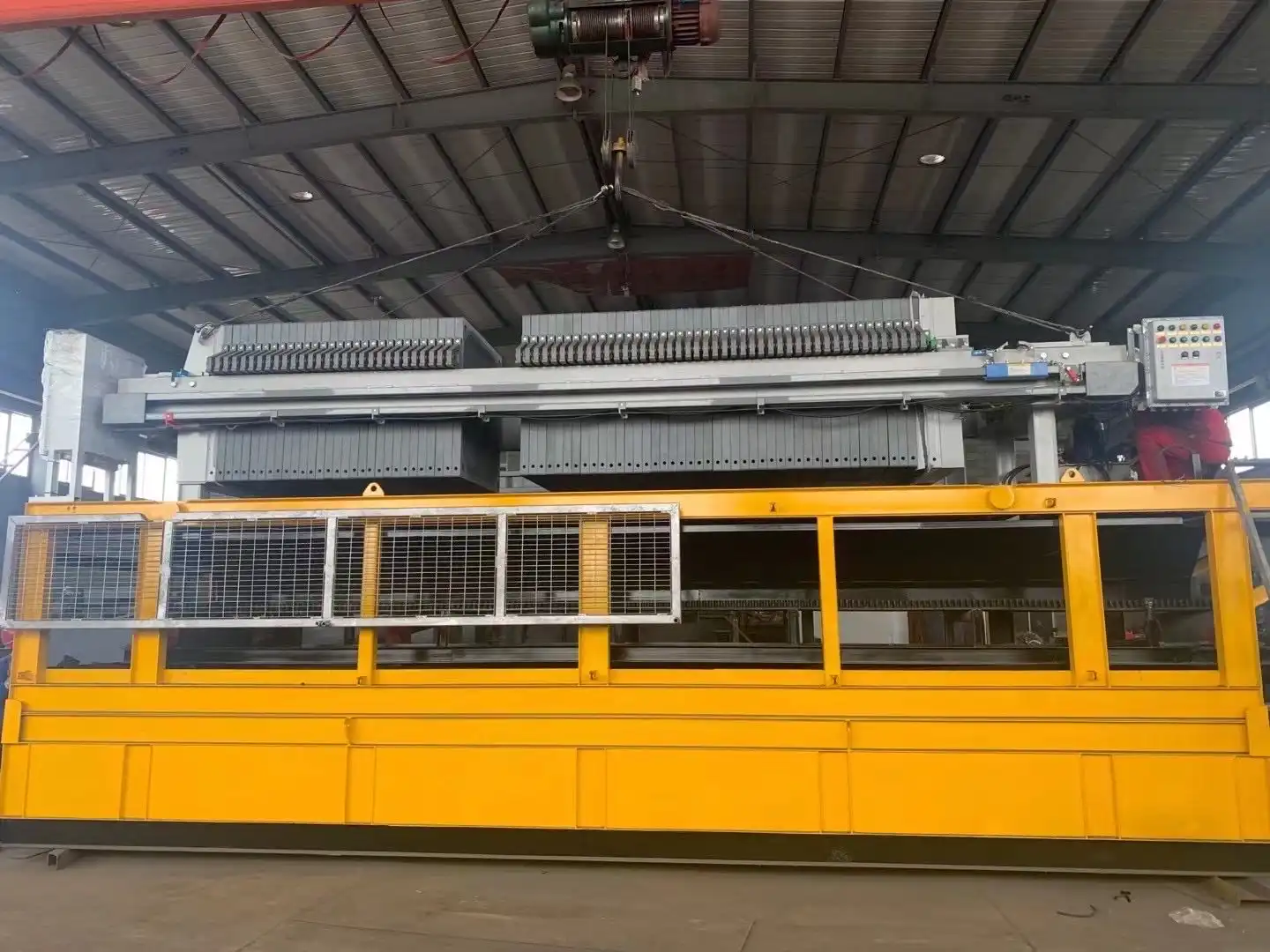
A chamber filter press is a high-pressure solid-liquid separation device widely used across oil and gas drilling, mining, wastewater treatment, and chemical processing. It forces slurry through filter media under pressures of 6 to 20 bar, producing dry filter cakes that are easy to handle and dispose of. For drilling operations specifically, this equipment handles waste mud and cuttings effectively, reducing fluid loss and meeting tightening environmental standards. Its ability to process high-viscosity and chemically aggressive slurries makes it a dependable choice for industrial filtration projects of all scales.
Understanding Chamber Filter Press and Its Industrial Role
How the Filtration Mechanism Works
In a chamber filter press, closed chambers are made by clamping recessed filter plates together under hydraulic pressure. Under pump pressure, feed slurry goes into each chamber. The liquid flows through the filter cloth, and the solids build up into a cake. This batch process gets cake wetness levels that belt presses and screw presses don't usually reach. For this reason, it is the normal way to get rid of dry solids.
Comparison with Other Filtration Equipment
Belt filter presses work all the time, but the cakes they make usually still have more wetness on them, about 25–35%. It's easier for decanter centrifuges to handle small particles, but they use more energy. Vacuum filters have low pressures and have trouble with sludges that can be squished down. A recessed plate filter press, on the other hand, uses its hydraulic station to apply mechanical closing pressures of up to 25 MPa. This dries the cake, which cuts down on the costs of shipping and dumping by a large amount.
Core Properties That Support Industrial Use
The filter plates in a chamber filter press are made of high-intensity reinforced polyethylene, which is resistant to acids and bases and stable at temperatures up to 90°C. The filtration area per unit can be anywhere from 1 m² to over 1,000 m², so the equipment can be used in anything from small test plants to full production lines. It can handle toxic chemical waste, fine mineral concentrates, and oilfield drilling mud without the plates deforming or the seals failing because of the way the material and structure are made.
Key Industrial Applications of Chamber Filter Press
Oilfield Drilling Waste Treatment
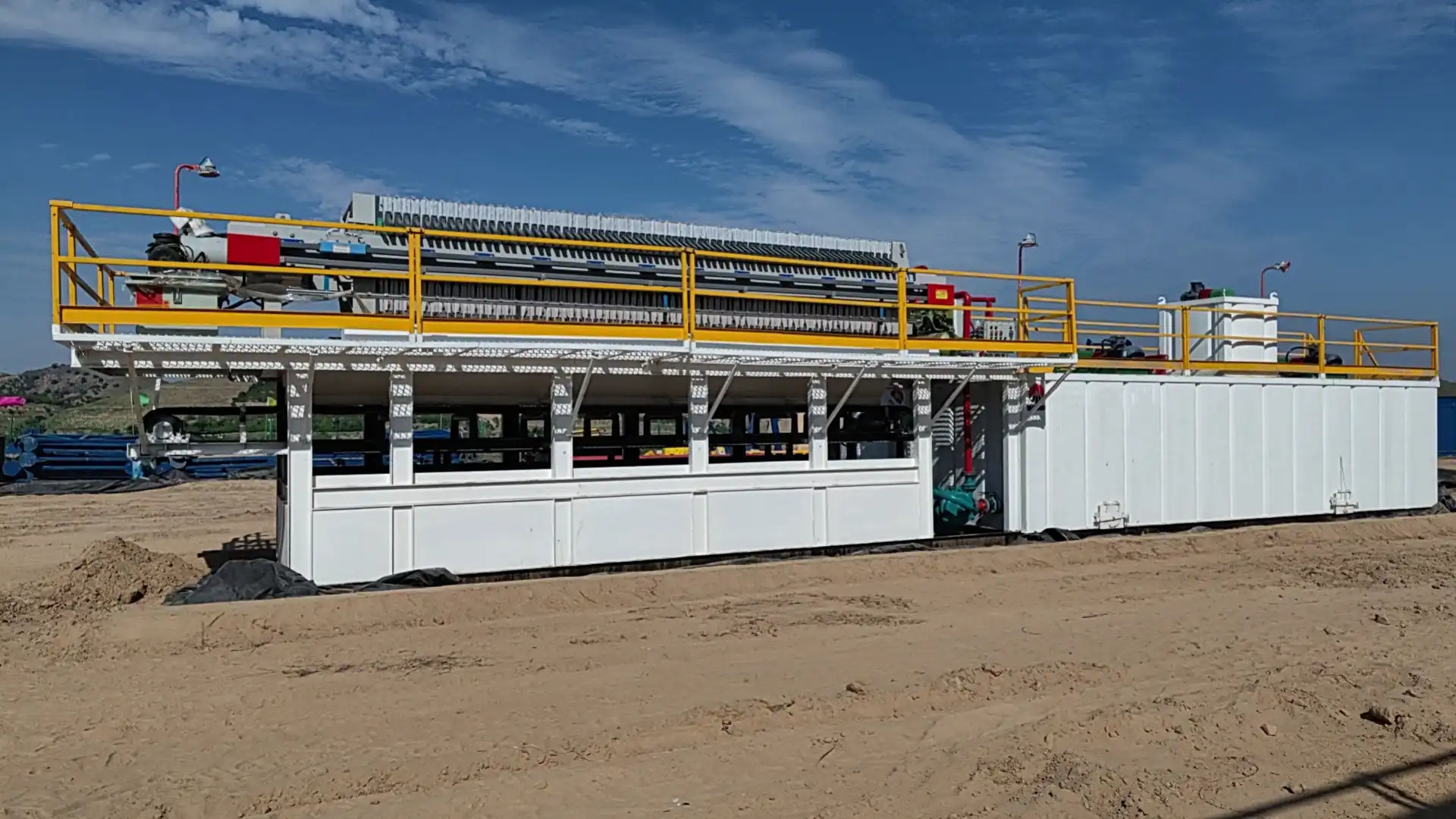
Managing waste mud and drill cuttings is a problem for both operations and the government when drilling on land or at sea. With a motor power of 37–45 kW and a filter plate size of 1250×1250 mm, ZHONGCHENGJIXIE's ZC Filter Press fits right into solid control systems in the field. It effectively separates drilling fluid from solids, recovers base mud for reuse, and lowers the amount of trash, which lowers the cost of disposal and the environmental impact of operating rigs.
Municipal and Industrial Wastewater Treatment
Sludge dewatering press systems are used by wastewater treatment plants to cut the volume of biological sludge by up to 80% before it is thrown away or burned. A chamber filter press consistently handles thickened sludge feeds, making dry cakes that can be stacked and meet city dumping rules. The Water Environment Federation says that filter pressing for mechanical dewatering is still one of the best and least expensive ways for treatment plants to reduce the amount of sludge they have.
Mining Tailings and Mineral Recovery
Copper, gold, and coal concentrates are processed in mines using filtering equipment that can handle rough slurries and high output. Mineral concentrates are pressed in a chamber press to recover the process water. This makes dry tailings that don't need to be pumped to settling ponds but can be stacked instead. This uses less water and gets rid of the long-term risk that comes with storing wet tailings, which is something that US officials are looking at more closely.
Chemical, Pharmaceutical, and Food Processing
The closed-loop filtration design of a chamber filter press stops harmful or toxic liquids from leaking during the separation cycle. This is useful in the chemical and pigment industries. Pharmaceutical companies like how the clean plate design separates the active ingredients from the process liquids. Food makers use food-grade filter cloth configurations to clear up fruit juices, edible oils, and starch slurries, where batch tracking and product purity are musts.
Why Chamber Filter Press Is Preferred Over Alternative Solutions
When purchasing managers look at filtering equipment, they always come back to the chamber filter press because it has a good mix between performance output and total cost of ownership.
Here are the main benefits that set it apart from other technologies:
- Superior cake dryness: High hydraulic closing pressure forces out residual liquid that belt presses and screw presses leave behind, directly reducing transport and disposal costs for solid waste.
- Closed-loop filtration: The sealed chamber design prevents slurry leakage, which is critical when handling hazardous, corrosive, or environmentally regulated materials common in oilfield and chemical applications.
- Low energy draw: Unlike centrifuges that run motors continuously, a filter press only draws significant power during the feed pump cycle, lowering energy consumption per ton of solids processed.
- Long service life: High-grade reinforced PP filter plates typically last 5 to 8 years under normal chemical and temperature exposure, reducing replacement frequency and planned downtime.
As drilling contractors and industrial operators say, the things that bother them the most are heavy, wet waste that costs a lot to haul, equipment that leaks when the feed pressure is high, and the high energy costs that come from running centrifugal separation all the time. If you buy a filter press from a company that offers engineering support and spare parts, these benefits will last for the whole life of the equipment.
Design Features and Maintenance Practices Enhancing Application Efficiency
Automated Plate Shifting and Hydraulic Control
These days' units have automatic plate shifters that empty filter cakes without any help from a person. This saves time and money on labor. Pressure retention tests at 20–25 MPa showed that the hydraulic closing station keeps the pressure within ±5% over long rounds. Because it is automated, the equipment can be used for long shifts without needing a person to pay close attention to each turn.
Filter Cloth Selection and Inspection
The airflow through the filter cloth needs to match the particle size distribution of the feed slurry. If the weave of the cloth is too fine, it blinds and filters more slowly. If the weave is too coarse, small particles can pass through. Filtration efficiency stays the same with regular checks for air leakage and planned cloth replacements. A woven polypropylene cloth with a micron rating that matches the solid particle profile works consistently in oilfield applications that deal with fine drill solids.
Quality Control and Structural Integrity Testing
Plates shouldn't be more than 0.5 mm off-flat across their entire surface so that slurry doesn't leak out or go around the gasket seating area. Ultrasonic or X-ray testing is needed to make sure that the weld integrity on the main frame longitudinal beams is stable when hydraulic tension is applied over and over again. Before starting up, a 24-hour virtual cycle load test is done to check the automation logic and make sure that the plate shifter and hydraulic station work consistently in production settings.
Procurement Guide for B2B Clients: Choosing the Right Chamber Filter Press
Define Feed Material and Throughput Requirements
Before calling a filter press provider, write down the amount of solids in the feed slurry, the range of particle sizes, the chemical qualities, and the amount of work that needs to be done each shift. These factors directly affect the size of the filter plate, the amount of the chamber, the specifications of the cloth, and the hydraulic pressure grade. A well-written technical brief cuts down on the time needed to evaluate and makes sure that the supplier can give a correct equipment recommendation on the first submission.
Evaluate Manufacturer Certifications and Engineering Support
Certification compliance is a basic need for industry and gas purchases. The ZC Filter Press has been approved by HSE, TÜV, and BV, as well as ISO 9001, ISO 14001, and ISO 45001. This means that it meets the requirements for international drilling contractors and EPC projects. Before placing a formal order, make sure that the maker offers engineering drawings, installation instructions, operation guides, and a clear supply chain for spare parts.
Consider Customization and Delivery Timeline
Standard filter press setups work for most uses, but oilfield projects often need different plate sizes, certain motor types, or skid-mounted units because of limited room on the offshore deck. With a 15-day production window for changed orders, ZHONGCHENGJIXIE can make configurations that are just right for you. Standard models that are in stock can be shipped within three days, which helps project schedules where getting the right tools is a key step.
Conclusion
The chamber filter press is the standard in industrial filtering because it works well in mining, oil and gas drilling, wastewater treatment, and chemical processing. Its high-pressure filtration system, corrosion-resistant build, and ability to work with automatic discharge systems meet the real practical needs of procurement managers, drilling engineers, and project leads every day. This type of equipment is still a good technical and financial choice for new projects and system changes for oilfield operators and industrial workers who need solid-liquid separation that works well, doesn't cost a lot, and has a service history that can be seen.
FAQ
What is the difference between a chamber filter press and a membrane filter press?
With a chamber filter press, fixed-volume chambers are made by solid, hollow plates, and pressure is only applied through the feed pump. In a membrane filter press, each chamber has an inflatable diaphragm that applies extra mechanical pressure after the feed cycle. This lowers the final cake moisture. If you want to save money, choose the chamber type for standard dewatering. If you need ultra-low moisture content, choose the membrane type.
How long do filter plates typically last?
If you take good care of high-grade reinforced polypropylene filter plates, they can last anywhere from 5 to 8 years, depending on the chemicals they are used for, the temperature they are used at, and how often they close under pressure.
Why is my filter cake coming out wet or uneven?
Wet or uneven cakes are usually a sign of not enough feed pressure or filter cloth that is clogged. Check the settings for the feed pump and see how permeable the cloth is. If the cloth is blinding or has fiber damage, it should be replaced.
Does the equipment support automated cake discharge?
Yes. Modern chamber filter presses have automatic plate moving systems and cake shaking devices that cut down on the work that needs to be done by hand and shorten the time it takes to go from one batch to the next.
How do I prevent leakage between plates?
Set the hydraulic shutting pressure so that it matches the pressure requirements of the feed pump. Check the plates and cloth for dirt, folds, or damage on the surface that could break the seal before each spin.
Request a Quote from ZHONGCHENGJIXIE — Trusted Chamber Filter Press Manufacturer
ZHONGCHENGJIXIE makes filter and control equipment that has been tested and proven to work in harsh drilling and industrial settings. The ZC Filter Press is a small, high-force chamber filter press that we sell and that is certified by ISO, TÜV, BV, and HSE. It can be used directly with your drilling waste or sludge treatment system. We've been making things for more than 30 years and can fully customize any order. We back up every unit with engineering paperwork and long-term service. To get a quote right away, email our team at oliver@zcgukong.com or go to zcsolidscontrol.com.
References
1. Water Environment Federation. Biosolids Engineering and Management. WEF Press, 2012.
2. Purchase, D.B., & Sutherland, K. Handbook of Filter Media. Elsevier Science, 2002.
3. Townsend, A., & Oguike, R. "Solid-Liquid Separation in the Mining Industry." Minerals Engineering, 2018.
4. Metcalf & Eddy / AECOM. Wastewater Engineering: Treatment and Resource Recovery. McGraw-Hill Education, 2014.
5. , L. Solid-Liquid Separation. Butterworth-Heinemann, 2000.
6. SPE (Society of Petroleum Engineers). "Drilling Waste Management and Minimization Practices." SPE Technical Report, 2019.