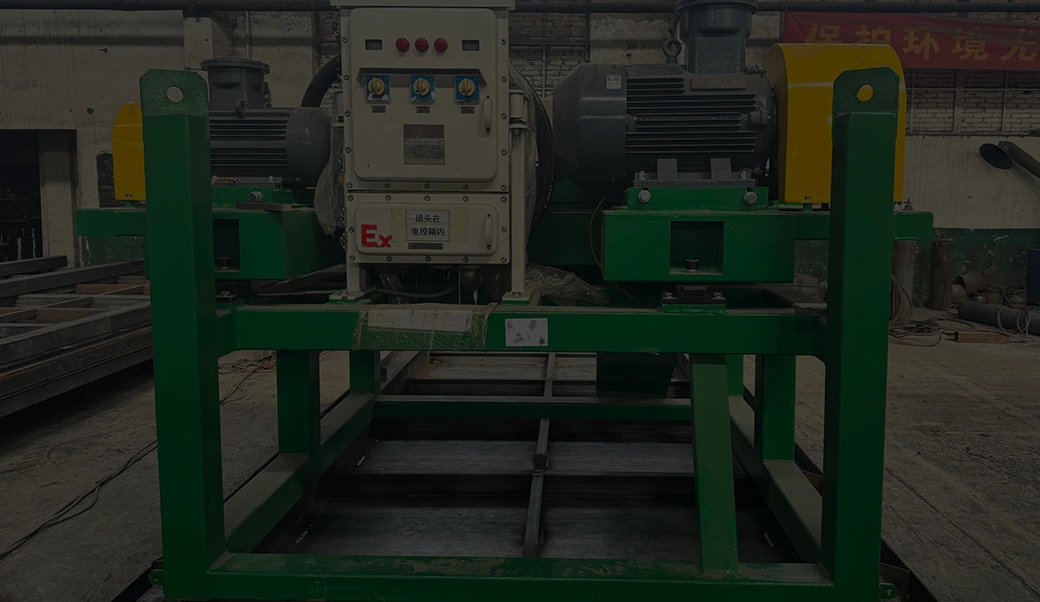
When your drilling rig sits hours from the nearest fuel depot, a reliable diesel tank is not a convenience — it is a production requirement. A properly specified fuel storage unit keeps generators, mud pumps, and solids control equipment running without interruption. At ZHONGCHENGJIXIE, our ZC Diesel Tank is an integrated skid-mounted fuel storage and monitoring system built specifically for field conditions. Whether you operate on an onshore oilfield, a remote mine site, or a geothermal exploration pad, the right backup fuel storage unit determines whether your operation stays on schedule or loses thousands of dollars per hour.
Understanding Diesel Tanks for Backup Fuel Supply
What a Backup Fuel Storage Unit Actually Do?
A Diesel Tank in the middle of nowhere protects your business from a supply chain that isn't always stable. It stores bulk fuel on-site, so it doesn't have to count on daily delivery plans. The U.S. Energy Information Administration says that, based on how much equipment is being used, remote industry areas can use anywhere from 500 to 2,000 gallons of diesel per day. If you don't have enough storage, even a one-day supply delay can stop everything.
Types of Fuel Tanks Used in Field Operations
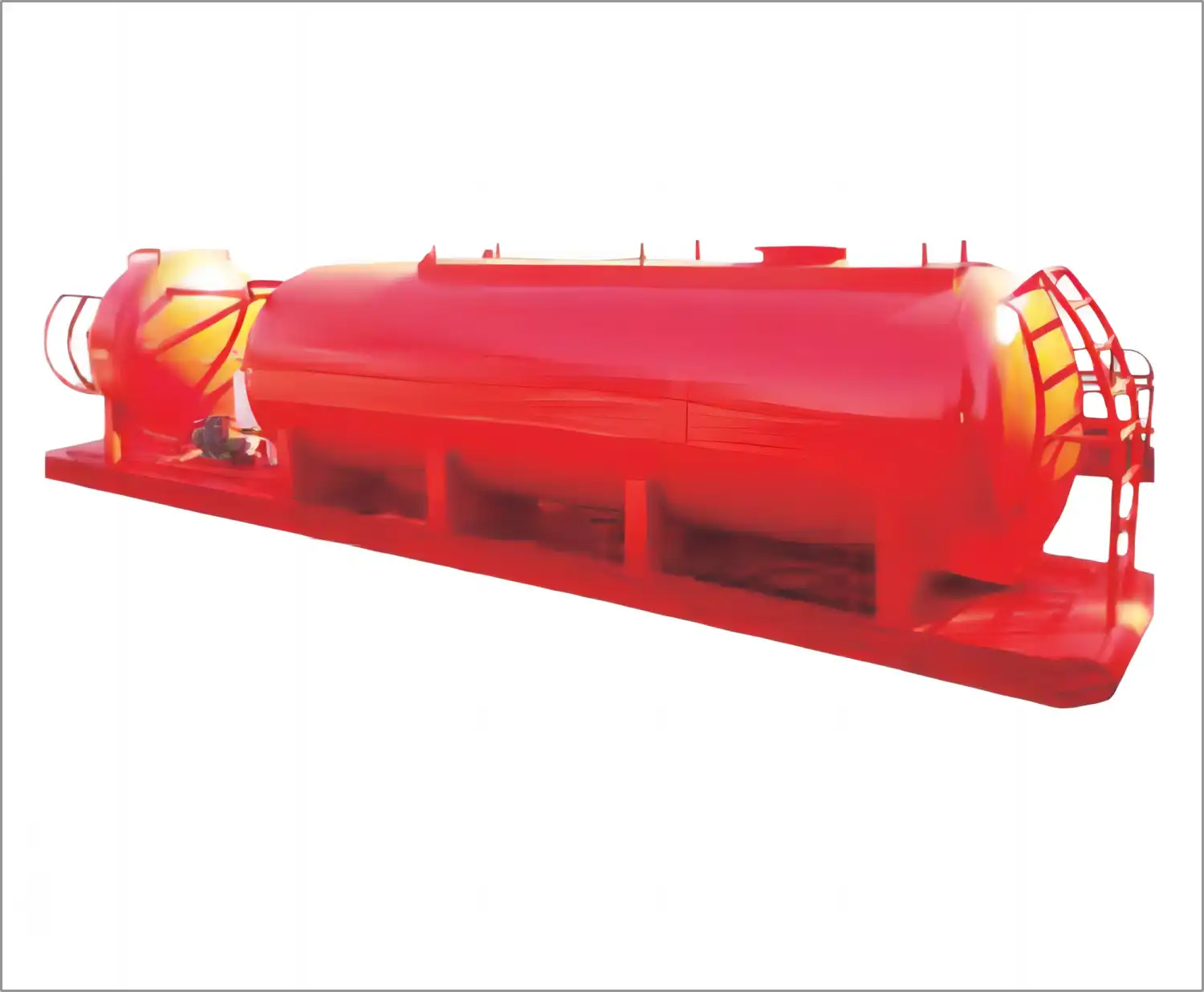
Above-ground steel tanks, double-walled bunded units, or skid-mounted movable systems are often used at industry sites that are far away. For places with a lot of shaking, steel tanks made of carbon steel (S235JR) and walls that are 3 mm to 10 mm thick are the most stable. EPA Spill Prevention, Control, and Countermeasure (SPCC) rules say that double-wall construction must provide 110% secondary containment.
Matching Capacity to Operational Demand
To choose the right storage volume, you need to figure out how much fuel you use every day, how often you can realistically restock, and how much of a safety margin you need. A drilling contractor using a ZJ50 rig in an area that gets fuel delivered once a week needs to store enough fuel for at least seven days plus an extra 20%. The ZC Diesel Tank from ZHONGCHENGJIXIE can hold anywhere from 5 to 100 m³, so buying teams can make sure that the storage capacity fits their needs perfectly without having to spend too much on extra infrastructure.
Essential Diesel Tank Maintenance and Safety Guidelines
Routine Inspection Protocols
There are five important checks that buying teams should make sure suppliers do before a shipment: testing the weld's integrity with ultrasonic or X-ray methods, testing the coating's dry film thickness (DFT), making sure the material can be traced back to its mill test certificates, and testing for interstitial leaks in double-wall units. If you skip any of these steps, you put safety and compliance at risk.
Leak Detection and Early Warning Systems
If you don't find a fuel leak, it can cause damage to the environment, fines from the government, and even the shutdown of your business. These days, field tanks have electrical sensors and automatic warning systems that let workers know when the pressure drops or there is moisture in the interstitial space. The ZC Diesel Tank comes with intelligent tracking built in, so operations managers can see what's going on in real time without having to check on it by hand all the time.
Cleaning and Fuel Quality Preservation
Diesel fuel breaks down when water builds up at the bottom of a tank because of thermal cycling. Tanks that don't have a bottom-drain sludge valve or a way to find water in the fuel let dirty fuel into engines, which damages injectors and causes unplanned downtime. Cleaning times depend on the conditions of the spot, but tanks that are used all the time should be inspected every three months. Our internal coating is resistant to corrosion, and our structure is hermetically sealed to keep water out and extend the shelf life of the fuel.
How to Choose the Right Diesel Tank for Your Remote Industrial Operation?
Mismatches between tools and site factors can be very expensive. A structured selection process stops this from happening. Before signing a purchase order, procurement managers and drilling engineers should use the following main criteria to make a decision.
Here are the primary screening criteria to evaluate:
- Material durability: In places with a lot of UV light or high temperatures, carbon steel tanks are better at resisting damage from impacts and corrosion than plastic tanks. Corrosion- and impact-resistant steel is used in the ZC Diesel Tank. This steel avoids oil erosion and mechanical damage from the outside, making it ideal for use in oilfields and mines where equipment often comes into contact with each other.
- Capacity and mobility: Skid-mounted models can be moved by crane or truck without having to empty the tank. For drilling contractors who move rigs every campaign, this is important. Portable configurations also cut down on the time it takes to set up a site and the cost of moving things between different project sites.
- Explosion-proof configuration: Areas where fuel is stored are considered dangerous in oil and gas settings. It must have a full explosion-proof configuration with certified fittings, venting, and electrical parts. If you want, you can get the ZC Diesel Tank with a full explosion-proof package that meets HSE and TÜV standards for Zone 1 and Zone 2 classified areas.
- Compatibility with existing systems: It's hard to integrate a fuel storage unit that doesn't connect easily to generator sets, pump skids, or solid control systems that are already there. The ZC Diesel Tank is designed to work with standard oilfield equipment layouts. This means that it can be installed faster and without the need for special adapters.
All of these factors work together to lower the total cost of ownership. A cheaper tank that needs to be fixed a lot or doesn't pass a government inspection will cost a lot more over the course of a three-year project than a properly described unit that was bought up front.
Diesel Tank Installation Process and Regulatory Compliance
Site Preparation and Risk Assessment
Before putting down any fuel storage units, the installation team has to do a site risk assessment that looks at things like potential sources of fire, drainage paths, and how close the units are to bodies of water. The U.S. OSHA 29 CFR 1910.106 and NFPA 30 tell people how far away they need to be from buildings and property lines. Depending on the size of the tank and the type of land, permits may also be needed at the county or state level.
Step-by-Step Installation Sequence
There is a set order to installation: preparing and leveling the foundation, placing and anchoring the skids, building or checking the secondary containment bund, connecting pipes and valves, wiring sensors, and testing the pressure before starting up. When you buy the ZC Diesel Tank, it comes with full installation plans, pipe diagrams, and an operation and maintenance manual. This makes things easier for both experienced field workers and new EPC contractors who are using our equipment for the first time.
Regulatory Documentation and Compliance Records
Regulatory organizations, such as state environmental offices and federal EPA inspectors, need written proof that the work meets their standards. This includes records of paint inspections, pressure test certificates, and papers that show where materials came from. Every unit from ZHONGCHENGJIXIE comes with full paperwork, such as ISO 9001, ISO 14001, and ISO 45001 certificates, as well as BV, TÜV, and HSE approvals, so your compliance file is complete from the start.
Procurement and Supply Chain Considerations for Diesel Tanks
Evaluating Supplier Reliability and Lead Times
For businesses that are far away and hard to resupply, the ability of the seller to deliver is just as important as the quality of the product. ZHONGCHENGJIXIE ships items that are in stock in three days and finishes custom orders in fifteen days. We can support foreign project timelines without the delays that often happen in multi-tier delivery channels because we have direct access to the ports of Tianjin and Shanghai and have freight partnerships in place.
Total Cost of Ownership Analysis
Buying choices that are only based on price don't always take into account the long-term costs. How often maintenance is done, how easy it is to get replacement parts, and how well the system is supported after the sale all affect how much it really costs over the course of a few years. Every ZC Diesel Tank comes with a one-year warranty, technical support that is available 24/7, and a full supply chain for spare parts. These things all add up to lower total operating costs.
Customization Options for Project-Specific Requirements
The needs of different digging projects are different. A ZJ90 rig in a desert basin needs a different way to store fuel than a ZJ30 rig on a platform near the coast. Customization options for the ZC Diesel Tank include tank size, wall shape, mounting plan, explosion-proof grade, and connection spots. Standard packing for export makes sure that goods get to any international destination safely.
Conclusion
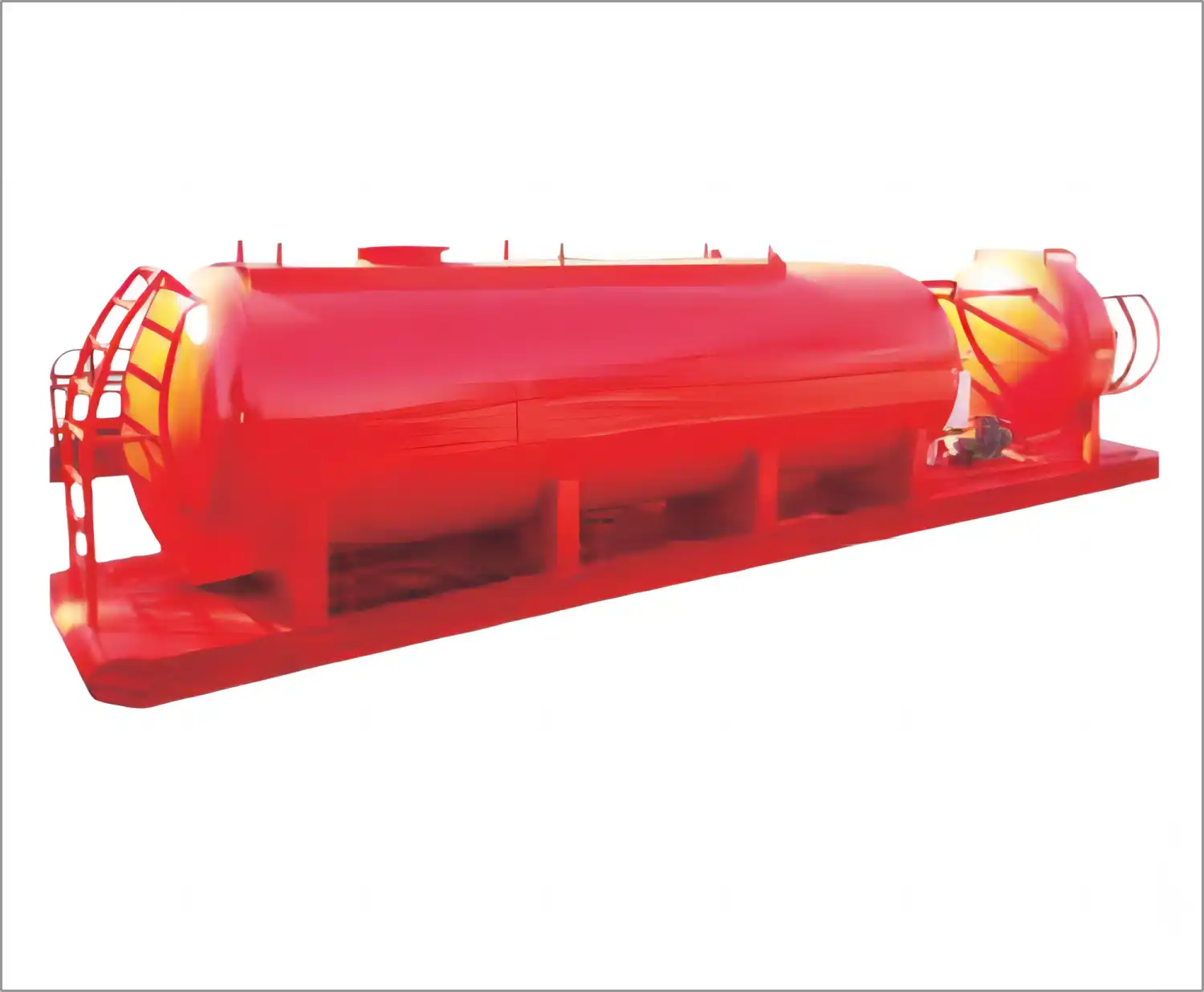
Industries that are far away can't afford to have their fuel supplies go down. A well-designed and well-kept fuel storage system keeps machines going, keeps the environment safe, and meets all the rules at U.S. and foreign project sites. The ZC Diesel Tank from ZHONGCHENGJIXIE has a lot of storage space, is built to resist corrosion, has smart tracking, and meets all the rules in one skid-mounted package. It meets the real buying needs of drilling contractors, oilfield service companies, and EPC project managers every day, with a volume range that can be changed from 5 to 100 m³, explosion-proof choices, and full paperwork support.
FAQ
How often should a field diesel tank be inspected?
Best practices in the industry say that Diesel Tanks that are always being used should have eye checks every three months and full internal inspections once a year. Checking the coating and testing the pressure should be done every two to three years, depending on how much the item is exposed to the environment. Places with a lot of wetness, changes in temperature, or strong vibrations may need to be inspected more often.
What risks does a diesel fuel leak create on a remote site?
A leak can pollute the groundwater and dirt, cause fires, lead to fines from the government, and even cause the site to have to be shut down. According to EPA SPCC rules, places that store more than 1,320 gallons of oil products in aboveground barrels must keep a plan to avoid spills. There needs to be secondary storage that can hold 110% of the biggest tank's volume. The best way to find problems early is with intelligent leak-detecting monitors.
Can the ZC Diesel Tank be customized for specific regulatory requirements?
Yes, ZHONGCHENGJIXIE can be set up in any way you want. This includes double-wall construction, explosion-proof electrical systems, exact placement of inlets and outlets, and volume changes from 5 to 100 m³. All units come with all the paperwork they need to be certified, such as ISO 9001/14001/45001, HSE, TÜV, and BV approvals.
Does an elevated tank configuration require a secondary containment bund?
Yes. Most environmental rules, like NFPA 30 and EPA guidelines, require a control bund that can hold 110% of the tank's volume, no matter how high it is. This is true for sites both below ground and above ground.
Get a Custom Diesel Tank Quote from ZHONGCHENGJIXIE
As a direct manufacturer of Diesel Tanks, ZHONGCHENGJIXIE has worked with oilfield contractors, drilling service companies, and EPC project teams around the world for more than 30 years. Our ZC Diesel Tank line has sizes ranging from 5 to 100 m³, can be fully customized, has choices that are safe from explosions, and is ISO/TÜV/BV approved. To get engineering plans and a price for your project, email our team at oliver@zcgukong.com or visit zcsolidscontrol.com right now.
References
1. U.S. Energy Information Administration. Petroleum & Other Liquids: Industrial Consumption Data. EIA, 2023.
2. National Fire Protection Association. NFPA 30: Flammable and Combustible Liquids Code. NFPA, 2021.
3. U.S. Environmental Protection Agency. SPCC Guidance for Regional Inspectors. EPA Office of Emergency Management, 2022.
4. U.S. Occupational Safety and Health Administration. 29 CFR 1910.106: Flammable Liquids. OSHA, 2020.
5. American Petroleum Institute. API 650: Welded Tanks for Oil Storage. API, 2021.
6. International Organization for Standardization. ISO 9001:2015 Quality Management Systems — Requirements. ISO, 2015.