Remote fuel stations operating in oilfields, mining sites, and off-grid construction zones face a persistent challenge: how do you keep equipment running when reliable power and infrastructure simply don't exist? An elevated diesel tank directly solves this problem. By positioning the storage vessel on a structural steel stand, gravity does the work that electric pumps normally handle. The result is a consistent fuel flow to drilling rigs, generators, and heavy machinery—without the mechanical complexity that creates failures in the field. For procurement teams managing remote operations, this is a significant operational advantage.
Understanding Elevated Diesel Tanks in Remote Fuel Stations
What Is a Gravity-Fed Diesel Storage Unit?
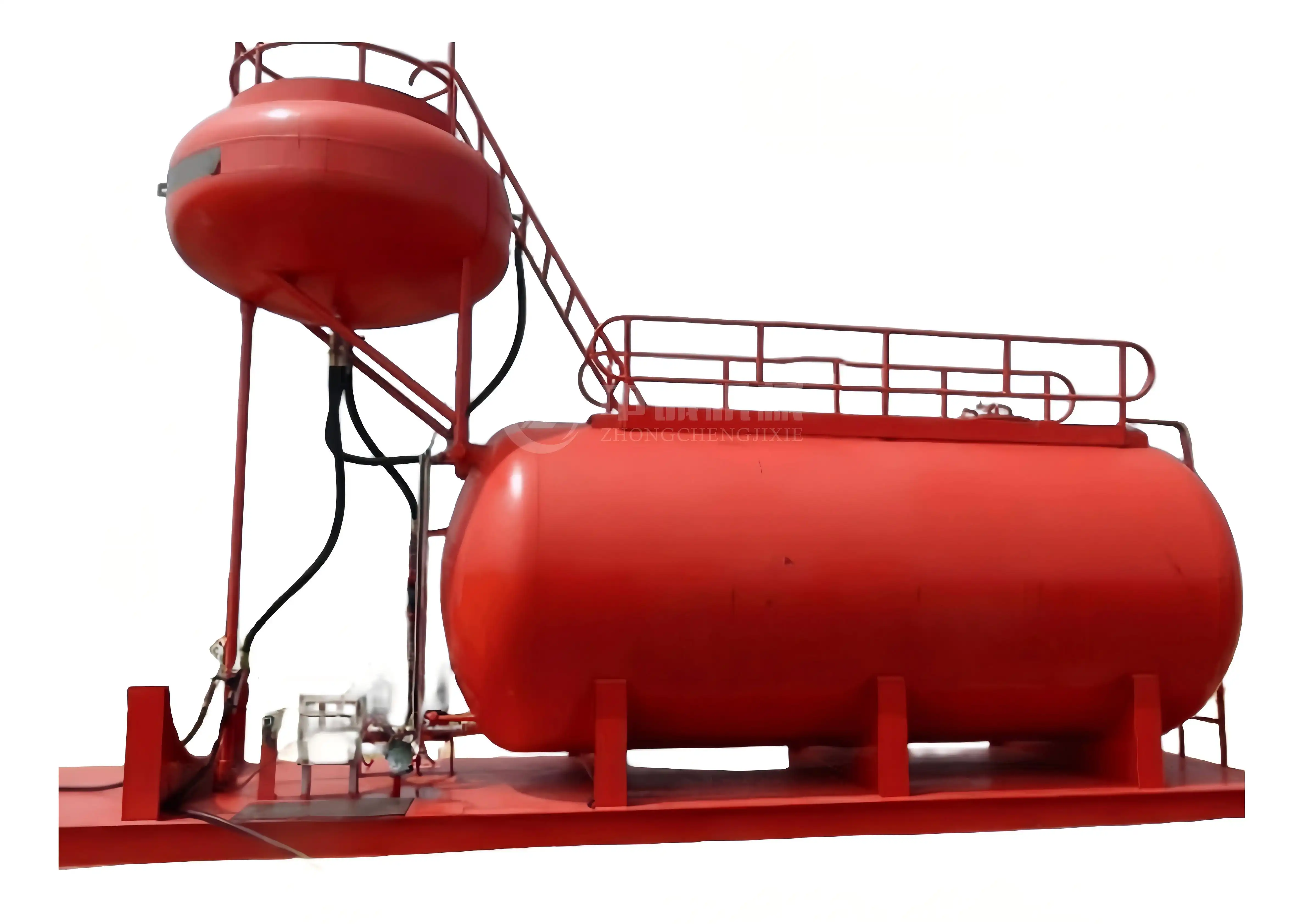
A diesel storage unit that is fed by gravity sits on a steel stand that is raised, usually between 2 and 4 meters high. This lets head pressure push fuel through the discharge exit. About 0.1 bar of pressure is created for every meter of elevation, which is enough to refuel most field equipment without any electricity. Because of how they work, these tanks are really useful in places where grid power isn't available or isn't reliable.
Design and Material Considerations
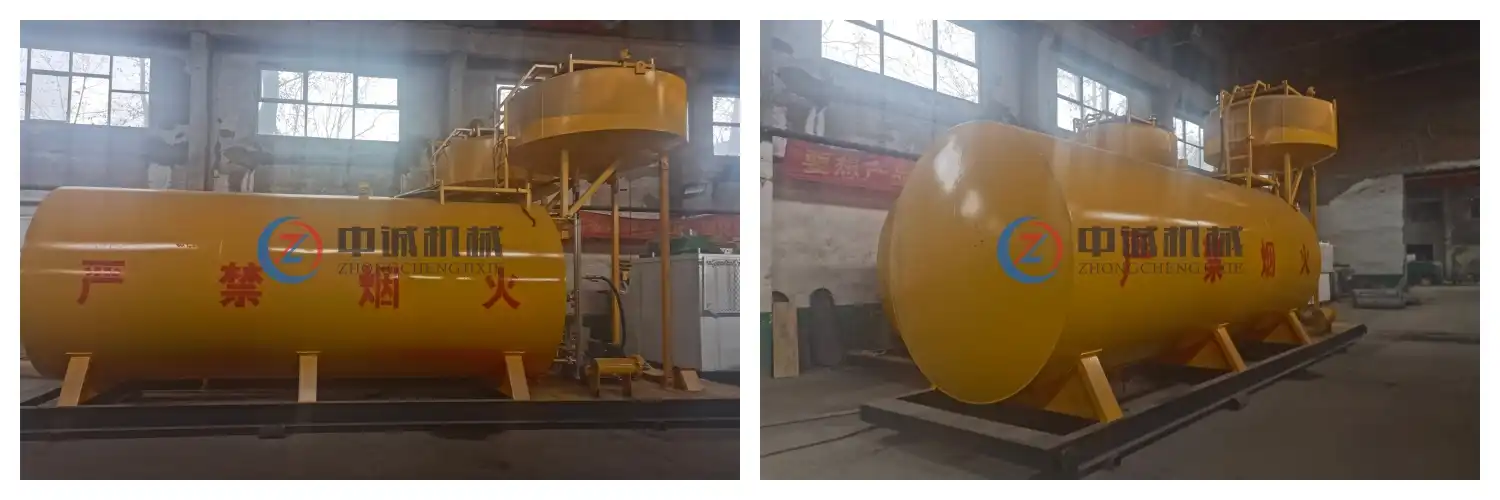
Most of the units are made from high-quality carbon steel like Q235B or S235JR, and the shells are between 5mm and 8mm thick. The inside is usually lined with epoxy to stop microbial corrosion in diesel that has been stored, and the outside has C5-M atmospheric coatings that are made for harsh outdoor conditions. Internal baffles make the structure stronger, and a bottom sludge drain valve lets workers get rid of the water that builds up from heat cycles.
How Is the ZC Unit Configured?
ZHONGCHENGJIXIE's ZC Elevated Diesel Tank has a volume range of 5 to 50 m³, a skid stand that can be taken off, and a gravity drainage system that is built in. Teams can move, assemble, and reposition the unit without using heavy tools because it is made up of separate modules. This adaptability is especially useful at drilling sites where the rig moves from well to well.
Key Benefits of Elevated Diesel Tanks for Remote Locations
The only way to figure out if these units are worth buying is to look at how useful they are in the field. Here are some of the best things about this device:
- Pump-free operation eliminates a common failure point. Mechanical transfer pumps require electrical connections, seals, impellers, and regular servicing. Removing the pump entirely means one fewer system to troubleshoot during a 24-hour drilling operation. Field data consistently shows that pump failures account for a meaningful share of unplanned downtime in remote fuel systems.
- Elevated structure prevents ground moisture damage. Positioning the tank above grade keeps the vessel away from standing water, soil erosion, and frost heave. This directly extends the tank's service life and reduces corrosion risk at the base welds—a problem common in underground or grade-level installations.
- High-capacity storage supports continuous drilling operations. With volumes available up to 50 m³, a single unit can supply fuel for extended drilling cycles without frequent resupply trips. For oilfield operators running ZJ50 or ZJ70 rigs in remote basins, this reduces logistical pressure considerably.
- Hermetically sealed design prevents spills and contamination. The tight sealing system stops vapor release and surface leakage, satisfying environmental compliance requirements without additional containment infrastructure.
Elevated Diesel Tank pump-free operation gets rid of a usual point of failure. Electrical connections, seals, impellers, and regular maintenance are all things that mechanical transfer pumps need. If the pump is taken out completely, there will be one less system to fix during a 24-hour digging operation. Field data consistently shows that pump failures cause a big chunk of unplanned downtime in fuel systems that are far away.
Elevated Diesel Tanks vs. Other Storage Solutions: Making the Right Choice
Underground Tanks: Higher Environmental Risk
Even though underground tanks aren't very noticeable, they pose a big environmental risk. It's hard to find leaks, cleaning up soil contamination is expensive, and strict monitoring duties are required by US regulations, especially under EPA 40 CFR Part 280. If you don't find a leak right away, the cost of fixing it will be much higher than the savings you got from the initial repair.
Skid Tanks: Portable but Limited
Skid-mounted tanks are mobile, which is helpful for operations that only last a short time. But because they are at ground level, they need a separate transfer pump for most jobs. This adds to the mechanical complexity that elevated units avoid. Skid tanks usually have less space, so they aren't the first choice for big digging operations when they need to store fuel.
Total Cost of Ownership Comparison
When you add up the costs of buying the pump, installing the electricity, maintaining it, and replacing it, the raised gravity-feed unit usually ends up being cheaper after five years. The ZC unit's removable skid stand also lets the tank vessel be used at different job sites, which spreads the cost of acquisition over a longer period of time.
Procurement Guide: Sourcing and Installing Elevated Diesel Tanks
Verifying Supplier Certifications
Before making an order, procurement managers should make sure that the seller has the right certifications for the job. The ZC Elevated Diesel Tank has approvals for ISO 9001 quality management, ISO 14001 environmental management, and ISO 45001 health and safety at work. It also meets the standards of HSE, TÜV, and BV. These certificates show that the way the product is made and how it is designed meets standards that are known around the world.
Customization and Delivery Planning
For different cutting jobs, different sets of tools are needed. ZHONGCHENGJIXIE can work with custom specifications for things like Elevated Diesel Tank size, stand height, placement of discharge outlets, and coating systems. Standard packing for export is included, and the company ships from Xi'an, which is close to both Tianjin and Shanghai ports. In-stock configurations are sent out within three days, and custom orders usually take fifteen days to finish.
Installation and System Compatibility
The unit works directly with solid control systems on-site, and it stores fuel in a single place and sends it to mud pumps, engines, and other equipment. The process of installation is easy; teams can just follow the structural drawings and operation manuals that come with each unit. Assembling the stand doesn't need any special tools, so it takes less time to get to the drill site.
Maintaining Elevated Diesel Tanks for Optimal Performance
Routine Inspection Protocol
Weld strength, coating condition, seal performance, and the sludge drain valve are all checked on a regular basis. Every year, operators should check the dry film thickness of exterior coatings and reapply protective finish to areas where the surface starts to wear down. Ultrasonic or radiographic checking of the welds during production is the basic quality standard. However, in busy field situations, an eye inspection should be done every three months.
Condensation and Water Management
When the temperature changes from day to night, mist forms inside the tank. This lets water into the fuel supply. Professional units have a sludge valve at the bottom and paste sensors that find water. Operators should regularly drain any water that has built up, especially in places where temperatures change a lot, like oilfields in the desert or mining sites at high elevations.
Environmental Compliance in Ongoing Operations
Most places in the U.S. and around the world that use oilfields need an additional control bund that can hold 110% of the tank's total volume. The ZC unit's completely sealed design lowers the chance of a spill, but it must be used with the right containment bund to meet regulations and be environmentally responsible.
Conclusion
The most pressing fuel management issues at remote sites are addressed by an Elevated Diesel Tank, including pump failures, ground-level corrosion, environmental compliance, and refueling reliability. The raised structure protects the tank from ground conditions, the gravity-feed principle eliminates mechanical dependence, and the sealed design supports environmental responsibility. If a purchasing team is looking at fuel infrastructure for oilfield, mining, or off-grid building projects, this storage configuration offers a lot of practical and financial value over the asset's entire service life.
FAQ
How long does an elevated diesel tank typically last in field conditions?
In the field, a steel machine that is well taken care of and has the right protection coatings will last fifteen to twenty-five years. How long something lasts depends on how often it is inspected, how well the coating is maintained, and how harsh the working environment is. Units that are sent to seaside or high-humidity areas need to be coated more often.
How does an elevated tank compare in cost to a pump-fed system over five years?
A gravity-feed raised unit usually costs less over five years when you consider the cost of the pump, the installation of the electrical system, the yearly maintenance, and the cost of replacing parts. The exact amount of money saved depends on how much fuel is used and how much labor costs in the area, but getting rid of pump parts always saves the most money.
What safety certifications should I require from a supplier?
To start, make sure the company has ISO 9001, ISO 14001, ISO 45001, and HSE approval. The TÜV and BV certifications add more third-party checks of safety and structural standards. For operations in the United States, make sure that the clearance and spacing standards in NFPA 30 are met.
Can the tank be relocated between project sites?
Yes. The detachable skid stand design makes it possible to take apart and move the unit without using heavy moving tools. This makes the unit useful for drilling workers who regularly move from one well site to another.
Get Your ZC Elevated Diesel Tank Quote from ZHONGCHENGJIXIE
ZHONGCHENGJIXIE makes approved solutions for Elevated Diesel Tanks that are used in the oilfield, mines, and rural building sites. Our units come with full technical documentation, help with custom configuration, and after-sales service after the sale. They are also certified by ISO and BV. We offer low prices and fast delivery as a direct manufacturer of Elevated Diesel Tanks with more than thirty years of experience. To get specifications and a price for your job, email us at oliver@zcgukong.com or visit zcsolidscontrol.com right now.
References
1. National Fire Protection Association. NFPA 30: Flammable and Combustible Liquids Code. 2021.
2. U.S. Environmental Protection Agency. Underground Storage Tanks: Technical Compendium. 2023.
3. Steel Construction Institute. Design of Steel Structures for Petrochemical Plants. 2019.
4. American Petroleum Institute. API 650: Welded Tanks for Oil Storage. 2020.
5. International Organization for Standardization. ISO 9001: Quality Management Systems — Requirements. 2015.
6. Society of Petroleum Engineers. Field Operations and Equipment Management in Remote Drilling Environments. Journal of Petroleum Technology, 2022.