Yes. A well-built Mud Circulation Tank can improve drilling fluid handling on remote sites. It gives the crew one organized place to store, stir, check, and move mud between the wellbore, shale shaker, solids control equipment, and mud pumps. That control cuts manual transfer, reduces spills, and keeps density and viscosity steadier. A modular, skid-mounted design also makes relocation easier when a rig moves between wells. The gains still depend on correct capacity, agitation, pump compatibility, installation, and routine maintenance. This guide explains how the tank works, how to size and select one, and what to include in a quotation request.
Why Drilling Fluid Handling Gets Harder Away From Town?
Limited Power, Water, and Spare Parts
Most of the time, remote rigs are hours away from the next supply yard. What if crews can't get the mud ready because the pump seal is missing, the engine is weak, or there isn't enough water? They might have to make do. Because the plan isn't clear, workers move fluid by hand, with loose lines, or through makeshift pits. Every step you take is a risk that costs you time and money. Heavy tanks need to have their lifting points and transport sizes planned out before the truck leaves the yard, because some lifting tools might not be very strong.
Mud Loss, Contamination, and Safety Risks
It rains, dusts, and cuts into a clean fluid in open pits. The ground can get dirty from overflow, and it costs a lot to clean up. While working in the field, crews use the tools in API Recommended Practice 13B-1 to check how dense and thick the mud is. How well the holes are cleaned and how much pressure is used can both change if either number changes. When you do things by hand, you could slip, strain, or get pinched. You are less likely to get hurt in a closed, compartmented tank because the fluid stays in a controlled path.
What This Guide Covers
What is a tank? How does fluid move through it? What are its parts? What is its size and shape? What are its safety features? How do you keep it in good shape? What do you need for a quote? Anyone who works with engineers, buyers, EPC teams, or wholesalers should read this guide. Follow it if you work for a US company that does oil and gas, shale gas, geothermal, water wells, mining, or foundation work.
What a Mud Circulation Tank Is and How It Works
Definition and Role
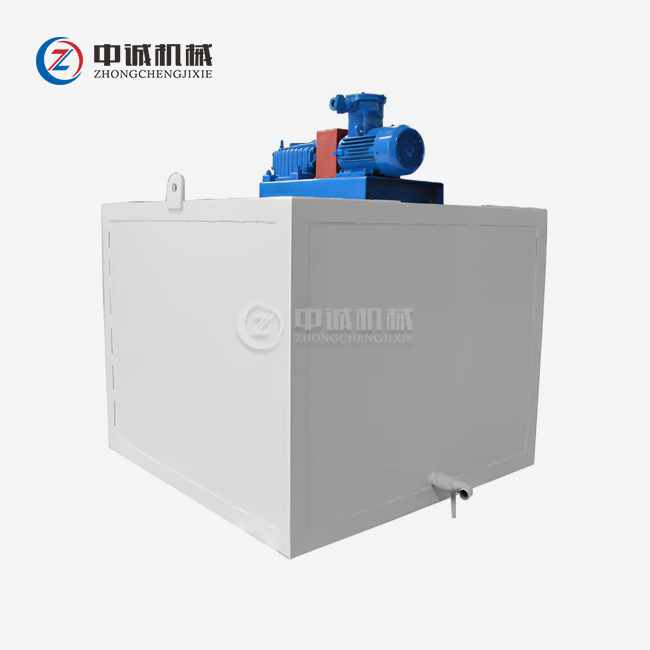
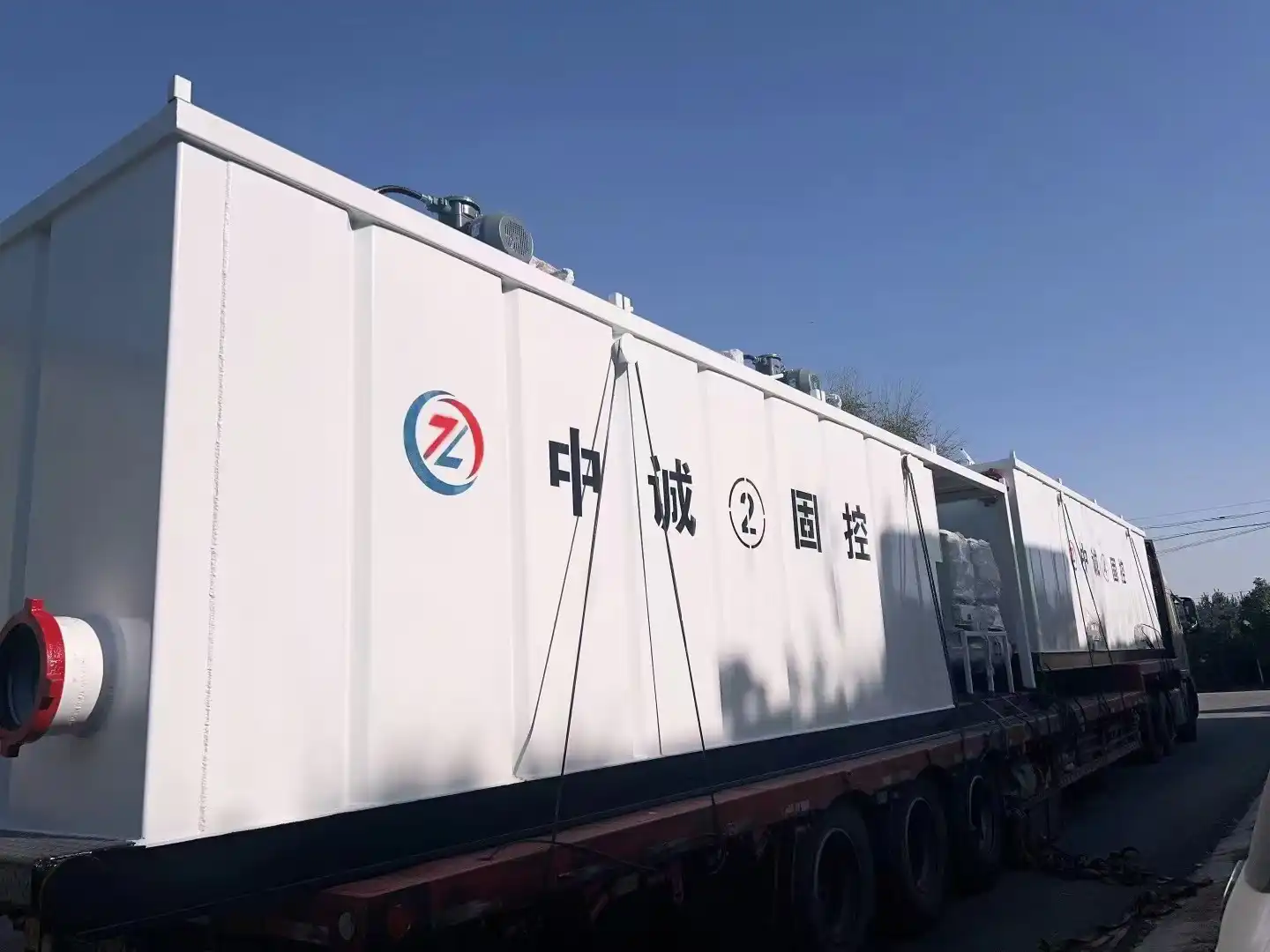
What is a Mud Circulation Tank? It is a steel vessel with several compartments that receives drilling fluid, conditions it, and moves it around while drilling is going on. Instead of just a box for storage, it has dividers, agitators, and pipe links inside to keep the mud moving and level. It is the main part of the solids control system because it holds the centrifuge, desander, desilter, and shale shaker. This type of tank is used by teams that work with rocks and dirt, mine for oil and gas, drill horizontally, and build.
How Mud Moves Through the System?
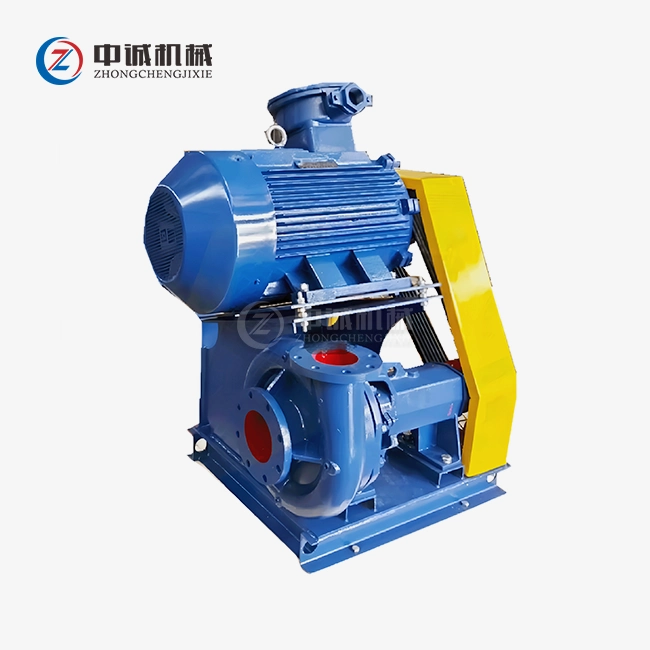
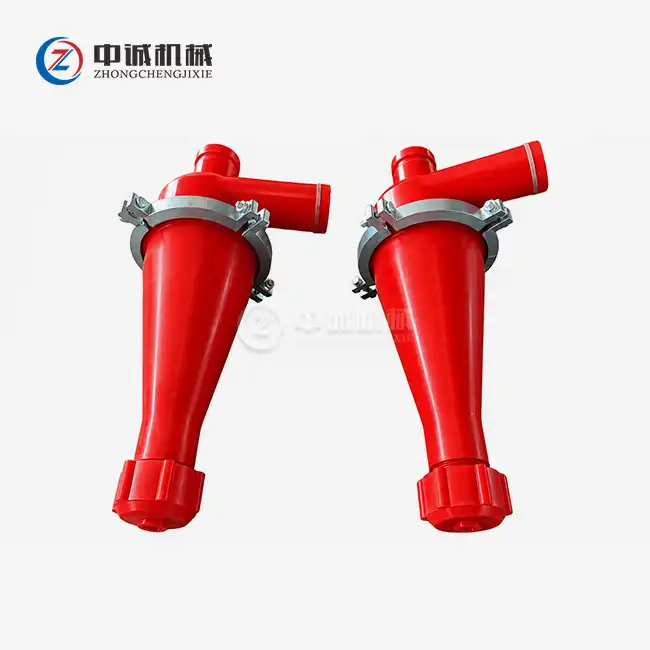
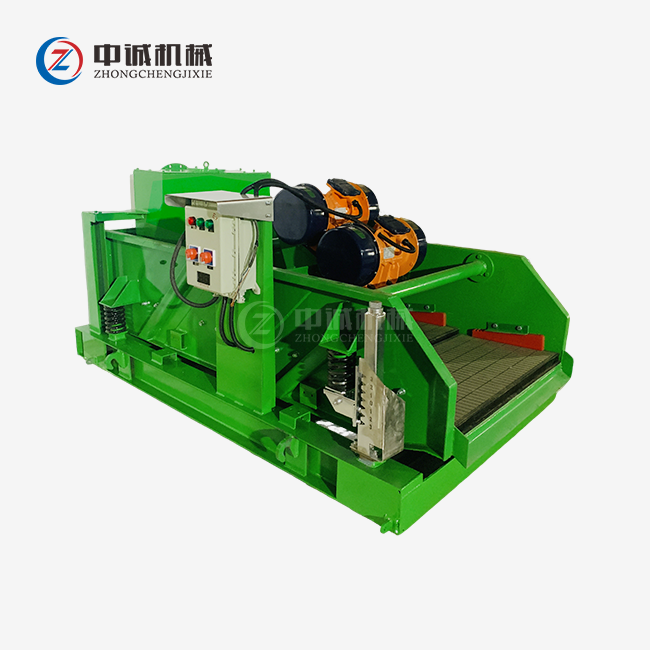
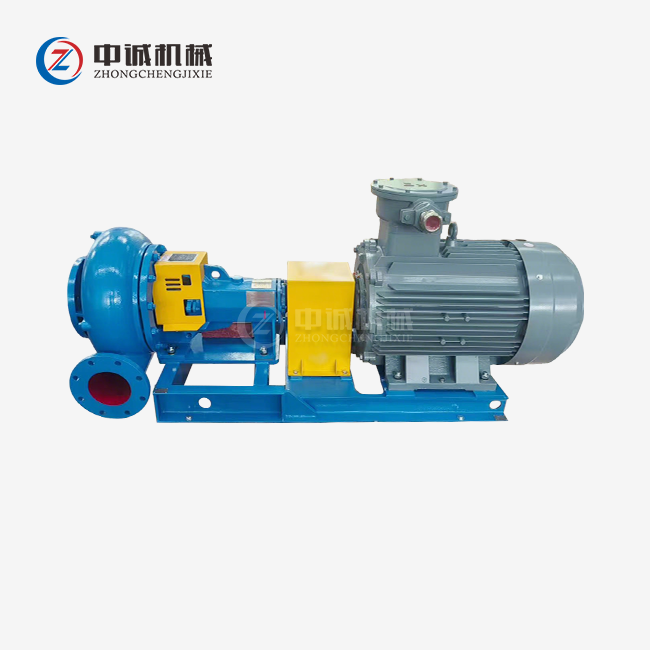
With a modular Mud Circulation Tank, the crew only has to mess up one area instead of many pits spread out over a large site. When mud comes back to the well through the flowline, it goes over the shale shaker, which gets rid of the big pieces. The liquid is then put into the tank, which has baffles inside that allow it to settle, move, mix, and store. It is possible to move the grains around with separators and mud guns. A sand pump moves the sand to the desander, desilter, or centrifuge. Those in charge check the amount, density, viscosity, and temperature of the fluid before the mud pumps send it back downhole. A tank's shape, where it's placed, the height of the outlet, and the size of the pipe are all important. Placing it wrong can leave empty spots where solids can gather, and if the flow is low, the mud pump might not get enough water.
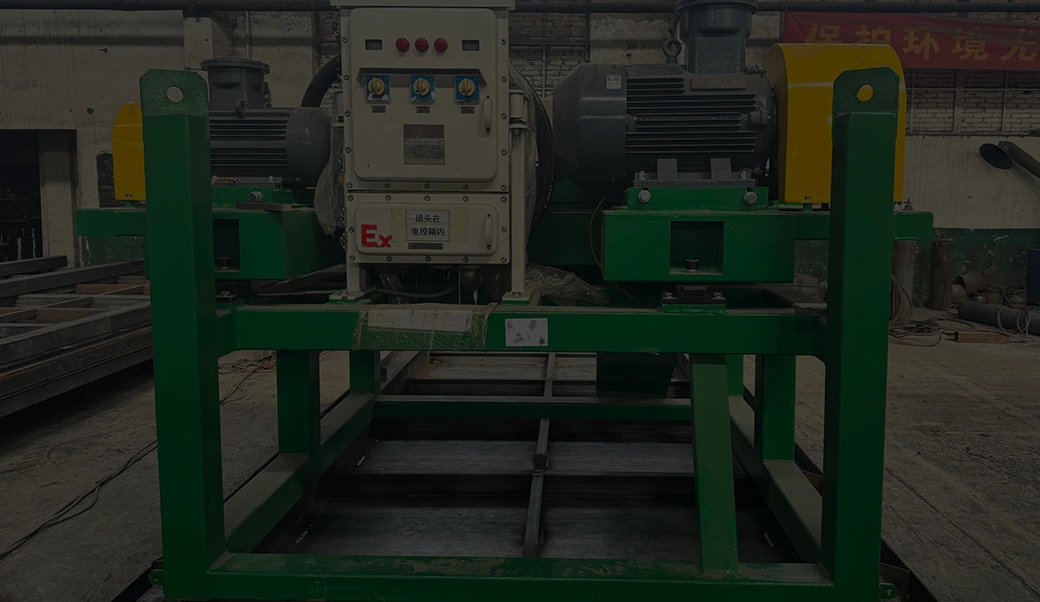
Main Components of a ZC Mud Tank
The frame of the ZC Mud Tank from ZHONGCHENGJIXIE is made of steel and is divided into different zones. You get all the tools you need with it. A lot of the time, parts like tank shells, internal baffles, suction sections, agitators, mud guns, pipes, valves, and drains are used. Non-slip steps, railings, and ladders make it safe for workers to get to their jobs. The steel is covered with something that won't rust, and the frame is sealed to keep water inside. You should use more than just a catalog to help you choose each part. The properties, flow rate, temperature, and way your rig links to the mud should also be taken into account.
Can a Mud Circulation Tank Improve Remote-Site Drilling Fluid Handling?
Problems It Reduces
You won't have to move fluids by hand, mix them unevenly, worry about not having enough storage room, overflow, or deal with equipment that is hard to move if you build your Mud Circulation Tank right. Contamination and spills can't happen because of the closed compartments and fixed pipes. Both the density and consistency stay more even as you stir. Level indicators and sampling points make it easy to see at a glance what the active and reserve volumes are. Moving from one well to another is easy when the frame, full weight, and dimensions are all set up correctly. You don't get these benefits just because you are. If the tank is too small or not stirred enough, it doesn't matter. What matters is the amount, the cover of the stirrer, how well it works with the pump, and how well it is maintained.
What the ZC Mud Tank Offers?
Here are some of the best things about the ZC Mud Tank:
- Size and structure: The flexible, zoned structure and large amount of room make it easy to store and mix drilling mud. The stable structure helps crews keep mud performance steady during long circulation periods. It makes good use of space, which is helpful on crowded pads.
- Durability and sealing: Corrosive media and mud with a high concentration can't wear away good anti-corrosion materials, so they last longer. With the strict rules on the site, it's important to protect the environment, and the fully protected tank structure does just that.
- Stirring and compatibility: If you want to keep the mud smooth, you can use professional mixing tools that keep it from settling and forming layers. You can use solid control systems in the fields with this tank because it is easy to set up and keep up. This will make digging go more smoothly.
Most of the time, leaks, settlement, and repairs that take too long happen in remote areas. All of them are helped by these pros.
Where It Fits: Onshore, Offshore, and Truck-Mounted Rigs?
The ZC Mud Tank can be used with ZJ20 to ZJ90 rigs to drill on land, at sea, or on trucks. It also sells systems for XJ series rigs and projects that dry out sludge and remove sand from building piles. The pad and the rig can be of different shapes, sizes, and layouts. To help keep cold places from freezing, we can add thermal shielding and steam heating coils. Offshore units get a coating that can handle the rough conditions of the sea. This is something I'll talk about more in the quality control section that follows.
Choosing the Right Mud Circulation Tank for a Remote Rig
Capacity Calculation and Sizing
Sizes for a Mud Circulation Tank should be based on real drilling factors, not just mathematical volume. The pump flow rate, the circulation time, the solids-control output, the mud losses, the dilution, the reserve, and the freeboard are some of the things that engineers need to think about. To figure out the wellbore, multiply π by the length times the hole's width. When you divide the diameter in inches by 1,029.4, you get the number of barrels that can fit through an open hole per foot. Before the drill string is added, about 702 barrels can fit in an 8.5-inch hole that is over 10,000 feet deep. A barrel of oil is about 0.070 feet long. It's best to keep active geometric capacity, reserve geometric capacity, and total geometric capacity separate, since not all of the space can be used. Also, look at the size, weight, and lifting tools.
Circulation, Mixing, and Shaker Tanks Compared
Tanks are different in what they can do. A Mud Circulation Tank moves water through a pump, stores things, and cools things down. Additives are spread out and new mud mixed in a mud mixing tank. When water comes back, it goes into a shaker tank, which is generally part of a bigger draining system. Fixed tanks are better for stable places, while skid-mounted tanks are better for moving around or working from home. Flat tanks are smaller and easy to move, but vertical tanks take up more space on the floor. Stainless steel is better at resisting corrosion in harsh conditions, and carbon steel costs less if the right coating is added.
Selection Checklist for Remote Drilling
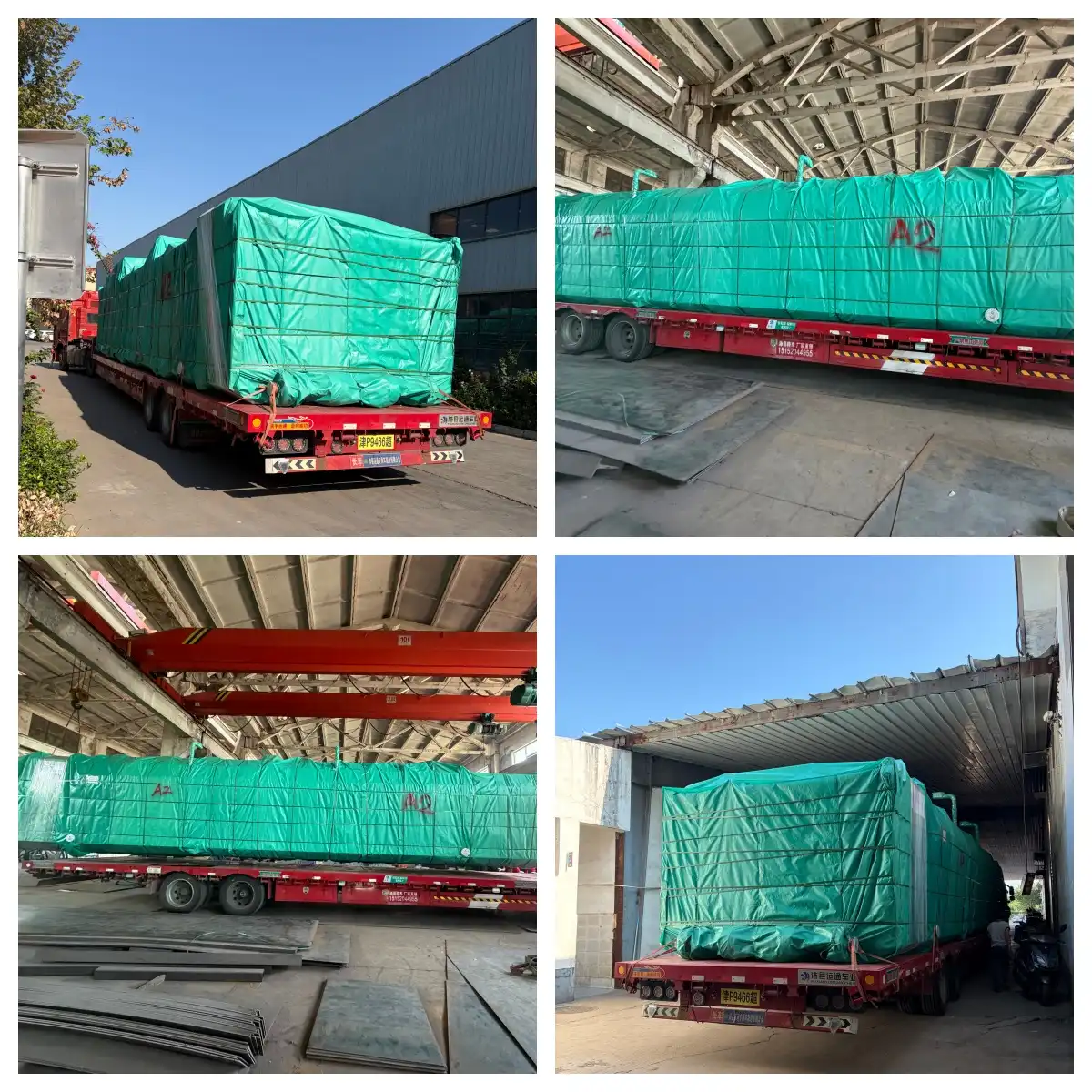
First, write down the digging method, flow rate, mud density, viscosity, temperature, number of moves, site climate, and power that is accessible. Another thing to look at is how the working volume, backup capacity, agitator covering, suction conditions, structural strength, shipping measurements, coating, and ability to repair are different. If the power is always on, electric agitators will work best. On the other hand, hydraulic drives may work better with rigs that are already in use. When you buy standard tanks, the process goes faster, and custom designs can handle robots, pipes, and tanks with odd forms. Delivery speed is important when you're short on time. It takes ZHONGCHENGJIXIE about fifteen days to deliver special orders and three days to send items that are in stock. Ask each seller for drawings, test records, lists of extra parts, and the terms of their guarantee before making a choice.
Safety, Maintenance, and Quotation Requirements
Safety Requirements
Remember to keep an eye on the rotating agitator shafts and connections. Setting up handrails, toe boards, platforms, stairs, and surfaces that won't slip is important for safety. As part of the running system, there should be level alarms, overflow paths, emergency stops, electrical security, and lifting proof. There are rules about lockouts and tagouts in OSHA 29 CFR 1910.147: When doing service work on US places, keep dangerous energy under control. Also, the credentials of the supplier are important. It is official that we follow ISO 9001, 14001, and 45001 rules, and that our goods are safe according to HSE, TÜV, and BV. Ask the seller to show proof of these claims before you place an order.
Maintenance and Quality Control
Welds, coats, agitators, gears, seals, valves, hoses, and suction screens should be checked before each shift and when the plant is shut down. It's easy to fix things in the field. To get rid of sediment, stir the water more or use a mud gun. Fix any welds or seals that are leaking, clean the lines and check the valves for blockages, and touch up the coating to keep it from rusting. We use ultrasound or X-rays to check the quality of critical welds at the factory. We also do a 48-hour watertightness test and measure the dry film thickness of offshore coatings at 250 to 300 microns. If the mud is rough, you should check the covering once a year and touch it up every three to five years.
How to Request a Quotation
Anyone can suggest a Mud Circulation Tank that will work with a full RFQ. It's important to give information about the drilling job, such as the working and total capacity, footprint, mud density, viscosity, temperature, chemical properties, agitator needs, pump interfaces, piping standards, materials, coatings, electrical conditions, certifications, destination, schedule, and anything else that is needed. It should state what is and isn't included in the price, as well as the lead time, drawings, directions, extra parts, packing, commissioning, warranty, and what's included. Not just the price at first, but also how much it costs to own in total. With ZHONGCHENGJIXIE, you can get standard export packaging, engineering drawings, flowcharts, operation instructions, help with installation, training, and a one-year guarantee.
Conclusion
Having the right Mud Circulation Tank for the job makes it easy to deal with drilling fluids in a faraway place. There are different sections inside that move, stir, and store the mud. The shaker, desander, desilter, and centrifuge are all inside. For solids, it also keeps them in suspension. Fixed lines and sealed construction keep spills and contamination to a minimum. Designs that are skid-mounted or flexible make them easier to move. Getting the right form, stirring, materials, and covering is important. You also need to have the right wellbore volume, surface volume, reserve, and freeboard. Crews are safer, and tools last longer when there are safety guards, lockout/tagout, regular checks, and written job tests. With a full RFQ, buyers can compare offers from sellers based on more than just price. They can also look at the total cost of ownership.
FAQ
What is the difference between a circulation tank and a mixing tank?
A circulation tank moves water through a pump, stores it, and cools things down. Adding things to mud and mixing it together is done in a mixing tank.
How do I estimate the volume I need?
To get the wellbore volume, divide the square of the hole's diameter by 1,029.4. This will give you the number of barrels per foot. Then, add the freeboard, surface volume, reserve, and losses.
Is a skid-mounted tank suitable for remote sites?
Yes, as long as it has the same frame, weight, pulling points, and size as the tools you already use to move and lift things. Because it is made up of separate parts, the ZC Mud Tank is simple to move and set up.
Why does an active tank need agitation?
Things stay in the air with mud guns and agitators. The density and viscosity don't change, so there is no sedimentation or stratification.
What should I verify before ordering?
Look at the warranty, test records, extra parts, materials, coating, test records, agitator cover, pump flow, and capacity.
Send Your Mud Circulation Tank Requirements to ZHONGCHENGJIXIE
What you email to oliver@zcgukong.com about your project will be looked over by our engineers. With over 30 years of experience, we are a direct manufacturer of Mud Circulation Tanks. We give you drawings, manuals, a warranty that lasts for a year, and shipping in three days for items that are in stock and about fifteen days for custom orders. Find out more about the product at zcsolidscontrol.com, and then let them know about your spot's size, capacity, and conditions.
References
1. American Petroleum Institute, Recommended Practice 13B-1: Field Testing Water-Based Drilling Fluids, 2019
2. American Petroleum Institute, Specification 13C: Drilling Fluids Processing Systems Evaluation, 2010
3. ASME Shale Shaker Committee, Drilling Fluids Processing Handbook, 2005
4. Bourgoyne, A. T., et al., Applied Drilling Engineering (SPE Textbook Series), 1986
5. Caenn, R., Darley, H. C. H., and Gray, G. R., Composition and Properties of Drilling and Completion Fluids, 2011
6. Occupational Safety and Health Administration, 29 CFR 1910.147: The Control of Hazardous Energy (Lockout/Tagout), 1989