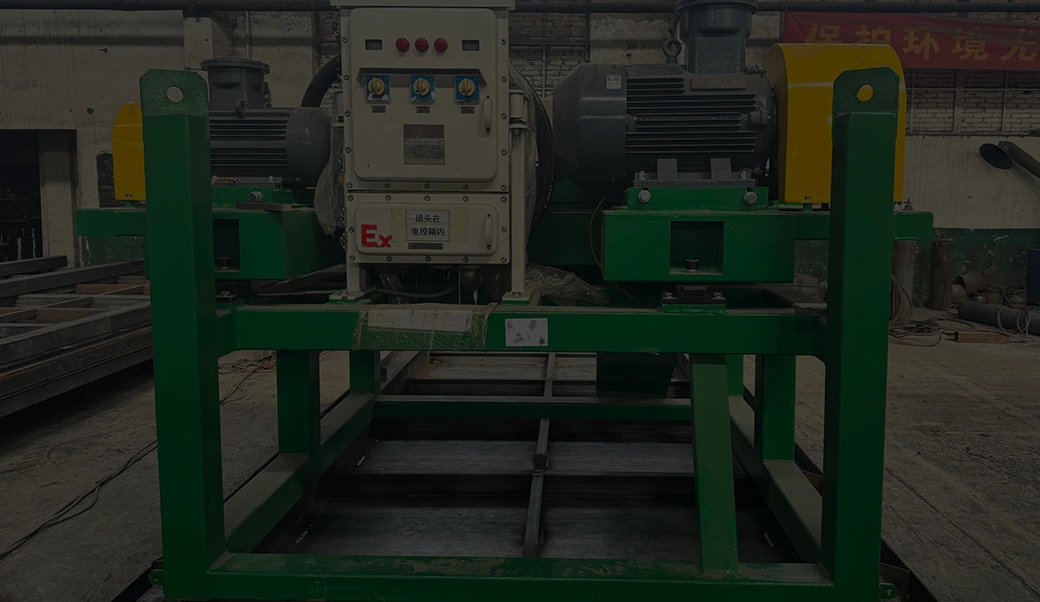
Yes, a Screw Conveyor can improve solids transfer in automated processing lines when it matches the material, capacity, and layout. Its sealed housing keeps material contained, its helical flight moves solids at a steady rate, and its drive can connect to speed controls and safety devices. That gives engineers a predictable feed for downstream machines. The gains depend on correct sizing, flight design, wear protection, and installation, so we recommend checking each factor before purchase. In this guide, I explain how the equipment works, how to select it, and how to confirm results, using the ZC Screw Conveyor from ZHONGCHENGJIXIE as a practical example.
Why Solids Transfer Matters and How a Screw Conveyor Works
Why Solids Transfer Matters in Automated Lines?
Lines that are automated need a steady flow of materials. When feed rates change, equipment further downstream runs dry or floods, and operators have to clear out the jams. Leaking dust adds to the work of cleaning and safety issues, and over time, old parts slow things down. This is what we see every time we work with drilling waste, sludge, mining, chemical, and construction clients: one weak transfer point slows down the whole line. Solids must be moved at a controlled rate by good conveying equipment that keeps them in place and talks to the rest of the system. Buyers, process engineers, distributors, and installers shouldn't just look at price when choosing a conveyor. They should also look at how well it does these three jobs.
How a Screw Conveyor Moves Bulk Solids?
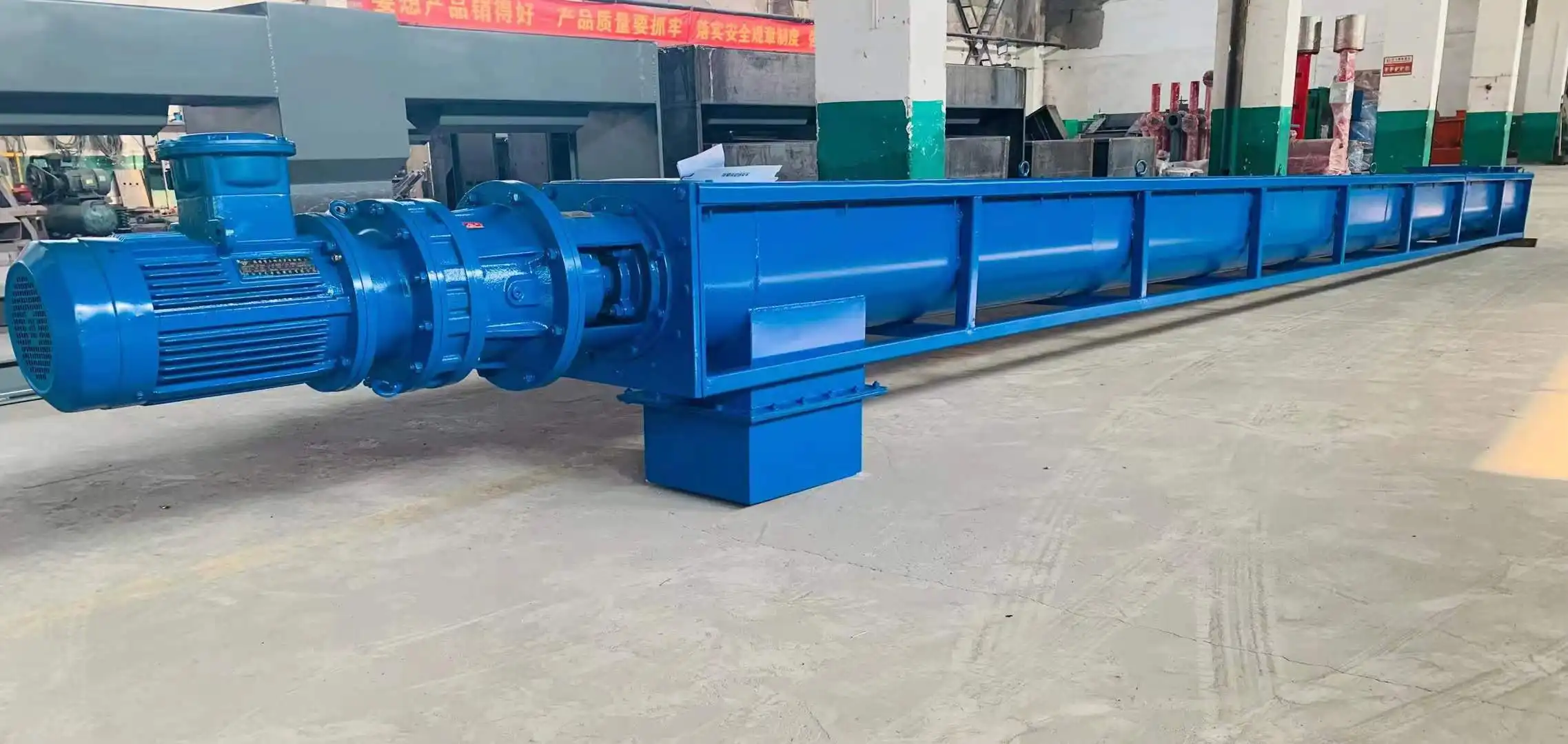
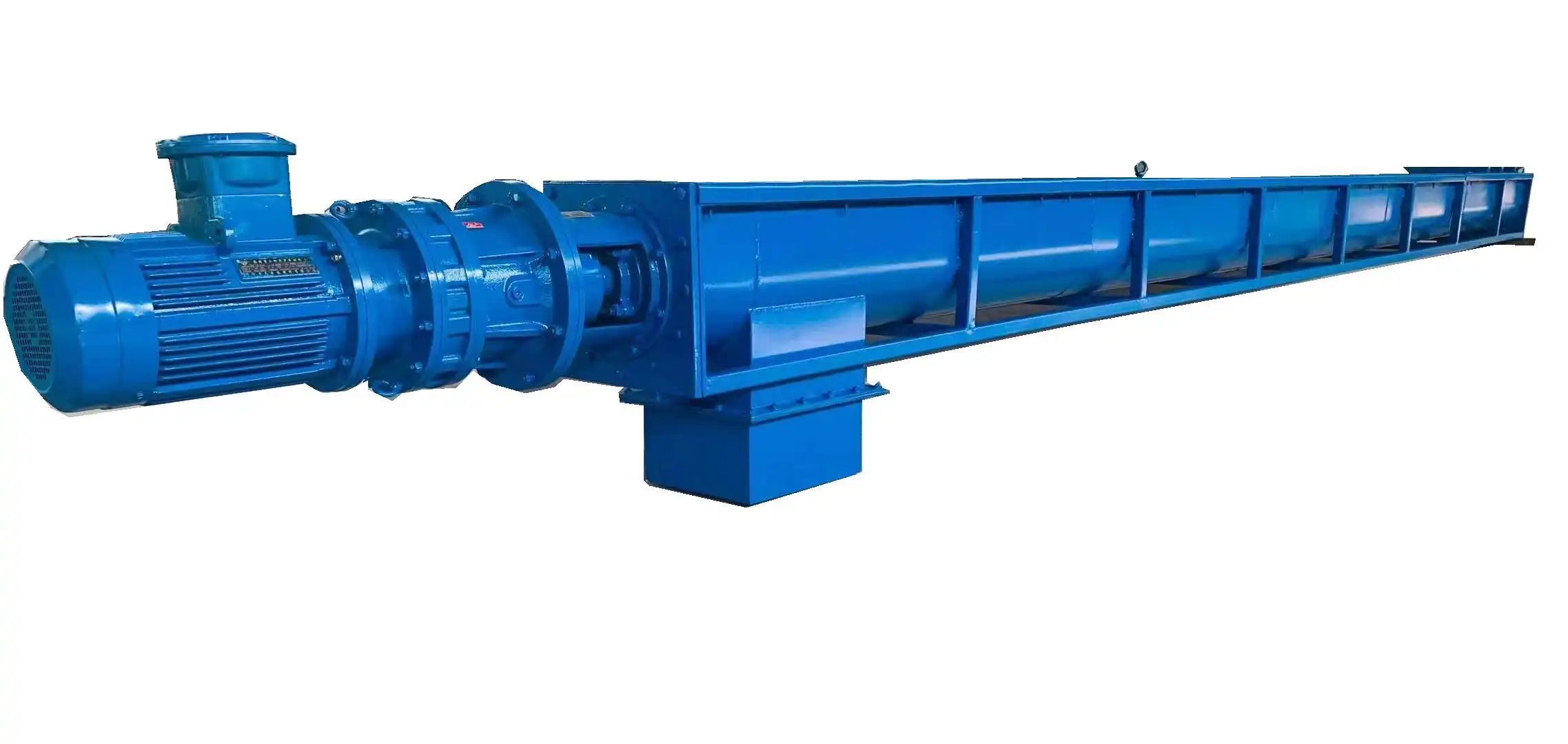
A Screw Conveyor follows a spiraling path inside a tube or trough. Torque comes from an engine and a reducer, and the spinning flight moves things along the frame. The load doesn't just spin with the flight because of the friction between the material and the housing. It has a housing, bearings, seals, covers, an inlet, and an outlet. The flights and shaft are the main parts. As a screw feeder, the same machine can move things out of a bin or act as a conveyor belt. Based on the shape, speed, fill level, and angle of the flight, it either moves, feeds, or mixes. In ZC units, a single drive unit that includes a motor and a reduction gives a lot of power and can handle starts with a lot of load.
Where Automation Gains Come From?
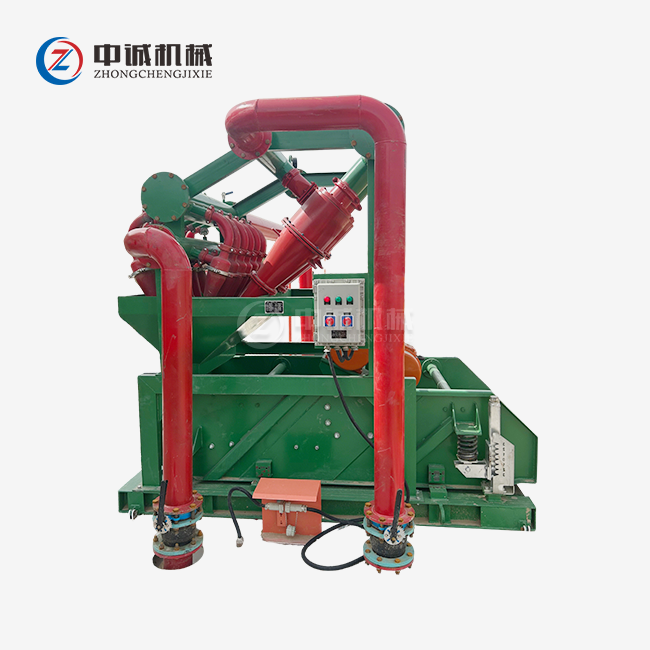
A Screw Conveyor mostly makes automation better by controlling and holding things in place. With a variable-frequency drive, operators can change the speed at start-up, changeover, and shut-down. Level, torque, and motor-load sensors can let you know if there is a blockage before the line stops. Upstream and downstream machines can start the conveyor in the right order with the help of PLC interlocks. Overload protection and an emergency shut-off feature are built into our ZC units. For extra safety on-site, you can use a pull-cord switch or an emergency stop button. The shale shaker, cutting dryer, filter press, and collection hopper are all linked by the conveyor in Solids Control Systems. Cuttings stay in one place and don't have to be moved by hand, which saves time and effort.
Screw Conveyor Design: Capacity, Speed, and Flight Selection
Capacity, Speed, and Loading
Capacity for a Screw Conveyor is based on the screw width, pitch, rotational speed, trough loading percentage, mass density, slope, and how well the material flows. There is a link between how rough the material is and the normal stress levels given by CEMA, which many engineers in the US follow. These levels are 15%, 30%, or 45%. While faster speeds can increase capacity, they also increase dust, wear, material degradation, and the need for power. Rates that have been calculated are just a starting point, so we check them against field data or trial tests, especially for objects that are sticky, rigid, fragile, or rough. The ZC Screw Conveyor can move up to 45 m³/h, which is about 530–1,590 ft³/h, and we can change the parameters to fit your project.
Flight Types and Wear Protection
The shape of flight changes how things act. Full-pitch flights work best with material that moves freely, short-pitch flights work best for inclined duty and metering, and variable-pitch flights pull material evenly from a hopper. Ribbon and paddle shapes are good for mixing and handling sticky materials, while spirals without shafts make wrapping with stringy objects easier. Our flights for drilling waste are made of wear-resistant alloy steel or hard-facing tungsten carbide. This makes them last 3–5 times longer than standard carbon steel flights. High-strength manganese steel with thickened edges may also be used to make helical blades that can withstand the impact of cuttings. Protecting against wear is important because worn flights lose their ability to hold air long before they actually break.
Length, Hanger Bearings, and Modular Layout
Length changes how much the shaft bends. Five-stage modular combinations can go up to 30 m (98 ft), and single-drive ZC units can go up to 15 m (49 ft). To keep the shaft from swaying on runs longer than 6–9 m (20–30 ft), we add a middle hanger bearing with wear-resistant metal bushings. Screw failure is often caused by not enough space between the hangers, so the layout needs to be looked at right away. The sectional modular design lets you change the length and angle to fit the needs of the site. That helps when there isn't much room for a current line or when a Drilling Waste Management System needs to grow.
Selecting the Right Screw Conveyor for Your Material and Industry
Match the Housing Type to the Material
The material is the first thing that helps you decide on a housing. A tube body is completely sealed, can handle tilt angles from 20° to 45° without leaving much residue, and can handle pressure well. It works with cement, barite powder, dry powders, and granules. It can also be used for jobs that need to be lifted or sealed tightly. When you open the top cover of a U-trough, it's easy to clean, and it works for horizontal runs. It works best with cuttings that are wet and sticky and mud lumps that have a lot of water in them, which is why it is most often used in solids control systems. Also, fine powders need a speed that can be controlled and an inlet shape that keeps them from bridging.
Industry Requirements and Material Options
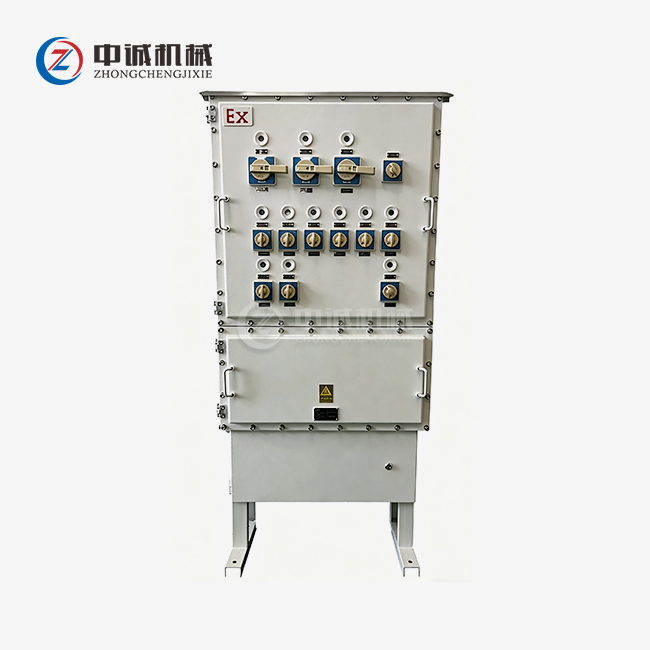
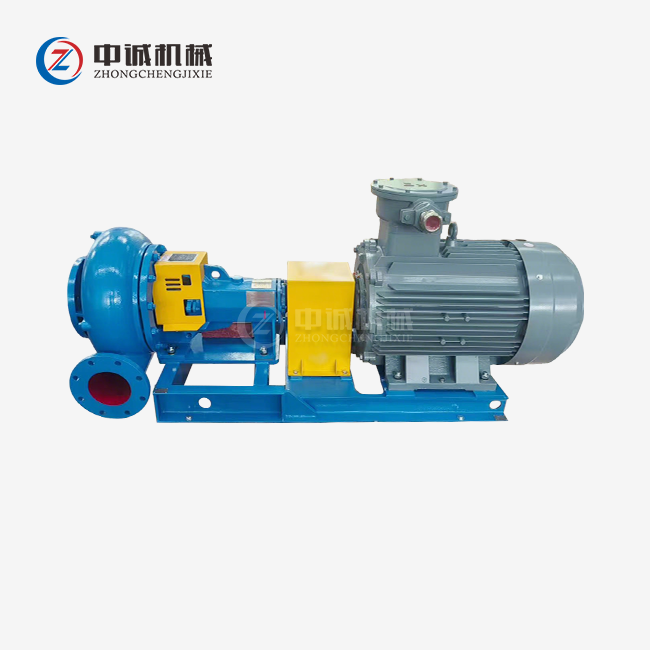
The machine has to handle different needs in each business. Shaftless spirals are often used by wastewater plants to dry out sludge. Chemical and food lines need stainless steel that is smooth and easy to clean. That's why we offer SS304 or SS316L types with smooth surfaces that are resistant to rust and have a low risk of contamination. For moving rough ore in mining and cement work, you need heavy-duty, reinforced flanging. We sell motors and control systems that won't blow up for oil drills, like Ex d II BT4/CT4. We can change the level of protection at chemical sites to match the risk of dust or gas explosions.
Screw Conveyor Versus Other Conveyors
Belt conveyors can move a lot of weight over long distances, but they leave material out in the open and need more floor space. Pneumatic systems can move light powders in a variety of ways, but they generally need more power and filtering. Bucket elevators are used for tall vertical lifts. A Screw Conveyor is the best way to move small, enclosed loads over short to medium distances. Along the way, it can feed, mix, or drain the material. It also costs less and is easier to build than a belt conveyor for solids control work, and its closed design is better for the environment. Before you decide, you should look at a few things: distance, capacity, dust control, energy use, care, and the total cost of ownership.
Specifying, Installing, and Integrating a Screw Conveyor
How to Write a Clear Specification
Unexpected costs can be avoided with clear specifications. Give the sellers information about the type of material, its mass density, particle size, moisture, temperature, and how rough, corrosive, or sticky it is. Include the needed capacity, the distance to be conveyed, the slope, the number of hours it will be used, and any site factors like power and room. Then check the size, length, flight type, housing, motor, controls, seals, liners, construction material, and diameter. You should look at more than just the price on the box. The total cost includes things like installation, energy, spare parts, upkeep, guarantee, and the chance of downtime. As a direct manufacturer, we hand out engineering drawings, flowcharts, operation manuals, and training along with our projects. Our warranty lasts for one year.
Installation and Commissioning Steps
A good installation starts with a strong base, the right distance between supports, and careful alignment. Check the direction of movement, alignment of the shaft, state of the coupling, lubricant, and readiness of the reducer before any material is put in. Step-by-step commissioning. First, run the unit without any material in it and keep an eye on the noise, shaking, and temperature of the bearings. Then, slowly add material at different speeds and loads. To get started, write down the motor's power, capacity, leaks, and dust. Our team helps with installation and testing on-site, and before a machine leaves the plant, it goes through a no-load run test to check for noise, bearing temperature rise, and drive-train performance.
Safety, Compliance, and Delivery
Safety features should be on the order. Our U-shaped chute has a safety barrier and a cover that won't slip. Units can also come with pull-cord switches, emergency stops, and protection against overloading. ZHONGCHENGJIXIE is certified by HSE, TÜV, and BV, and also has ISO 9001, ISO 14001, and ISO 45001 marks. For project plans, delivery speed is important. Products that are in stock can be sent out within three days, while custom orders usually take fifteen days. We use normal export packaging, and our position makes it easy to get to the ports of Tianjin and Shanghai.
Screw Conveyor Maintenance, Troubleshooting, and Verifying Results
Preventive Maintenance Routine
Preventive checks cut down on unexpected downtime. Every so often, check the motor current, vibration, temperature, noise, covers, bolts, reducer oil, flights, liners, bearings, seals, and covers. In rough duty, replaceable flights, wear plates, and hard-facing make the service life longer, and cleanout access cuts down on the time it takes to clean. Maintenance is easy for most crews to handle because the machine is simple and has few moving parts. As spare parts, we also offer blades and liners that don't wear down easily. This lets maintenance managers plan their stock before a shutdown instead of after one.
Common Problems and Fixes
Most issues can be easily fixed. Most blockages are caused by too much food, water, bridging, or lumps that are too big, so cut back on the food or clean the trough. If there is a strange noise, it means that one of the bearings, reducers, or blades needs to be checked. It means that the seal is worn or the cover is loose. If the efficiency is low, it's probably because the blades are old or the speed is off. Change the speed or get new flights. Overfilling, compaction, or imbalance can all be signs of a high motor load. Most torque spikes can be avoided by keeping the load within the design limits. This also saves the drive and shaft.
Measuring Real Improvement
Use data, not catalog capacity, to prove the benefit. Write down the throughput, feed stability, stoppages, blockages, labor hours, energy use, dust, and material loss before the installation. After the machine is up and running, compare the same measurements taken in similar production settings. Also, test the machine's start-up, shutdown, overload safety, various speeds, and fill levels. Feed-rate accuracy, energy use per ton, maintenance hours, spare parts use, and cleaning time are all useful indicators. If these numbers go in the right direction, the conveyor has won its spot in line, and you have proof that the next buy should go through.
Conclusion
When the design is right for the job, a Screw Conveyor can help move objects more efficiently in automatic lines. It's important that the material fits the capacity, speed, flight type, and housing. Long-term performance is affected by wear protection, hanger bearing spacing, and modular length. U-troughs are best for cuttings that are wet and sticky, and tubular housings are best for dry, sealed, or slanted work. When you compare the screw design to belt, pneumatic, and bucket systems, it offers sealed, compact movement over short to medium distances. With clear specifications, staged commissioning, routine inspection, and measurements taken before and after, the equipment goes from being an assumption to a proven gain. The main thing to remember is that the type of machine doesn't determine the results; the right size and integration do.
FAQ
Can a Screw Conveyor work with PLC controls?
Yes. A variable-frequency drive, level or torque sensors, and PLC interlocks can control the conveyor's speed and stop it if it gets too heavy. Tell the provider early on what kinds of controls you need.
How do I choose between shafted and shaftless designs?
For long spans, shafted designs are more rigid. Shaftless spirals work well with materials that are sticky, thick, or stringy and would clog a middle pipe.
How long can a ZC Screw Conveyor be?
A ZC Screw Conveyor can be as long as it needs to be. A single drive can go up to 15 m (49 ft), and modular multi-stage combinations can go up to 30 m (98 ft). After 6 to 9 m, we add a hanger bearing.
How can I reduce wear?
Pick tungsten carbide hard-facing or wear-resistant metal plates, add liners, and make sure the load stays within the design limits.
Request a Screw Conveyor Quotation from ZHONGCHENGJIXIE
Ready to look at your choices? ZHONGCHENGJIXIE is a direct Screw Conveyor manufacturer with more than 30 years of experience in the field. They use ISO-certified production methods, ship stock items in 3 days, make custom orders in 15 days, and offer a 1-year warranty. Our engineers will make models and give you a quote after you send your material data, capacity, distance, and slope to oliver@zcgukong.com. Discover more at zcsolidscontrol.com.
References
1. CEMA, Screw Conveyors for Bulk Materials (ANSI/CEMA Standard 350), 2015
2. Fayed and Skocir, Mechanical Conveyors: Selection and Operation, 1997
3. Roberts, Powder Technology, "The Influence of Granular Vortex Motion on the Volumetric Performance of Enclosed Screw Conveyors," 1999
4. Rhodes, Introduction to Particle Technology, 2008
5. Marinelli and Carson, Chemical Engineering Progress, "Solve Solids Flow Problems in Bins, Hoppers, and Feeders," 1992
6. Perry's Chemical Engineers' Handbook, 2019