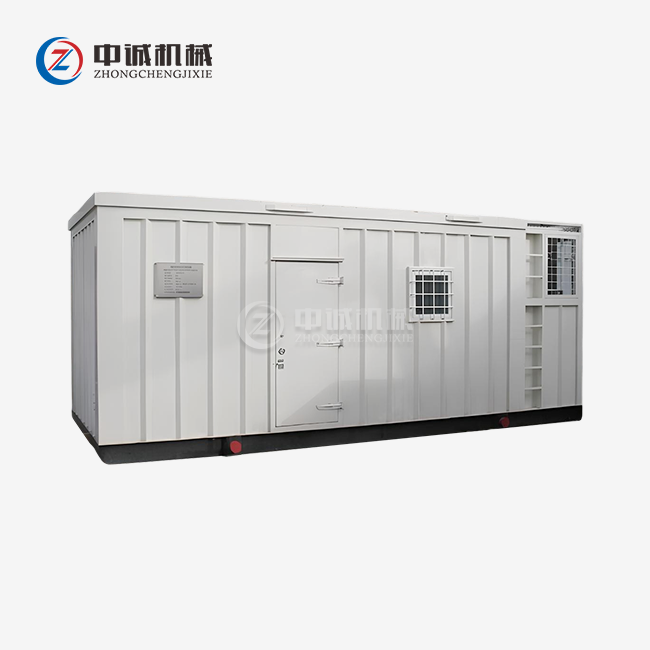
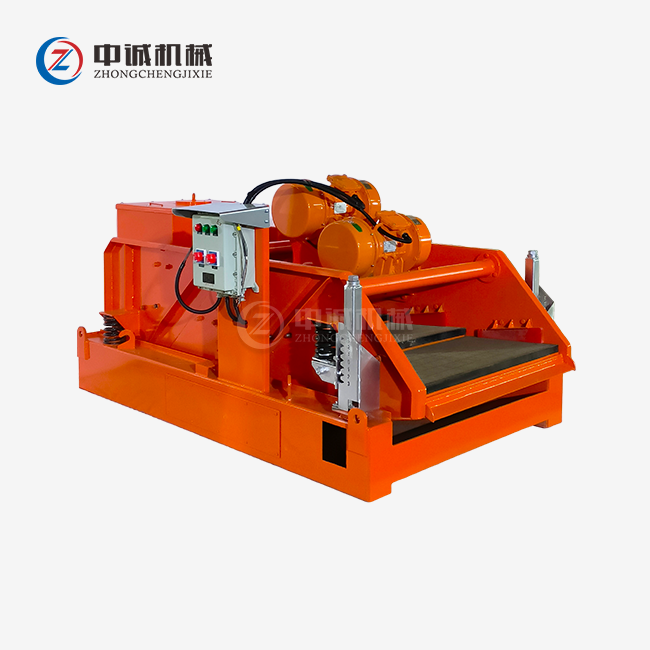
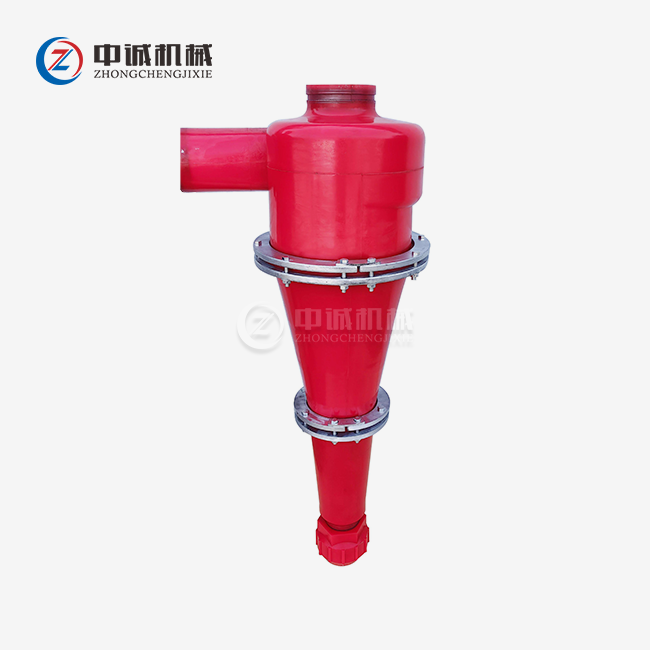
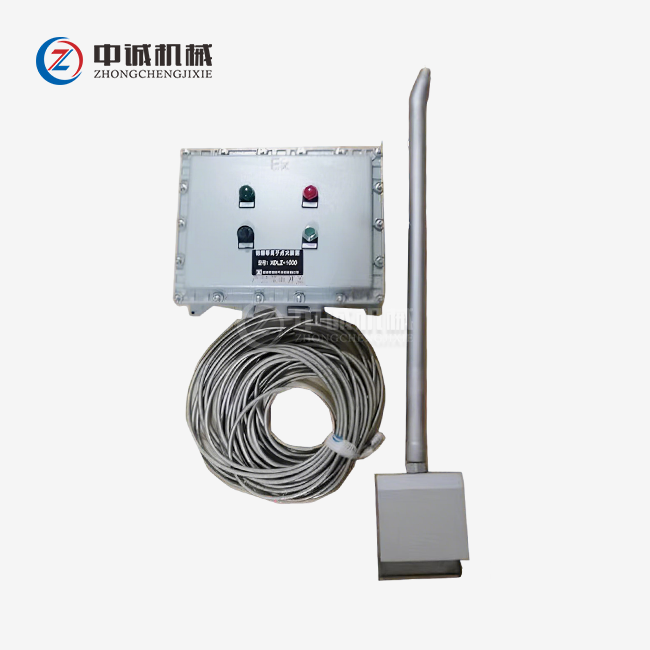
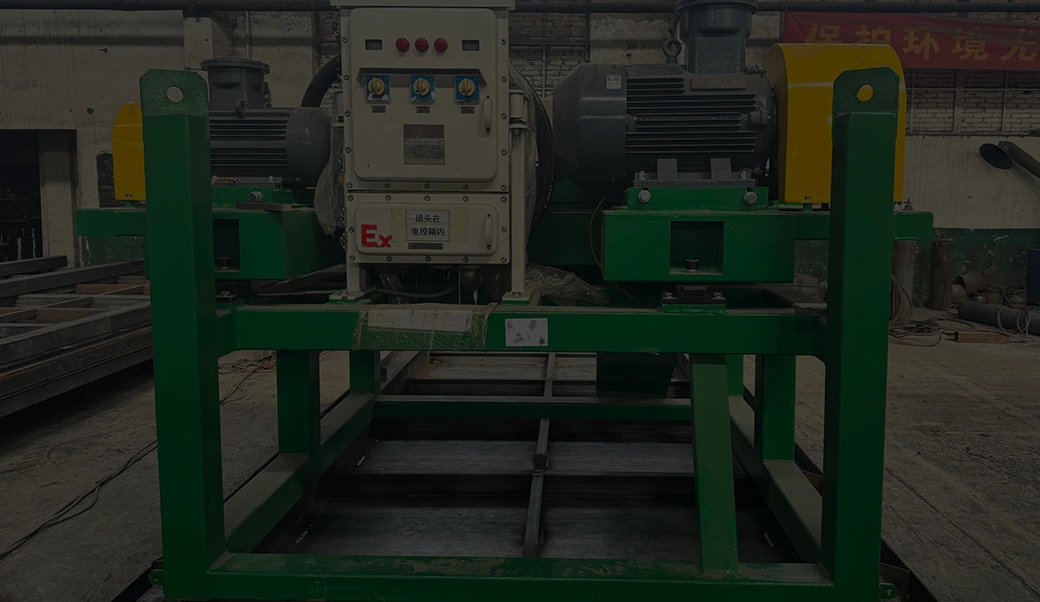
A Living Quarter (LQ) for an offshore drilling platform is a modular accommodation unit. It houses the crew, supports daily welfare, and protects people from wind, salt spray, fire, and gas hazards. Buyers get the best results when they match the module to the platform's deck limits, crew size, and applicable standards before comparing prices. Modular construction lets us build, test, and ship the unit in sections, which shortens installation time at the site. In this guide, I explain what an LQ includes, how the design works, how to compare options, and what to ask a supplier before you send an RFQ.
What Is a Living Quarter (LQ) on an Offshore Drilling Platform?
Definition and Purpose
The drilling crew eats, sleeps, rests, and works here when they're not on shift. Like drilling rigs, stable platforms, FPSOs, and support ships, it can fit on top of them. The structure has to be strong enough to stand up to wind, salt spray, shaking, platform movement, and corrosion, but it also has to be small enough to fit in a small area. Having a good place to rest is important during long shifts, so the steel frame is just as important as making it a home. How safe and helpful the unit is for years to come will depend on how well it is approved and how well it works with the host site.
Facilities and Equipment Included
A full module has tools for housing, aid, energy, safety, and talking to each other. You can stay alone or with other people in a cabin. There are also eating rooms, galleys, offices, bars, laundry rooms, medical rooms, gyms, and lounges. Inside the walls are the plumbing and drains, the fire and gas detectors, the communications, the entry control, and the emergency lights. The power and heating systems are also hidden. I tell people who want to buy this room to look at this list of all the tools instead. Licensing, launch, maintenance, and even the crew's safety can be affected by how well systems work together from time to time. When holes are found after the fact, they generally cost more to fix.
Where These Modules Are Used?
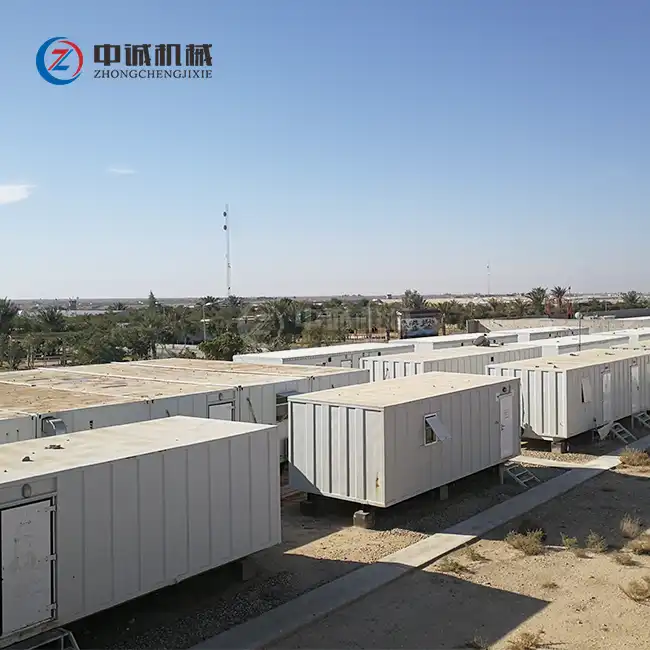
Living Quarter (LQ) units are mostly used in three places. FPSO, fixed platform, and jack-up modules that are used offshore must be able to pass fire and blast tests and not rust from salt mist. Standard trucks are used to move units that can be moved around on projects that are far away, like mine camps in the Arctic or the desert. Modules for building ships and boats that house people need to be steady and not put too much weight on the deck. In the oil field, our ZC Living Quarter (LQ) is built for hard work like drilling. It's close to the rig and can be used as a living room or study. People who want to buy offshore should get in touch with us right away so that we can make sure we know what class and platform they need.
Offshore Living Quarter Design Requirements
Structural and Environmental Loads
Now that the loads are done, the design can begin. The experts figure out the wind, vibration, and seismic conditions, as well as the live and dead loads. After that, they compare their scores to those on the host deck. They also make sure that the cranes, work areas, drilling equipment, pipe racks, and exit routes all work with the plan. As a crane moves, a part that fits on paper might still get in the way. This needs to be done. What you choose is also important. Stainless steel and carbon steel are strong, and aluminum is light for small decks. Based on how they are sealed and how well they are cared for, professional modules can last anywhere from 20 to 30 years.
Fire, Gas, and Blast Protection
The next part is the safety systems. There are different kinds of fire screens, just like there are different kinds of A-60, which stops heat from moving for an hour in a wood fire. The H-60 and H-120 ratings are for fires that are caused by hydrocarbons. Moduli that can handle too much pressure are called blast-rated when the pressure is between 0.1 and 1.5 bar. There is positive pressure in the HVAC system, so dangerous gases can't get in. Alarms and the system are turned off by fire and gas monitors. The only electrical parts that can be used in Zone 1 or Zone 2 are those that are approved by ATEX or IECEx. A project conformance matrix should have an IMO SOLAS matrix, an IEC matrix, an API matrix, an ISO matrix, a NORSOK matrix, and operator rules.
Comfort, Insulation, and Noise Control
The station is loud and cold, so the people who make it should work on making it more pleasant. Rock wool insulation, floating floors, and sandwich panels that stop noise and vibrations from moving through the air are used by many people. There is less work for the HVAC system to do when there is good shielding. The ZC Living Quarter (LQ) is a nice place for staff to rest because it is quiet and cool. The HVAC system should be able to handle the size of the crew and the weather, no matter how hot or cold it is outside. Write down what their noise goals are and how they test for noise for each provider. If the team has worked a long shift, the doors, lights, and airflow in the area can all make it hard for them to sleep.
Modular Living Quarters Construction vs. Traditional Accommodation
How Modular Construction Works?
Modular building can make something that seems impossible or hard to understand into something that is easy to handle. The number of people on board, their room schedules, the environment, the design life, their needs in dangerous areas, and how the platform connects to other systems are the first things that are looked at. The planning, structural, HVAC, electrical, plumbing, and fire risk teams will then finish the job. In a workshop, the pieces are put together and stored. Before they are sent out, they are looked over, and the system is tested. When you plan to ship something, you need to think about its lifting points, center of gravity, sea fixing, and putting it away. It is at the site that the utilities are hooked up, the equipment is turned on, workers are trained, and the keys are turned over. Plans depend less on the weather when work is done on land inside.
Modular vs. Site-Built Construction
Real homes are built on-site, which takes longer and needs more workers from other countries. Also, working together on the project is more likely to go wrong and needs more work. With factory-made modules, you can do more than one thing at the same time. The shop could build the frame while the engineers finished the paperwork and the platform set up its connections. In the shop, the quality stays the same because each part is checked in the same way. It's safer to work when there is less hot work and heavy construction on the platform. This means that things can be installed offshore faster. Because you still need to plan the end tie-in, you need to get clear interface drawings right away.
Containerized Units, Steel, and Aluminum
Moving around is easy with shipping container homes, which can also be used for short-term or simple campaigns. Engineered modules are fully tested for fire, blast, and HVAC, so they can be used in stable, high-occupancy, or tightly controlled settings. It's also fair to look at decisions that matter. In the past, steel has been used to fight fires. However, aluminum is lighter and can be used when the deck or crane can't hold much weight. You can compare them by how much they weigh, how well they resist fire, corrosion, and wear, and how much they cost to build, how long they last, and how much they cost to license. The heavy steel that our ZC Living Quarter (LQ) is made of makes it easy to move. It's easy to put together, take apart, and move from one oilfield site to another because of this.
How to Choose and Buy Living Quarters for an Offshore Platform
Define the Operating Scenario
First, you have to decide if the project is a new build, a brownfield tie-in, a short campaign, a permanent installation, a unit that can be moved, or an emergency repair. Then set crew capacity, climate, service life, deck loading, lifting limits, utility availability, and applicable standards. If you change these inputs after the quote, every choice that follows will take longer because they are used. All of them should be on one sheet of paper so that engineers, procurement, and the supplier can all read it. Once a provider has all the facts, it's easier and faster for them to make a rough plan and weight estimate.
Compare Quotations and Total Cost
The price for a Living Quarter (LQ) isn't just based on how much space there is. It depends on how many people live in the building, the type of material used, the fire and blast requirements, the HVAC capacity, the finishes, the classification, the testing, the logistics, and the time frame. Please list the project's goals, any assumptions or limits, who is in charge of certification, the inspection plans, the delivery terms, the project's uses, the warranty, and any support for spare parts. There are no engineers, tests, transportation, or platform tie-ins just because the price is low on the front page. Look at views that are the same line for line. A science and marketing grid with different weights keeps it on track. Take a look at how long it will last and how much it will cost to keep up. When you own something, it usually costs more than what you paid for it.
Buying Checklist
Make a short list before you give out the business deal. Check the weather, the type of corrosion, the building and the loads that need to be lifted, the HVAC system, the way the area is marked as dangerous, the fire and gas protection, and the electricity links to make sure the plan works. Set clear goals for your business, test it, transport it, install it, offer a warranty, get extra parts, make changes, and hand over the keys with paperwork. For the provider, you should look at the projects they've worked on in the past, the number of engineers they have, how much they can make, how they check, how much experience they have with certification, how they plan to communicate, and how they will help you after the sale. It will save time during the technical review if you use the same list as your RFQ evaluation grid.
Why Work With a Certified Living Quarters Supplier?
What the ZC Living Quarter Offers
The ZC Living Quarter (LQ) is a building that lets you live in the fields and helps with office work. It's easy to get around. The frame is made of heavy steel and has features built right in. It's up to you how we make it. Metal that doesn't rust or break down can stand up to heat, cold, wind, and rain. Moving from one place to another is also quick and easy. A nice spot to rest is one that doesn't let noise or heat in. That's why oil fields set up solid control sites where simple support buildings can be built close to the mud system. This means that places to live and work can be put close to each other. Talk about the class and platform needs before you order work to be done abroad.
Certifications and Compliance
One way for buying teams to check out a supplier before they do a technical study is to see if they are certified. ISO 9001, ISO 14001, and ISO 45001 have all approved ZHONGCHENGJIXIE's way of running its business. The ZC Living Quarter (LQ) has also been approved by HSE, TÜV, and BV. Two different standards, ISO 45001 and ISO 9001, deal with health and safety at work. Additionally, our goods follow global rules like ISO, IEC, ATEX, and EAC. When you buy something, you should always check with the company to make sure that each certificate fits the right tool and project. Learn how to get a guarantee, keep track of supplies, and keep inspection records. It's better to break the rules than to keep quiet about it.
Manufacturing, Delivery, and Support
The plant we work in is 6,300 square meters and was built in 2015 in the city of Xingping in Shaanxi. We work at Zhongcheng Machinery Manufacturing Co., Ltd. in the Xixian New District of Shaanxi. We make, sell, and plan tools used to drill for oil and gas. Every year, we can make 200 sets of mud circulation systems and other oil equipment. Our group has been working in this area for over 30 years and has more than 12 patents. Items that are in stock can be sent out in three days. Custom orders usually take fifteen days to arrive, as long as the shipping company can get to the ports in Tianjin and Shanghai. There is help, training for the field, a guarantee that lasts for one year, models, flowcharts, operation and repair guides, and more.
Conclusion
A drilling station in the ocean has more than just rooms in the Living Quarter (LQ). It also has HVAC and power systems that need to be able to handle shocks, fire, gas, and limited space on the deck. First, structural loads, fire and blast ratings, and comfort levels are considered. The process is guided by standards that are specific to the project. A workshop is where most of the work for modular building is done. It can be tested before it ships, and it can be set up faster on the platform than choices that are made on-site. For simple, short-term needs, container units work better. On the other hand, engineered modules are better for projects that need to last a long time or follow strict rules. It's important for buyers to know what's going on, compare prices, use a plan, and make sure that all the certifications, references, and support are real before they sign a contract.
FAQ
What is the typical design life of a Living Quarter (LQ)?
They're made to last 20 to 30 years, but how they're sealed and how often they are kept can change that.
Can a module be customized for Zone 1 or Zone 2 areas?
Yes. Projects can ask for electrical parts and over-pressurization systems that have been cleared by ATEX or IECEx. Make sure the engineers' plan works by telling them what kind of place it is.
How is fire safety rated?
Use an A for cellulose fires and an H for hydrocarbon fires when you want to rate a fire. Then, type in how long you want to protect for, like A-60 or H-120.
What information do you need for a quotation?
To get help, send the date you plan to arrive, how many people are on your team, the type of platform, the position, the rules, the deck limits, and any other useful information.
How long does customized production take?
A lot of the time, our special items arrive in 15 days. We say yes to the exact plan after we talk about what you need.
Contact ZHONGCHENGJIXIE for a Living Quarter (LQ) Quote
ZHONGCHENGJIXIE is a straight maker of Living Quarter (LQ)s, which means that all of the planning, making, and servicing is done in the same building. Tell them about your brand, your goals, your team size, and where you are. To get drawings, a rough layout, and a quote, email oliver@zcgukong.com or go to zcsolidscontrol.com. We've got ISO 9001, 14001, and 45001 marks on our management systems. Make-to-order items are also available, and we guarantee them for a year and deliver them in 15 days.
References
1. International Maritime Organization, International Convention for the Safety of Life at Sea (SOLAS), 1974
2. International Maritime Organization, Code for the Construction and Equipment of Mobile Offshore Drilling Units (MODU Code), 2009
3. International Organization for Standardization, ISO 13702: Control and Mitigation of Fires and Explosions on Offshore Production Installations, 2015
4. International Organization for Standardization, ISO 9001: Quality Management Systems, 2015
5. International Organization for Standardization, ISO 45001: Occupational Health and Safety Management Systems, 2018
6. American Bureau of Shipping, Rules for Building and Classing Mobile Offshore Units, 2023