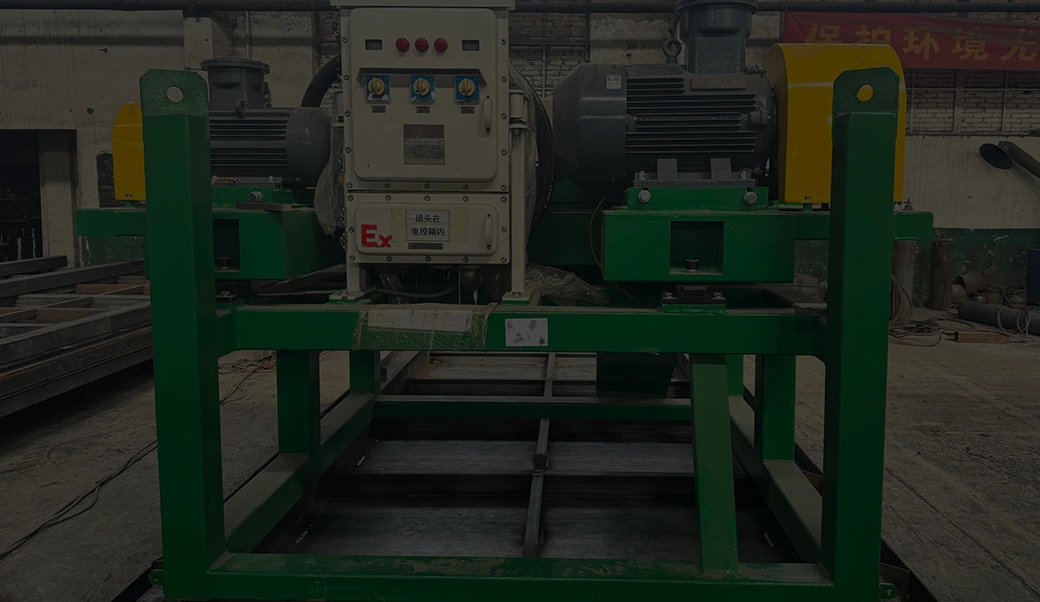
Buyers should check six things when sourcing an offshore Living Quarter (LQ): project requirements, layout and habitability, structural and fire safety, HVAC and utility systems, certifications and documentation, and supplier capability and total cost. A Living Quarter (LQ) is a full accommodation system, not just a set of prefabricated rooms, so a low fabrication price tells you little. I recommend writing down occupancy, climate, interface limits, approvals, and delivery dates before you request quotes. That step keeps bids comparable and cuts costly changes after the unit reaches the site.
Start With the Basics of Living Quarter (LQ) Sourcing
What Is a Living Quarter (LQ)?
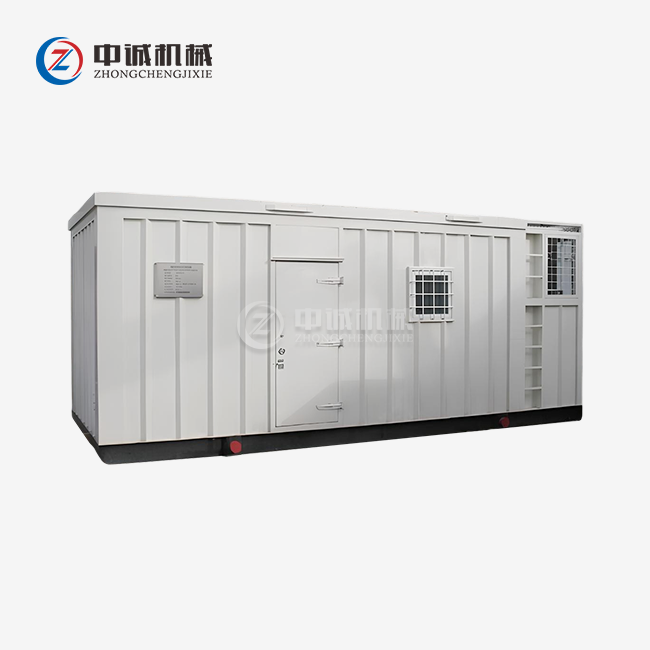
There is a thing called a Living Quarter (LQ) that lets groups of people work, eat, sleep, and rest in places that are remote or dangerous. It has a roof and walls, as well as ways to light it, change the temperature, move the power, and keep people safe. When used abroad, they must also be able to connect to a host station, ship, or rig. When the team helps people for weeks at a time, they feel safer, feel joy, and get more done. The people who buy things should think of it as an investment that will pay off in the long run, not just something they do once. For faster construction, finish work and services are put in at the factory.
Application of Living Quarter (LQ) Across Work Sites
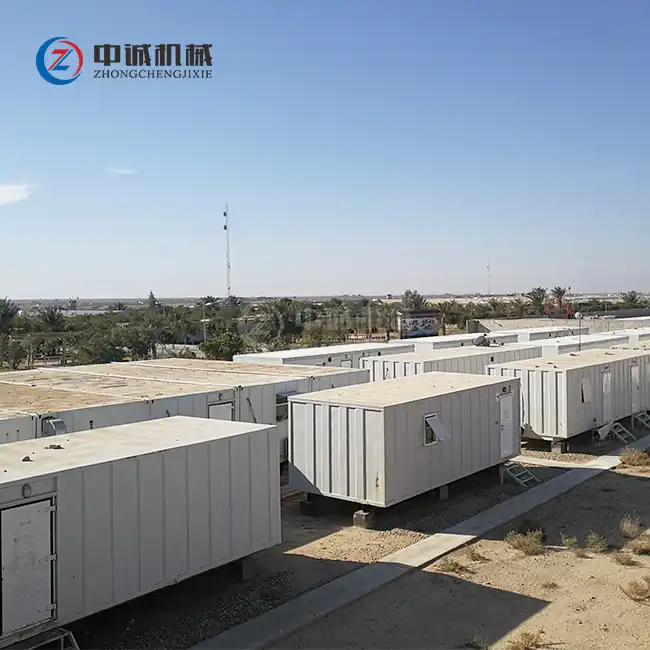
Most of the time, they are found on FPSOs, accommodation barges, offshore platforms, and jack-up rigs. Building, getting certified, and installing all have their own rules. These units are also used for geological studies, drilling for oil in oil fields, and mine camps that are far from towns. My team and I live and work in this mobile house, which is our ZC Living Quarter. For drilling for gas around the world and hard work in the field, it works well. If your project is in a different country, the group in charge, the host building, and the class society will add their own rules. Tell the service company about these rules right away.
Define Requirements Before You Compare Quotes
First, make a short outline. What kinds of cabins are there, are there any office or lounge areas, what the temperature range is, what the conditions are like in dangerous areas, and is there any room for growth in the future? Then, give it to someone to plan, make, test, send, set up, use, and keep it up to date. What the supplier and the host facility can do is shown on a battery-limit and interface list. Your math won't work if you don't have it. Someone could offer a price for a basic shell, and someone else could offer a price for a fully finished unit. People from the US should also find out who runs the station, like the US Coast Guard or BSEE.
Check Layout, Structure, and Safety Performance
Layout and Habitability Design
Look at how the sleeping, eating, office, technical, and dangerous places are split up on the floor plan. Without a doubt, there should always be clear ways to get out of a building. Also, they should be the right size for your shifts, the bathrooms, laundry room, and storage. Find out how bright it is, how private it is, how easy it is to clean, and how long the furniture will last. Every day, crews do this. Early on, you should also think about the module's size, lifting points, center of gravity, and how easy it is to keep up. Some units fit the deck drawing but can't get through a crane limit or access route. This makes things take longer than planned and cost more money. Problems are often found before the steel is cut when the operations staff goes over the plan with them.
Structure, Blast Resistance, and Fire Protection
When building a structure, you should think about things like wind, waves, weight, shipping, shaking, and working loads. Look at the blast pressure standards, rated doors and windows, protected penetrations, and anchoring if the risk estimate for your building says to do so. Floors and walls that can stand up to fire, as well as fire doors, dampers, detection, suppression, and emergency exits need to be looked at again to make sure they are safe. SOLAS sets rules for fire safety that ships must follow. The IMO MODU Code sets rules for boats that move around the ocean that they must follow. Choose the code that works best for your project. Steel is used to build the ZC Living Quarter. Send us offshore blast or class standards so that our engineers can compare them to the plan.
Property of Living Quarter (LQ): Weather and Sound Control
How well it works and how long it lasts depends on how the material is made. This part of the ZC Living Quarter (LQ) is strong and doesn't break down in bad weather. It can handle wind, rain, heat, and cold. They also don't rust, which makes them great for places that are rough. People who work long shifts can rest better because it keeps noise and heat out. Make sure you get written information from each company about the type of insulation, finishing system, panel structure, and how often upkeep needs to be done. Salt mist quickly damages coatings and bolts, so ask for proof of the coating process and checks. When you have good insulation, you don't have to heat or cool as much, which saves you money on energy costs over the life of the unit.
Review HVAC, Electrical, and Utility Systems
HVAC and Indoor Climate
HVAC can change how safe, comfortable, and energy-efficient your home is. What kind of load estimates can you get from the service provider? They should look at the temperature, humidity, amount of sun, number of people living in the building, need for fresh air, and heat from nearby equipment. The flow of water should be about the same in the technical areas as it is in the kitchens, bedrooms, and baths. For projects, good pressurization is important because it keeps gas from outside from getting into places that could be dangerous. If the air conditioning doesn't work when it's hot outside, the crew's health and safety could quickly be at risk. It should be simple to get to the filters, and the coils should be clean. Also, check how loud it is near the fans and blowers.
Electrical Systems and Hazardous-Area Interfaces
In addition to the backup power, make sure you know about the load schedules, backup lights, backup power, and how the wires are run. There should be a written job grid that shows how to connect to the systems that can sound an alarm, talk to the public, look at CCTV footage, find gas and fire, and turn off the power. When used in a classified area, electrical equipment needs to be right for the job. IEC 60079-14 talks about how to plan and choose electrical connections in places that are likely to blow up, so find out what parts of it apply to your site. We can plan and set up things so that they work for you in terms of strength. Tell them right away what kind of electricity you'll need so that the plan can work with the host building.
Plumbing, Galley, and Support Utilities
Talk about garbage, sewage, drainage, storage, pressure, stopping water from freezing, and controlling smells. To make the galley, laundry, and trash systems work, they need tools and connections that can be used in other countries and that the staff can keep up with. Find out how the techs get to the valves, where the lines go, and what makes the water cold. Connection points are important to keep an eye on because that's where scope mistakes happen a lot. Write down the services that the module and host site provide to keep track of them. A simple oilfield unit might only need support facilities that are simple enough to fit with how the site is set up. A big remote crew, on the other hand, needs a full kitchen and bathrooms.
Confirm Certification, Quality Control, and Documentation
Standards and Approvals
Before you get a price, you should decide what kinds of licenses you need. Things like these will change the tests, the materials, the paperwork, and the time of delivery. DNV, ABS, Lloyd's Register, Bureau Veritas, flag-state authorities, national regulators, or the client's technical authority are just some of the groups that can give their approval. For every job, it's different. The permission should cover the whole unit, not just some of it. There are two standards that deal with health and safety at work: ISO 9001:2015 and ISO 45001:2018. They show that management is serious, but they're not the same as getting permission for a real project in class. You can find ISO 9001, 14001, and 45001 certifications for this building. The ZC Living Quarter (LQ) has HSE, TÜV, and BV certifications. Find out exactly what the papers cover from the person selling them.
Quality Control of Living Quarter (LQ)
It's important to be able to find supplies, check the welds, coatings, and sizes, and keep an eye on quality control. Before you start making something, ask for a plan for how to test and check it. A lot of the time, people who buy offshore units want the structural welds to be tested without damaging them. They also want tests for fire and gas reasoning, adjusting the HVAC pressure, and water entry. You or someone else can watch a plant acceptance test to find issues before they are sent out. This is how you can fix them before they go abroad. Note down all the problems that were found and how they were fixed. When work is done overseas, it takes a lot of time and money for the crane, ship, and crew. It doesn't cost as much for these checks.
Documents to Request
Find out about the as-built files, drawings, operation instructions, test results, as-built files, plans, and estimates for the structure. These papers can be used by both the people who run your business and the people who fix things. That's because they use the same plans as the fabricator, which speeds up the work. We teach people about the subject and give them things like drawings, flowcharts, component diagrams, operation and upkeep guides, and more. When does the work begin? What parts are covered? How do I make a claim? Check the contract to be sure. One year is the length of the guarantee. This is because you don't know enough about the seller to know how they will act after the delivery.
Compare Options and Choose the Right Supplier
Containerized, Integrated, and Refurbished Units
Containerized flats are easy to rent for short stays or to move fast. Parts that work together can often be used in permanent buildings with tricky connections. Better forms to understand, and more changes can be made to the new units. Used units may look like a good deal at first, but they need to be checked for structural damage, corrosion, and certification. For the most part, a purpose-built unit is better for construction, fire, and service design than a normal building on land. It's easy to set up, take down, and move projects from one drilling site to another when the plans are light and easy to move, like the ZC Living Quarter. Choose the right type of unit based on how dangerous, long, open, and heavy the job is.
Supplier Capability, Quotation, and Total Cost
That's not a good idea. Instead, look at sources for projects that are like the one you want to do. To get expert help, a direct maker doesn't have to go through a third party. With a factory that is over 6,300 square meters and was founded in 2015, ZHONGCHENGJIXIE is a company that does a lot of different things. It has more than 12 patents and has been in business for more than 30 years. Find out how much it will cost to plan, test, pack, ship, set up, provide a warranty, replace parts, pay taxes, duties, and understand Incoterms. First, look at how much the whole buy costs, which includes repairs, gas, extra parts, time away from work, and moving the machine. About 20% to 25% should go to safety and certification, 15% to 25% should go to experience, and the rest should go to cost, schedule, and support.
ZC Living Quarter: Product Strengths and Delivery
This is why the ZC Living Quarter (LQ) is a good choice for projects in rough places like oil fields:
- Heavy steel structure and integrated functions: The ZC Living Quarter is a steel-framed modular house with features that are already built in. It has a living room and a study. It's made to fit your digging site, the number of people on your crew, and the amount of room you have for movement. We can talk to the people who make something if you send it to the factory.
- Corrosion and weather resistance: Durable against weather means that the finish won't rust and the materials are strong enough to handle heat, cold, wind, and rain. Crews can rest easy when they are safe from noise and heat. This also helps block out noise from nearby solid control equipment on the site.
- Fast assembly and flexible migration: Because it's light and portable, it's simple to put together, take apart, and move. The unit can be moved when the rig moves. In oil fields, support facilities for basic needs are set up in a way that works with strong control sites. This way, living space is close to operations without making the pad too crowded.
These strengths consider how much it costs to move, how comfortable the crew is, and how much time they have off. Every three days, items that are in stock are sent out. Usually, custom orders are sent out fifteen days after they are placed.
Conclusion
Never just look at the price when someone wants to buy an offshore Living Quarter (LQ). They should also think about how safe the property is and how long it will last. Make sure you know what you need to do first. Last but not least, look over the building plans, structure, fire and blast standards, insulation, HVAC, water and electricity connections, quality control, papers, and licenses. You can choose to move around, stay put, or stay where you are for a certain amount of time. The most important things are how Knowledgeable the provider is, how much the whole thing costs, and how much it sets you back in the long run. Having the right unit for the job, getting all the licenses it needs, and showing up with all the paperwork saves time, money, and keeps the crew safe over the course of its life.
FAQ
What is the difference between a containerized and an integrated Living Quarter (LQ)?
It is easy to move containerized units, and you can rent them out or use them for a short time. Integrated pieces are meant to make bigger packages that can be used in long-term buildings with tight crane limits and connections. Pick based on how long the job is, your skills, and your availability.
Does the ZC Living Quarter carry certifications?
You can find ISO 9001, 14001, and 45001 certifications for this building. The ZC Living Quarter (LQ) has HSE, TÜV, and BV certifications. We'll look into what you need for remote class or blast if you let us know.
Can the unit be customized?
Yes. If you buy from the plant, we can change the shape, size, and parts in any way you want. It depends on how big and hard the design is and how long it takes to finish.
What should I send for a quotation?
Tell us how many people live there, what the weather is like, what the plan needs, how many interfaces are allowed, what licenses are needed, and when the work needs to be done.
Request a Living Quarter (LQ) Quotation From ZHONGCHENGJIXIE
You need to get in touch with a Living Quarter (LQ) maker and tell them about your project. ZHONGCHENGJIXIE only sells things that come straight from the plant. They offer custom setups, drawings, instructions, training, and a warranty that lasts for one year. Please email oliver@zcgukong.com with the address where you want the package delivered, how it looks, and how many people live there. They will be reviewed by someone on our team. To learn more, visit zcsolidscontrol.com.
References
1. International Maritime Organization, SOLAS Consolidated Edition, 2020
2. International Maritime Organization, Code for the Construction and Equipment of Mobile Offshore Drilling Units (MODU Code), 2009
3. Standards Norway, NORSOK Standard S-002 Working Environment, 2004
4. International Organization for Standardization, ISO 9001 Quality Management Systems – Requirements, 2015
5. International Organization for Standardization, ISO 45001 Occupational Health and Safety Management Systems – Requirements, 2018
6. International Electrotechnical Commission, IEC 60079-14 Explosive Atmospheres – Electrical Installations Design, Selection and Erection, 2013