1.In modern drilling operations, a solids control system plays a crucial role in maintaining drilling efficiency and reducing operational costs.
A solids control system is designed to separate and remove unwanted solid particles from drilling fluids (mud). During drilling, large amounts of cuttings and fine solids are generated. If not properly removed, these solids can negatively affect drilling performance, increase equipment wear, and lead to higher costs.
A typical solids control system consists of several stages:
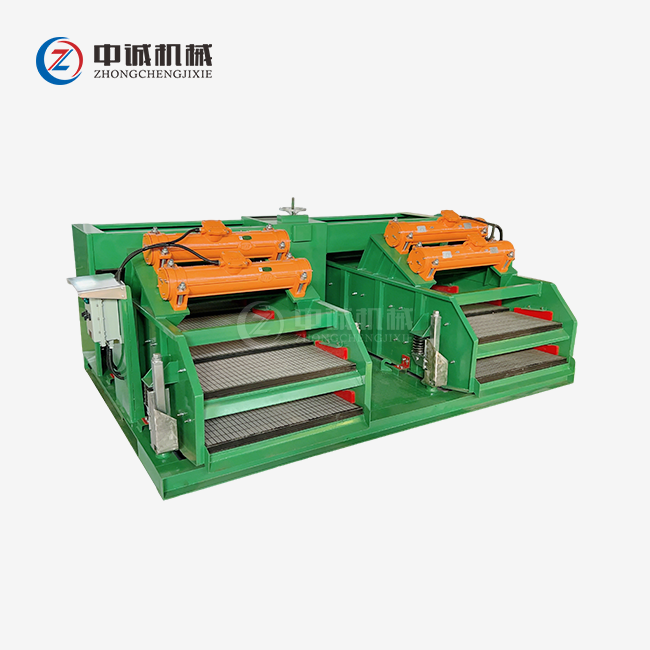
1. Primary separation (Shale shaker)
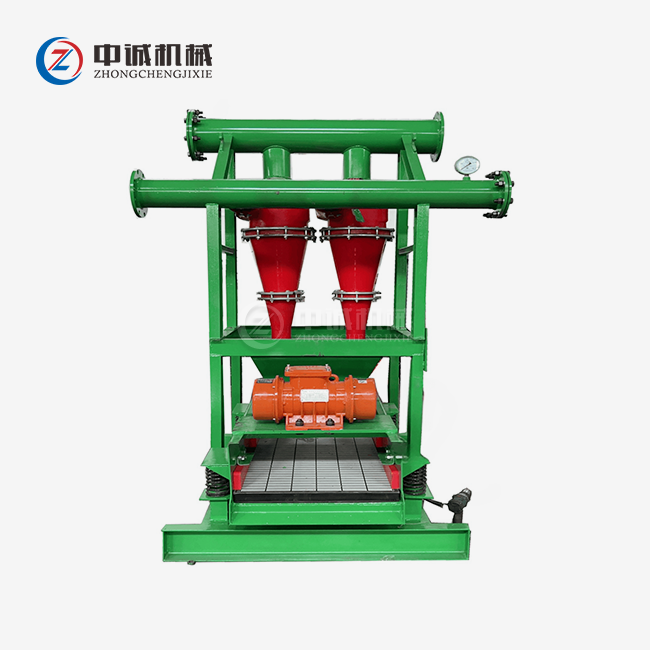
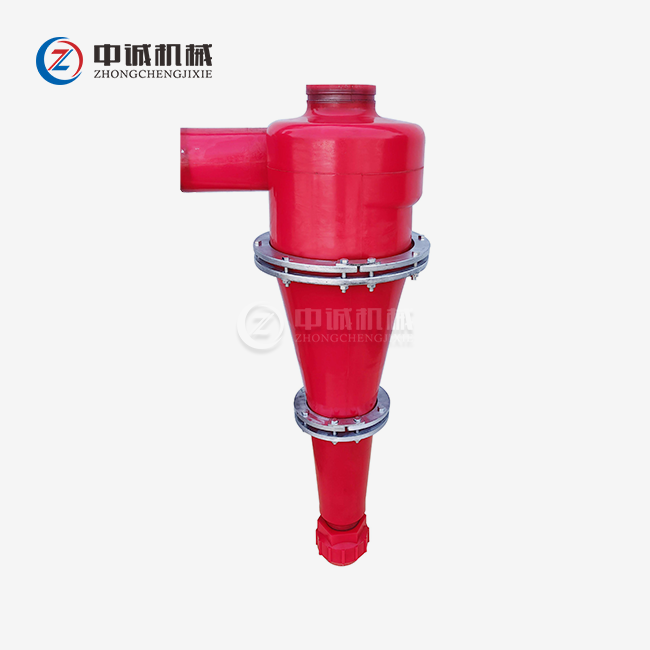
2. Secondary separation (Desander)
3. Tertiary separation (Desilter)
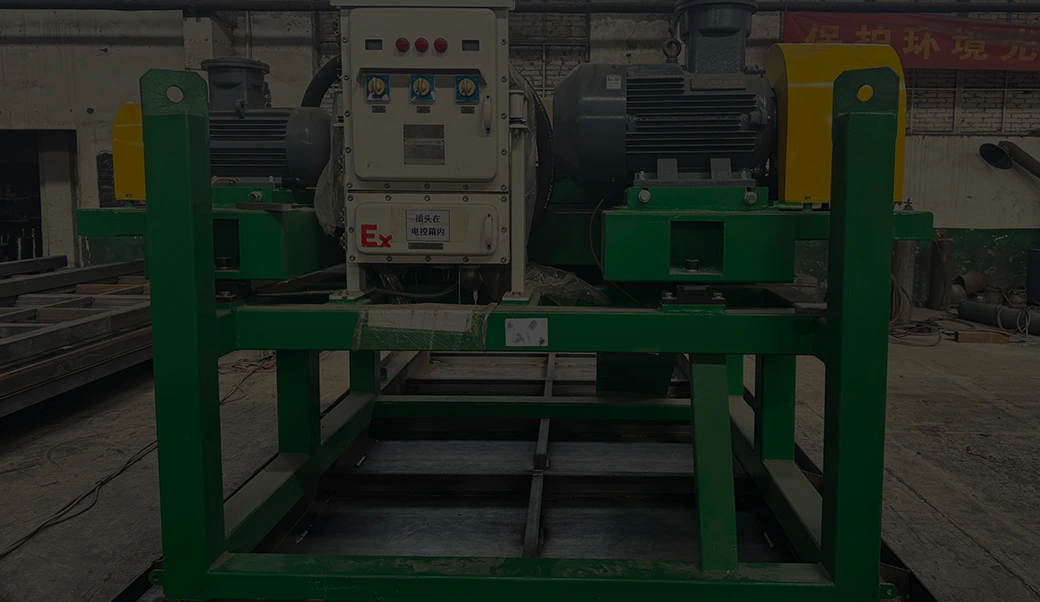
4. Fine separation (Centrifuge)
Each stage removes particles of different sizes, ensuring optimal drilling fluid performance.
For example:
- Desanders remove particles around 44–74 microns
- Desilters target finer particles between 15–44 microns
- Centrifuges handle ultra-fine particles as small as 2–7 microns
By maintaining proper mud properties such as density and viscosity, Solids Control Systems help improve drilling speed, reduce downtime, and extend equipment life.
In today’s competitive energy industry, an efficient solids control system is no longer optional—it is essential.
.webp)