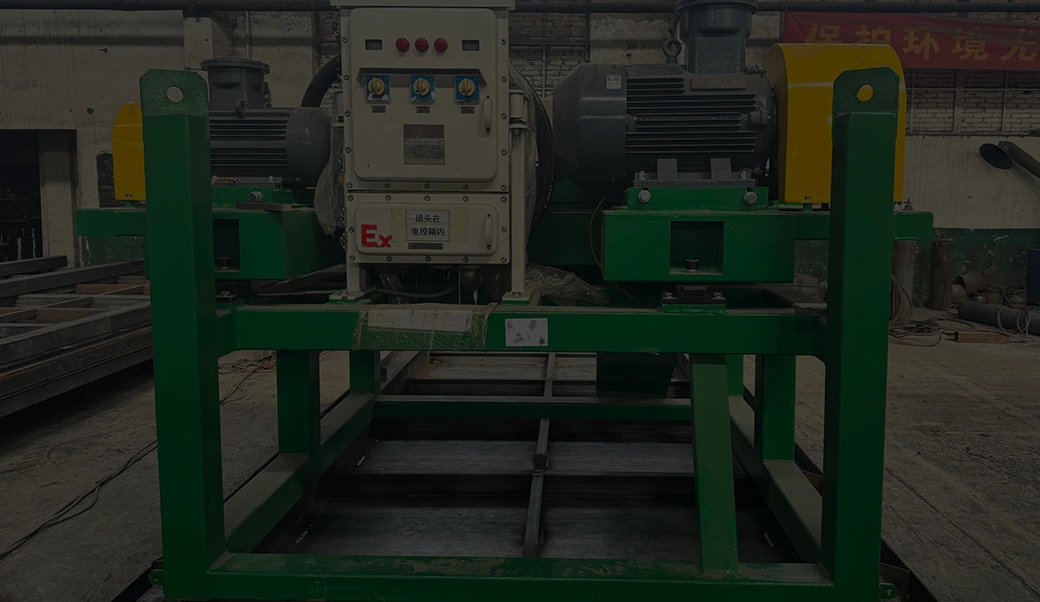
A Diesel Tank manufacturer designs and builds containers that hold diesel safely and deliver it to generators, trucks, and drilling equipment. A good partner sizes the tank to your fuel demand, adds containment and monitoring, and supplies the drawings and documents your team needs. At ZHONGCHENGJIXIE, we build skid-mounted Diesel Tank systems from 5 to 100 m³ for oilfields, mines, remote construction, and emergency power. This guide explains how to pick the right size, material, and wall design, and how to judge a supplier before you buy.
Selecting the Right Diesel Tank for Industrial Fuel Storage
What a Diesel Storage Tank Is and How It Works
It is possible to store fuel in a Diesel Tank and then send it to engines, cars, or other tools. The shell, the supports, the fill tube, the vent, the exit, the level gauge, and the pump with the filter are all parts that make it up. The fill port lets fuel in, and it stays there in a sealed area. You can use gravity or a transfer pump to let the fuel go. A single-wall tank has only one shell, so it needs to be closed off from the outside. A double-wall tank has a room on the outside with a gap that can be used to watch for leaks in the inner shell. I always tell people to picture the whole path from the fill port to the tip before they buy.
Why Tank Selection Affects Fuel Uptime?
The design of the tank affects the generator's uptime, the speed at which it can be refueled, the quality of the fuel, the risk of spills, and compliance. It needs to be filled up more often if the tank is too small. Water and dust can get to pumps and injectors if there isn't enough airflow or cleaning. This can cause work to stop in the middle of a shift. You might not get the best unit if you only look at price. It should cost more in the long run to fix, replace, or work on a cheap unit that needs more containment work. This quickly feels like a digging site. It costs more and more every time a rig or backup generator runs out of fuel. The crew has to do nothing. Before you compare quotes, you should look at how much fuel is really needed, the site conditions, the containment, and how well the pumps work together.
Diesel Tank Capacity Guide: How to Select the Correct Size
To figure out how much space is needed, multiply the desired runtime by the amount of fuel used per hour and add extra fuel. Get the hourly number from the company that made the engine or piece of equipment, since the load changes how much is used. Just to give you an idea. At the rate of 25 gallons per hour, it takes 1,800 gallons to fuel a generator that needs to run for 72 hours. For every 15% extra, you get about 2,070 gallons, which is 7.8 m³. Always keep in mind that 264 US gallons is equal to one cubic meter. A 5 m³ tank can hold up to 1,321 gallons of water, and a 100 m³ tank can hold up to 26,400 gallons. Before you choose a size, make sure you know what the area, base, and transport can and can't do.
Diesel Tank Design, Material, and Containment Options
Design Options for Different Industrial Applications
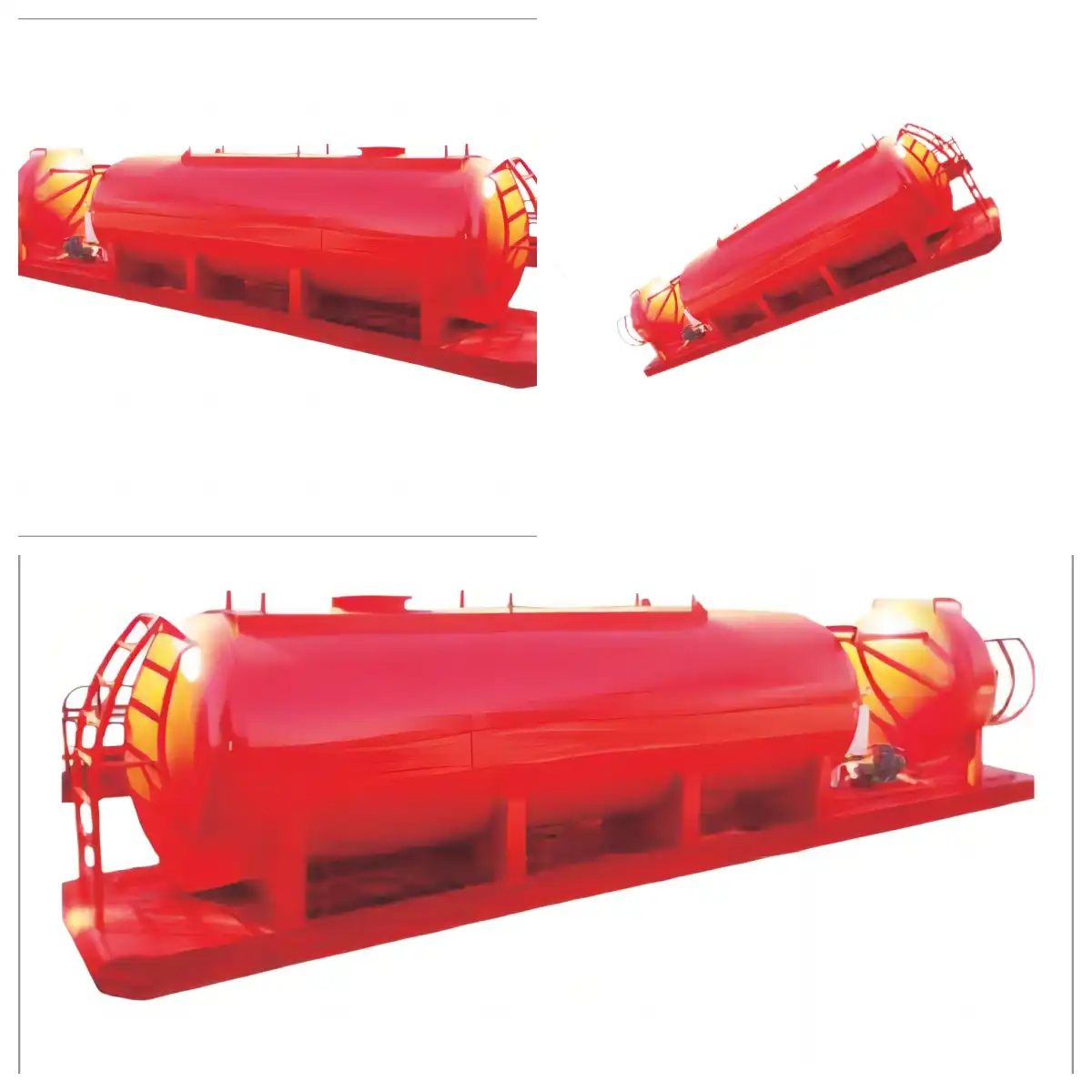
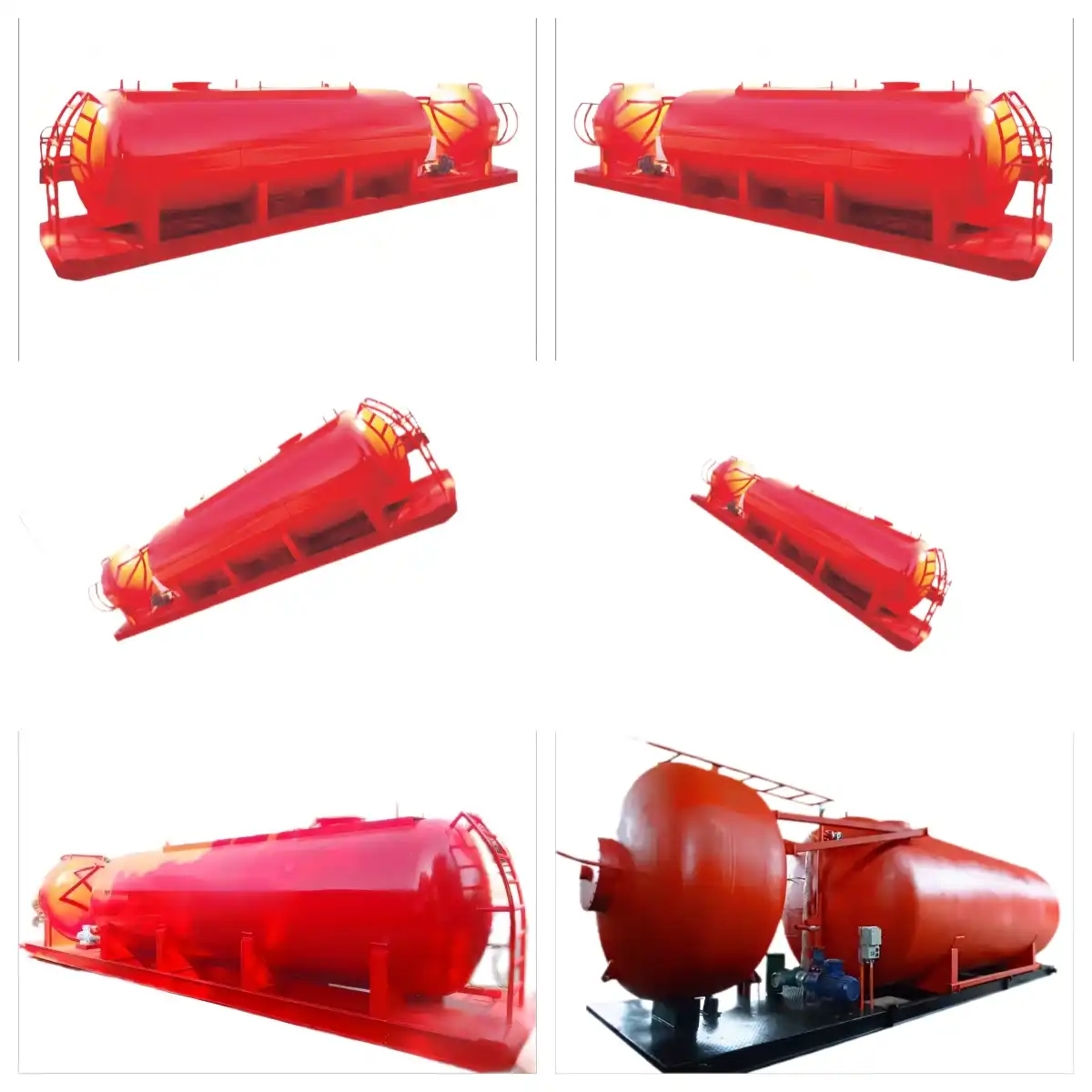
Check that the plan fits the page. Diesel Tanks that are above ground are easier to move, check on, and look for leaks. Underground tanks take up less room on the ground, but they have to be pulled up, kept safe from corrosion, and subject to tougher rules about the environment. This type of tank is low and can be used inside or outside. Tall tanks hold more but take up less room. Stationary units are used by businesses and fleet yards. Portable units are used on construction sites, farms, for short-term power needs, and by people who work from home. The idea behind our ZC Diesel Tank is like the portable one, but it's bigger. The base of the fuel station is on skids, so it can be moved to a different well pad or mine site without having to be rebuilt.
Steel vs. Plastic Diesel Tanks
Most of the time, steel is the best thing to work with in factories. It's very strong, doesn't break easily, and can be used for making a lot of things. No matter how well you coat it, bare steel will rust, and you need to figure out how to move the weight. Because they are lighter and don't rust, plastic tanks are easy to move around. Check to see what temperatures the plastic can handle, if it works with fuel, if it blocks UV light, how strong it is, and if it has been approved in your area before you buy it. It is important to ask each supplier about their materials, coatings, welds, and test records. First, weigh the steel to make sure it can handle heavy use in the field with a lot of it, like gas storage. Then, make sure the coating method will work right where you are.
Single-Wall vs. Double-Wall Diesel Tanks
There is only one shell on a tank with only one wall. It can work as long as it's legal in your area and you protect yourself with something like a bund, spill pallet, or concrete pond. Make certain the area is the right size and stays clean. There is extra space around the inside of a double-wall tank. You can use a monitor or just look for leaks in the space between the walls. This plan protects the soil, drains, and nearby equipment and lowers the chance of spills. When there are more than 1,320 gallons of above-ground oil storage in the US, the EPA's Spill Prevention, Control, and Countermeasure rule comes into effect. This means that you should start planning early on how to keep the oil from spilling. Our ZC tank can be built with two walls if you'd like.
Safety, Fuel Dispensing, and Fuel Quality
Diesel Tank Safety, Fire Code, and Environmental Requirements
A level base, room for inspections, safety from car impacts, and being far away from buildings and fire sources are all important for a safe Diesel Tank installation. Grounding, connections, equipment to stop spills, safety against overfilling, and high-level alarms should all be added. Vents are in charge of putting fuel in and taking it out, as well as handling temperature changes. In the US, NFPA 30 tells people how to store liquids that are flammable or explosive, and NFPA 70 tells people how to use electricity in certain places. Diesel is a liquid that can catch fire, but some gas fields and other places with flammable air may need other safety gear. In those cases, our ZC Diesel Tank is made in a way that makes it impossible for it to explode. Talk to the people in charge about the fire codes in your area at all times.
Diesel Tank with Pump and Fuel Dispensing System
A built-in pump in a Diesel Tank gets the job done faster and more accurately for teams, remote sites, and generators. For jobs with low volumes, gravity feed can be used if the plan allows it. There may be a level gauge, flow meter, filter, water separator, emergency stop, and transfer pump in a full pouring package. You should think about the pump's duty cycle, output voltage, flow rate, and how easy it is to fix. You should also think about how clean the fuel is. Checks don't have to be done by hand because of monitoring and automatic shutoff, and the tank doesn't get too full. It's easier for staff to keep track of the fuel level with our ZC system because it stores things and tracks them smartly. Tell us what kind of pump you need right away so we can set it up correctly.
Fuel Quality, Storage Life, and Maintenance
If water, dust, rust, or bacteria get into diesel, it's not good. These are the types of diesel fuel in the US according to ASTM D975. The National Renewable Energy Laboratory's handling guide says that fuel should not get wet when it is kept. There isn't a single storage time that works for all sites for backup engines that aren't being used. Use sealed fill points, filtered vents, water separators, and regular fuel samples. Check the lines, warnings, tank level, and leaks once a week. Check the vents, welds, fittings, grounding, and shutoffs every three months. Plan to check for leaks, fix the gauges, and do fuel lab tests once a year. You should write down things you need to remember during an audit, insurance claim, or guarantee claim.
ZC Diesel Tank: Skid-Mounted Fuel Storage for Field Work
Product Overview and Core Parameters
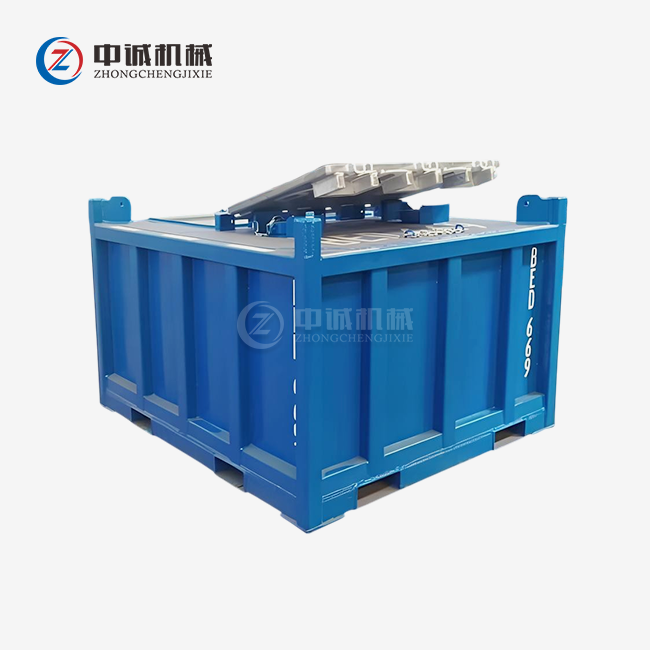
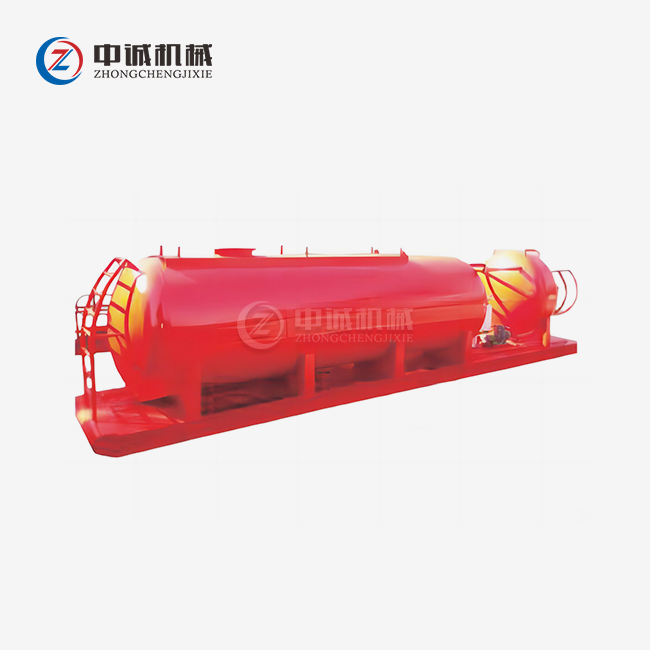
People can take the ZC Diesel Tank with them on the road because it is built on a skid and can store and watch fuel. The size can be changed from 5 m³ to 100 m³, which is 1,321 to 26,400 US gallons. Adding a double-wall structure will make it completely safe from explosions. The tank, valves, and monitoring parts can be moved as a single unit with the skid base. Large storage spaces make it possible to store diesel for oilfield equipment all the time. We make each unit based on what your rig, generator, or fleet needs. After that, we send you models and directions so that your team can plan the base and links.
Core Advantages in the Field
There are four important things on the page. First, the structure can't blow up or leak, and the body is tight enough to keep oil from leaking out and damaging the environment. Second, the material doesn't rust, wear down with oil, or get broken when it hits something. Third, smart tracking helps workers discover how much gas they still have. Four, the tank is simple to set up and keep up, and it has reliable controls that are put in place on-site. This last point is important on drilling sites where space is limited for engines, mud-draining gear, and fuel storage. We know how all of these things work together because we also build strong control systems and mud circulation systems.
Applications, Customization, and Compliance
The ZC Diesel Tank is used for backup power in mines, oil areas, and on remote building sites. Because none of these jobs are near a gas station, the tools have to be kept on-site to keep them running. There are times when you need special packing for export, and we can do that. Our team is also here to help you after the sale. There are three groups that have approved our product: HSE, TÜV, and BV. Three other groups have also certified our management systems: ISO 9001, ISO 14001, and ISO 45001. ISO 9001 is the standard for quality control systems all over the world. Your inspectors will be able to see what they need to do. For jobs in the US, please send us your local code requirements so we can help you set them up.
How to Choose a Diesel Tank Manufacturer and Verify Quality?
Choosing a Diesel Tank Manufacturer or Supplier
Make a list of what you need before you ask for quotes. Type of fuel, direction, wall construction, site conditions, mobility, pump needs, certifications, destination, and scope of work for the Diesel Tank should all be written down. Once you have a list of suppliers, rate them based on their experience in the field, engineering skills, quality control and welding procedures, testing, history of exports, production capacity, and ability to track materials. Aside from the price of the item, compare quotes based on how much it will cost you to own it altogether. It's important to include things like extra parts, Accessories, freight, installation, license, and maintenance. We are a direct manufacturer with over 30 years of industry experience. This is our plant in Xingping, Shaanxi. It's 6,300 square meters and can make 200 sets of mud circulation systems and oil equipment each year.
Procurement Decision Matrix
Parts of a simple score table should be used to write down safety, movement, capacity, cost, and upkeep. After that, think about each use case. Backup generators need to be able to run for a long time, be surrounded by two walls, have their levels checked, and have a button that turns them off in case of an emergency. Farms want something that can hold enough, be easily dispensed, stand up to the weather, and stop germs from spreading. Fleets need accurate meters, high-flow pumps, filtering, and a way to keep people from getting in. Remote job sites need things like lifting points, impact safety, pump cabinets that can be locked, and tracking that can be done in any weather. All of these things have to be set up for each job because oilfields and mine sites often need more than one of them. When more than one person signs off on a choice, giving each one a score on paper makes it more objective.
Quality Assurance and Delivery Before Shipment
Quality checks should be done from the time the materials are chosen until the system is put into use. You can expect material checks, measurement checks, weld inspections, surface preparations, paint inspections, leak tests, and tests to see how well pumps, gauges, and alarms work. Please ask for data sheets, material certificates, test results, directions, packing lists, and models of how things will be set up in general. We have drawings, flowcharts, component diagrams, operation and maintenance instructions, and training for the business. We also offer a one-year warranty. Items that are in stock are sent out within three days, and custom orders are usually sent out fifteen days after they are placed. It's easy to get to the ports of Tianjin and Shanghai. Before adding fuel, check the tank for damage from the trip, make sure it is properly grounded, check all the connections, and ground it. Write down what you find.
Conclusion
When choosing a Diesel Tank, you should look at how much fuel you actually need, not a catalog size. The design should work with the location, and the capacity should be based on how much it's used each hour, how long it runs, and a backup. Steel is good for heavy industrial use, and building with two walls keeps spills out and helps meet rules like NFPA 30 and the EPA's SPCC threshold. Pumps, filters, and tracking make sure that fuel stays clean and is easy to get to. Leaks and contamination are found early when checks are done often. The ZC skid-mounted system can be used for power needs in oil areas, mines, building sites, and during emergencies. If you want, it can be made with double walls or explosion-proof enclosures, and it comes in sizes from 5 to 100 m³. The last pick should be based on checks for quality, paperwork, and the total cost of ownership.
FAQ
How do I size a Diesel Tank for a backup generator?
Add an extra amount of fuel to the Diesel Tank size based on the generator's hourly use and the time you need it to run. Talk to the generator maker about the hourly number because the load affects how much power is used.
When should I choose a double-wall tank?
For places that are outside, sensitive to the environment, or could have a lot of bad effects, choose double-wall construction if the building rules allow it. The space between the walls makes it easier to find leaks.
Does a Diesel Tank need a pump?
Not all the time. Works well for tasks that don't need a lot of material. Most of the time, a pump, meter, and filter can speed things up and make them more reliable in fleets and rural places.
How long can diesel stay in storage?
There isn't just one time that works for all sites. The things that break down fuel are microbes, changes in temperature, and water. Test samples often and get rid of the water.
Request a Diesel Tank Quote from ZHONGCHENGJIXIE
Ready to specify your next Diesel Tank configuration? How much do you need, what's the site like, and when do you need it by? Our company only makes Diesel Tanks, so we can offer advice on how to set them up and provide plans, a data sheet, and a price. We can also make specs just for you and offer export packing. Get in touch with oliver@zcgukong.com or visit zcsolidscontrol.com to talk about your project.
References
1. National Fire Protection Association, NFPA 30: Flammable and Combustible Liquids Code, 2024
2. U.S. Environmental Protection Agency, 40 CFR Part 112: Oil Pollution Prevention (SPCC Rule), 2024
3. ASTM International, ASTM D975: Standard Specification for Diesel Fuel, 2023
4. National Renewable Energy Laboratory, Biodiesel Handling and Use Guide, 2016
5. International Organization for Standardization, ISO 9001: Quality Management Systems, 2015
6. National Fire Protection Association, NFPA 70: National Electrical Code, 2023