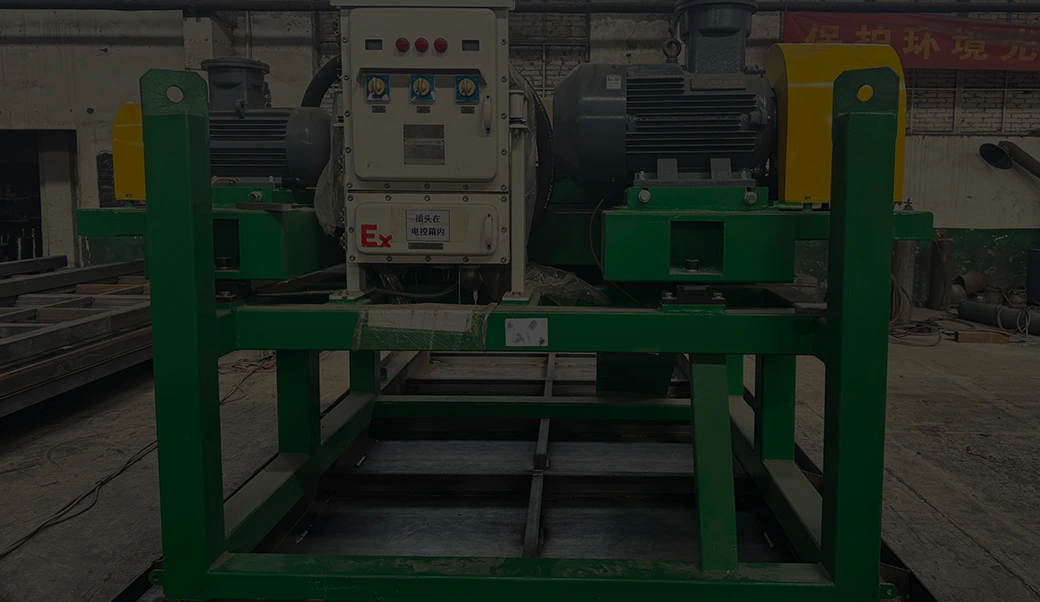
When a gas kick hits unexpectedly at depth, the difference between a controlled response and a catastrophic blowout often comes down to one piece of equipment. The Mud Gas Separator (MGS), widely known in the field as a Poor Boy Degasser or Gas Buster, is a purpose-built well control device positioned downstream of the choke manifold. Its job is direct: separate large volumes of free gas from returning gas-cut drilling fluid before that fluid reaches the shaker tanks or mud pits. In high-pressure, high-temperature wells and sour gas environments, a properly selected and maintained MGS is not optional — it is the front line of blowout prevention.
Understanding Mud Gas Separator (MGS): Essential Well Control Component
What the MGS Does and Why It Matters
During a kick or overflow event, the gas buster grabs gas-filled mud coming back from the wellbore. Using impingement and gravity separation, it pushes the mud against internal baffle plates, letting gas bubbles that are stuck in it escape. The released gas goes up the vent line to a safe flare point. The treated mud goes out the bottom outlet. This process keeps dangerous or harmful gases from building up on the surface and protects equipment that controls solids further down the line.
Key Design Features That Define Performance
Three parts of the system must work together for the MGS to work well. To begin, the improved U-tube liquid seal makes a stable hydrostatic barrier that stops gas from escaping through the mud outlet. This is called "blow-through." Second, multi-stage internal baffles that were improved through fluid dynamics simulations make the path for gas and liquid to contact longer and improve gas release efficiency by more than 30%. Third, the body of the vessel is made of high-quality carbon or alloy steel that meets NACE MR0175/ISO 15156 standards. This means that it can be used in environments with hydrogen sulfide (H2S).
Types and Operating Environments
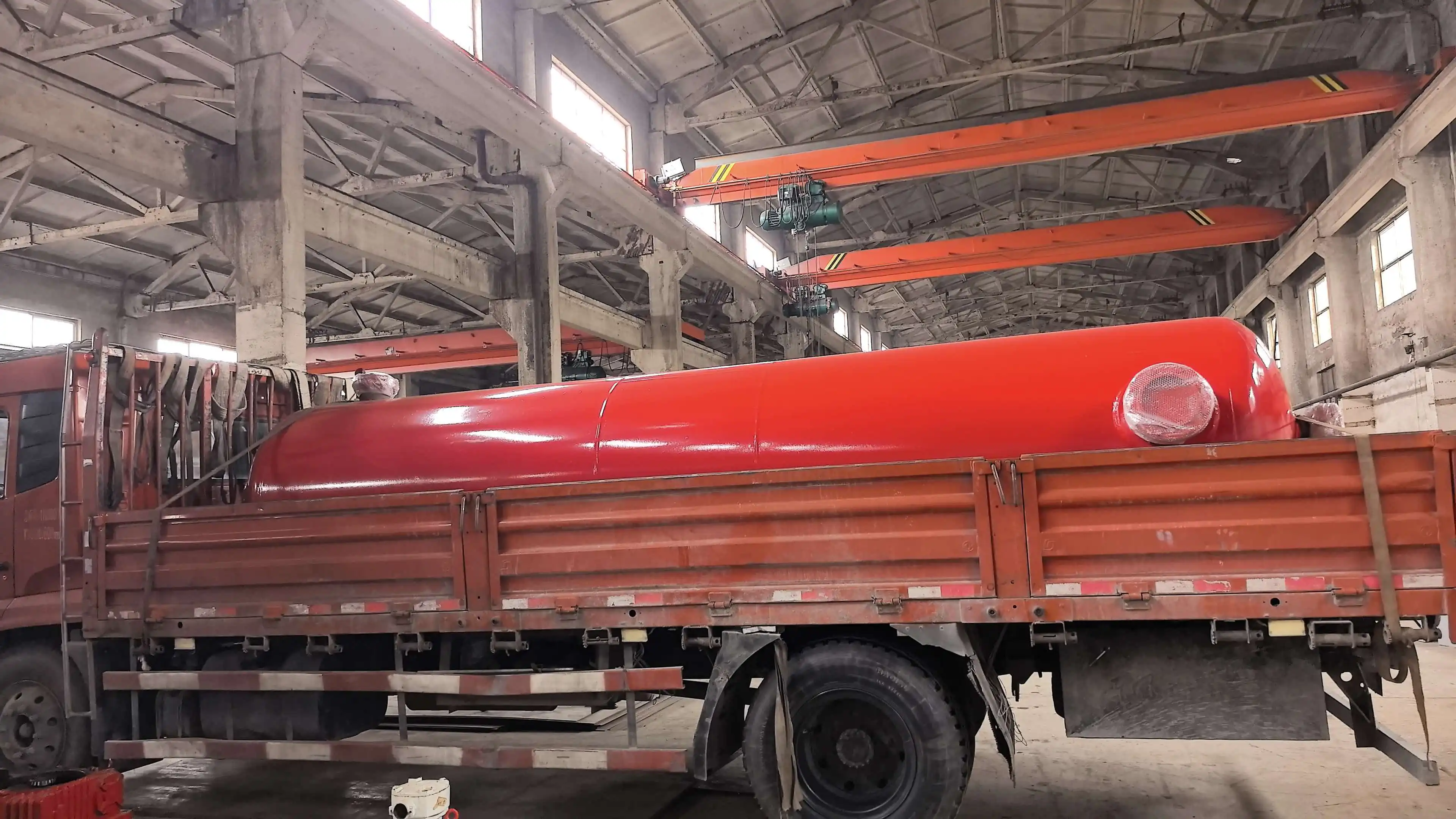
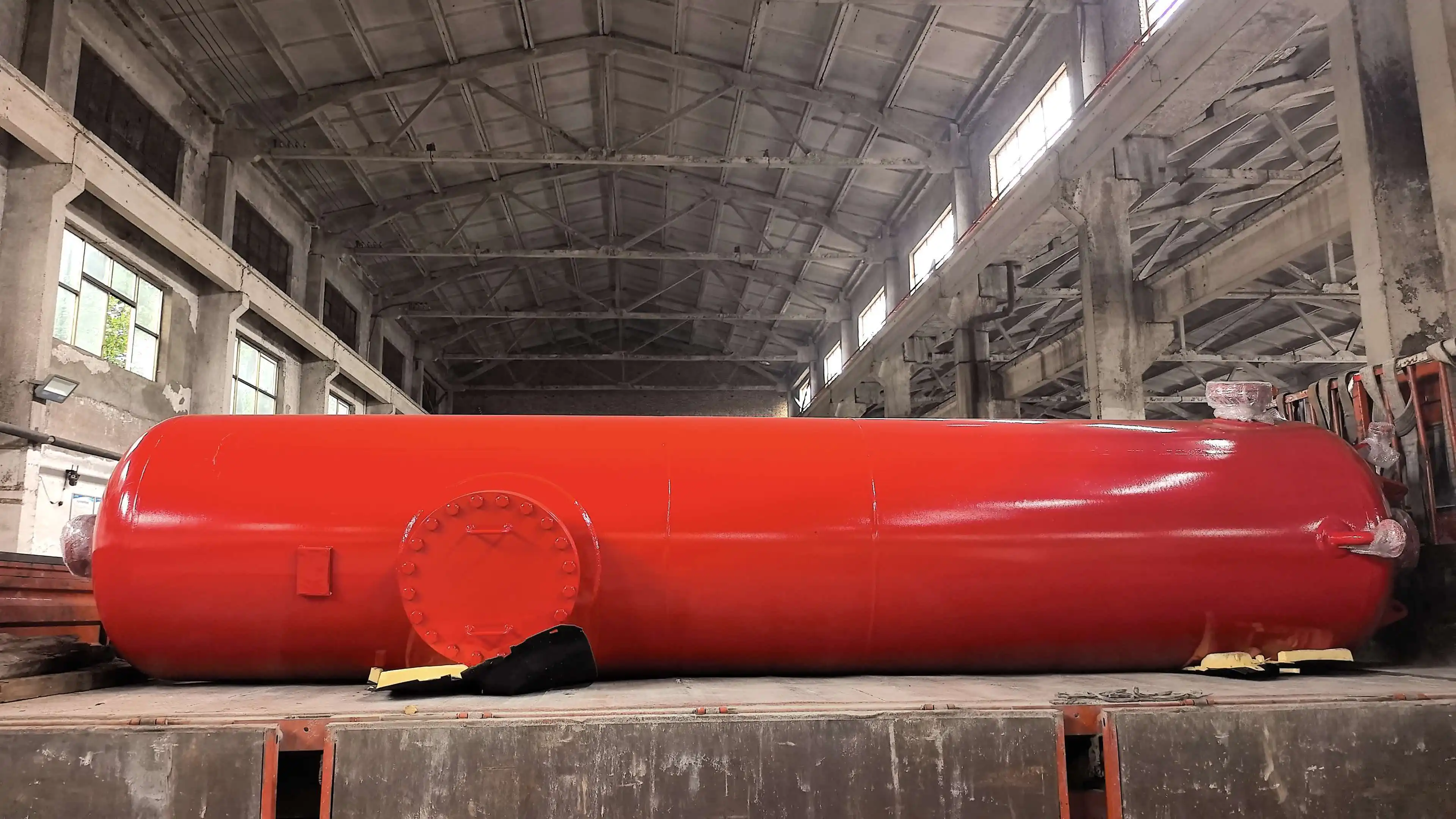
MGS machines are used in a lot of different types of drills. Horizontal ships with body widths ranging from 600 mm to 1,200 mm are standard and can fit most coastal rigs from the ZJ30 to the ZJ90 family. Working pressure ranges from 1.6 MPa to 6.4 MPa, which means that both regular and high-pressure wells can use them. The MGS is an intermediate separation stage that keeps the mud system stable while maintaining precise wellbore pressure control. It is used for managed pressure drilling (MPD) and underbalanced drilling (UBD).
Challenges in High-Risk Drilling and How MGS Solves Them
The Real Cost of Uncontrolled Gas Kicks
Formation pressure spikes can happen in minutes, and if you mess up a kick, the results are bad. Gas moving into the suction system can lead to explosions on the rig floor, damage to the environment, and wells shutting down without warning, which costs operators tens of thousands of dollars every day. Traditional vacuum degassers work well with small amounts of dissolved gas, but they aren't made to handle the fast, high-volume flows of free gas that happen during a real kick event. Where there isn't enough cover, the gas buster really shines.
How Does the MGS Manage Gas Influx Effectively?
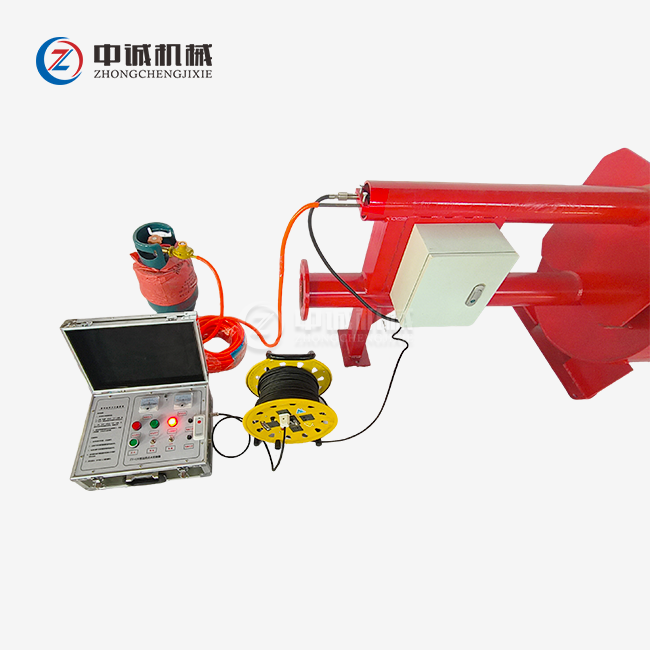
The Mud Gas Separator (MGS) treats high-gas-cut mud before it goes into open tanks. It does this by catching big gas bubbles that would otherwise be too much for the shale crushers and vacuum degassers further downstream. The epoxy-coated tank inside can handle a steady flow of abrasive material, and the explosion-proof electrical ignition device ensures safety gets rid of the separated gas at the vent point. The remote safe control feature lets operators run the unit from a safe distance, keeping people safe during active kick situations.
Field-Proven Results in Demanding Projects
MGS units have shown over and over again that they can handle both rapid pressure drops and high liquid flow rates in HPHT onshore wells and deepwater offshore applications. When operators use properly rated gas buster systems, they notice that downstream solids control equipment has a lot less gas load, kick reaction times are faster, and rig downtime due to gas-related incidents is significantly lower.
Comparing Mud Gas Separator with Other Well Control Equipment
MGS vs. Vacuum Degasser
The difference between these two gadgets is simple, but people often get it wrong. A vacuum degasser takes out small amounts of dissolved or finely suspended gas from mud that is being pumped around normally. During an active kick, the MGS handles large amounts of free gas, which would quickly overload any vacuum unit. In a well-designed mud system, both devices work one after the other: the MGS handles the first gas surge, and the vacuum degasser smooths out the returned mud before it goes back into the system.
MGS vs. Shale Shaker in Gas Management
Solids separation is what shakers do, not gas separation. Sending highly gas-cut mud to the shaker without first going through a gas buster increases the risk of an explosion at the shaker deck and lowers the performance of the shaker screen. By removing the bulk gas before the mud reaches the solids control line, the MGS gets rid of this danger. This lets the shaker work safely and effectively on the remaining fluid.
Selecting the Right Configuration for Your Rig
Different drilling rigs need different MGS configurations. Managers in charge of buying things should compare the diameter of the vessel to the expected flow rate of the mud, the working pressure rating to data on the formation pressure, and the grade of the material to the expected concentration of H2S. For activities in cold places, steam heating coils can be added to keep the mud inside the tank from solidifying. Built-in flush ports at the bottom of the vessel make cleaning easier and keep solids from building up between operations.
Procurement Guide: Buying the Right Mud Gas Separator for Your Project
Critical Selection Criteria
To choose a gas buster, you have to match the equipment's specs to the well's conditions. These are the main things that make the right choice:
- Body Diameter and Flow Capacity: Match Mud Gas Separator (MGS) vessel diameter (600–1,200 mm) to the maximum expected mud return rate for your rig class. Undersized units risk blow-through during high-flow kicks.
- Working Pressure Rating: Confirm the unit's rated working pressure (1.6–6.4 MPa) covers the maximum anticipated choke manifold pressure at your site.
- Sour Service Compliance: For wells with confirmed H₂S presence, verify NACE MR0175/ISO 15156 material compliance and post-weld heat treatment records before purchasing.
- Electrical Protection Grade: All electrical components should meet a minimum IP55 protection grade for dusty, wet drilling environments.
These specs directly tell you if the equipment can handle the conditions in the well you will be using it in. If you skimp on any of them, you leave a safety gap that can be measured.
Delivery, Customization, and After-Sales Considerations
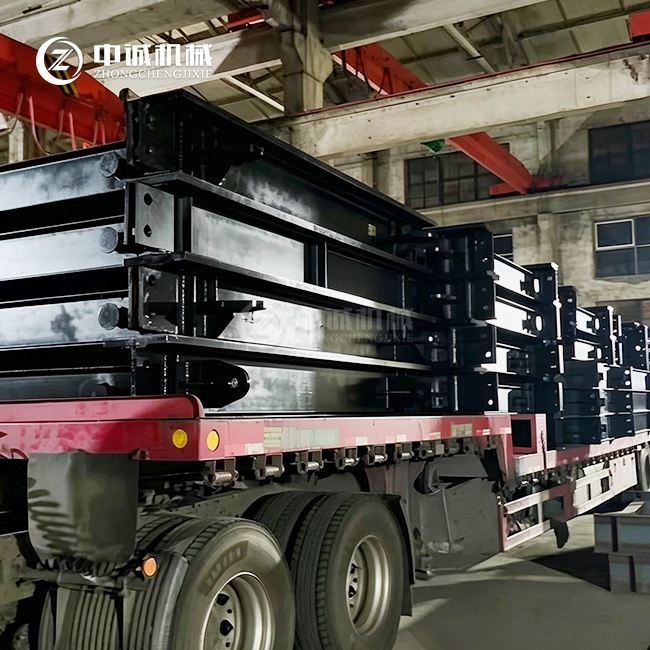
When planning project timelines, procurement teams should make sure that the maker offers both stock production and custom production. Standard setups should be sent out within days, but units that are built to fit a specific rig or pressure need to have clear wait times. Any reputable seller should offer a full warranty for one year, help with installation and commissioning, and clear documentation of their spare parts supply lines. Packaging standards are also important. Plastic film, rainproof tarps, and optional wooden boxes can be used to protect the investment during foreign freight.
Maximizing MGS Performance: Operation, Troubleshooting, and Maintenance
Correct Startup and Operating Procedures
Operators should make sure that the liquid seal depth in the U-tube meets the engineering standard for the current mud weight before turning on the MGS during a kick reaction. Make sure that the vent line to the flare boom is clear and that the explosion-proof ignition device is set up and working. The remote control screen should be checked out before it is used, not when there is an issue.
Common Issues and How to Resolve Them
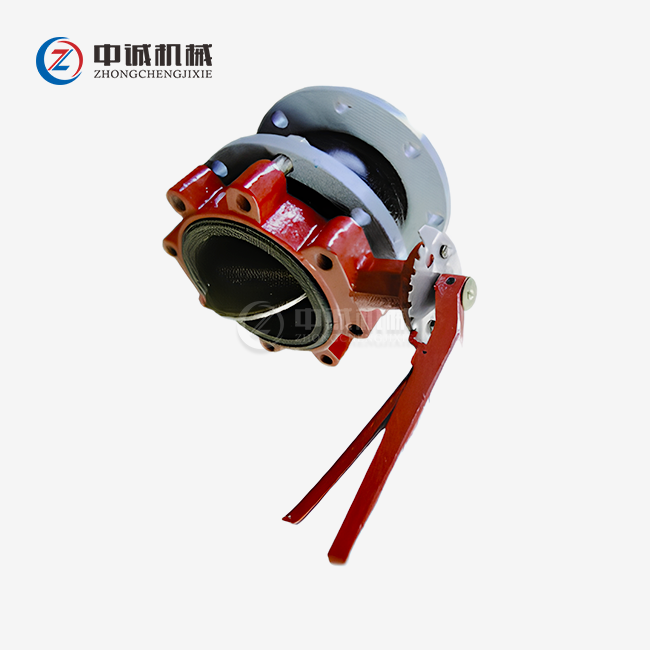
Partial blow-through is the most common operational problem. This is when gas leaks out through the mud discharge line. When the density of the mud drops during a kick, the hydrostatic head of the liquid seal goes down. To fix the problem, more mud is added, and the depth of the U-tube seal is checked against the current fluid density. Solids that have built up at the bottom of the vessel stop flow. After each kick event, they should be cleared out through the built-in flush ports.
Routine Maintenance to Extend Service Life
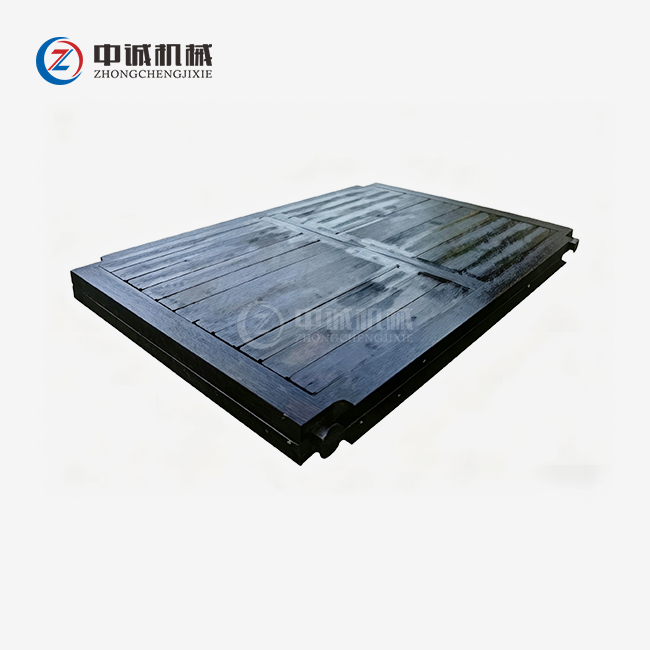
Because it doesn't have any moving parts, the MGS has one of the lowest failure rates of all active well equipment. But regular upkeep is still important. After each well finish or kick event, flush the inside of the vessel of any sand and cuttings that have built up. Also, check the internal impact plates for erosion wear and make sure the vent line and all drainage valves are working properly. Every year, the epoxy covering on the inside should be checked for breaks or separations that could let rust get under the coating.
Conclusion
The Mud Gas Separator (MGS) is an important part of well control for any drilling job where gas kicks are a threat. Whether it's an HPHT well on land or a managed pressure deepwater operation, a gas buster that is properly specified and maintained keeps people safe, protects equipment further downstream, and keeps operations running even when formation pressures change unexpectedly. To choose the right unit, you need to make sure that the diameter of the vessel, the working pressure, and the grade of the material are all right for the well. You should also work with a manufacturer that can deliver verified equipment on time and with full technical documentation and support after the sale.
FAQ
What is the difference between an MGS and a vacuum degasser?
The MGS handles large-volume free gas during an active kick event. A vacuum degasser removes small amounts of dissolved gas from mud under normal recirculation. They serve different functions and are typically used together in a complete mud system.
Can the MGS be used in H₂S sour gas environments?
Yes, provided the vessel is manufactured from NACE MR0175/ISO 15156 compliant materials and has undergone proper post-weld heat treatment. Always confirm material certifications with your supplier before purchasing for sour service.
How often should the MGS be inspected?
Inspect the unit after every kick event and conduct a full internal inspection at each well completion. Check impingement plates for erosion, verify U-tube seal depth, and test the explosion-proof ignition system on a scheduled basis.
What customization options are available?
Manufacturers can adjust vessel diameter, working pressure rating, material grade, and add features such as steam heating coils for cold climates or custom skid dimensions for specific rig layouts.
What certifications should I require from a supplier?
Look for ISO 9001, ISO 14001, ISO 45001, HSE compliance, and TÜV or BV approval. These certifications verify that the manufacturer's quality management, environmental practices, and safety systems meet recognized international standards.
Get a Direct Quote for a Mud Gas Separator from ZHONGCHENGJIXIE
As a direct producer of Mud Gas Separator (MGS), ZHONGCHENGJIXIE has more than 30 years of experience in the field, as well as full ISO 9001/14001/45001, TÜV, BV, and HSE certifications. For stocked configurations, our units can be shipped in as little as three days. Custom orders take fifteen days to arrive. For details, models, and prices, please email our expert team at oliver@zcgukong.com or go to zcsolidscontrol.com.
References
1. API Recommended Practice 16ST, Subsea Wellhead and Tree Equipment, American Petroleum Institute, 2015.
2. Bourgoyne, A.T., Millheim, K.K., Chenevert, M.E., and Young, F.S., Applied Drilling Engineering, Society of Petroleum Engineers Textbook Series, 1986.
3. Grace, R.D., Blowout and Well Control Handbook, Gulf Professional Publishing, 2003.
4. NACE International, NACE MR0175/ISO 15156: Petroleum and Natural Gas Industries — Materials for Use in H₂S-Containing Environments in Oil and Gas Production, 2015.
5. Adams, N.J., Well Control Problems and Solutions, PennWell Publishing, 1980.
6. Skalle, P., Pressure Control During Oil Well Drilling, Bookboon Engineering & Technology, 2012.