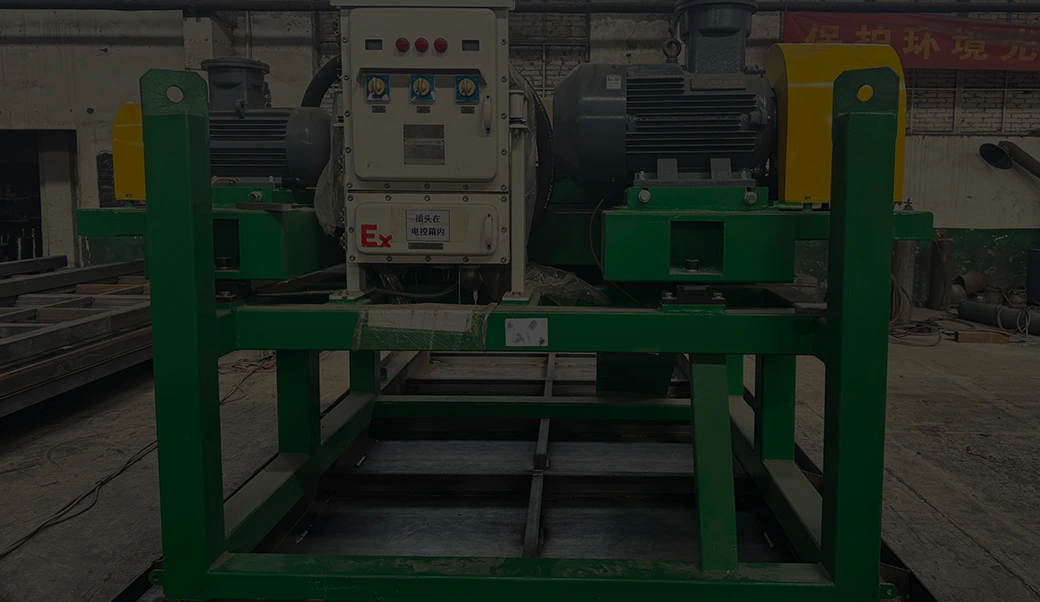
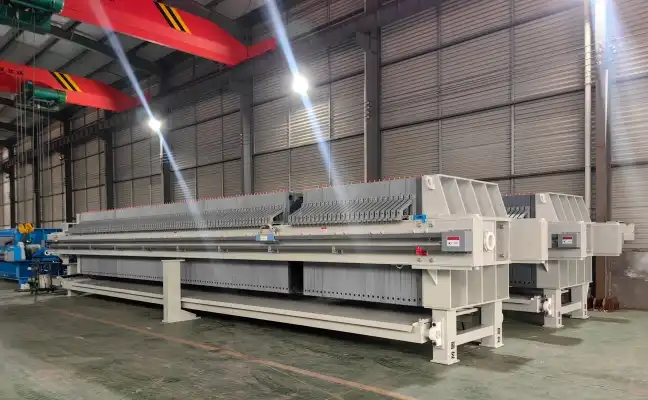
A chamber filter press is a high-efficiency solid-liquid separation device that applies hydraulic pressure — typically between 6 and 20 bar — to force liquid through filter media while retaining solids as a dry, manageable cake. For municipal wastewater plants and industrial facilities facing mounting pressure on sludge disposal costs and environmental compliance, this technology addresses real operational pain points. It reduces sludge volume by up to 80%, cuts chemical flocculant consumption, and produces a stackable cake that is straightforward to transport and dispose of responsibly.
Understanding the Chamber Filter Press Technology
How does the Chamber Design Work?
The recessed plate design creates spaces that are completely shut between two neighboring filter plates. Filter cloth lines each of these chambers. Under pressure, sludge is pumped into these chambers. Liquids flow through the cloth, and solids build up into a cake. When the spaces are full, the hydraulic system lets go, the plates separate, and the cake comes out. This closed-loop system stops leaks and makes sure that the cake is always dry after each cycle.
Comparison with Alternative Dewatering Equipment
Belt presses and screw presses work nonstop, but they usually leave more moisture in the cake than a chamber-type unit. Membrane filter presses make cakes with less wetness, but they cost a lot more to buy. Vacuum screens work well for uses with fine particles, but they use more energy per unit of water removed. The chamber configuration is still the best way to go for most situations where dewatering sludge in oilfields and cities needs to strike a balance between throughput, cake dryness, and operating cost.
Core Components and Automation
During the filter cycle, the hydraulic closing device keeps the plate sealing pressure steady. The particle size distribution in the feed slurry determines the type of filter cloth used, which can be made of polypropylene, polyester, or nylon weaves. Automated plate-shifting mechanisms and programmable logic controllers run pressing cycles in modern units, which cut down on manual work and cycle times. Safety interlocks keep plates from moving when residual pressure is present. This keeps workers safe and extends the life of the equipment.
Benefits and Applications in Municipal and Industrial Plants
Municipal Wastewater Treatment
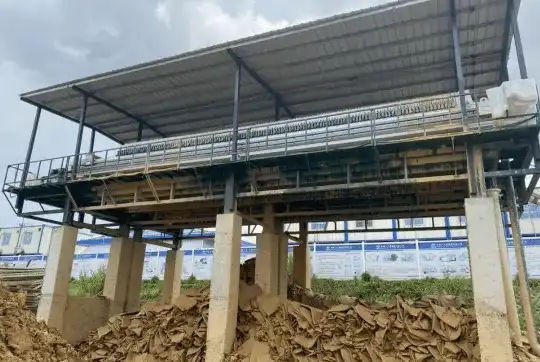
When city plants consistently make sludge cakes, the costs of moving and dumping them in landfills go down. A properly set up pressure filter press can cut the amount of biological sludge by 75–80%, turning an expensive problem with getting rid of it into a solid waste stream that is easier to handle. In the US, plants that handle combined sewer overflows depend on batch filter systems that can adapt to changes in yearly flow. Belt-press systems, on the other hand, can't do this without spending more money.
Industrial and Oilfield Applications
This equipment works best in the following main areas:
- Oil and Gas Drilling Waste Treatment: The ZC Chamber Filter Press from ZHONGCHENGJIXIE, built with a plate-and-frame structure and 1250×1250 mm filter plates driven by 37–45 kW motors, handles high-concentration drilling slurry from both onshore and offshore sites. Its anti-corrosion construction withstands aggressive chemicals in drilling fluids, keeping the mud system clean and reducing fluid replacement costs.
- Mining and Tailings Management: In mineral processing, the equipment recovers process water from concentrates such as copper and coal while producing stackable dry tailings, supporting zero-liquid-discharge targets on remote sites.
- Chemical and Foundation Engineering: Foundation piling contractors and chemical processors benefit from the closed filtration chamber, which contains hazardous or fine-particulate slurries without fugitive emissions, meeting increasingly strict site environmental standards.
Because of these benefits, procurement managers can show that the equipment is worth the money by showing that it cuts down on waste, chemicals used, and regulatory risk.
Maintenance and Total Cost of Ownership
High-strength reinforced polypropylene is used to make filter plates that can withstand acid and alkali attacks up to 90°C and usually last between five and eight years when used normally. Changing the filter cloth, which is the main item that wears out, is easy and doesn't require any special tools. Cycle-load performance stays the same when extra parts are bought from the original maker. Long-term expert help and spare parts supply from ZHONGCHENGJIXIE means that the equipment has little unplanned downtime over its working life.
How to Choose the Right Chamber Filter Press for Your Needs?
Matching Specifications to Your Sludge
Before choosing the right unit, you need to know about the feed's solids content, particle size distribution, chemical make-up, and output needs. In normal setups, the filtration area can be anywhere from 1 m² to over 1,000 m². Cakes are usually between 25 mm and 40 mm thick. For using drilling waste, the ZHONGCHENGJIXIE ZC Filter Press's 1250x1250 mm plates and small frame make it easy to connect to existing solid control systems without having to make any structural changes.
Evaluating Suppliers and Certifications
A company that makes filter presses should at least have ISO 9001 quality control certification. The ISO 14001 and ISO 45001 certifications for environmental and safety management show that the business is run with discipline, which leads to consistent product quality. ZHONGCHENGJIXIE has been approved by ISO 9001, ISO 14001, ISO 45001, HSE, TÜV, and BV. This gives procurement teams the proof they need for reviews of suppliers.
Delivery, Customization, and After-Sales Support
Standard units that are already in stock are shipped within three days, and units with unique setups are made within fifteen days. ZHONGCHENGJIXIE offers custom sizes, motor choices from both Chinese and foreign names, and standard export packaging. Every unit comes with full technical paperwork, including engineering drawings, flow diagrams, operation and maintenance instructions, and on-site help is available for commissioning. This level of service lowers the risk of the project for EPC contractors who are working with tight installation schedules.
Installation, Operation, and Troubleshooting Guide
Installation and Startup Procedure
Place the Chamber Filter Press on a stable base that can hold its weight. Follow the flow diagram to connect the feed, filtrate, and air-blow lines. Check the hydraulic oil level, make sure all the plate cloths are in place and there are no folds or damage, and make sure the plate shifter can move all the way through before the first pressurized cycle. As a standard, the hydraulic pump must be run to its rated closing pressure and held there for ten minutes to make sure there is less than a five percent drop in pressure.
Optimizing Pressing Cycles
To keep the cloth from blinding, the feed pressure should be raised slowly during the filling phase. When the tanks are full, put full shutting pressure on them and keep it there until the filtrate flow slows down to the desired level. After pressing, an air-blow step gets rid of any remaining liquid in the cake. This makes it drier and lighter for removal. These steps are taken care of automatically by automated cycle controls on modern equipment.
Common Faults and Corrective Actions
If the cake is wet or uneven, it's probably because the feed pressure isn't high enough or fine particles are blinding the cloth. Checking how well clothes let air pass through them and setting up regular cleaning processes usually solves the problem. Plate leakage happens when there is dirt or debris on the sealing faces or when the close pressure isn't right compared to the feed pump pressure. Check the plates and reset the hydraulic settings. Loss of hydraulic system pressure over time is a sign of worn seals. Hydraulic seals should be replaced at the times listed in the repair instructions.
Future Trends in Sludge Dewatering Technology
Automation and Real-Time Monitoring
Sensor networks on filter press systems are becoming more and more popular in the business world. SCADA platforms receive data from pressure transducers, flow meters, and turbidity sensors. This lets plant operators keep an eye on cycle performance without having to take samples by hand. This change cuts down on labor costs and finds performance problems before they lead to unplanned stops.
Energy Efficiency and Regulatory Drivers
The U.S. Environmental Protection Agency is continuing to make it harder to manage biosolids, and many states are moving toward making it illegal for factories to dump any liquid waste into the environment. Lowering the cake's wetness with equipment saves energy that is used later in the cooling process, which makes the whole process cheaper. In response, manufacturers are making hydraulic systems with higher pressure and better cloth materials that last longer between repairs.
Scalable and Modular Configurations
Project-based buying calls for flexible skid-mounted systems that can be moved, set up, and expanded without having to build new roads or bridges. ZHONGCHENGJIXIE makes units that can be moved in containers and set up on oilfield rigs. This is very helpful for drilling contractors who work at different sites.
Conclusion
Pressure filtration has been used to treat wastewater in cities, oil fields, mines, and foundation engineering, among other places. The Chamber Filter Press gets rid of a lot of water, can handle chemically aggressive slurries, and makes a dry cake that is easier to throw away and costs less. How much of that performance you actually get in the field depends on which manufacturer you choose. Look for one with certified quality systems, real customization options, and helpful customer service after the sale. The ZC Filter Press from ZHONGCHENGJIXIE is designed to meet these needs. Each unit has been tested and certified, and its success in the field has been recorded.
FAQ
How often should filter cloths be replaced?
Filter cloth service life depends on slurry chemistry, operating pressure, and wash frequency. In standard municipal sludge applications, replacement occurs every six to eighteen months. In chemically aggressive oilfield or mining environments, inspect cloths every three months and replace when air permeability testing shows flow resistance above the manufacturer's specification.
What factors influence dewatering capacity?
Feed solids concentration, particle size, hydraulic closing pressure, and cycle time all affect throughput and cake dryness. Sludge with a high proportion of fine particles typically requires a finer weave cloth and a longer pressing time to reach target moisture. Adjusting feed pump pressure within the system's rated range is the first corrective step when capacity drops.
Can a chamber filter press handle variable sludge types?
Yes. The closed-chamber design accommodates sludge with fluctuating solids content and viscosity better than continuous dewatering equipment. Adjusting the hydraulic closing pressure and cycle duration allows operators to manage seasonal or process-related variation in sludge characteristics without hardware changes.
What is the typical plate service life?
High-grade reinforced polypropylene plates last five to eight years depending on chemical exposure and operating temperature. Plates used with corrosive solvents or at temperatures above 80°C should be inspected annually for surface deformation.
Get a Customized Sludge Dewatering Solution from ZHONGCHENGJIXIE
The ZC Chamber Filter Press is made by ZHONGCHENGJIXIE and has been used for many years to clean drilling waste, recover mud, and remove water from industrial sludge. We offer procurement teams a reliable way to source goods because we are certified by ISO 9001/14001/45001, TÜV, BV, and HSE, and we offer direct-from-manufacturer prices and three-day shipping on stocked items. Get in touch with our engineering team right away to get a custom quote and technical advice. You can talk about your project needs at zcsolidscontrol.com or by emailing oliver@zcgukong.com.
References
1. Water Environment Federation. Solids Processing Design and Management. WEF Press, 2012.
2. Tarleton, E. S., & Wakeman, R. J. Solid/Liquid Separation: Equipment Selection and Process Design. Elsevier, 2007.
3. U.S. Environmental Protection Agency. Biosolids Technology Fact Sheet: Belt Filter Press. EPA, 2000.
4. Rushton, A., Ward, A. S., & Holdich, R. G. Solid-Liquid Filtration and Separation Technology. Wiley-VCH, 2008.
5. International Water Association. Sludge Management: Treatment, Reuse and Disposal. IWA Publishing, 2019.
6. Journal of Hazardous Materials. "Performance evaluation of filter press dewatering for oilfield drilling waste." Elsevier, 2021.