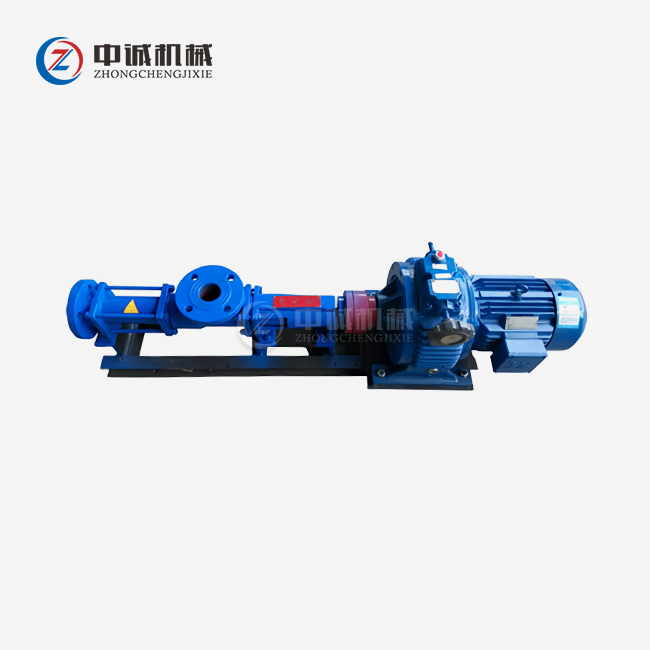
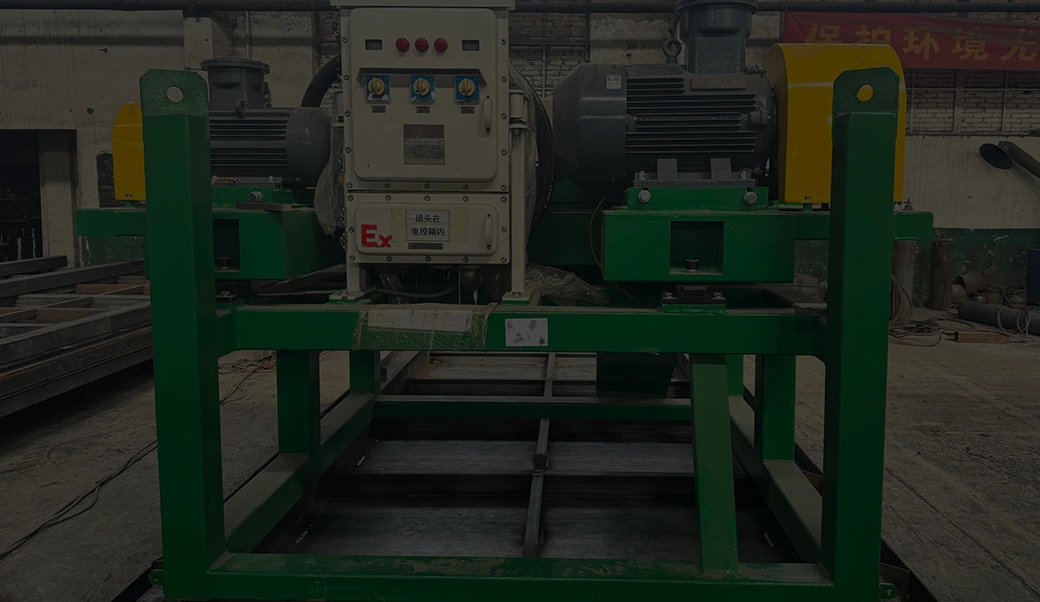
When drilling operations depend on steady, uninterrupted fluid movement, choosing the wrong pump technology can cost a rig thousands of dollars per hour in downtime. A screw pump addresses this problem directly. By using a positive displacement mechanism with helical rotors, it moves thick, particle-laden, or shear-sensitive media at consistent flow rates without pulsation or fluid degradation. Whether you are transferring heavy crude, circulating drilling mud, or managing sludge in a solids control system, the design of a progressive cavity or multi-screw unit delivers predictable output that centrifugal pumps simply cannot match under high-viscosity conditions.
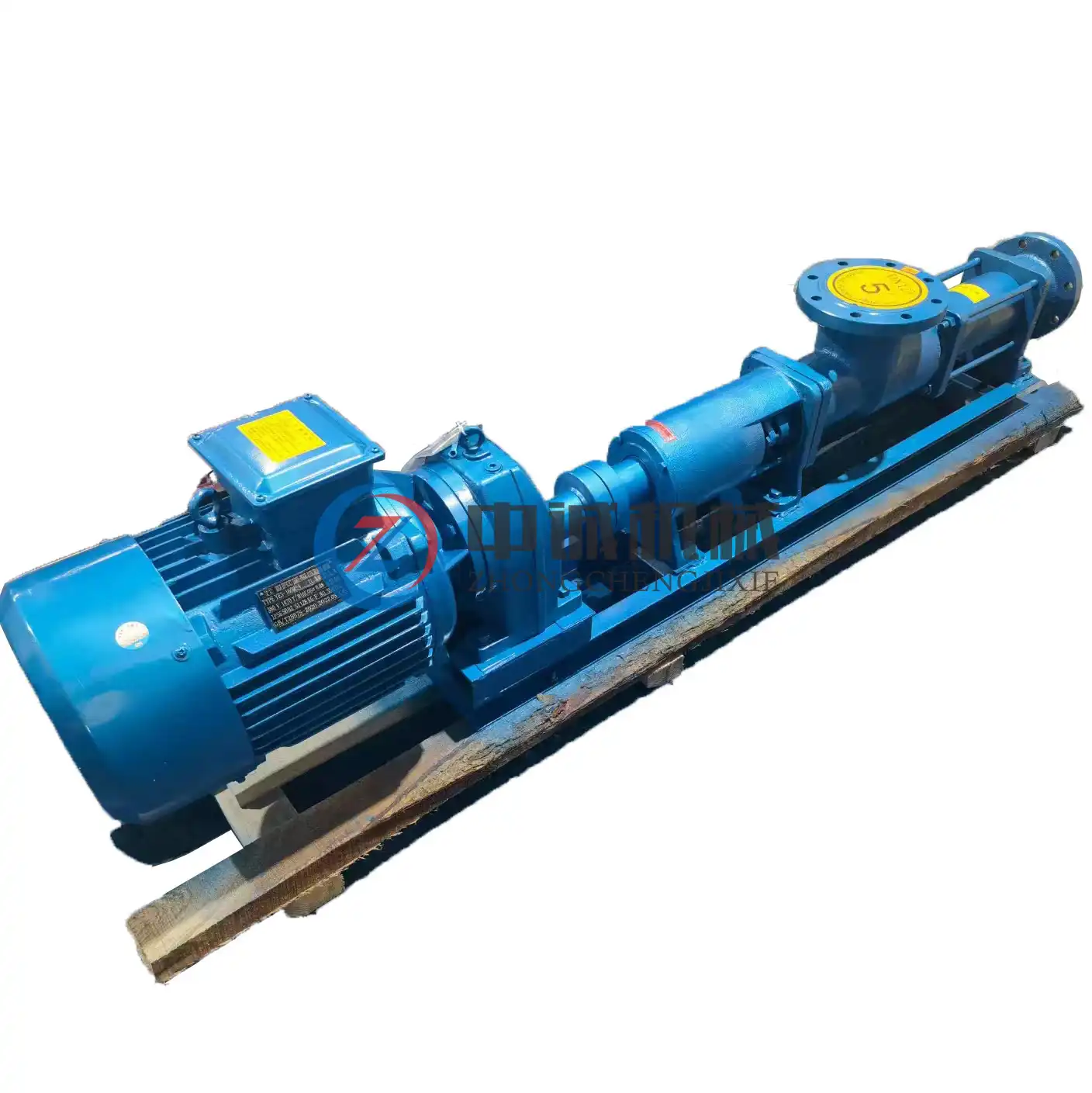
Understanding Screw Pumps and Their Role in High-Viscosity Fluid Handling
Not all pumps can handle thick media the same way. When viscosity goes up, a positive displacement rotary pump, especially one with a helical shape, works better than velocity-based equipment because of the way it is built.
How the Positive Displacement Mechanism Works
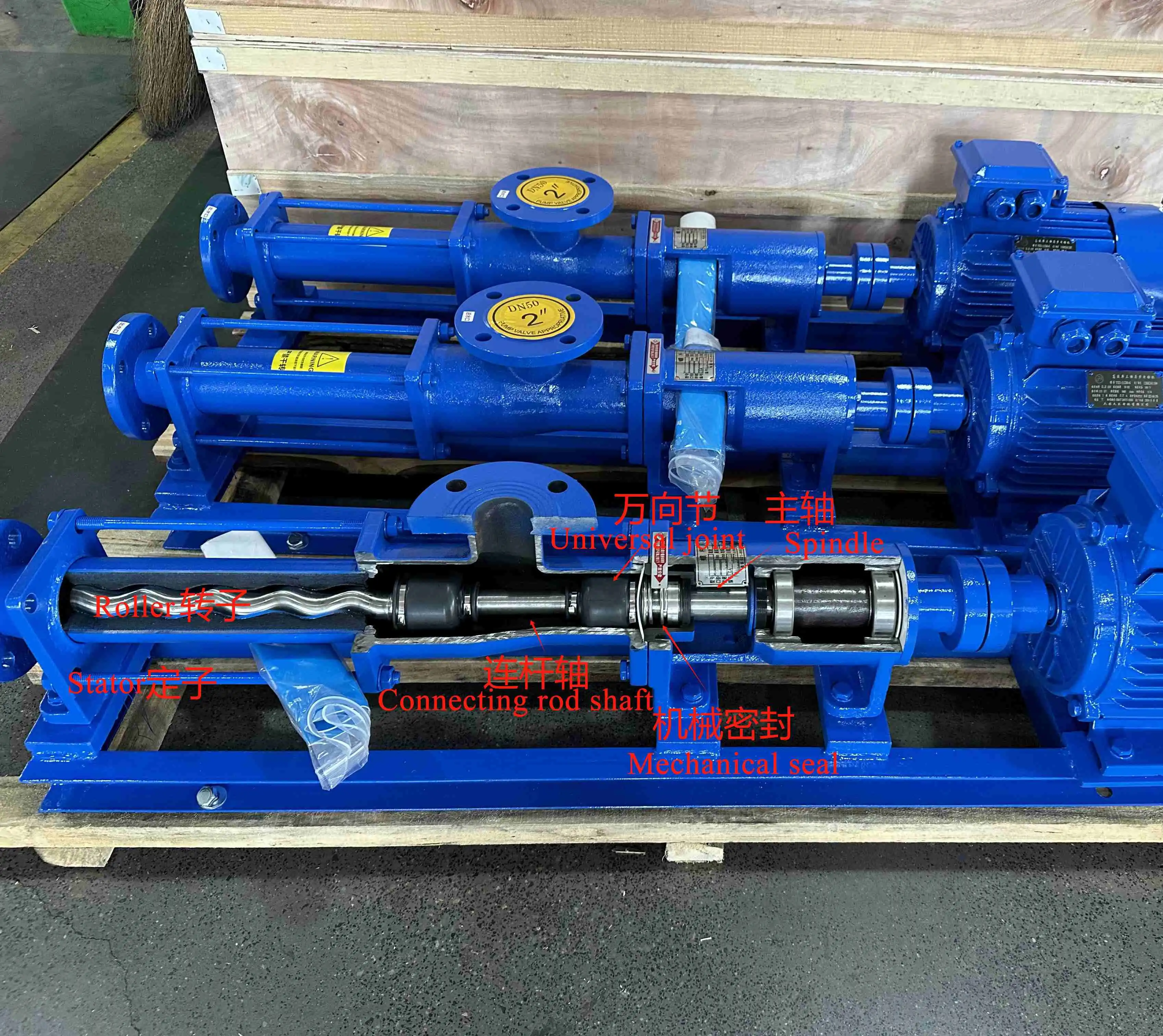
Helical rotors hold set amounts of fluid in sealed spaces and push them along the axis toward the release port. Flow is determined by the shape and speed of the rotor, not the speed of the fluid, so output stays the same even if viscosity changes. This is the main reason why progressive cavity and twin-screw units are commonly used to move slurry and dose chemicals in the field.
Types Available and Their Differences
Single-screw (progressive cavity) pumps work well with slurries that are sensitive to shear and rough. High pressures and mixed-phase fluids can be handled by twin-screw systems without losing prime. Hydraulic lube-oil systems often use triple-screw configurations. Each type meets different flow, pressure, and solids-content needs, so picking the right configuration before buying is very important.
Comparison With Other Pump Technologies
When the viscosity goes above about 200 cSt, centrifugal pumps lose their effectiveness very quickly. Gear pumps can handle thick oils, but they have trouble with rough particles. Lobe and diaphragm pumps are easier to work with, but they can only handle smaller pressures. In one box, screw-type units offer pressure tolerance, abrasive resistance, and smooth flow. This is why oilfield engineers choose them for jobs like slurry feeding and mud movement.
Performance Benefits of Screw Pumps for High-Viscosity Fluids
This technology has benefits in the real world that go beyond simple fluid movement. Screw Pump systems are popular in big businesses because they work well in these main ways.
- Non-pulsating flow output: Because fluid advances through sealed helical cavities, discharge is smooth and continuous. Downstream instrumentation, meters, and injection systems receive steady pressure, which reduces measurement error and protects sensitive equipment.
- Wide viscosity tolerance: These pumps handle media from 1 cSt water-thin fluids all the way to 1,000,000 cSt heavy pastes without requiring pump changes or major reconfiguration, according to API 676 performance benchmarks.
- Low shear transfer: The slow, gentle axial movement of fluid avoids mechanical breakdown of the medium. This matters in polymer mud, emulsified drilling fluids, and food-grade products where preserving molecular structure is part of the process specification.
- Self-priming capability: Most screw-type units achieve suction lifts of up to 8 meters, which simplifies pit-side installation on drilling rigs and reduces suction-line engineering costs.
These benefits immediately lead to less fluid loss, more accurate dosing, and less wear on tools further down the line. Consistently putting slurry into centrifuges or desanders in oilfield solid control systems improves the accuracy of separation and saves the mud circulation system as a whole.
Design Principles and Maintenance Tips to Maximize Screw Pump Performance
Operators can keep these units going at full capacity during a drilling campaign or building project by understanding how they are built on the inside.
Rotor and Stator Geometry
The volumetric efficiency is set by how well the rotor and stator fit together. Tighter space increases output, but it speeds up wear when abrasive objects are present. When the fluid carries sand or fine cuttings, rotors that are hardened chrome or coated with tungsten last a lot longer.
Material Selection for Abrasive and Corrosive Media
Parts that get wet and are exposed to drilling fluids or acidic chemical streams need metals or coverings that don't rust. Stator elastomers need to match the chemical makeup of the fluid. For example, nitrile works well with media that are based on oil, while EPDM can handle chemical slurries that are based on water. In the field, mismatched materials are the main reason why rotor failures happen too soon.
Routine Maintenance Schedule
Every 2,000 to 4,000 hours of use, Screw Pump seals and bearings should be checked. During yearly shutdowns, the clearance between the rotor and the stator should be checked to make sure that the volumetric efficiency has not decreased. If you run a progressive cavity unit without any fluid, even for a short time, the stator will break because fluid is the only thing that keeps the moving parts smooth. Putting in dry-run protection monitors is a simple, low-cost thing that can help you avoid costly repair processes.
How to Choose the Right Screw Pump for Your High-Viscosity Fluid Application?
When choosing a unit, it's important to match the pump's capabilities to the process conditions instead of just going with the cheapest one.
Assess Fluid Characteristics First
Before asking for a quote, check the density, gritty particle content, temperature range, and chemical make-up. At 80°C, a fluid with 5% sand by volume needs different rotor coatings and rubber grades than a clean polymer slurry at room temperature. Giving the maker correct fluid data stops the wrong application.
Match Design Type to Process Requirements
When the pressure is modest, single-screw progressive cavity units work best for slurries that are sensitive to shear and have a lot of solids in them. Twin-screw designs work well in high-pressure, multiphase, or gas-entrained situations that are common in oil production. Because the link between shaft speed and flow rate is constant, variable-speed drives are a good way to control chemical injections that need to be precise in terms of volume.
Customization and Supplier Qualification
A good Screw Pump supplier should offer different types of materials, different sizes for the inlet and outlet, motors that work with the power standards in the area, and documentation packages that include engineering drawings and maintenance guides. Independent third-party approvals like BV and TÜV, along with ISO 9001 certification, are common requirements for getting qualified to do business in the oil and gas sector.
Case Studies and Industry Applications Demonstrating Screw Pump Benefits
Proven field success in a number of different businesses shows that the design always works.
For controlling solids in the oilfield, progressive cavity units slowly and steadily feed slurry into centrifuges. This texture makes centrifuge separation work better and lowers the loss of barite in weighted muds. Operators of the ZJ50 and ZJ70 drilling rigs say that they used less mud after switching from centrifugal charge pumps to positive displacement rotary units for feeding.
The technology used in wastewater and sludge treatment plants keeps thick biosolids moving through washing presses without getting stuck. The gentle transfer action keeps the structure of the flocs whole, which makes the cake drier and uses less polymer.
Hygienic-grade screw units can handle syrups, emulsions, and thick mixes without the risk of pollution in chemical processing and food production. The lack of turbulence and slow spinning speed protect the purity of the product from the tank to the filling line.
Conclusion
A Screw Pump is good for moving fluids that have high viscosity, rough solids, shear sensitivity, or the need for measured flow. Other pump types aren't as good at these problems. Its positive displacement design gives steady, measured output across a wide range of media, and its internal structure is pretty simple, so you can plan for how much it will cost to maintain over time. The technology cuts down on fluid waste, saves equipment further down the line, and keeps production going without any unexpected stops for drilling contractors, sludge treatment operators, and chemical processors. The fastest way to get those results is to choose the right setup and provider from the start.
FAQ
Can a screw pump run dry?
It's not true. The fluid between the rotor and stator keeps them moving smoothly. It only takes a short time for the stator to fail during a dry run. As a safety measure, dry-run protection devices are always used in oilfield settings.
How does viscosity affect pump performance?
In contrast to centrifugal pumps, the flow rate in a positive displacement rotating unit stays pretty much the same when the viscosity goes up. Because of internal friction, power use goes up, but output volume stays the same. This is why these units are good for moving sticky media.
What causes premature stator wear?
The two main reasons are using too much maximum pressure or speed and having a lot of sharp particles in the material. Hardened coatings on the rotors and the right choice of elastomer greatly reduce wear.
Is the pump suitable for precise dosing?
Yes. It works well for chemical injection and polymer doses because the shaft speed and release volume are related in a straight line. This is especially true when used with a variable-speed drive.
What are standard maintenance intervals?
Every 2,000 to 4,000 hours, rollers and seals should be checked. During yearly shutdowns, the space between the rotor and the stator should be checked.
Get a Custom Screw Pump Quote From ZHONGCHENGJIXIE
The ZC Screw Pump line is made by ZHONGCHENGJIXIE. It has capacities from 10 to 90 m³/h and inlet sizes from 80 to 200 mm. It is qualified to ISO 9001/14001/45001 and cleared by HSE, TÜV, and BV. As a direct manufacturer of Screw Pumps with more than 30 years of experience, we offer full customization, standard export packaging, and full technical documentation. It takes three days to ship in-stock items. You can talk about your application with us by emailing oliver@zcgukong.com or going to zcsolidscontrol.com.
References
1. Pumps & Systems Magazine, 2021 — "Positive Displacement Pump Selection for High-Viscosity Applications"
2. API Standard 676, Third Edition, 2009 — "Positive Displacement Pumps — Rotary"
3. World Pumps Journal, 2020 — "Progressive Cavity Pumps in Oilfield Slurry Transfer Operations"
4. Journal of Petroleum Technology (SPE), 2019 — "Drilling Fluid Management and Solid Control Equipment Performance"
5. Hydraulics & Pneumatics Magazine, 2022 — "Screw Pump Design Principles and Industrial Maintenance Best Practices"
6. Flow Control Magazine, 2021 — "Choosing the Right Pump Technology for Viscous and Abrasive Media in Process Industries"