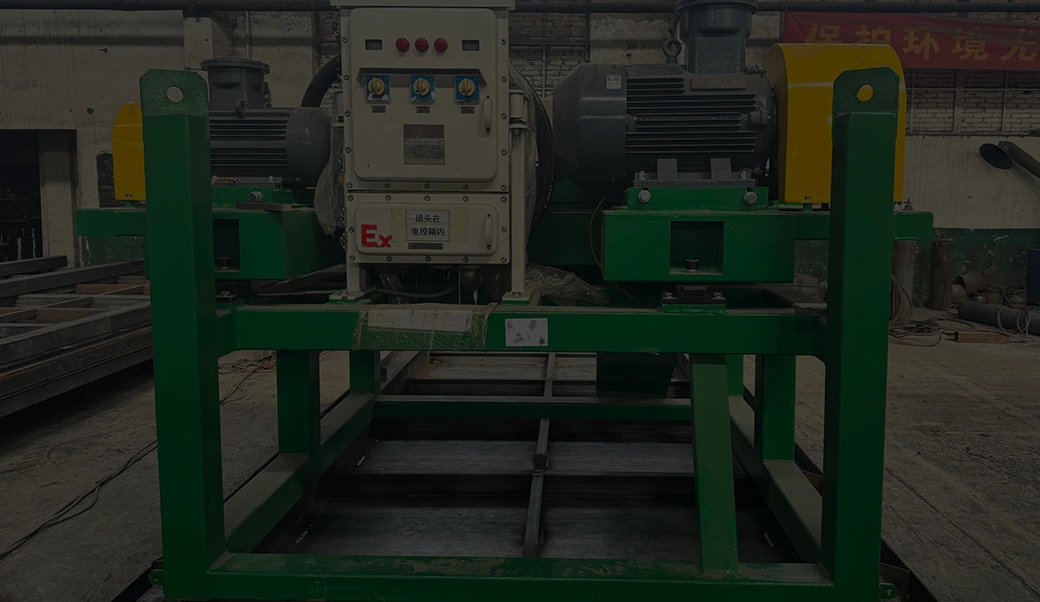
In a Pharmaceutical Dispensing Tank, businesses can get liquids, weigh them, mix them, and move them around without risk. It's filled with things that won't rust, sealed, stirred, and comes with tools to make sure that each batch is made the same way. It helps drug plants follow GMP rules and keep their goods clean. One more place where the controlled-dosing method is useful is for making sure that chemicals are used correctly. It talks about how these tanks work, where they can be used, how to choose one, and how ZHONGCHENGJIXIE can help you get one to mix and give chemicals in the fields.
What Is a Pharmaceutical Dispensing Tank and How Does It Work?
Definition and Core Purpose
Solids and liquids are put in, held, and mixed before being sent to the next step. This is what they should do: put drugs in tanks. Its main job is to keep things in order. Every batch is made the same way because each part is added by hand in the right amount and order. This stuff is used in drug plants as buffers, mouthwashes, excipient solutions, and to keep the steps used to make drugs clean. A lot of tanks don't give you this much power. You can keep people out of a serving box, clean the sides, and weigh the things that are inside. This turns a recipe into a list of steps that can be used again and again without having to guess.
Main Components
Most of them have a tank, sensors, a head unit, and a stirrer as their main parts. Under the legs are load cells that keep track of how much weight is on them. Level sensors make sure that the weight doesn't get too high. A very important kind of stainless steel that doesn't rust is 316L. A lot of medicinal models are made from this steel. You can also add a jacket that warms or cools. It won't get stuck if the bottom can be drained and there are valves that keep liquid out. A PLC keeps track of recipes and alarms. Each part does different things. There are no levels since there is a mixer here. The sensors keep things from going wrong, and the seal on the lid keeps things clean. People who want to buy something should not only ask how a part looks on paper, but also how well it fits their drink.
Dispensing, Mixing, and Storage Tanks Compared
These three kinds of vessels can be put into groups based on what they're used for. They can do the same thing together too. The Pharmaceutical Dispensing Tank's main job is to move things around, add things up correctly, and find out how much they weigh. This makes it useful for tasks that need to be perfect. A mixer in a mixing tank, on the other hand, makes the mixing go faster and smoother. It's used to melt, blend, mix, or break down different things. If you store things the right way, they will stay safe for a long time. Drug Dispensing Tanks can do more than one thing if they have the right agitators, load cells, and control valves. This is what the process needs. Before buying a Pharmaceutical Dispensing Tank, a person should write down what they need it for. After that, they should discover how much everything cost. This pick will affect what other tools are needed, how strong the structure needs to be, how much machinery is needed, and how the stirrer is made. To save money on tools, make sure the weights are right, the drugs are dispensed correctly, and the materials are easy to move. This can be done with the right Pharmaceutical Dispensing Tank. You don't have to pay extra for features you don't need if you set up your Pharmaceutical Dispensing Tank right. It can help you make drugs.
How Pharmaceutical Dispensing Tanks Support GMP Liquid Manufacturing
Hygienic Construction and Materials
The U.S. rule for finished drugs is 21 CFR Part 211. It says that surfaces of equipment can't react, add to, or soak up things in a way that changes the quality of the product. To fix this, tank builders use polished stainless steel, smooth welds, and forms that let water run away without leaving much room for waste. The things that bioprocessing equipment needs to do, like having a smooth surface and clean connections, must be in line with ASME BPE regulations. The materials used and how they were put together are written down so that auditors can see what was put into the ship. Vents with filters and lids that are closed keep the item being used and the person using it safe. These things make or break a cleaning check, no matter how small they seem.
Cleaning, CIP, SIP, and Validation
People are more likely to trust tanks that are clean. Most of the time, you throw the item away, rinse it, move the cleaning chemicals around, rinse it again with clean water, and then check it. For clean-in-place (CIP) to work, the temperature, time, spray area, flow, and chemical strength must all be just right. SIP, which stands for "steam-in-place," is sometimes used when a process is clean. The steam needs to be around 121 °C. To see how well the spray spreads, a riboflavin test is often carried out. This test will glow in UV light to show you what you forgot to clean. The order for certification is DQ, IQ, OQ, and PQ. Tests are also done at the plant and on the job site. As the FDA said in its process validation guidelines in 2011, written proof is important. A method must show results that are the same every time, not just one good batch.
Temperature Control and Agitation
How stable a solution is and how quickly powder comes off depend on the temperature and how well they are mixed. The chocolate will melt faster if you heat a batch in a jacketed jar with split or half-pipe channels. The food will stay safe if you let it cool down. When you mix something, you need to use a stirrer that is right for its viscosity, bubbling, solids, and shear sensitivity. Leaks and dirt often happen at the mechanical shaft seal. This seal is taken off by magnetic drives, which leaves the work clean. It's possible for both anchor and propeller types to handle loads that are heavier or bigger. The RTD temperature probes talk to the PLC, which tells the operators the real temperatures. This way, the operators don't have to guess. It is important that the mixer and jacket are the right size for the liquid so that each batch turns out the same. Also, the elements don't end up in dead spots.
Pharmaceutical Dispensing Tank Applications and the ZC Model for Oilfield Dosing
Applications in Drug Manufacturing
Drug plants use these pots for more than one step. For mouthwashes, people measure and mix things like sugar, drugs that work, and clean water. To work, INR and sterile lines need closed product tracks, sterile vent screens, and steam sterilization. When biologists and people who work on vaccines do their jobs, they often need to carefully shake things because too much force can weaken proteins. The same tank can be used to make filters and move fluid around as long as the right covers and materials are used. It doesn't make sense to buy one thing that can be used for all of them because their needs are different when it comes to texture, controlling foaming, and being sensitive to light or temperature. So that the first plan works better, the buyer needs to understand how the process works.
The ZC Dosing Tank
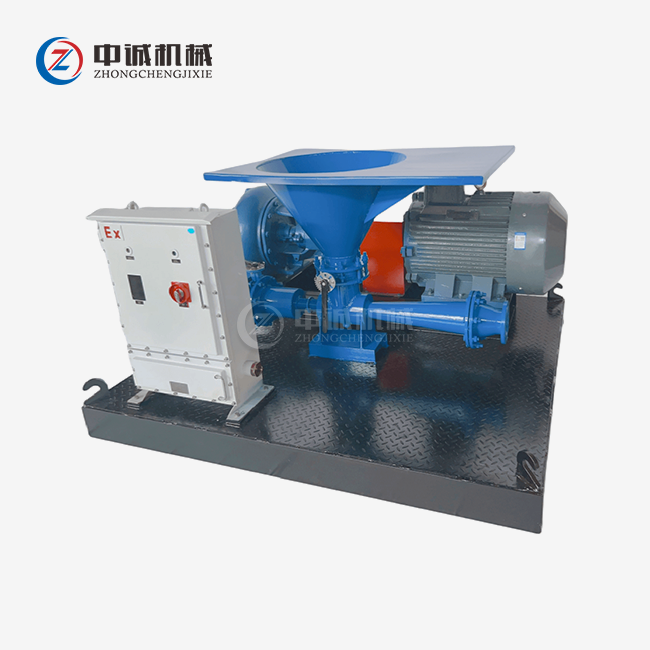
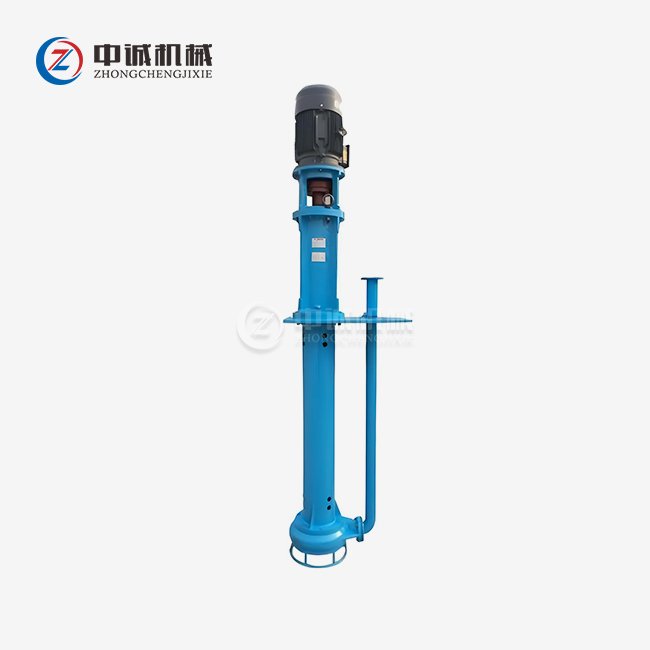
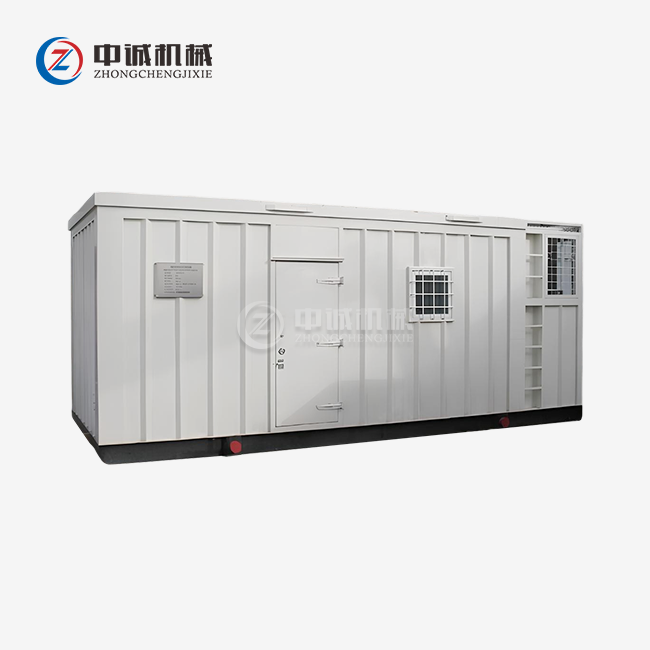
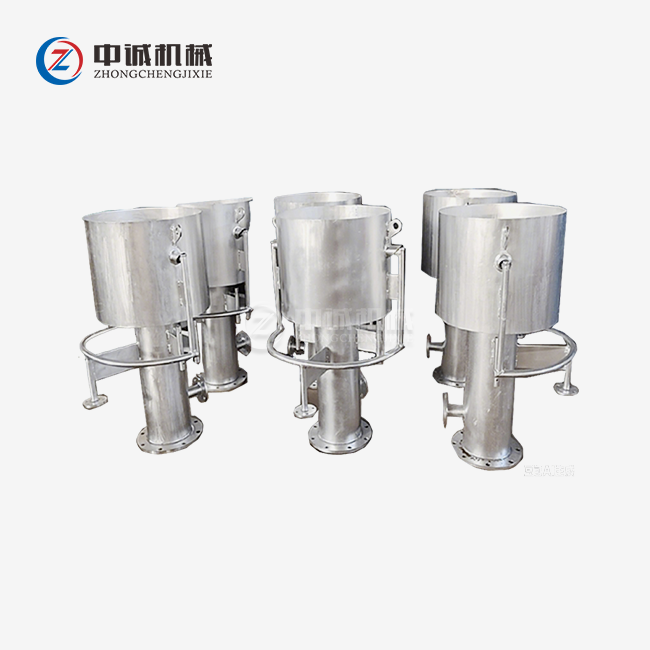
It is made so that our ZC Pharmaceutical Dispensing Tank can mix and hand out drugs that are used in the field. Water and dirt can't get in because it's sealed and won't rust. That's a good spot to keep tools for digging. There are a number of different types of products that don't rust that people can buy. These things keep the chemical inside the tank from mixing with the tank's body. It's stable, easy to use, and quick to fix. All you need are the parts that come with it. It is made to be easy to store things and get to them fast. You can change the size and shape to fit your needs. There are good control systems for the tank already set up since the centrifuges, shakers, and desanders all work. This keeps the chemicals steady and safe.
Drilling Mud and Wastewater Dosing
When chemicals are added to a dig site, the mud and waste water don't work the same way they used to. The ZC tank can clean up waste water and drilling mud near or far from the coast. The additives are added to the moving system at a set rate after being mixed well. It keeps the mud working the same way every time. It talks about how to test water-based drilling fluids in the field in API 13B-1. Test results are more likely to be correct if you always use the same amount of additives. With the lid on, the tank stays dry and clean when it's not being used. For rigs from ZJ30 to ZJ90, the best size and plan will depend on how they are set up.
How to Choose the Right Pharmaceutical Dispensing Tank
Capacity and Working Volume
Find the first book. Take care not to mix the working volume with the rest of the volume. A tank is less useful when it foams, has headspace, agitator clearance, and spray spread. A 1,000-liter jar might not hold that much in real life. Think about how big your batches will be in a few years and how big they are now. Find out how often teams can refill a rig's addition tank and how much it can hold before it needs to be refilled. You can use this to figure out how much to dose the area. You have to keep adding more and mixing if you set the level too low. Costs and space grow when you go too big. Quickly do some math with your engineer. In the long run, it will save you time.
Material and Instrumentation
What will be used, how it will be cleaned, and the area around it all affect the materials that are picked. This kind of stainless steel doesn't rust and is easy to clean. A lot of drug plants use it. Also, when chlorides or strong cleaners are present, it is often picked over 304 stainless steel. There are many anti-corrosion materials for oilfield chemicals at ZC Tanks, so customers can choose the right one for their chemical. Also, pick the right instrument. To follow recipes, load cells let you weigh things, and level sensors watch the amount to make sure it doesn't go over. Chems in the valve, gasket, and top must match those in the tank wall. Before you buy, make a list of the chemicals you need. This is how they'll be able to answer most of your important questions.
Supplier Evaluation and Documents
People who are good at selling write down what they mean when someone asks them a long question. Before you sign, you should look at the warranty terms, drawings, flowcharts, material certificates, and operation manuals. Weld records, testing certificates, and FAT and SAT processes are now part of food and drug projects. Make sure you look at the certifications too. Make sure the company has ISO 9001, ISO 14001, or ISO 45001. In the same way, environmental control is the same. You should also make sure that BV and TÜV have given their OK. Find out when the parts will be sent, if they are in stock, and who can help you get started. When an engineer works for the direct maker, they can often make quick changes to the design. This helps with the long wait times that come with having to buy things for work.
Why Buyers Work With ZHONGCHENGJIXIE and How to Maintain the Tank
Manufacturer Background
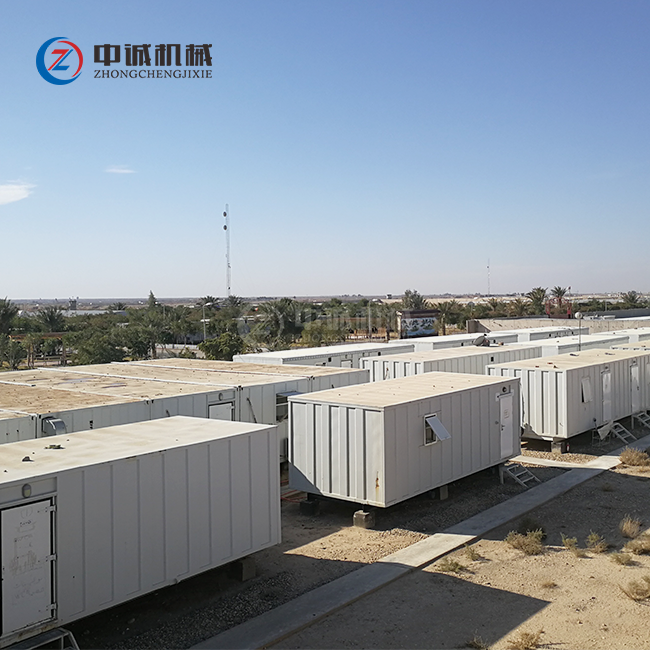
This is our Xingping plant in Xianyang. It is 6,300 square meters and opened in 2015. It is owned by the Shaanxi Xixian New District Zhongcheng Machinery Manufacturing Co., Ltd. Manufacturer of solid control systems, mud non-landing systems, sand removal systems, sludge drainage systems, and fracturing flowback fluid treatment systems for drilling rigs ZJ20 to ZJ90 and XJ350 to XJ750. These are the main things the company does. For a long time, the factory has been making things. Each year, they can now make up to 200 sets of oil machinery and mud treatment systems. The company is very good at making drilling equipment, but they can also make industrial equipment, like a Pharmaceutical Dispensing Tank, exactly how the customer wants it. The company has a lot of experience creating and making tools. They have more than 12 patents and have been in the business for more than 30 years. It also has ISO 9001, ISO 14001, BV, TÜV, and HSE approvals and certifications for the way it runs its business and makes its products. These skills help us build strong mechanical gadgets that work well. The business focuses on high-quality output, expert support, and meeting the needs of a wide range of industrial applications. This is true whether customers need help cleaning drilling fluids or a unique Pharmaceutical Dispensing Tank. Each Pharmaceutical Dispensing Tank project can be looked at based on what it will be used for, what equipment it needs, and how it needs to be run. This way, a good solution can be found.
Customization, Delivery, and Support
The best brands in the US and around the world make motors, sizes, and shapes just for you. This is because every drilling site is different. It only takes three days to send out most things that are in stock. It takes fifteen days for things that are made to order to get to you, though. Going to the ports in Tianjin and Shanghai is easy for us because we work with people who help us do it. As part of the expert support, you get training in the field, a one-year warranty, drawings, flowcharts, diagrams of parts and pieces, operation and maintenance guides, and more. As part of a bigger job to move mud, our service team can also plan to fill the tank. There will be a place for each dealer and EPC worker to keep their tools and papers.
Maintenance and Lifecycle Care
Dosing vessels won't go off as long as they are well taken care of. You should check the seals, gaskets, valves, connections, stirring parts, and connections every so often. There may also be rust in the joints and welds. Make sure that any load cells, temperature probes, or level monitors you use with drugs are always in good shape. It's easy for drift to mess up the quality of a lot. Things go wrong when seals wear out, the wrong agitator is used, or measurements are off because the pipe is stressed or shaking. Keep tanks in good shape that don't rust and are well protected, like the ZC tank. But there should still be spare parts, a way to clean, and trained workers on hand for the staff. Check records can help you find damage early on.
Conclusion
You have more control over how you handle liquids with a Pharmaceutical Dispensing Tank because it is sealed, made of materials that won't rust, portable, measures correctly, and has a smooth, clean surface. You can keep track of proof, make sure that every run is the same, and follow GMP rules when making drugs this way. This is also true when chemicals are spread out in the fields and mixed together. They stay dry and clean when the anti-corrosion tank is closed. They are then ready to be added in the right amount to treat drilling mud and wastewater. When you make a good choice, check the papers, certs, and delivery terms. Also, check that the chemical-safe materials and covers are used. The working volume should be kept separate from the total volume. Goodbye! Because it is checked and changed often, the accuracy stays high as long as the service does. The best place to start for any design that will work is still with clear process data from the customer.
FAQ
Why do pharmaceutical tanks often use 316L stainless steel?
316L also doesn't rust and doesn't have a lot of carbon, so it can handle many cleaning and processing liquids. The surface is smooth and easy to polish. It's easy to clean because there isn't much dust left over between stacks.
Why use a magnetic agitator?
The motorized shaft seal lets leaks and dirt in most of the time. An electric drive has taken away this seal. People who use the box and the thing they hold are both safe when it is closed all the way. Things that need to stay clean are often moved with it.
What is the difference between CIP and SIP?
Sprays and solutions are run over the thing by CIP to clean it without taking it apart. Clean steam from SIP, which is close to 121 °C, cleans the tank. This is the main reason why it is used: to make clean or sterile things.
Can the ZC tank be customized?
Yes. We have many types of items that won't rust, as well as full sets of tools and other items to meet your needs. Every order comes in a standard box, and there is full customer service after the sale. They can also look at the chemicals you mentioned and the way your site is set up.
Request a Pharmaceutical Dispensing Tank Quotation From ZHONGCHENGJIXIE
Ready to discuss a Pharmaceutical Dispensing Tank supplier for your drilling or dosing project? ZHONGCHENGJIXIE is a direct manufacturer with 30+ years of industry experience, patented designs, 3-day shipment for stocked products, and 15-day customized delivery. Send your chemical list, capacity, and rig type to oliver@zcgukong.com, or visit zcsolidscontrol.com for details. Our team will reply with drawings, a flowchart, and a clear quotation.
References
1. U.S. Food and Drug Administration, Title 21 CFR Part 211: Current Good Manufacturing Practice for Finished Pharmaceuticals, 2023
2. American Society of Mechanical Engineers, ASME BPE: Bioprocessing Equipment, 2022
3. U.S. Food and Drug Administration, Guidance for Industry: Process Validation: General Principles and Practices, 2011
4. European Commission, EudraLex Volume 4, Annex 1: Manufacture of Sterile Medicinal Products, 2022
5. International Society for Pharmaceutical Engineering, ISPE Baseline Guide Volume 5: Commissioning and Qualification, 2019
6. American Petroleum Institute, API Recommended Practice 13B-1: Recommended Practice for Field Testing Water-Based Drilling Fluids, 2019