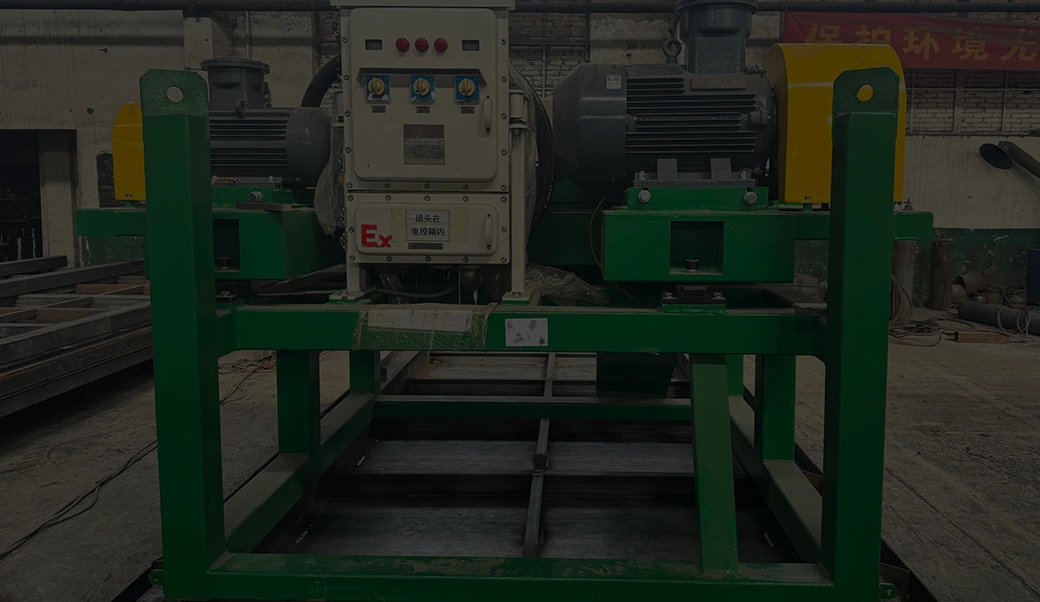
The tapered slot in polyurethane screen wedges helps release particles rather than trapping them, and the material resists abrasion, moisture, and corrosion. Solids that are too small to fit through the holes are carried by water, while oversize material moves across the surface. A Accessories/polyurethane-screen-wedge">Polyurethane Screen Wedge can also take impact, is quieter than steel, and can be replaced in modular pieces, which cuts down on maintenance stops. Still, slot width, feed rate, spray water, and deck angle affect the results. This guide was written for drilling contractors, oilfield service teams, mining crews, and piling companies that want to know plenty about the selection process before they ask for a quote.
Why Wet Screening Needs a Specialized Screen Wedge?
What Wet Conditions Do to a Screen Surface?
Water, small particles, and rough solids are all pushed across the deck at the same time by wet screening. That mix makes a lot of problems. Small, wet particles get stuck in square holes and make it impossible to see. Water and the chemicals in slurry are bad for steel because they make it rust and pit. Edges are worn down by sand, gravel, and quartz, which makes slots bigger and the cut point move. Also, when something is wet, it sticks to rough surfaces, which lowers its capacity. Most of these effects are felt by traditional wire mesh and rigid metal parts, especially when they are used all the time. That's because small drops in throughput add up quickly in plants that work around the clock. For wet duty, a screen surface must be able to hold its aperture size, not wear down, and shed solids.
Where Wet Screening Appears in Drilling and Construction?
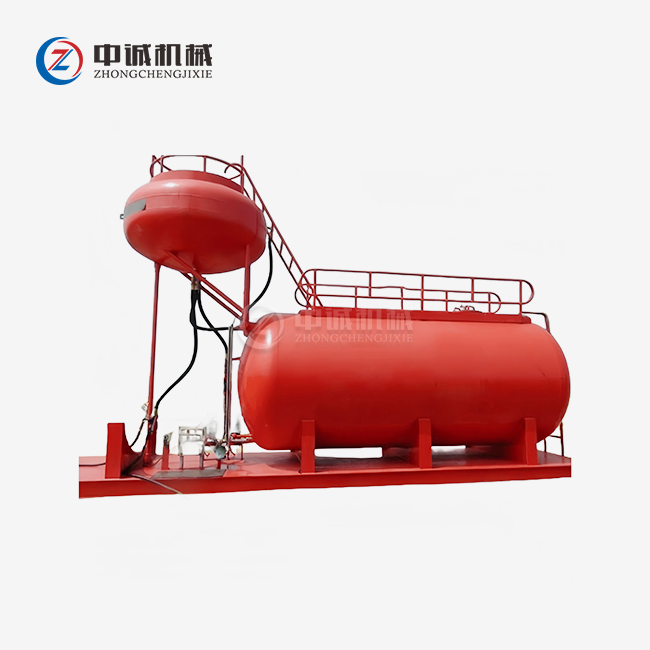
Wet screening isn't just used in quarries. Cuttings and sand are kept separate from the moving mud by drilling crews. Contractors who work on foundations and piles take sand out of the slurry before sending it back to the hole. Sludge dewatering lines remove water from solids before they are thrown away, which helps the environment. Geological surveyors and mining exploration teams deal with similar slurry streams every day, as do coal and aggregate plants that use spray-water screening. All of these jobs need a screening surface that can handle rough solids and drain water quickly. Our engineers are used to these kinds of wet separation issues because they build solid control systems, mud non-landing systems, construction piling sand removal systems, and sludge dewatering treatment systems every day.
How Polyurethane Screen Wedges Are Built?
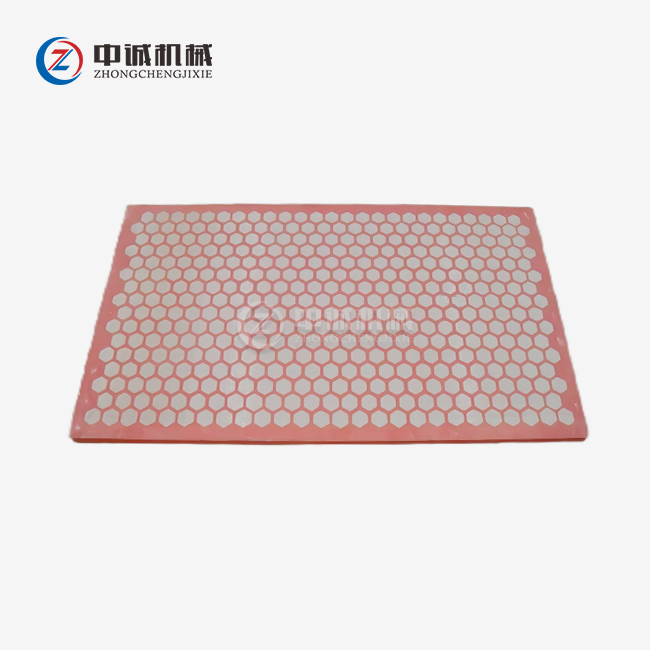
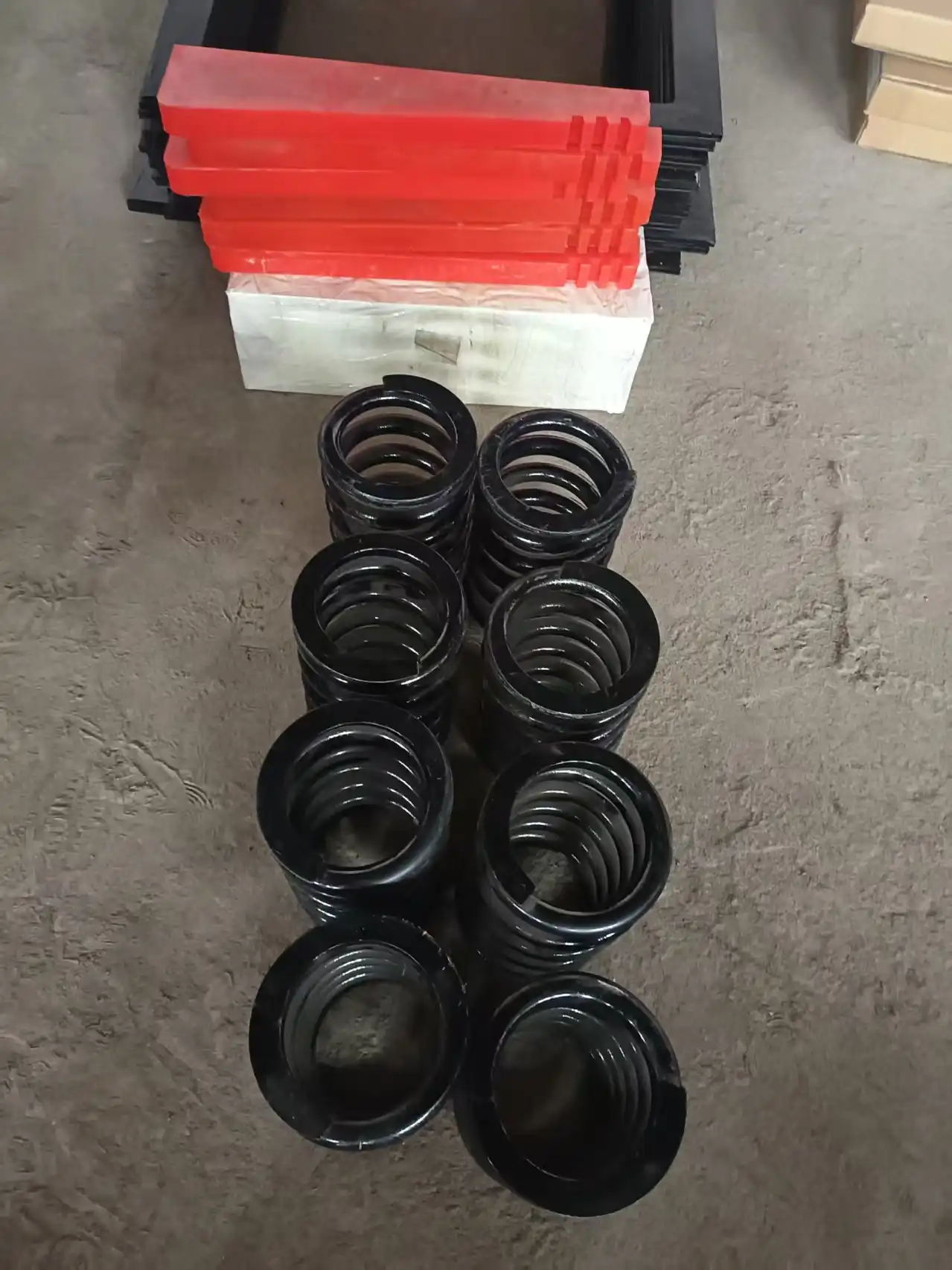
A Polyurethane Screen Wedge typically has a body made of molded polyurethane, a screening surface in the shape of a wedge, a precise slot, and a section for supporting or mounting. A continuous panel or deck is made by putting many wedges next to each other. The slot gets wider below the narrower part at the top. If a particle goes through the top opening and doesn't get stuck in the slot, the shape lets it keep falling. Shaped parts allow slot width and panel size to match a drawing for a certain screen model. Because it is modular, you can also replace a worn part without having to start over with the whole surface.
How a Polyurethane Screen Wedge Works and Why Its Material Fits?
The Flow Path Through a Tapered Slot
When wet screening, water moves particles that are too small through the slots, while particles that are too big move across the surface and leave at the discharge end. What happens depends on the amount of slurry, the deck angle, the flow direction, the width of the slot, and the vibrations. Compared to square mesh openings, the tapered profile makes it less likely for particles to get stuck because when a particle enters the slot, it meets more space below than above it. Still, the shape of the particles, the way the feed is spread out, and the concentration of solids all affect how well a slot works. A flaky, flat particle acts differently than a round one. I always tell buyers to be specific about the feed, because the same wedge can work differently with two slurries.
Material Properties That Handle Slurry
Polyurethane is wear-resistant, flexible, impact-absorbent, and does not readily absorb water, making Polyurethane Screen Wedge components suitable for handling sand, gravel, quartz, coal, and ore. It helps preserve aperture size over time while absorbing impact, reducing edge cracking and damage, and producing less noise than hard metal when struck. Unlike metal, it does not rust or pit, and it can resist water and many diluted process chemicals. Hardness is measured on the Shore scale, with ASTM D2240 describing the durometer test method. Ensure the formulation is appropriate for the application and compatible with oils, solvents, acids, alkalis, high temperatures, or abrasive slurry chemistry.
Benefits and Limits of Open Area
A polyurethane wedge deck can be better for wet screening because of smooth surfaces, controlled slot geometry and a high open area. These qualities help with drainage, flow and better separation. The slots are tapered to prevent clogging and the flexible material is quieter than steel. Wear and corrosion resistance can cut down on unplanned maintenance and modular pieces make replacement simpler. But the outcome is affected by the aperture selection, the feed rate, the spray water distribution, the vibration and the deck angle. “Bigger open space is not necessarily helpful. If it weakens the structure or moves the cut point the screen will not work as well and not last as long. Think about the open area, the strength and size of the separation your process requires.
Applications and Material Comparison
Equipment Compatibility
Polyurethane wedges can be made to fit linear-motion vibrating screens, dewatering screens, trommel screens, and other systems that aren't listed here. Compatibility with vibrating equipment depends on the size of the panels, the support beams, how the tensioning is set up, the vibration parameters, and the layout of the deck. When dewatering, the amount of water left in sand, aggregates, coal, or mineral products is affected by the deck's angle, the orientation of the slots, and how well they drain. Because they need to be able to rotate, hit, and replace panels, trommel may need different structural profiles. Common uses include making aggregate, washing sand, getting coal ready to use, processing minerals, treating wastewater, and recycling. You should send the equipment model and drawings early because the fit of a panel determines whether it works or not.
Polyurethane Versus Rubber, Stainless Steel, and Wire Mesh
It takes more than a price check to decide between polyurethane, rubber, stainless steel, and wire mesh. Polyurethane usually has a good balance of noise reduction, abrasion resistance, flexibility, dimensional stability, and corrosion resistance. Rubber might work well in some temperature or impact situations. Stainless steel can be rigid, able to withstand high temperatures, or good for keeping things clean. When it's dry, light-duty, or just for screening, wire mesh is a cheap option. But when it gets wet, it gets rusty, blinds, and gets hit more easily. Installing, shipping, labor, downtime, how often replacements are needed, and the cost per hour or ton processed are all things that you need to add up. A cheaper panel that needs to be changed more often may cost more per ton than one that lasts longer.
When Polyurethane Is Not the Best Fit?
Wet screening of sand, gravel, coal, aggregates, and mineral particles that needs to be rough is a good job for polyurethane, especially when corrosion, noise, blinding, replacing wire mesh, or modular maintenance are issues. There are times when a technical review is needed first. Some of these are high-temperature processes, harsh chemicals, solvents, extreme impact, very small holes with a lot of solids, applications that need special certification for cleanliness, and so on. Instead of picking based on material preference, I think you should share the whole operating environment. Formulation, hardness, aperture, dimensions, mounting, and support structure can all change how well something works in the field. Supplier data and trials can help you make the right choice.
Selection, Installation, and Verification
Specifications to Define Before Ordering
Before production starts, I ask buyers to agree to the following details.
-
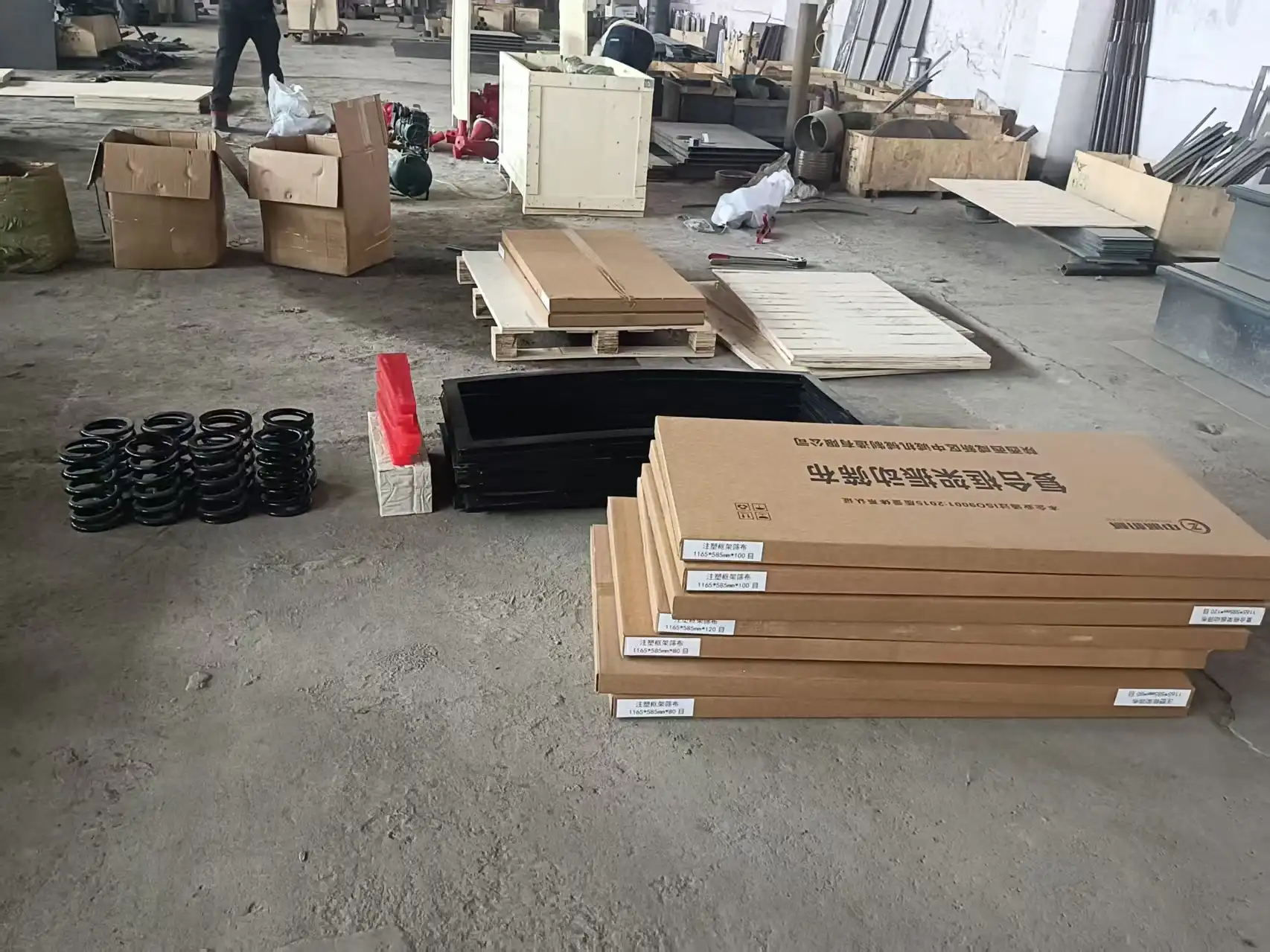
Equipment and fit: Identify what kind of screen (vibrating screen, dewatering screen, trommel, or custom unit). Include the equipment model, panel size, mounting method and support arrangement. Include a drawing, photo or worn sample so the replacement matches the existing deck, without forcing.
-
Material and process: Specify abrasiveness, moisture, density, particle shape, throughput and temperature. Note any oils, solvents, acids or alkalis in the slurry. These facts dictate the hardness and formulation of the polyurethane, allowing the wedge to withstand impact, abrasion and chemical exposure.
-
Screening target . Aperture width . Slot length . Opening shape . Tolerances . Orientation of slot . These values must be equal to your cut point without blinding or losing capacity. A slot too narrow will restrict flow and one too wide will permit oversize solids to pass.
These kinds of full details stop most specification mistakes before they get to the production floor.
Installation and Maintenance Steps
The service life of the deck depends on the quality of its installation. Before installing replacements, check the frame, support bars, tensioning system, fasteners, and adjacent panels for packed solids or damaged parts. Align each Polyurethane Screen Wedge correctly, ensuring it is properly supported and that material flows in the specified direction. Do not force-fit, over-tighten, or leave any section unsupported. Begin the first run with a light load and watch for movement or unusual vibration. Regularly monitor slot expansion, wear, tearing, deformation, blinding, capacity, moisture, and separation accuracy. Replace parts when wear causes the cut point to shift, leakage to occur, or operation to become unstable.
Verifying Performance with Measured Data
Evaluate the results of a wet screen by numbers, not just appearance. Useful information includes throughput, separation efficiency, product moisture, drainage rate, open area, blinding frequency, wear rate, service interval, noise and maintenance requirements. When comparing polyurethane with another surface, try to use the same feed, aperture, equipment and working conditions as far as possible. Do a baseline before the swap and watch the results for a long time because a short trial may not reveal what is really happening. Ask the supplier for data on hardness, size, chemical and temperature limits, as well as installation instructions, inspection records, and, if available, application references or test data.
Procurement Guide: Buying Polyurethane Screen Wedges from a Qualified Supplier
What to Include in a Quotation Request?
A detailed request stops specification mistakes, delays, and parts that don't work. Give the name and model of the equipment, the size of the screen, how it will be mounted, the size of the opening, the material that will be screened, whether it will be wet or dry, the feed rate, the operating temperature, the chemical exposure, the annual quantity, and the destination for delivery. For U.S. projects, tell the supplier where the site is and when it needs to be delivered so they can plan the freight. Less follow-up questions slow down the quote the more detailed the request is. I also think you should keep the part numbers from previous orders because they help you match the sizes when you buy them again.
How to Judge a Supplier?
Check if a supplier has experience with your application, controlled manufacturing, custom and OEM work, dimensional inspection, material traceability, export documentation, and technical support. Find out if they are certified in quality management. ISO 9001:2015 spells out the rules for a quality management system. The company ZHONGCHENGJIXIE got ISO9001, ISO14001, and ISO18001 certifications in 2019. We are a direct manufacturer with more than 12 patents and more than 30 years of experience in the field. Talking directly to the engineers who make the equipment cuts down on technical discussions, which is helpful for project-based purchases that take a long time to evaluate.
Bulk Orders and Delivery Planning
When purchasing in bulk or at a wholesale price make sure you know the minimum order quantity, lead time, production capacity, packaging, labelling, availability of spare parts and controls for repeat orders. Delivery speed impacts downtime. Inventory items are generally shipped within three days, while custom orders are shipped within fifteen days. We work with logistics partners and can easily access the ports of Tianjin and Shanghai. Our service team can also provide drawings, flow charts, operation and maintenance manuals and training of the industry. In addition, we provide one year warranty. Don’t just compare quotes on unit price, compare on specifications, consistency, delivery, support and total cost.
Conclusion
Polyurethane screen wedges are good for wet screening as they are resistant to wear and tear, moisture and corrosion. The modular pieces make it easier to replace them. Hence the reason why fit and process data become more important than material alone. Performance is still affected by slot width, open area, feed rate, spray water and deck angle. Polyurethane offers the best combination of noise reduction, wear life and corrosion resistance compared to rubber, stainless steel and wire mesh. But it must be looked at more closely under high temperatures, harsh chemicals and heavy impact. A wedge deck has to be properly specified, properly installed and compared to a baseline to see if it’s worth the money. The cost per hour or per ton is more important than the price paid for the machine.
FAQ
Are polyurethane screen wedges suitable for abrasive wet screening?
Yes. They are often used for sand, gravel, coal, and aggregate because they don't wear down easily or rust. Check that the recipe for your slurry is correct.
How long does a Polyurethane Screen Wedge last?
Service life isn’t set in stone. It is determined by abrasivity, impact, throughput, aperture size, formulation, installation and maintenance. Establish a baseline for wear monitoring.
Can they handle oils, solvents, or high temperatures?
Each formulation has a different resistance . Tell us about the acids, alkalis, solvents, oils and temperature range so we can review the application again before we start to make it.
Do they fit trommels and dewatering screens?
They can be built to work with vibrating, dewatering, trommel, and other equipment. Compatibility depends on the size, how it is mounted, how it is supported, and how it is used.
What should I send for a replacement order?
Please send information on the equipment including drawings, photos, samples, part numbers, aperture requirements, quantity and delivery information.
Request a Polyurethane Screen Wedge Recommendation or Quotation
Send ZHONGCHENGJIXIE an email at oliver@zcgukong.com with your equipment model, aperture, screened material, and quantity. Our engineers will look over your Polyurethane Screen Wedge supplier needs. As a direct manufacturer, we offer custom sizes, drawings, manuals, training, and a warranty that lasts for one year. Items that are in stock usually get shipped within three days, and custom orders get delivered in fifteen days at most. For more information, go to zcsolidscontrol.com.
References
1. Wills' Mineral Processing Technology, 2016
2. SME Mining Engineering Handbook, 2011
3. Perry's Chemical Engineers' Handbook, 2008
4. Drilling Fluids Processing Handbook, 2005
5. ASTM D2240 Standard Test Method for Rubber Property—Durometer Hardness, 2015
6. ISO 9001 Quality Management Systems—Requirements, 2015