To select living quarters for offshore oil and gas projects, start with the host facility, crew size, and environmental load. Then match a Living Quarter (LQ) design to your fire, blast, structural, and lifting requirements. Verify certificates and test records before production starts, compare suppliers with a weighted scorecard, and plan transport, installation, and upkeep early. I treat price as one factor among several, because a low-cost unit that fails inspection costs far more than a well-specified module. This guide walks through each step in order, so your team can decide with confidence.
Define the Offshore Living Quarters Project Requirements and Design Criteria
Start With the Host Facility and Crew Profile
The facility is where all choices begin. What kind of drilling unit, platform, FPSO, or ship is being bought? Where can I find it? What is the most people that can be on board? There should be peak times in that count, like when something is being set up or taken down. Sharing bunks changes the number of rooms that need to be cleaned and the amount of work that needs to be done.
The following is a list of the ship's rooms, bathrooms, kitchen, dining room, offices, medical room, fun things to do, washing, storage, and ways to leave the ship. Write down the elements, like salt spray, humidity, shaking, temperature range, dangerous areas, and hard-to-reach lifting spots. The EPC contractor and the operator are given a simple requirements matrix to look over before any layout is made. This helps them agree on the ship's capacity, deck space, and room for future growth. It costs less to make changes now than after the item has been made.
Set Technical Design Criteria for LQ Modules
It depends on technical factors whether a part works well in another country. The shape of the structure depends on its size, weight, lifting points, center of gravity, and loads that need to be moved. The next part is services, which include air conditioning, electricity, water that can be drunk, drainage, garbage, communications, backup power, and emergency power.
For every project, flame, gas, blast, smoke, fire, suppression, exit paths, and emergency stop interfaces need to be looked at. A lot of people who work on overseas production sites use ISO 13702 as a guide to stop and lessen fires and blasts. In the RFQ, list these needs for the remote Living Quarter (LQ) unit. Then, ask the seller for approved numbers, plans for the equipment, drawings of how it will work with other things, and performance data. The gap will probably get bigger during the design review if the supplier can't get these documents to you early on.
Choose an Interior Layout That Supports the Crew
Layout should not only count beds, but also think about how many crew members there are, how long each rotation lasts, and what the crew needs to be healthy. You can sleep better in a single cabin during long rotations, save more space in a twin cabin during shorter rotations, and get a short-term high in a multi-occupancy room. Check out the desk space, storage, privacy, lighting, and sound control in each option.
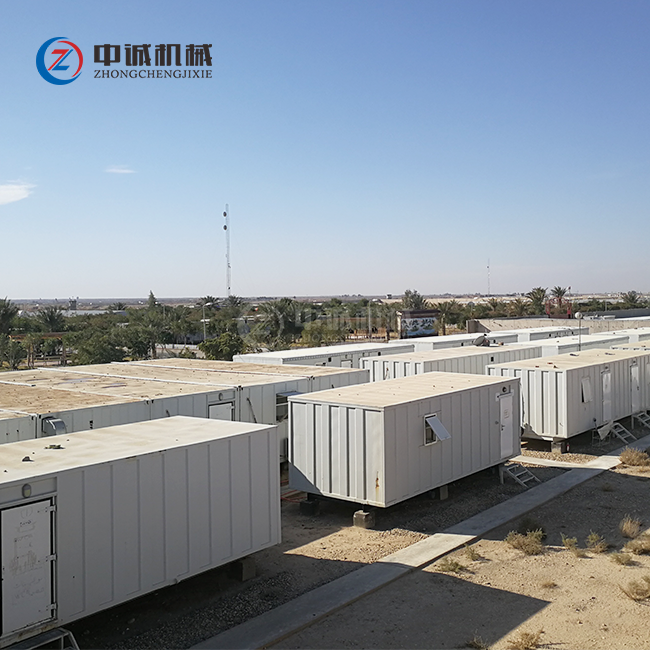
With modular planning, you can put together an island kitchen, bathrooms, eating rooms, laundry rooms, medical rooms, offices, exercise rooms, and training rooms in a way that works for the deck. It's also important to have safety features like non-slip floors, handrails, protected edges, clear emergency access in bad weather, and it being easy to find your way around. Crews don't get tired between jobs when they have good rooms to keep them busy and help keep things clean. The ZC Living Quarter (LQ) is a modular building for oilfield sites that has a living area and a work area all in one unit. The rooms are cozy because they keep out heat and noise.
Verify Compliance and Compare Offshore Living Quarters Suppliers
Check Standards, Certificates, and Test Records
Before you start making something, make sure it follows the rules. BSEE's rules under 30 CFR Part 250 and U.S. regulations. From time to time, the project may need the Coast Guard for places on the outer continental shelf in U.S. waters. Besides that, they may have flag-state rules, SOLAS, the MODU Code, ISO and IEC standards, ATEX or IECEx, and the client's technical design.
Do not mix up the papers. You can't go back and forth between type-test results, project calculations, factory acceptance records, and inspection papers from a third party. Check the proof for sound, heat, fire, blast, structure, HVAC, and watertightness. The materials that can be tracked, the welders' credentials, the coating systems, the calibration records, the non-conformance procedures, and the inspection and test plans should all be looked over.
Compare Standard, Semi-Custom, Custom, and Used Options
There are several types of offshore homes. Building standard prefab Living Quarter (LQ)s for oil and gas workers speeds up the building process and makes it easier to run campaigns more than once. When it comes to cost and flexibility, semi-custom designs are often the best choice. This is because the supplier can change the layout, size, or finish of a base that has already been used.
It takes longer to build and get accepted for fully designed blocks to fit bases or ships that are more difficult. It might look like a good deal to buy used or refurbished modules, but they come with risks, such as missing paperwork, a history of certification problems, or building wear and tear. Make sure that they work with the project at hand. Pick the choice that works best for your lead time, the risk of not getting certified, and how many times you plan to move the unit. People who want to buy the ZC Living Quarter (LQ) can start with a heavy steel building and change the plan to suit their needs.
Score Suppliers on Evidence, Not Promises
With a weighted scorecard, everyone is on the same page about buying, building, health and safety, management, and making money. Get offshore references, engineering skills, the ability to make things, experience working in dangerous places, international shipping, quality systems, financial security, a guarantee, spare parts, and help from experts. The most important things to look at are compliance and technical facts. The next step should be delivery and lifecycle support.
Once you have a list of possible overseas Living Quarter (LQ) providers, ask for names of past clients that you can call and look at inspection plans and drawings from those projects. It's faster to talk to a direct manufacturer with in-house engineering when changes are made to the design in the middle of a project. ZHONGCHENGJIXIE lets you buy straight from the plant. They offer training in the field, drawings, flowcharts, operation and maintenance guides, and a warranty that lasts for one year.
Plan Delivery, Maintenance, and Lifecycle Cost for Offshore Accommodation Modules
Plan Logistics, Installation, and Commissioning Early
It doesn't matter if the module meets the requirements; transportation plans will still be late. Check out the delivery time from the factory, the size of the modules, how they will be attached at sea, heavy-lift ships, crane capacity, customs paperwork, and weather windows. The people who work in interface engineering should check out things like deck penetrations, power, HVAC, drains, fire and gas systems, communications, and emergency shutdown links.
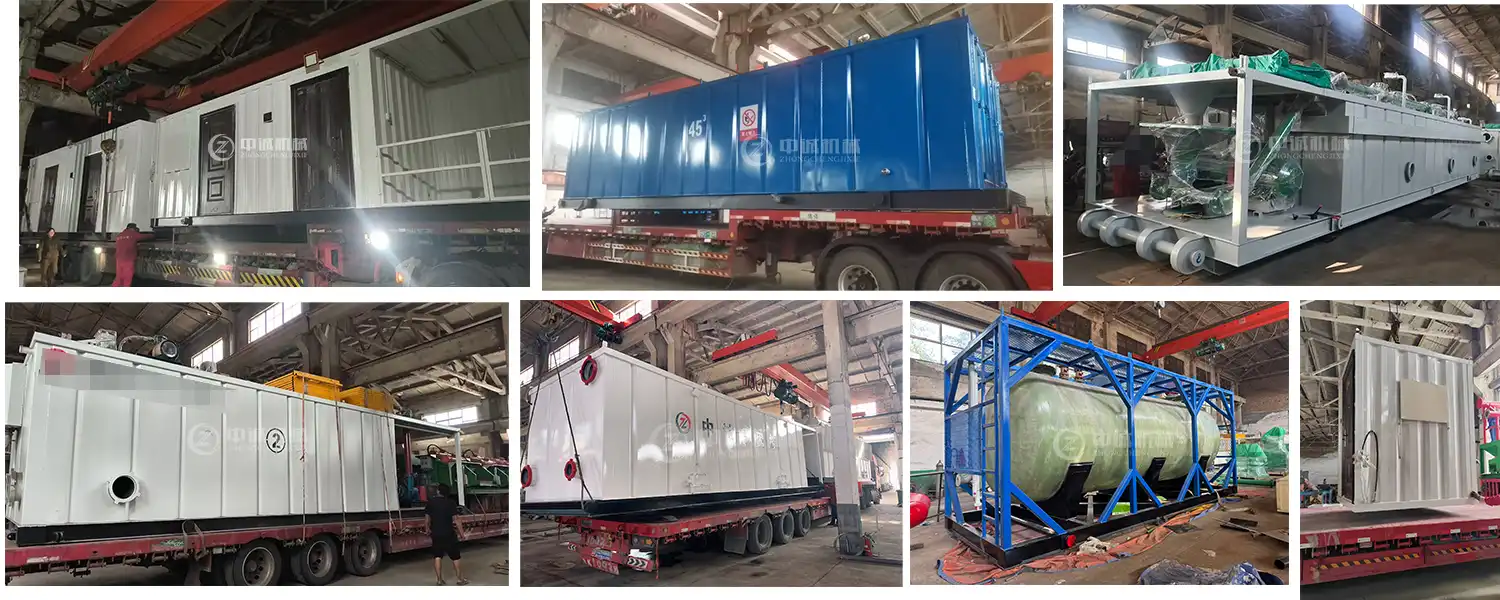
The provider should be told in writing what they need to do. This includes accepted plans, 3D models, load data, factory and site acceptance tests, help with setup, operator training, as-built papers, certificates, directions, and guarantee records. Items that are in stock are shipped within three days by ZHONGCHENGJIXIE, and special orders are typically delivered within fifteen days. It's simple to get to the ports in Tianjin and Shanghai. It is simple to put together, take apart, and move the ZC Living Quarter (LQ) because it is small and light.
Set Maintenance Routines That Protect the Module
When checks are done often, small issues are found before they stop a cycle. The doors, alarms, and emergency lights are checked every day. Every month, the lines, HVAC screens, airflow, and power switches are all checked. The condition of the coating, the corrosion at the joints, the fire-rated parts, and the lifting points are all checked once a year.
Picking the right material and coating is important. Check them for marine corrosion, condensation, how easy they are to clean, and how simple it is to fix them. Ask the supplier for a list of spare parts and how long it will take to get them when you ask for a quote. The person in charge of repairs should be able to change common parts without having to shut down the whole system. The ZC Living Quarter (LQ) is made of strong, weatherproof materials that can stand up to wind, rain, heat, and cold. This means it can be used outside for a long time.
Calculate Total Cost of Ownership
It only takes one line in the budget to buy something. There are many costs that come with owning something, such as engineering, licensing, shipping, installation, energy use, maintenance, spare parts, downtime, moving, and shutting down. More often than not, a cheaper unit that needs to be fixed a lot or that needs pricey changes to make it compliant is not a good deal.
When temperature efficiency is better, the HVAC load goes down. This changes how much energy is used. To move to a different field, the cost is based on how simple it is to take the rig apart. When you add in moving and service costs, the difference between your top two bids' prices often changes. That's why you should compare their prices for more than one year. The ZC Living Quarter (LQ) is easy to move and put together because it is made of heavy steel. When you set up and switch between ads, this helps keep costs low.
Match Living Quarters to Project Scenarios and Avoid Costly Mistakes
Match the Configuration to the Project Type
Short-term building or digging jobs, like standard units that are easy to move and have enough room for people to sleep. Better sound and temperature control, one or two bedrooms, leisure areas, medical rooms, extra utilities, and finishes that will last are all things that long-term production lines need.
For projects that will be done in harsh environments, extra insulation, protection against corrosion, backup power, good communication, and strong support from experts are all important. For offshore wind projects and marine projects with multiple clients, layouts that are adaptable enough to allow for changing crews, contractors, offices, and dining areas during multiple deployments are very helpful. There are different modules that make up the ZC Living Quarter (LQ). It can be used for living and office support during rough field operations and global gas drills. It fits the plan for oilfield solid control sites. For installations in other countries, please let our experts know what your class, fire, and blast standards are. This way, they can make sure that the right configuration is made.
Avoid the Common Selection Mistakes
You're wrong to think of remote Living Quarter (LQ) modules as RVs or trailers with living quarters on wheels. There are standards for marine structural, fire, blast, corrosion, lifting, hazardous-area, and licensing that offshore units must meet. However, leisure goods never have to meet these standards.
You might have to deal with failed inspections, redesigns, retrofits, and delays if you only look at price. Not noticing the boundaries of the crane and the deck, not having utility connections, and not planning for spare parts and service are some other common problems. A single technical-commercial review that looks at things like compliance, installation, lifecycle cost, and supplier responsibility can help you avoid most of these issues. Engineering and purchasing should look over each bid together, as they may find different issues.
Use This Procurement Checklist Before You Sign
- Project definition: Write down the type of building, where it is, how many people are using it, the room plan, the weather, the size, the weight, the lifting data, and the need for expansion. Give this package to everyone who wants to bid so that all of their bids are based on the same standards. All bids will be treated the same, as any price differences will be based on real differences in the design and not on holes in the brief.
- Technical review: Look at the building's fire and blast safety, its heating and electricity systems, its classification of dangerous areas, its structural formulas, relevant standards, certificates, quality plans, and ways of inspecting it. It is important to get engineering to sign off on each item. If the plan changes after the first review, you should ask for new papers. Keep track of each signature so you can always find the reason that was agreed upon.
- Commercial review: Look at the supplier's references, production capacity, delivery schedule, logistics, who is in charge of installation, warranty, spare parts, service after the sale, and the total cost of ownership. Then, look at these against the scorecard and write down any differences. This way, the contract will match what the supplier agreed to give. Make sure you know in writing who is in charge of installation and starting up on the site.
Teams that do all three checks often find gaps in the scope before they become change orders.
Conclusion
The best way to pick living rooms for a Living Quarter (LQ) on an oil and gas project in the ocean is to write down your options. First, make a list of the host facility, the crew, the room hours, and the atmosphere. Then, make technical rules for the building's structure, utilities, and fire and blast safety. Finally, choose a layout for the inside that gives the crew a chance to rest. Look at the standards, certificates, and test records, and then compare the options that are standard, semi-custom, custom, and used. Last, give each provider a score based on the proof they give you. Plan ahead for transfer, installation, start-up, upkeep, and the total cost of ownership as soon as possible. Also, make sure that the setup works with the project. The biggest mistake people make is to think of overseas units as trailers that they can drive on the road. A criteria-based review cuts down on redesign, approval delays, and costs over the end of the product's life.
FAQ
What does LQ mean in offshore projects?
What Living Quarter (LQ) stands for is a living quarter. It's the designed housing module that people live in on FPSOs, drilling rigs, and other faraway ports. It generally has rooms for sleeping, bathrooms, kitchens, workplaces, and a place for medical care.
How do offshore modules differ from living quarter trailers or RVs?
When it comes to marine structural, fire, blast, corrosion, lifting, dangerous-area, and certification, offshore modules need to meet certain standards. That's not how RVs and leisure trailers are designed to work, so they can't be used instead.
What should an RFQ include?
Tell us where the project is going to be done, what kind of building it is, the room schedule, the weather, the rules that apply, what needs to be done in dangerous areas, the size of the installation, the paperwork, the terms of the guarantee, and the requirements for acceptance. You can directly compare the quotes you get after submitting an RFQ.
How fast can ZHONGCHENGJIXIE deliver?
Three days are needed to send out things that are in stock, and fifteen days are needed to serve custom orders. The exact time depends on how things are set up, and our team makes sure of the plan when we give you a quote.
Request a ZHONGCHENGJIXIE Living Quarter (LQ) Proposal for Your Offshore Project
At oliver@zcgukong.com, tell ZHONGCHENGJIXIE where your project is, what kind of building it is, how many people are working on it, when rooms are being used, the weather, and when it's due. We can give you layouts, specs, drawings, and delivery plans because we are the direct manufacturer of Living Quarter (LQ)s. We can also fully customize your order, send it straight from the factory, and offer a one-year guarantee. Our engineers will help you find the best ZC Living Quarter (LQ) for your site. You can learn more about our products at zcsolidscontrol.com.
References
1. International Maritime Organization, International Convention for the Safety of Life at Sea (SOLAS), Consolidated Edition, 2020
2. International Organization for Standardization, ISO 13702: Petroleum and Natural Gas Industries — Control and Mitigation of Fires and Explosions on Offshore Production Installations, 2015
3. Standards Norway, NORSOK S-001 Technical Safety, 2018
4. U.S. Government Publishing Office, Electronic Code of Federal Regulations, Title 30, Part 250 — Oil and Gas and Sulphur Operations in the Outer Continental Shelf, 2024
5. International Maritime Organization, Code for the Construction and Equipment of Mobile Offshore Drilling Units (2009 MODU Code), 2010
6. European Parliament and Council, Directive 2014/34/EU (ATEX) on Equipment and Protective Systems Intended for Use in Potentially Explosive Atmospheres, 2014