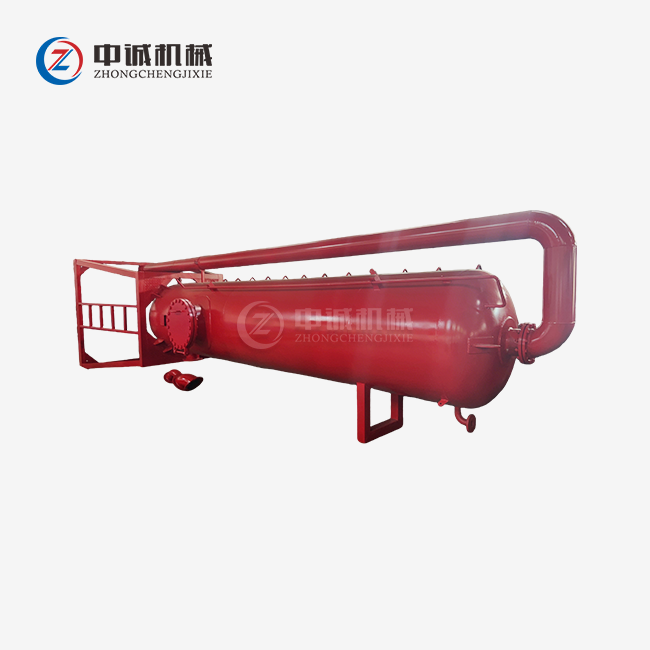
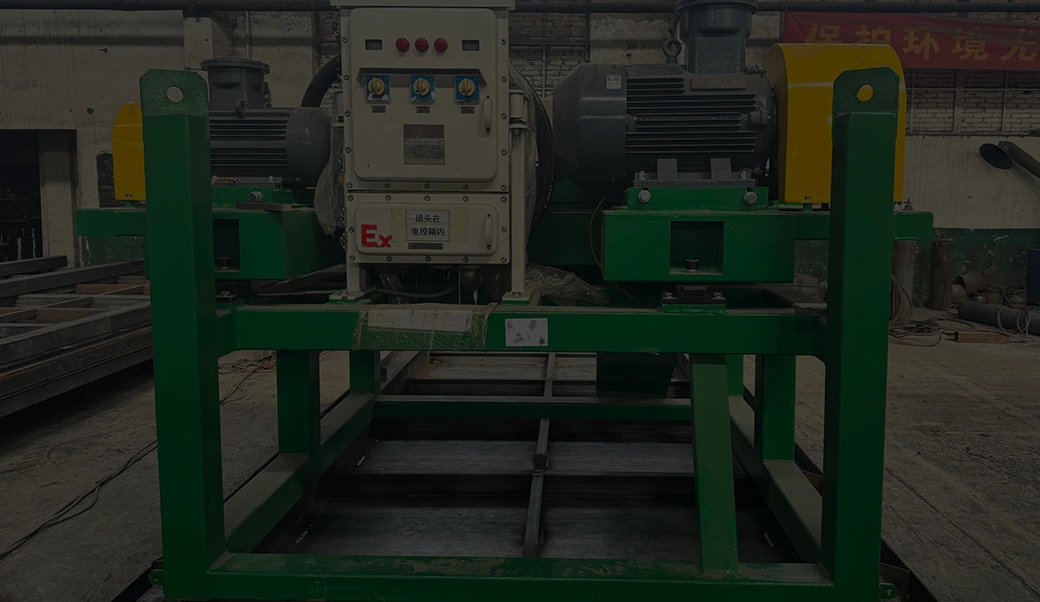
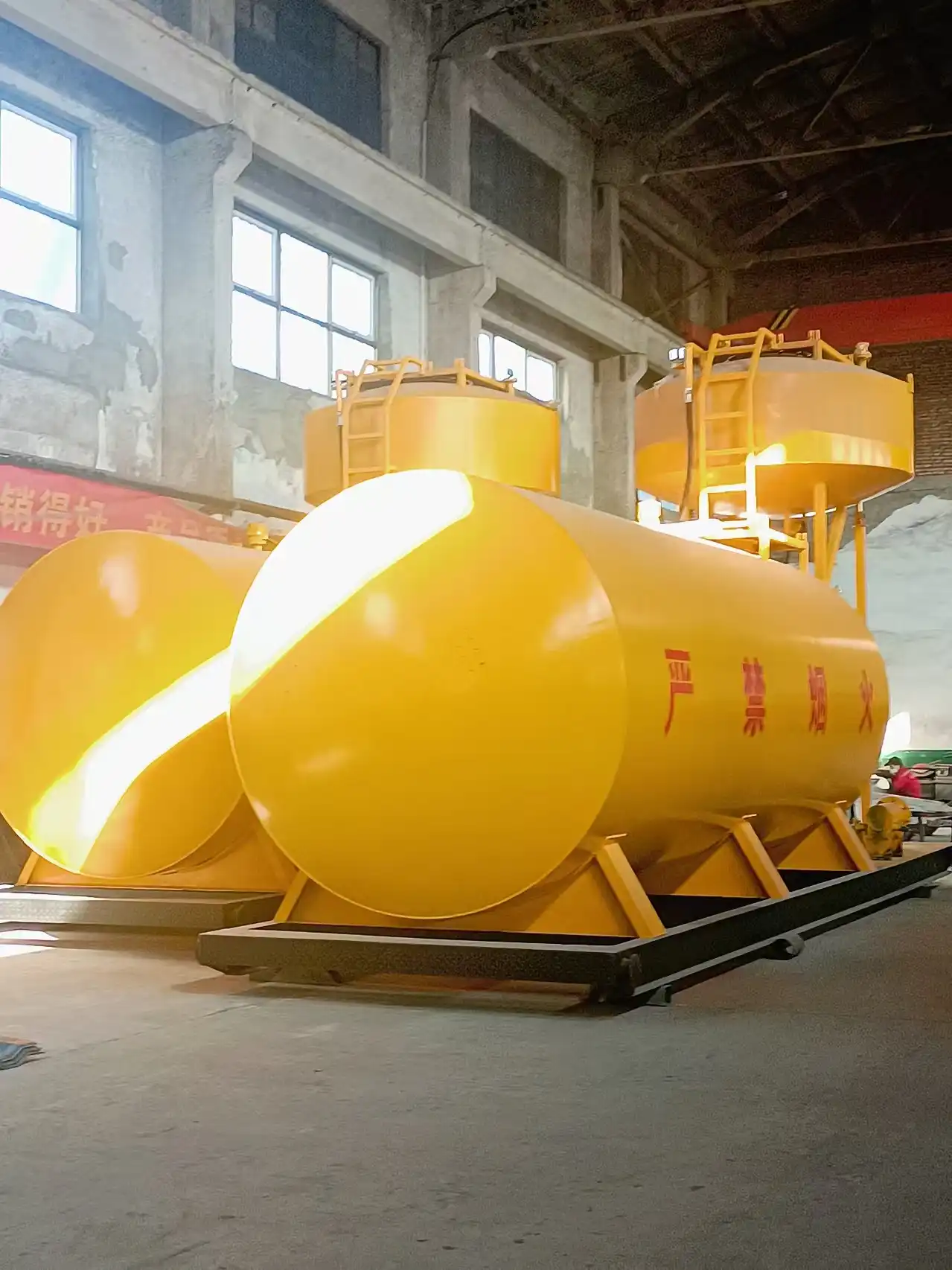
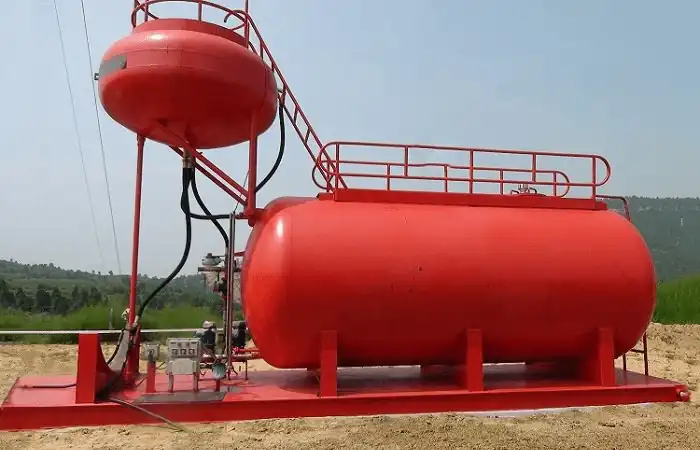
When your drilling rig or mining operation sits hours from the nearest fuel depot, a dependable gravity-fed fuel storage system is not optional — it is essential. An Elevated Diesel Tank is a pump-free, gravity-discharge fuel storage device mounted on a structural steel stand, typically at heights between 2 and 6 meters. By using head pressure alone, it delivers a consistent fuel flow to generators, drilling equipment, and heavy machinery without any electrical input. At ZHONGCHENGJIXIE, our ZC Elevated Diesel Tank series offers 5–50 m³ customizable volumes built for the toughest field conditions on earth.
Understanding Elevated Diesel Tanks: Features and Benefits
You can find gravity-fed diesel storage tanks in oilfields, on remote construction sites, and in mining operations because they can be used when other types of power systems can't.
What Makes This Design Effective?
Head pressure of about 0.1 bar per meter of height is created by the raised mounting point, which is usually between 2 and 6 meters high. Without a pump, motor, or electrical connection, this passive pressure difference keeps the flow of fuel steady. This physics-based method gets rid of a whole point of failure for places that are far from the power grid.
Core Materials and Build Quality
Our ZC tanks are made from high-quality carbon steel (Q235B or a similar), and the shells are usually between 5 mm and 8 mm thick. The inside has an epoxy phenolic lining that stops microbes from growing in diesel that has been kept, and the outside has a C5-M atmospheric covering that can withstand being exposed to the elements in the desert and at sea. Internal baffles make the structure more stiff and stop wave loads from happening during movement or when there is a lot of wind.
Key Operational Advantages
This gravity diesel storage system does the following things well:
- Pump-free dispensing: No transfer pump means fewer mechanical components to fail, lower maintenance labour hours, and zero electricity demand at the dispensing point — a direct cost saving on remote sites where diesel-generated power is expensive.
- Elevated structure layout: The stand-mounted design keeps the tank body clear of ground moisture, standing water, and corrosive soil contact, extending service life significantly compared to ground-level alternatives.
- Tight hermetic sealing: A fully sealed tank body prevents vapour escape and surface contamination, supporting environmental compliance under NFPA 30 and similar standards requiring secondary containment.
The three problems that oilfield procurement managers most often bring up are unexpected machine downtime, fuel contamination, and environmental liability. These benefits directly address these problems.
Comparing Elevated Diesel Tanks with Alternative Fuel Storage Solutions
Not every way of storing fuel in an Elevated Diesel Tank works well for industrial operations that are far away. Knowing the differences helps procurement engineers make choices that will work in the real world.
Elevated vs. Underground Storage Tanks
EPA rules say that underground tanks must have a lot of civil excavation, cathodic protection systems, and continuous monitoring for leaks. It might take weeks to find a slow leak. On the other hand, an above-ground raised unit can be inspected visually at any time, and any breach can be seen right away. Installation time goes from days of work on the ground to just one crane lift and anchor bolt process.
Elevated vs. Ground-Level Tanks
For ground-level tanks to feed equipment, they need a transfer pump, which adds to the cost of the electricity infrastructure and has a mechanical part that breaks down. When there is mud in the oilfield, ground contact speeds up corrosion at the base. The raised skid stand gets rid of that touch completely and makes room for forklifts to move or load transports, which is a useful feature in the field that operations managers always appreciate.
Material and Technology Benchmarks
Tests in the industry show that epoxy-lined carbon steel tanks with C5-M coatings on the outside stay strong for more than 20 years in the normal atmospheric conditions of an oilfield. The ZC series comes with built-in sludge-drain valves and water-detection paste sensors that let workers get rid of the condensation that builds up every day due to temperature cycling. This keeps the fuel's quality even after long periods of storage.
Procurement and Installation: Making the Right Choice for Your Facility
It's not possible to buy a gravity fuel storage unit from a catalog for a building that is far away. You have to make a project-specific choice. The total cost of ownership over the tank's useful life depends on a number of factors.
Capacity and Configuration Selection
The ZC line goes from 5 m³ to 50 m³ in standard steps and has skid stands that can be taken off and put back on, making it easy to move by road within standard container envelopes. Larger oilfield drilling rigs, like the ZJ50, ZJ70, or ZJ90 class, need 20–50 m³ of space to be able to drill for several days without having to resupply. Units of 5 to 15 m³ work well with smaller geothermal or mining exploration rigs.
Logistics and Lead Times
We can ship in-stock ZC Elevated Diesel Tank units within three days from our plant in Xingping, which is in Shaanxi Province. Freight routes through Tianjin and Shanghai ports help with this. Custom-specified orders, like those with non-standard stand heights, different motor-driven discharge choices, or unique paint systems, are shipped within 15 days of the order being confirmed.
Installation Requirements
For remote installation, you need a level, load-bearing base pad that can hold the full weight of the fuel (diesel has a density of about 850 kg/m³). To keep the earth from getting contaminated, most places need a secondary containment wall that can hold 110% of the tank's volume. As part of the standard documentation package, our technical team provides calculations for the foundation load, schematics for the pipes, and installation drawings.
Maintenance and Safety: Ensuring Long-Term Operational Efficiency
A field diesel storage unit that is left to run without being watched is not safe. People and the environment are both safe thanks to regular inspections and a few safety rules that can't be broken.
Routine Maintenance Procedures
Weld seams should be checked visually and ultrasonically every three months, as well as the state of the coating (measured by DFT against the original standard), the function of the valves, and the vent filter should be changed. Every month, the bottom sludge valve should be purged to get rid of the water that has built up from condensation. If you don't do this step, Diesel Bug, a type of microbe, can grow and clog fuel filters and damage injection systems.
Safety Systems and Regulatory Compliance
As standard, the ZC Elevated Diesel Tank series comes with overfill protection valves, flame-arresting breather vents, and grounding lug connections. These meet the standards of NFPA 30, which is the Flammable and Combustible Liquids Code, which is used in most U.S. states. The tanks are also certified by ISO 9001, ISO 14001, ISO 45001, HSE, TÜV, and BV. This gives buying managers the proof they need for project qualification reviews.
Structural Inspection Intervals
Every two years, load-bearing stand structures should have a thorough engineering review that checks the weld strength at the base plates and cross-bracing, the rate of corrosion on the structural members, and the torque of the anchor bolts. Before installing a stand in an area prone to earthquakes, the design should be checked against data on ground acceleration in that area.
Future Trends and Innovations in Elevated Diesel Tanks
The category of gravity fuel storage is changing. With IoT-enabled level sensors that can send data over cellular or satellite networks, operations centers can now keep an eye on remote tank inventories in real time, which can start the process of resupplying a site before it runs out of fuel. Several companies are putting these modules into the tank breather assembly so that they don't go through the main vessel and compromise the seal.
Smarter Materials
Recent ASTM B117 tests show that new zinc-aluminium alloy coatings are three times more resistant to salt spray than standard epoxy systems. This means that maintenance cycles can be longer in coastal and offshore uses. High-density polyethylene (HDPE) inner tubes that are light are being tested to see if they can handle produced water in places where mixed fluids need to be stored.
Stricter Environmental Standards
The U.S. EPA's Spill Prevention, Control, and Countermeasure (SPCC) rules keep making it harder to use secondary containment and do inspections. It costs less to run and inspect tanks that were built with these rules in mind from the start, rather than ones that were added later. As standard, our ZC line comes with inspection ports and bund compatibility that are SPCC-compatible.
Conclusion
Remote control of fuel doesn't have to be hard to understand or prone to errors. A properly designed gravity-discharge diesel storage tank gets rid of the need for pumps, can handle rough field conditions, and helps oilfield operators meet the environmental standards they have to follow every day. With ISO 9001/14001/45001 and BV/TÜV certifications, the ZC Elevated Diesel Tank series can be used for a wide range of tasks in the field, from small geological survey rigs to big ZJ90-class drilling systems. If you choose the right units, place them correctly, and keep them in good shape, they will last longer than 20 years, which is a good return on your investment in capital equipment.
FAQ
How does tank height affect fuel flow rate?
Every meter of elevation generates approximately 0.1 bar of head pressure, minus friction losses through hose length and nozzle diameter. A 4-meter stand height typically delivers adequate flow for gravity refueling of most oilfield generators and vehicle tanks without any pump assistance.
Can this type of tank store fuels other than diesel?
Standard configurations are designed specifically for diesel (gasoil). Petrol (gasoline) storage at elevation requires explosion-proof venting, flame arrestors rated for high-volatility fuels, and additional static bonding measures that differ substantially from diesel specifications. Always confirm fuel type with the manufacturer before ordering.
Is secondary containment legally required?
In most U.S. jurisdictions, SPCC regulations and local fire codes require a bund or spill pallet capable of holding 110% of the tank's full volume. This applies to above-ground fuel storage above threshold quantities. ZC tanks are designed to be compatible with standard containment bund systems.
What is the expected service life?
With proper coating maintenance and annual inspections, carbon steel gravity diesel tanks typically remain in serviceable condition for over 20 years. Epoxy phenolic interior linings and C5-M exterior coatings are the primary factors governing longevity under oilfield atmospheric conditions.
What customisation options are available?
ZC tanks are available in 5–50 m³ capacity increments with adjustable stand heights, custom paint systems, alternative discharge valve configurations, and additional access ports or level gauges as specified by the buyer.
Partner With ZHONGCHENGJIXIE for Your Next Elevated Diesel Tank Project
ZHONGCHENGJIXIE makes gravity fuel storage units right at our factory in Shaanxi. There are no markups for middlemen, and we offer full engineering support. We are an approved provider of Elevated Diesel Tanks with ISO 9001/14001/45001, TÜV, BV, and HSE approvals. We can supply in-stock units in 3 days and custom orders in 15 days. You can get a full quote today by sending your project details to oliver@zcgukong.com or going to zcsolidscontrol.com.
References
1. NFPA 30: Flammable and Combustible Liquids Code — National Fire Protection Association, 2021.
2. EPA SPCC Guidance for Regional Inspectors — U.S. Environmental Protection Agency, 2013.
3. UL 142: Standard for Steel Aboveground Tanks for Flammable and Combustible Liquids — Underwriters Laboratories, 2006.
4. ASTM B117: Standard Practice for Operating Salt Spray (Fog) Apparatus — ASTM International, 2019.
5. ISO 14001: Environmental Management Systems — Requirements with Guidance for Use — International Organization for Standardization, 2015.
6. API Recommended Practice 12R1: Setting, Maintenance, Inspection, Operation and Repair of Tanks in Production Service — American Petroleum Institute, 2008.