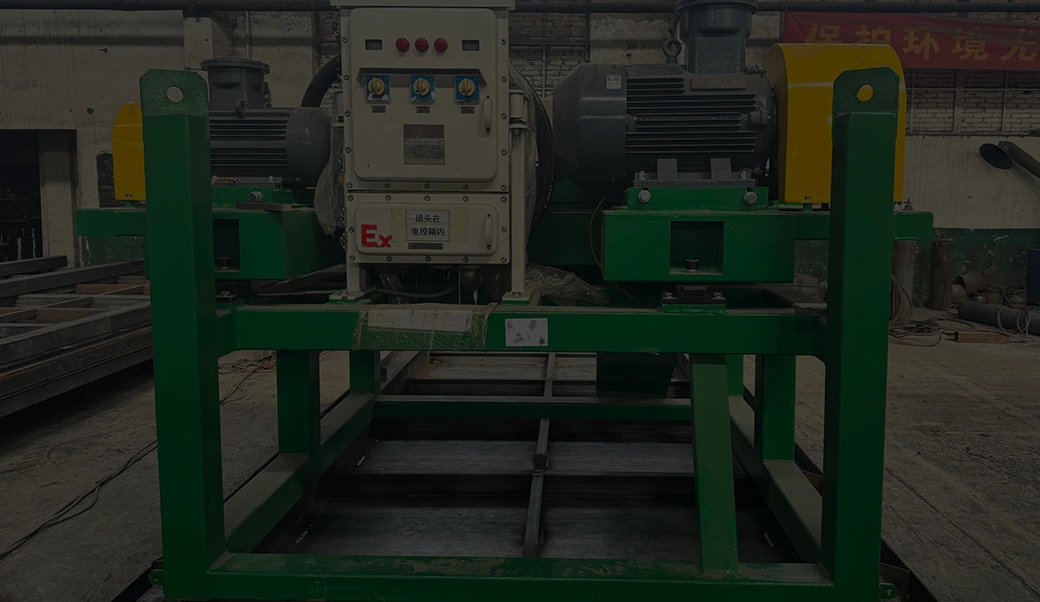
When selecting Accessories/lifting-system-grease">Lifting System Grease for heavy-duty industrial equipment, you need to take into account the conditions of use at each lubrication point, including load, speed, temperature, moisture and dirt. Then confirm the NLGI grade, base oil viscosity, thickener type and extreme pressure and water resistance test results to ensure the grease is the right one for the job. Make sure it will work with the grease, seals and bushings you have, do a quick field test and look at total cost instead of price per pound. I do this because it eliminates products that are not right for the job early and the final choice is based on how well they perform.
Start With Operating Conditions and Core Specifications
Map the Equipment, Load, and Environment
Right before I compare items, I make a note of where the grease will go. The list has the name of the machine, the point where it should be oiled, the type of motion, the load, the speed, and the duty cycle. A fast sheave bearing needs different protection than a slewing ring that turns slowly under a heavy load. Pins, bushings, rails, and wire ropes all have their own needs. The weather is next, with its rain, salt spray, dust, chemicals, humidity, cold, and heat. Vibration, mud spray, and continuous operation are all made worse by drilling sites. I also write down the grease that has already been used. With this operating profile, the procurement and maintenance teams can quickly rule out products that won't work and send accurate specifications to suppliers.
Read the NLGI Grade, Base Oil Viscosity, and Thickener
The NLGI scale goes from 0 (very fluid) to 6 (very firm) for how thick or thin grease is. Most bearings are grade 2, but grades 0 or 1 are easier to pump through centralized systems and when it's cold outside. The viscosity of the base oil is also important. High viscosity makes a thicker film when heavy loads are applied slowly. A lot of heavy-load greases are made with base oils that are between ISO VG 220 and 460. The thickener type sets are resistant to water, heat, and mechanical stress. Most people choose lithium complex, calcium sulfonate complex, or polyurea. Each of these balances these traits in a different way. Don't just choose a grease based on its NLGI grade; two grade 2 greases can work in very different ways.
Check Additives and OEM Requirements
Grease's heavy-duty properties come from the things that are added to it. Extreme-pressure and anti-wear additives keep metal surfaces safe from shock loads. Antioxidants stop rust and damage from water, and tackifiers keep the grease in place. Molybdenum disulfide and other solid lubricants are added to some products to make contact slow and heavy. No matter what the recipe is, I start with the equipment manual. For each lubrication point, the manufacturer lists the grade, interval, and types of products that are allowed. If the grease doesn't follow these rules, it could lead to warranty issues. When there is no manual or the machine is old, I ask the supplier to write down how the product meets the load and temperature profile I made.
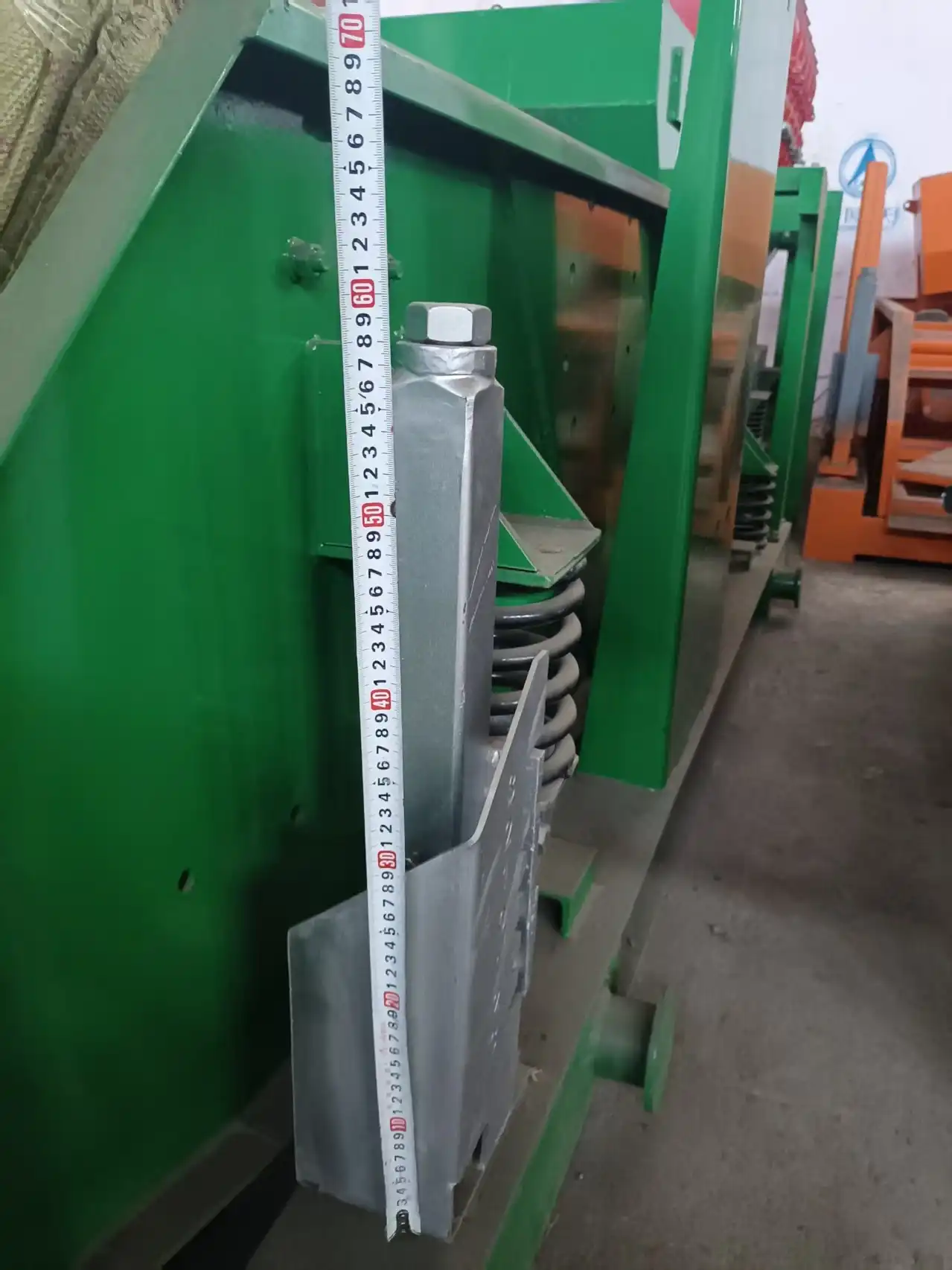
Match Grease Performance to Heavy-Duty Lifting Demands
Read the Test Data That Matters
It’s useful to have a test method next to every number on a datasheet. ASTM D2266 is a standard for measuring wear scar size. In contrast, ASTM D2596 shows the extreme pressure limits. Finally, the Timken OK load, ASTM D2509, indicates how much weight something can hold. The water washout (ASTM D1264) is an indication of how much grease can be washed away by a spray of water. The ASTM D1743 is the rust protection. Oil separation and cone penetration are stable in storage and use, as stated in astm d1742 and ASTM D217. Two warnings. They are here. A high dropping point does not mean that you can work safely at the highest temperature. Strong EP results do not mean that the material is resistant to water or is pumpable. I'm looking for more than one result, not just a big number.
Compare Lithium Complex, Calcium Sulfonate, and Synthetic Options
There is no single formula for choosing Lifting System Grease that fits every lifting application. Lithium complex grease is readily available and performs well at many general heavy-duty lubrication points. Calcium sulfonate complex grease offers high load-carrying capacity, water resistance, and corrosion protection, making it suitable for wet, outdoor, and marine environments. Synthetic base oils cost more but may be worthwhile in extreme cold or heat, or for equipment that is difficult to access for regular maintenance. Under severe conditions involving water or shock loads, specialized lifting grease often outperforms general-purpose products. I compare NLGI grade, viscosity, temperature range, washout resistance, wear data, compatibility, and packaging side by side, relying more on technical data sheets than label claims.
Fit the Grease to the Component and Climate
Cranes, hoists, and winches need to be able to stick to things well and handle shock loads. For elevators, the motion needs to be smooth and quiet, and it needs to work with seals. Grease is only used on the outside pins, slides, or threads of hydraulic jacks; it is never used instead of hydraulic fluid. The Wire Rope Technical Board says in its users manual that the lubricant for wire rope must either get between the strands or form a strong coating. The weather adds another layer. Coastal and offshore work needs to be resistant to corrosion and washout. Dusty sites need to be able to keep contaminants under control, and cold places need to be able to pump and have low-temperature torque (ASTM D1478). Hot spots need to be stable against oxidation. Most surprises can be avoided by making sure the product fits both the part and the weather.
Verify Compatibility and Prevent Lubrication Failures
Check Compatibility Before Any Changeover
Bad things can happen if you change greases without first checking that they are compatible. Mixing polyurea and lithium soap greases can cause the mixture to soften, harden or separate, making it less pumpable and less safe for loads. First I see what product is in the machine. Then I ask the new supplier to write a compatibility statement. Some critical points may require cleaning, purging or controlled testing. I can also say with confidence that the grease works well on seals, plastics, bronze bushings, paint, coatings and painted surfaces. I treat every changeover as a mixing event until the supplier data says otherwise. This is because some of the old grease is always left behind. Clear labels on grease guns and fittings prevent accidental mix-ups in the field.
Run a Field Trial Before Full Adoption
There is less chance of approving the wrong grease for important equipment after a field test. I choose machines that are typical and write down their current lubricant, operating hours, load, temperature, history of maintenance, and the condition of each part. Then I put on the candidate grease the way the supplier tells me to and keep track of temperature, noise, vibration, leakage, wear, corrosion, grease consumption, and how often I need to re-oil. What I see in the lab, like four-ball wear, washout, rust prevention, oil separation, roll stability, and low-temperature torque, backs up what I see in the field. Before giving final approval, performance gains, operating risk, and the total cost are all taken into account. This includes labor, downtime, and replacing parts. Written records of the trial also make it clear to the next buyer and any auditors why the choice was made.
Avoid Common Selection and Application Mistakes
Most lubrication problems are caused by poor application or incomplete specification, not because a product does not work correctly. Poor or dirty lubrication is always stated by manufacturers of bearings as one of the main reasons for premature failure of bearings. People often make the mistake of choosing a product based only on its NLGI grade, or based only on price, ignoring the presence of water and abrasive dust, mixing incompatible greases and treating all lifting parts the same. Too much grease and the heat goes up and can hurt seals.” If you use too little grease, surfaces are prone to wear and corrosion. Bearings, open gears, wire ropes, rails, pins and bushings often require different things. To avoid these mistakes I use a point-by-point lubrication map that tells you where to put grease, how much to use and how often. This is supported by OEM instructions and a written maintenance procedure.
Build a Procurement Checklist and Final Decision Process
Specify What the Supplier Must Document
Technical requirements for Lifting System Grease should be converted into specifications that buyers can compare line by line using a written checklist. I list the equipment type, lubrication point, NLGI grade, base oil viscosity, thickener, temperature range, load performance, water and corrosion resistance, compatibility, and OEM approvals. Then I request the technical data sheet, safety data sheet, certificates of analysis, batch traceability, shelf life information, and storage instructions. Proper packaging is also important for field handling. Cartridges work well with grease guns, pails and 20 kg containers suit workshop use, and 55-gallon drums are ideal for heavy consumption. Lead times, minimum order quantities, export documents, and technical support should all be recorded on the same sheet to avoid surprises after the order is placed.
Weigh Total Cost of Ownership
Downtime, labor, and replacing parts are big items on the budget, but grease is a small line item. A cheap product that leaks, needs to be re-oiled often, or lets bearings wear out faster will cost more than a high-quality grease that lasts longer. So, I look at the cost per lubrication interval, the expected amount of use, the number of hours of work, and how it affects the life of the parts. First is technical performance, then supply continuity, fit of the packaging, and price per unit. When procurement managers, rig managers, and maintenance leads all look at risk in the same way, this order works for everyone who signs off on the purchase.
Follow a Simple Decision Sequence
Every time, I use the same order. Make a list of the equipment, where it needs to be oiled, how it moves, how much weight it has, how fast it is moving, and any manufacturer requirements. Second, write down the frequency of operation, temperature, water, dust, chemicals, and chemicals. Third, make sure there are minimum technical standards for the grade, viscosity, thickener, load protection, resistance to water, and compatibility. Fourth, compare products to documents from suppliers and test the best choices in the field while comparing costs. Once I choose a winner, I make the grease, storage method, maintenance interval, and changeover process all the same. For international work, I also keep a backup supplier or local source on file, so if there is a shipping delay, the lifting crew can still do their job.
Lubrication Planning for Drilling Rigs and Mud Circulation Systems
Hoisting Components on Drilling Rigs
Every hour that they work, drilling rigs depend on lifting equipment. The crown block, traveling block, and drawworks all move the drill string and carry heavy hook loads. They all have bearings, sheaves, and wire rope that need to be oiled on a regular basis. Because the ZJ series rigs, from ZJ20 to ZJ90, have different capacities, they also need to be oiled at different times and in different ways. I always start by looking at the rig manufacturer's lubrication chart. Then I use the steps above to compare different approved products. Planning is important in remote areas because not having the right type of grease can delay maintenance. The schedule stays on track when a verified product with clear labels is kept at the rig site.
Lubrication for Solid Control Equipment
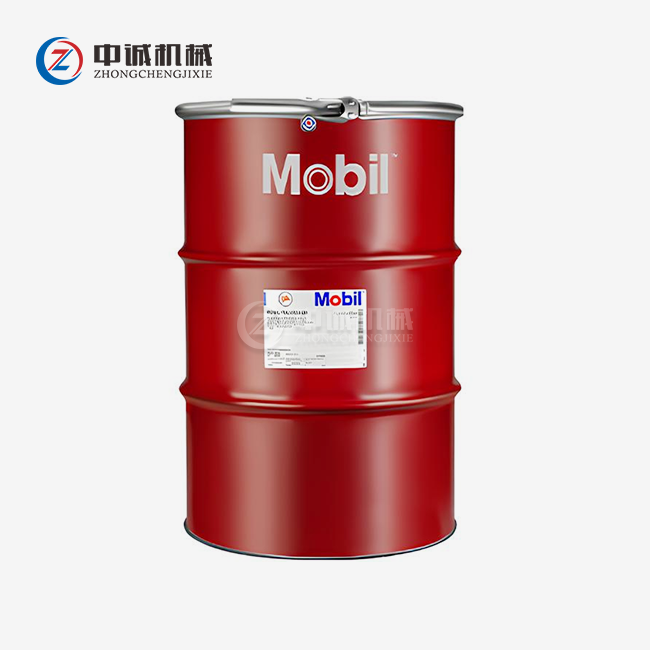
The place where solid control equipment works is rough, with a lot of vibration, dust, and rough solids. Each manual for a sand pump, shear pump, centrifuge, agitator, or shaker says that the motors, bearings, and gearboxes need to be oiled. Getting rid of solids effectively also lowers the wear and tear on pumps and parts further downstream. This means that good lubrication and good separation work together to protect equipment. When we ship our systems, ZHONGCHENGJIXIE includes operation and maintenance manuals, drawings, flowcharts, and diagrams of the parts. This way, crews know right away where to lubricate and how to do service. We also offer training in the field and a warranty that lasts for one year.
What ZHONGCHENGJIXIE Offers Drilling Teams?
Shaanxi Xixian New District Zhongcheng Machinery Manufacturing Co., Ltd. has been in business since 2015 and has a factory in Xingping, Shaanxi that is 6,300 square meters. Solid control systems, mud non-landing systems, construction piling sand removal systems, sludge dewatering systems, and fracturing return liquid treatment systems for rigs ZJ20 to ZJ90 and XJ350 to XJ750 are all things we write and build. We've been in business for more than 30 years, have more than 12 patents, and are certified by ISO9001, ISO14001, and ISO18001 as a direct manufacturer. Our goods are also certified by BV, TÜV, and HSE. Items that are in stock usually get shipped within three days, and custom orders get sent out within fifteen days.
Conclusion
When you need to select Lifting System Grease for your heavy-duty equipment, don’t look at the name on the tin, look at how well it performs in the real world. Things like load, speed, temperature, water and dust are part of the operating profile. The NLGI grade, base oil viscosity, thickener and additives all have to meet the profile and the OEM manual. The test results such as four-ball wear, weld point, water washout are best read all together. The lithium complex, the calcium sulfonate complex and synthetic options can do different jobs. Field trials, compatibility checks and a written lubrication map can help to avoid common failures. In the final selection, the total cost of ownership must be taken into account, including downtime and labor. The same applies to drilling rigs and mud systems. Manuals and planned lubrication protect uptime.
FAQ
Is Multipurpose Grease Enough for Lifting Equipment?
Sometimes, but only for light work. A special lifting or extreme-pressure grease is often needed for things that are exposed to shock, water, heavy loads, and being outside. Before you decide, look at both the datasheet and the OEM manual.
Can I Mix a New Grease With the Old One?
Not until he was sure. Some thickeners are not so safe to load as they react and either soften or harden. Get something in writing that says it’s compatible. Before you change, tidy up or throw out any important points.
How Often Should I Regrease?
To begin, look at the OEM schedule. The interval can be shortened by duty cycle, temperature, and contamination, so use inspection records and field trial results to make the necessary changes.
Which Documents Should I Request From a Supplier?
Ask for the technical data sheet, the safety data sheet, the certificates, information on how to track the batches, the shelf life, and how to store the food. Include information about the equipment, the annual demand, the destination, the packaging, and the delivery needs in your quote request.
What Packaging Sizes Are Common?
For grease guns, cartridges work, pails and 20 kg containers are good for workshops, and 55-gallon drums are good for heavy use. Pick the size that works best for your needs and how you plan to store it.
Talk to ZHONGCHENGJIXIE About Lifting System Grease Planning and Drilling Equipment
Looking at different Lifting System Grease providers as you plan your next drilling job? ZHONGCHENGJIXIE at oliver@zcgukong.com needs to know about your rig model, mud system needs, and delivery schedule. As a direct manufacturer with more than 30 years of experience, ISO9001, ISO14001, and ISO18001 certification, 3-day shipping for in-stock items, and 15-day delivery for custom orders, we respond with drawings, manuals, and clear quotes. To learn more about the product, go to zcsolidscontrol.com.
References
1. NLGI Lubricating Grease Guide, 2006
2. Lubrication Fundamentals, Third Edition, 2016
3. Wire Rope Users Manual, Fourth Edition, 2005
4. ISO 6743-9: Lubricants, Industrial Oils and Related Products (Class L), Classification, Part 9: Family X (Greases), 2003
5. ASTM D217: Standard Test Methods for Cone Penetration of Lubricating Grease, 2022
6. Machinery's Handbook, 31st Edition, 2020